

14 European Scams That Tourists Always Fall For

14 European Scams That Tourists Always Fall For
Traveling around Europe is an amazing experience with its rich history, beautiful landscapes, and vibrant cultures. However, it’s important to stay alert because, like many popular tourist spots, Europe has its fair share of scams. Knowing what to look out for can save you from frustration and loss. Here’s a rundown of some common scams that often catch tourists off guard.
1. Fake petition scam

Imagine you’re walking down the street and someone asks you to sign a petition. Sounds harmless, right? Well, in Europe, this could be a setup. Scammers, often pretending to be deaf or representing a charity, ask you to sign a form.
While you’re distracted, another person may try to pickpocket you. Or, once you sign, they’ll demand a cash donation for the cause. Always be wary of signing anything on the street, and keep your belongings secure.
2. Pickpocketing in crowded areas

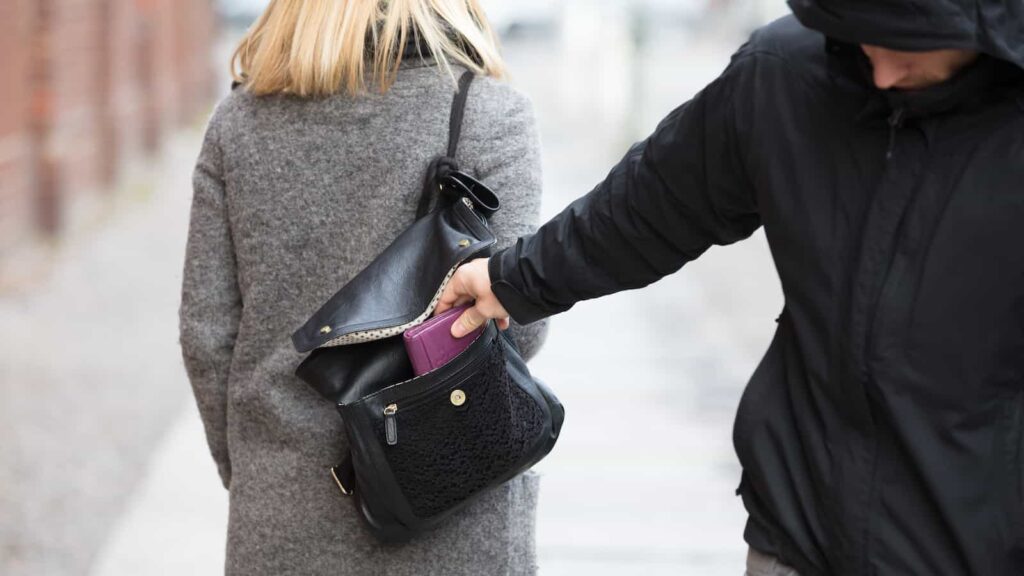
Crowded tourist spots are hotspots for pickpockets. These thieves are very skilled and can remove items from your pockets or bags without you noticing. They often work in groups; one might distract you while others do the stealing. Always keep your valuables secure and be mindful of your surroundings, especially in crowded places.
3. ATM card skimming
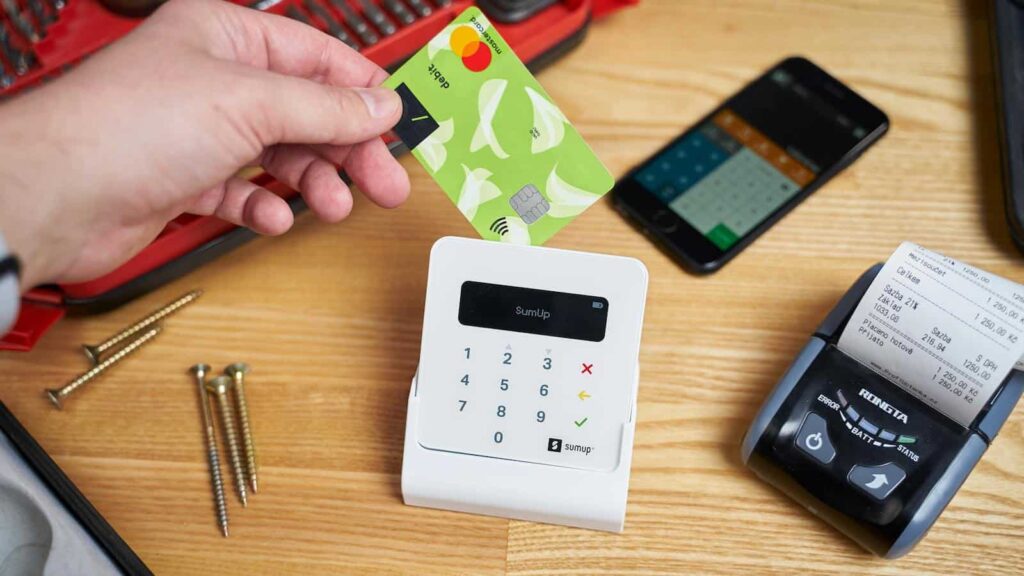
ATM skimming involves attaching a device to the card slot of an ATM to capture the data on your card’s magnetic stripe. A hidden camera may also record your PIN as you enter it. Always check ATMs for any unusual devices attached, cover the keypad when entering your PIN, and use ATMs in secure locations.
4. Fake taxi meters

Some taxi drivers take advantage of tourists by using rigged meters that run faster than usual, leading to inflated fares. Always ensure the meter is running correctly, or agree on a fare before starting your journey. Using official taxi services or apps can also help avoid this scam.
5. Friendship bracelet scam
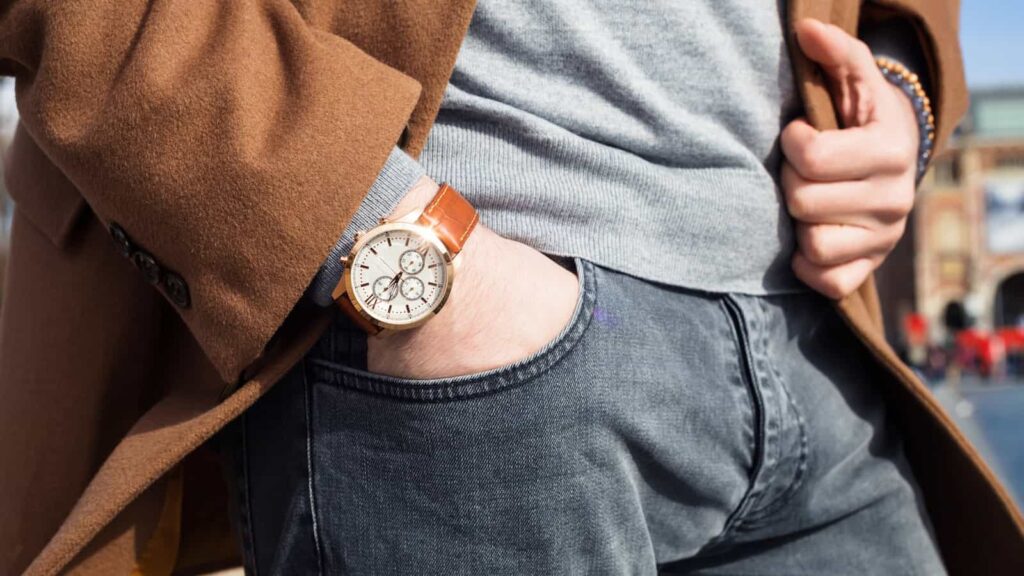
This scam often occurs around popular tourist landmarks. Someone approaches you, makes friendly conversation, and then offers you a woven bracelet as a token of friendship. Once you accept it, they demand money. If you refuse, they can create a scene to embarrass you into paying. It’s best to firmly decline any such offers.
6. “Free” flowers or souvenirs

Much like the friendship bracelet, this scam involves a friendly person handing you a flower or a small gift ‘for free’. Once you accept it, they will demand money. If you try to give it back, they might refuse and insist on the payment. Always politely decline such “gifts.”
7. Overpriced restaurant bills

In some tourist-heavy areas, restaurants might present you with a bill significantly higher than what is reasonable. They might add items you didn’t order or use a ‘special’ tourist menu with inflated prices. Always check your bill carefully and clarify prices before ordering.
8. Fake charity donations

Scammers may pose as charity workers and ask for donations. They might even carry fake ID badges and donation forms. To avoid this, never give money on the street. If you want to donate, find the charity online and donate directly through their official site.
9. Fake police officers asking for ID

Sometimes, people posing as police officers approach tourists to check their IDs and then demand an on-the-spot ‘fine’ for a supposed irregularity. Real officers don’t handle fines this way. If approached, ask to see their identification and suggest going to the nearest police station to clear up any issues.
10. Street performers demanding tips

You might enjoy watching a street performer and suddenly find them demanding a tip for the show. While tipping is voluntary, these performers may pressure you into paying. Feel free to walk away if you’re uncomfortable or if they’re too pushy.
11. Rental car damage scams
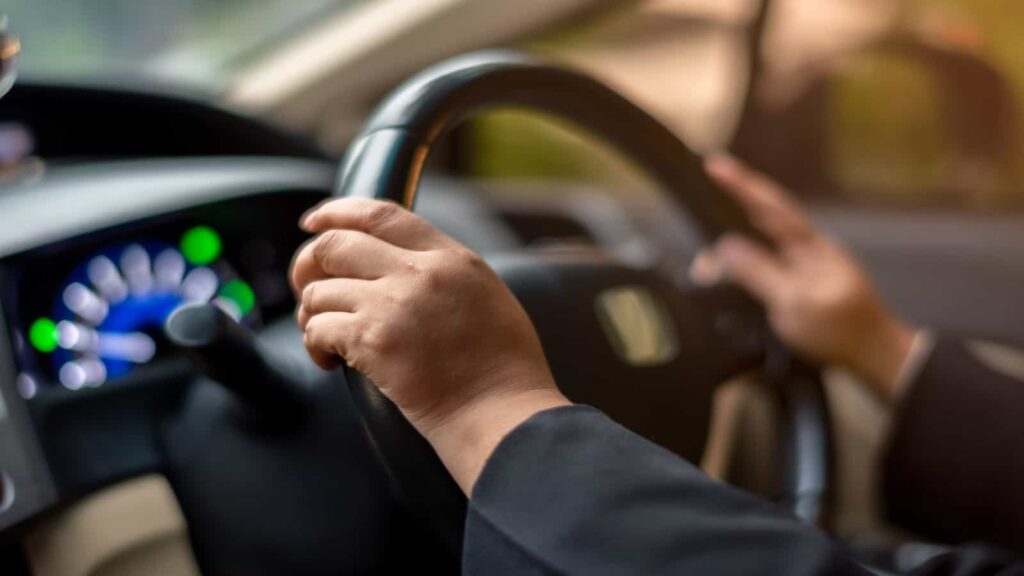
This scam involves rental agencies claiming you’ve damaged the car and charging you for repairs. Always take photos or videos of the vehicle before and after rental to have evidence of its condition.
12. Photo-op scams with performers in costumes

In touristy areas, costumed performers charge money after taking photos with them. They might not disclose the cost upfront. Always ask if there’s a charge before you take a picture.
13. Unofficial tour guides

Unofficial guides might offer tours without proper credentials and charge you exorbitant rates. They might also misinform you about attractions to receive commissions from certain venues. Always verify a guide’s credentials and read reviews before booking a tour.
14. Fake accommodation bookings

Be cautious when booking accommodations online. Scammers create fake listings or websites where you pay for a booking that doesn’t exist. Always use reputable websites and check property reviews before making any payments.
Staying aware of these common scams can help ensure your trip is both enjoyable and safe. Always trust your instincts and be cautious with overly friendly strangers or deals that seem too good to be true.

We are Mary and Eric, the founders of Be Right Back, a blog dedicated to romance around the globe and at home.
We are Mary and Eric, the founders of Be Right Back, a blog dedicated to romance around the globe and at home. With over 10 years of experience in dating and traveling to romantic places, we share our favorite date ideas and romantic destinations to help couples level up their relationships. Having lived in and traveled through the USA, we also share our favourite things to do in the States.
With 70,000 monthly readers and 16,000 followers on social media, Be Right Back is your go-to resource for romantic trip ideas and couple activities at home and abroad.