

20 Phrases To Know Before You Visit Mexico (with Pronunciation & Translation)

20 Phrases To Know Before You Visit Mexico (with Pronunciation & Translation)
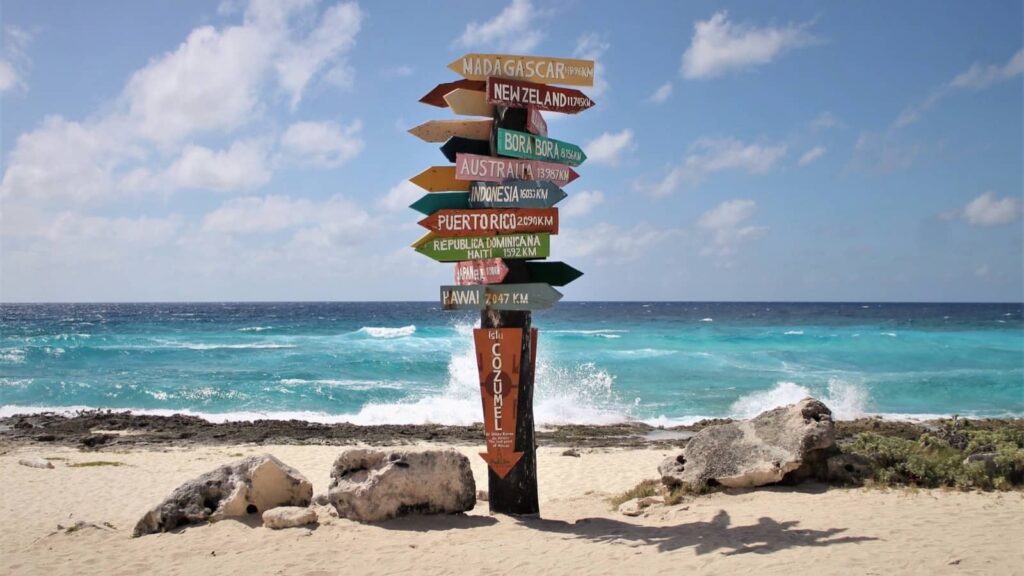
When you plan a trip to Mexico, getting to grips with some basic Spanish phrases can make your experience smoother and more enjoyable. Knowing local words and their pronunciation helps in connecting better with people, making your travels less stressful and more engaging.
This guide covers 20 essential Spanish phrases that you should learn before your visit. From greetings to navigating dining and shopping, these phrases will be your handy tool throughout your journey.
1. Hola – [oh-lah] – Hello

“Hola” is the simplest and most essential Spanish greeting you’ll use in Mexico. It translates to “hello” and is suitable for all kinds of interactions, whether you’re entering a shop, greeting a taxi driver, or simply making a new friend. It’s a versatile greeting that sets a friendly tone and is central to daily communication in any Spanish-speaking country.
2. Gracias – [grah-see-ahs] – Thank you

Expressing gratitude is universal, and “gracias” is how you say “thank you” in Spanish. Whether someone holds the door for you, serves your meal, or helps you with directions, saying “gracias” shows appreciation and is polite. It fosters goodwill and is an important phrase in any interaction.
3. Por favor – [pohr fah-vohr] – Please

“Por favor” translates to “please” and is crucial for polite requests and interactions. Use it when asking for help, ordering food, or when you need a favor. It softens requests and shows that you are respectful of others’ efforts and time.
4. ¿Cuánto cuesta? – [kwahn-toh kwes-tah] – How much does it cost?

When shopping or using services in Mexico, “¿Cuánto cuesta?” is a practical question that means “How much does it cost?” It’s helpful not only in markets and stores but also when dealing with taxis or purchasing tickets. Knowing this phrase helps you stay within your budget and avoid surprises.
5. Lo siento – [loh see-en-toh] – I’m sorry

“Lo siento” is used to express “I’m sorry” in Spanish. It’s useful if you bump into someone accidentally, need to apologize for a misunderstanding, or when you’re sympathizing with someone else’s mishap. It’s an expression of empathy and politeness.
6. ¿Dónde está el baño? – [dohn-deh ehs-tah ehl bah-nyoh] – Where is the bathroom?

Knowing how to ask for the bathroom, “¿Dónde está el baño?”, is essential, especially when traveling. Bathrooms might not always be easily visible or marked in English, so this phrase can be very helpful when you need it most.
7. Agua, por favor – [ah-gwah pohr fah-vohr] – Water, please

Staying hydrated is important, especially in warmer climates or when you’re on the go. “Agua, por favor” helps you request water in restaurants, hotels, or any place where you might need to quench your thirst.
8. La cuenta, por favor – [lah kwen-tah pohr fah-vohr] – The bill, please

At the end of a meal or when ready to leave a cafe, “La cuenta, por favor” is what you’ll say to ask for the bill. It’s a straightforward phrase that signals you’re ready to settle your tab and move on.
9. Salud – [sah-lood] – Cheers / Bless you

“Salud” is a versatile expression used as “cheers” during toasts and as “bless you” when someone sneezes. It’s a social word, reflecting good wishes towards others’ health and well-being.
10. Estoy perdido – [ehs-toy pehr-dee-doh] – I’m lost
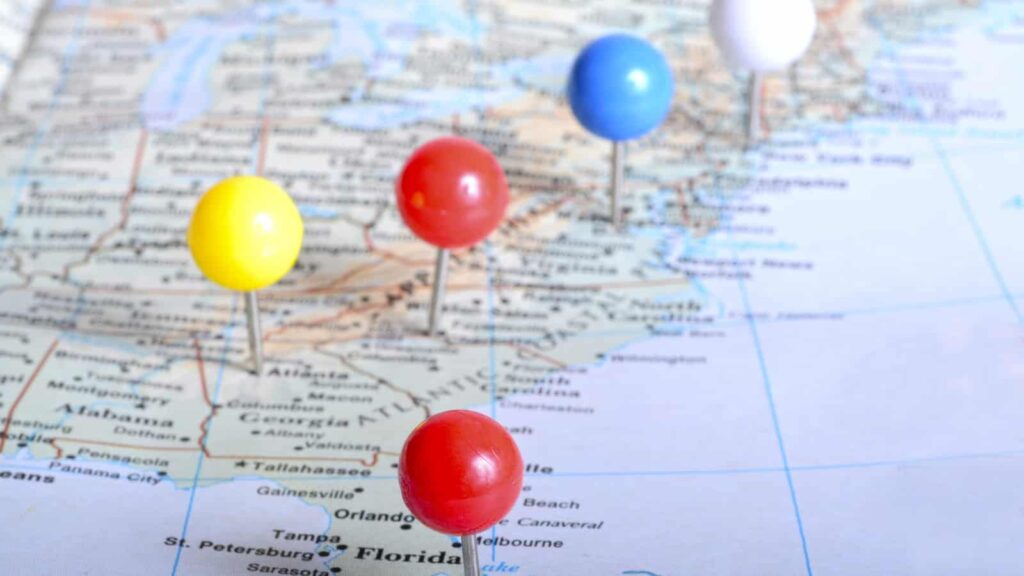
If you find yourself unsure of your location, “Estoy perdido” (I’m lost) can be a lifesaver. It lets people know you need help finding your way and opens up opportunities for assistance and guidance from locals.
11. No entiendo – [noh ehn-tee-en-doh] – I don’t understand

When language barriers arise, “No entiendo” means “I don’t understand.” It’s a useful phrase to clarify misunderstandings or signal that you need something repeated or explained in a different way.
12. ¿Hablas inglés? – [ah-blahs een-glays] – Do you speak English?
Sometimes, you’ll need to find someone who speaks English, especially in complex situations. Asking “¿Hablas inglés?” helps identify someone who can help communicate more effectively if your Spanish isn’t strong.
13. Un momento – [oon moh-men-toh] – One moment

“Un momento” means “one moment” and is useful when you need a brief pause, whether to gather your thoughts, search for something in your bag, or anytime you need a quick break in a conversation.
14. Sin hielo – [seen yeh-loh] – Without ice

If you prefer your drinks without ice, “sin hielo” is what you’ll say. It’s particularly handy for travelers who are cautious about consuming water in different regions.
15. Estoy bien – [ehs-toy byehn] – I’m fine

In response to “¿Cómo estás?” (How are you?), “Estoy bien” expresses that you’re doing well. It’s a common and polite way to respond, maintaining a positive interaction.
16. ¿Puedo pagar con tarjeta? – [pweh-doh pah-gahr kohn tahr-heh-tah] – Can I pay with a card?
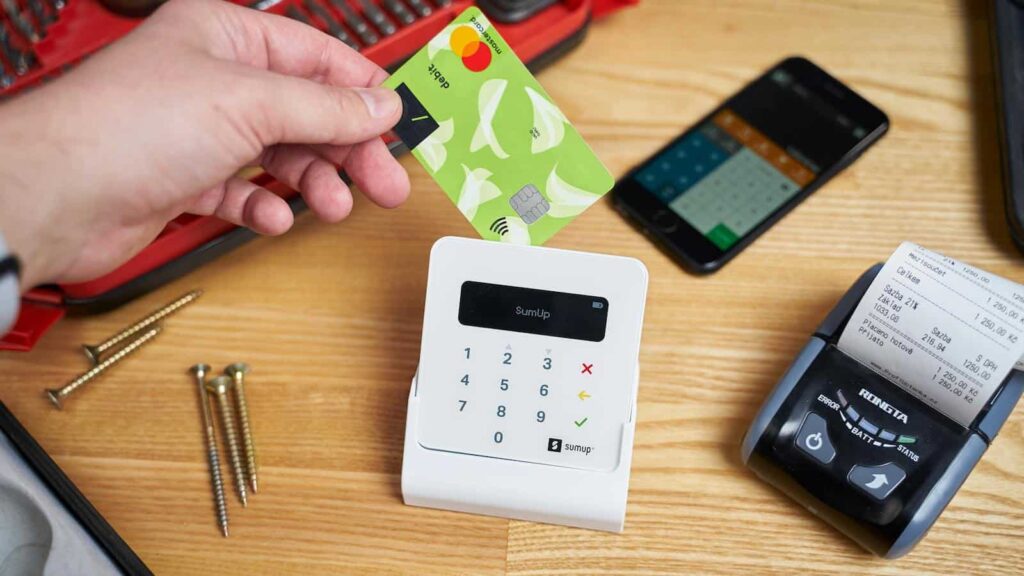
Inquiring if a card is an acceptable form of payment, “¿Puedo pagar con tarjeta?” can save you from any payment issues at check-out. It’s essential in a world where digital transactions are increasingly common.
17. Quiero esto – [kee-eh-roh ehs-toh] – I want this

When shopping, “Quiero esto” helps you indicate exactly what you want to purchase. It’s direct and helps in ensuring you get exactly what you’re looking for.
18. Más despacio, por favor – [mahs dehs-pah-see-oh pohr fah-vohr] – Slower, please

If someone is speaking too quickly, “Más despacio, por favor” asks them to slow down, making it easier for you to follow and understand the conversation. It’s especially helpful when you’re learning Spanish.
19. ¿Dónde puedo encontrar…? – [dohn-deh pweh-doh ehn-kohn-trahr…?] – Where can I find…?

Whether you’re looking for a place, a product, or a service, “¿Dónde puedo encontrar…?” starts your query. Fill in the blank with what you’re looking for, and this phrase becomes an important tool in exploring new locations.
20. ¿Hay Wi-Fi aquí? – [ah-ee wee-fee ah-kee] – Is there Wi-Fi here?

In today’s digital world, staying connected is often necessary. “¿Hay Wi-Fi aquí?” helps you find out if there is Wi-Fi available at a location, ensuring you can stay in touch, work remotely, or plan your next travel steps.

We are Mary and Eric, the founders of Be Right Back, a blog dedicated to romance around the globe and at home.
We are Mary and Eric, the founders of Be Right Back, a blog dedicated to romance around the globe and at home. With over 10 years of experience in dating and traveling to romantic places, we share our favorite date ideas and romantic destinations to help couples level up their relationships. Having lived in and traveled through the USA, we also share our favourite things to do in the States.
With 70,000 monthly readers and 16,000 followers on social media, Be Right Back is your go-to resource for romantic trip ideas and couple activities at home and abroad.