

10 UK Rules Everyone Follows But No One Actually Explains

10 UK Rules Everyone Follows But No One Actually Explains

In the UK, there are some unwritten rules that everyone seems to follow, even though they might not be explicitly explained anywhere. These norms have become so ingrained in British culture that locals follow them almost automatically, and they might come as a surprise to visitors. Let’s explore these common but often unspoken rules that help keep things orderly and polite across the UK.
1. Stand on the right of the escalator
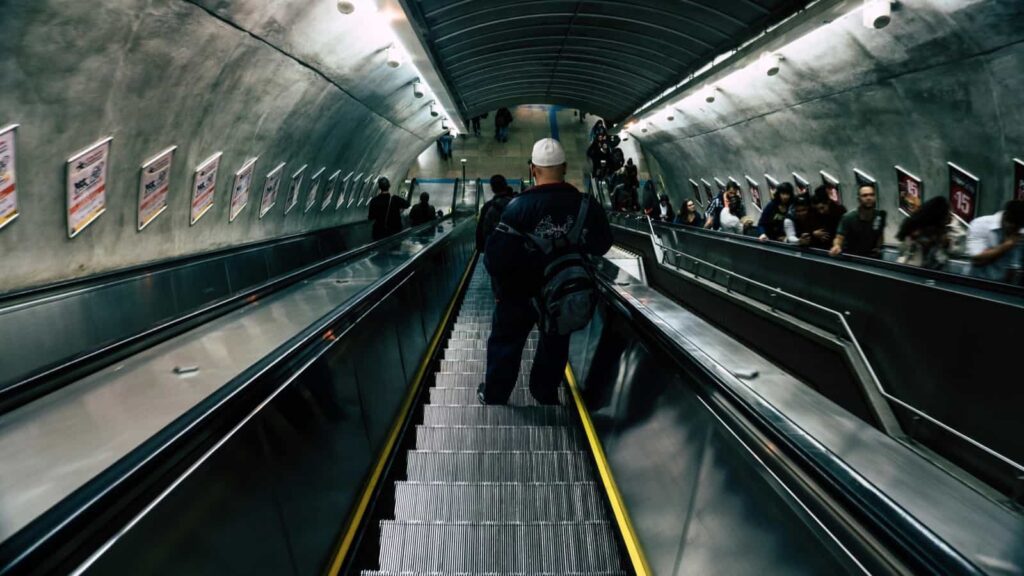
In the bustling underground stations of cities like London, you’ll notice everyone standing neatly on the right side of escalators, leaving the left side clear for those in a hurry who want to walk up or down. This rule helps manage the flow of people and prevents escalator jams during high traffic times. It’s a simple act of courtesy and efficiency, ensuring everyone can move at their own pace without causing delays or frustration.
2. Don’t talk to strangers on public transport

While on buses, trains, or the Tube, Brits tend to keep to themselves, plugging into their headphones or burying their noses in a book. This unspoken rule of not initiating conversation with strangers helps maintain a sense of personal space and privacy in otherwise crowded situations. It’s not rudeness but rather a mutual understanding of everyone’s need for a peaceful journey.
3. Always queue—even if it’s unclear why

Queuing is almost a national sport in the UK. Whether it’s at a bus stop, in front of a shop, or even at a bar, forming an orderly line is expected. This system of waiting your turn is seen as the fairest way to ensure everyone is served in the order they arrive. Even if it’s not clear why a queue has formed, joining the end of it is a common practice, just in case.
4. Say “sorry” even when someone hits you

Saying “sorry” has become a reflex action for many Brits, even if they aren’t at fault. If someone bumps into you, it’s typical to automatically apologize. This habit is tied to the British inclination to avoid confrontation and keep interactions as smooth and polite as possible, fostering a community spirit where everyone is keen to diffuse awkward situations swiftly.
5. Let people off the train before getting on

This rule is all about efficiency and manners. By allowing passengers to disembark before boarding, it ensures a smoother flow of people in and out of train carriages, preventing bottlenecks and delays. This orderly transition is especially important during the rush hour when trains are crowded and everyone is in a hurry.
6. Pretend not to see someone you know

Sometimes, when spotting someone you know in public, the immediate reaction might be to pretend not to see them. This might seem strange, but it’s often done to avoid putting the other person in an awkward situation where they feel obliged to stop and chat, especially if they seem busy or preoccupied. It’s all about respecting each other’s space and time.
7. Use sarcasm to hide all emotions

Sarcasm is a staple of British humor and communication. It’s often used to make light of situations, offer criticism gently, or just as a way to communicate feelings indirectly. While it can sometimes confuse those not familiar with it, sarcasm is a way to keep the conversation light and avoid direct confrontation.
8. Never eat the last biscuit without asking
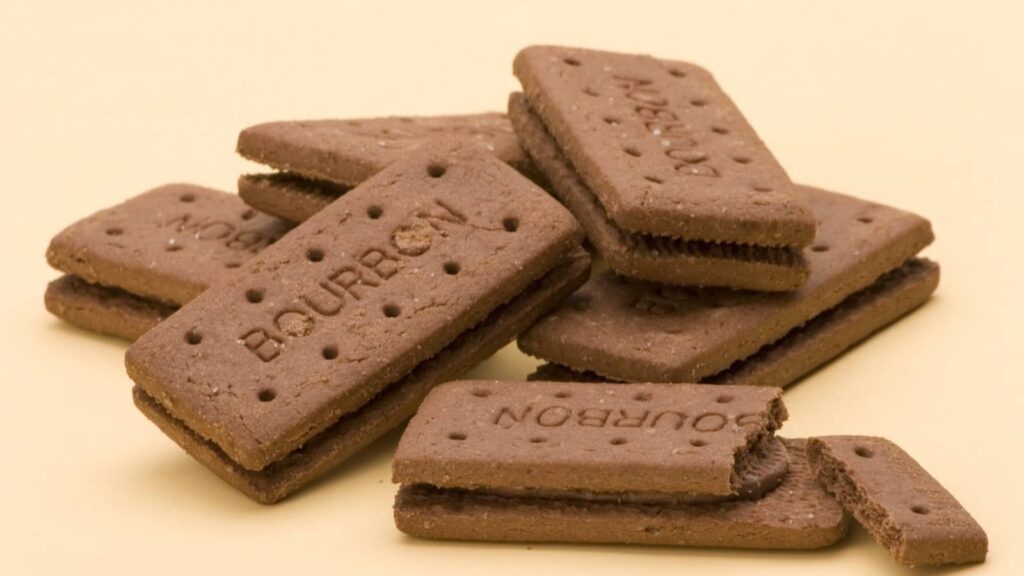
If you’re at a gathering and there’s one biscuit left in the tin, it’s good manners to ask if anyone else wants it before taking it yourself. This politeness helps avoid seeming greedy and ensures everyone has a fair chance at the snacks. Plus, it’s a nice way of showing consideration for others’ desires.
9. Thank the driver—bus, taxi, whatever

Whether you’re getting off a bus, a taxi, or any other form of public transport, it’s common courtesy in the UK to thank the driver. This small gesture acknowledges the driver’s service and effort, contributing to a pleasant atmosphere and possibly brightening the driver’s day. It’s a simple way to spread a bit of kindness.
10. Don’t say what you actually want—hint instead

In many social situations, Brits often prefer hinting at what they want rather than stating it outright. This indirect approach is meant to avoid putting pressure on others and to keep interactions smooth and amiable. While it might be confusing for newcomers, it’s all about maintaining harmony and politeness in conversations.

We are Mary and Eric, the founders of Be Right Back, a blog dedicated to romance around the globe and at home.
We are Mary and Eric, the founders of Be Right Back, a blog dedicated to romance around the globe and at home. With over 10 years of experience in dating and traveling to romantic places, we share our favorite date ideas and romantic destinations to help couples level up their relationships. Having lived in and traveled through the USA, we also share our favourite things to do in the States.
With 70,000 monthly readers and 16,000 followers on social media, Be Right Back is your go-to resource for romantic trip ideas and couple activities at home and abroad.