

20 Mistakes To Avoid When Choosing Your Engagement Ring

When you start looking for an engagement ring, it’s completely normal to feel excited, overwhelmed, and even a little unsure of where to begin. There are so many styles, stones, and price points that it’s easy to make quick decisions without realising how much they’ll matter later. And because this is a piece of jewellery you’ll wear every single day, the small details truly make a difference.
That’s why understanding the most common engagement ring mistakes can save you time, money, and stress. It helps you focus on what actually counts—choosing a ring that fits your style, your lifestyle, and your future. Whether you’re shopping together or planning a surprise proposal, avoiding these pitfalls will help you find a ring you’ll love just as much years from now as you do the day you say yes.
Here are the biggest engagement ring mistakes couples make—and what to do instead.
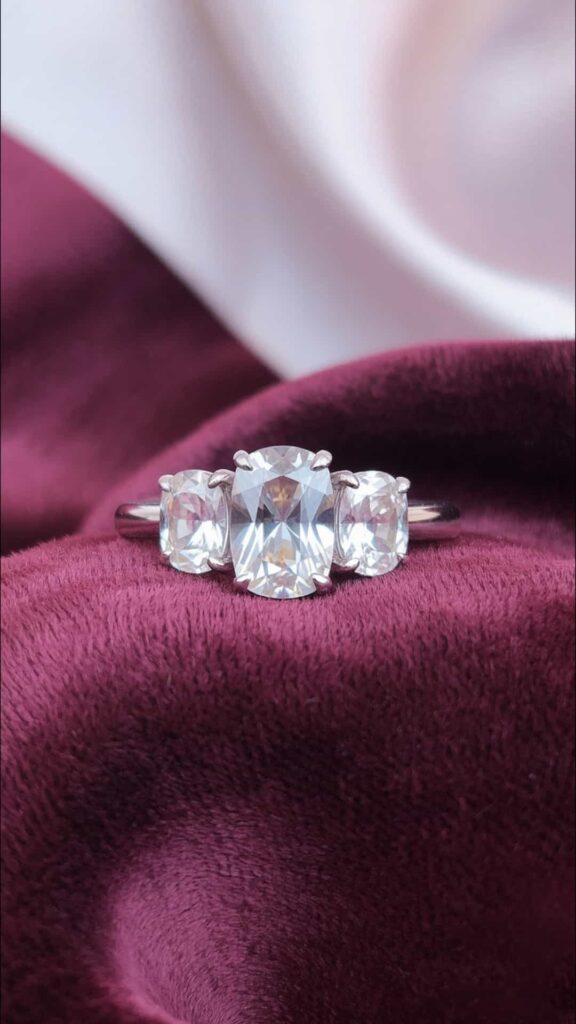
My Tips From My Experience
When my now husband and I starting talking about getting married, we quickly started talking about what kind of engagement ring I (and he!) would like. I’m personally not a huge fan of big diamond rings at all and I think it’s really important to go with a ring that suits you rather than a ring that you think is “right” according to other people or movies.
I also wanted a ring I would feel comfortable wearing all the time no matter where we were. I didn’t want to fear getting it stolen! I also didn’t want it to really take over my outfits or anything like that. I wanted it to sort of merge with who I was and what my style was.
We ended up getting my engagement ring off Etsy. I sent my husband a few options I liked and he picked and got it engraved (as a surprise). I absolutely love it, this was the best way to go about it for us!
All of that to say that I believe you should go with your gut. This post is not a set list of rules. These points are ideas and guidance rather than law!
1. Choosing a Ring Without Setting a Budget First
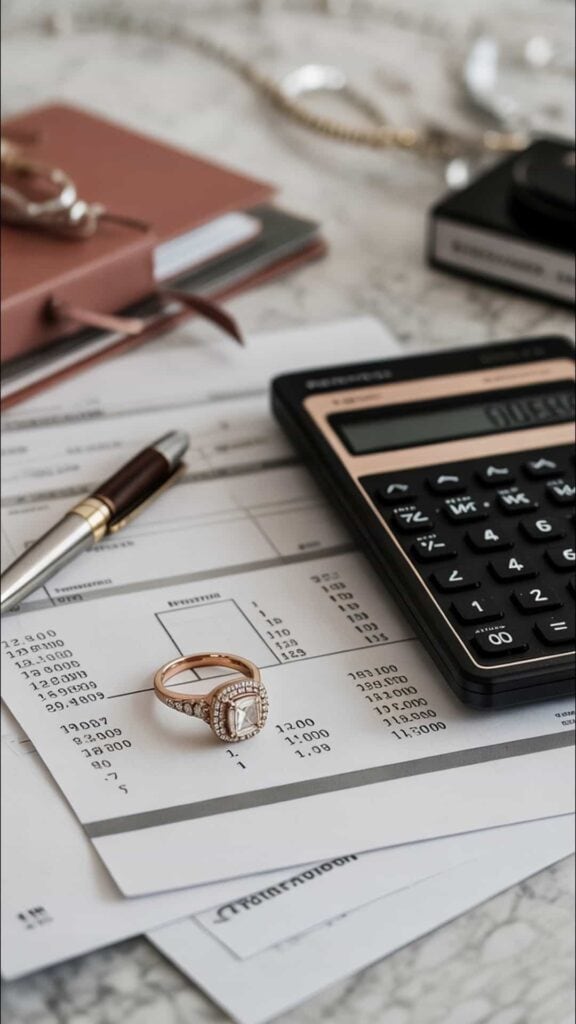
Many couples rush into ring shopping without deciding how much they want to spend. That’s usually when the process gets overwhelming, because every style suddenly feels “almost right” but not quite in range. Without a clear number in mind, it’s very easy to drift toward rings that are more expensive than planned.
A budget doesn’t limit you—it actually helps narrow your choices so you don’t waste time looking at rings that won’t make sense later. You’ll have a better sense of what styles and stones are realistic and where you want to allocate your money.
Start by agreeing on a comfortable spending range. Then focus on getting the best value within it instead of stretching yourselves thin for a bigger stone or a specific brand name.
2. Not Learning the Basics of the 4Cs
Skipping the 4Cs—cut, clarity, colour, and carat—often leads to buying a ring that doesn’t look as stunning as it could. People sometimes assume a larger carat is all that matters, but that’s rarely the case. The wrong cut or poor clarity can make even a bigger diamond look dull.
Understanding the 4Cs helps you prioritise what matters most to you. For example, cut influences sparkle more than anything else, while clarity and colour can be balanced to save money without affecting beauty.
Take a little time to learn these basics before you buy. You’ll feel more confident, and you’ll likely get a ring that looks brighter and higher quality than one chosen without research.
3. Picking a Ring Without Considering Your Partner’s Style
One of the most common mistakes is choosing a ring purely based on your own taste. Engagement rings are personal, and they should reflect the wearer’s everyday style, personality, and lifestyle.
When a ring doesn’t match someone’s vibe, it can feel awkward to wear daily—even if it’s beautiful. Sleek modern girls may not love vintage detailing, while someone who loves bold jewellery might not be excited by a minimalist band.
Look at the jewellery your partner already wears. Notice metal colours, shapes, and how delicate or bold their pieces are. These clues will guide you toward the right style without relying on guesswork.
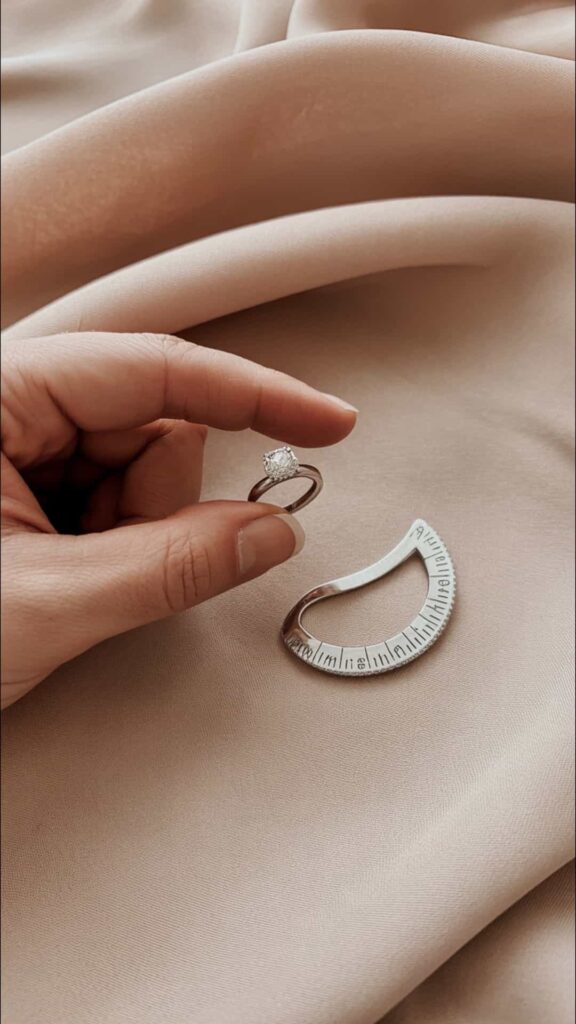
4. Guessing the Ring Size
Many proposals are delayed or complicated because the ring doesn’t fit at all. Guessing the size often leads to a band that’s far too tight or way too loose, both of which can spoil the moment a little.
Sizing mistakes also complicate things if the ring features intricate designs or full pavé bands, which are harder to resize.
Try borrowing a ring your partner wears on the correct finger or using a printable sizing guide. If you’re keeping the proposal a surprise, ask a friend or sibling to help you find the right measurement quietly.
5. Ignoring Metal Durability
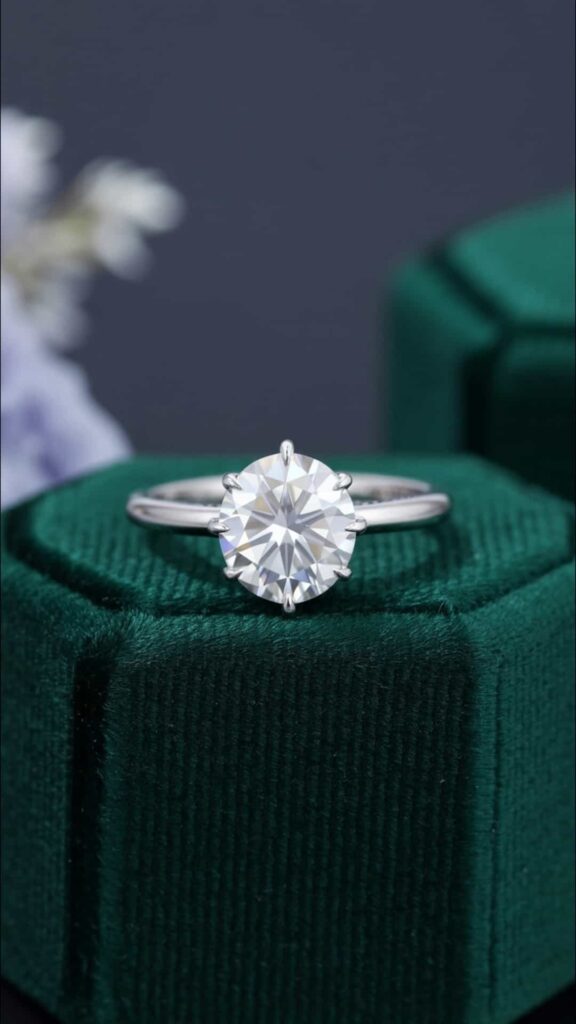
People usually focus on the stone and overlook the metal—which is a big part of how long a ring lasts. Softer metals scratch more easily, while certain alloys can irritate sensitive skin.
For someone with an active job or hobby, a fragile metal band will show wear much quicker. The same goes for plated metals, which fade over time.
Consider how often the ring will be worn and what kind of lifestyle your partner has. Platinum or 14k gold are great durable options for everyday wear.
6. Buying the First Ring You See
Falling in love with the first ring is exciting but risky. Without looking around, you might not realise what alternatives exist in your price range or what design features you truly love.
Comparison doesn’t take away from the romance—it helps you make a smart, long-lasting choice.
Visit a few jewellers or browse reputable online retailers. Once you’ve seen a variety of styles, you’ll know whether that first ring really was “the one.”
7. Forgetting About Diamond Certification
A big mistake is buying a diamond without proper certification. Without documentation from respected labs like GIA or IGI, you can’t be sure what you’re paying for.
Some uncertified stones are priced higher than their true quality, leaving buyers disappointed later.
Always ask for certification. It protects your purchase and gives you clear details about the stone’s characteristics and authenticity.
8. Choosing Trends Over Timelessness
Trendy settings can be fun, but they may not hold up over the decades. Certain shapes or styles boom in popularity and then feel outdated quickly.
Most couples want their engagement ring to still feel special and stylish 10, 20, or 30 years from now. Trend-heavy designs sometimes struggle to age gracefully.
Choose a style that feels true to your partner’s long-term taste. You can always add trendy elements through stackable bands later.
9. Overlooking Comfort and Practicality
A ring can look gorgeous in a display case but feel bulky or uncomfortable on the finger. High-profile settings, sharp edges, or wide bands can catch on clothing or feel awkward during daily tasks.
Comfort is something people don’t think about until they wear the ring all day, every day.
Look for a band that sits comfortably and securely on the finger. If your partner uses their hands a lot at work, consider lower settings or smoother designs.
10. Forgetting to Check the Jeweller’s Warranty
A ring is a major investment, so skipping the warranty details can be costly in the long run. Some jewellers offer lifetime cleaning and maintenance, while others don’t.
Without a warranty, resizing, prong tightening, and repairs can become expensive surprisingly fast.
Make sure you understand what’s included before you buy. Pick a jeweller known for reliable aftercare, not just beautiful designs.
11. Not Considering Alternatives to Diamonds
Many people assume an engagement ring must have a traditional diamond, but that’s not the only option. Alternatives like moissanite, sapphires, and lab-grown diamonds offer beautiful sparkle at different price points.
Limiting yourself to natural diamonds may mean missing out on stones that better fit your partner’s personality or your budget.
Explore different stones before making a decision. You might find a unique gem that feels more meaningful or offers greater brilliance for the price.
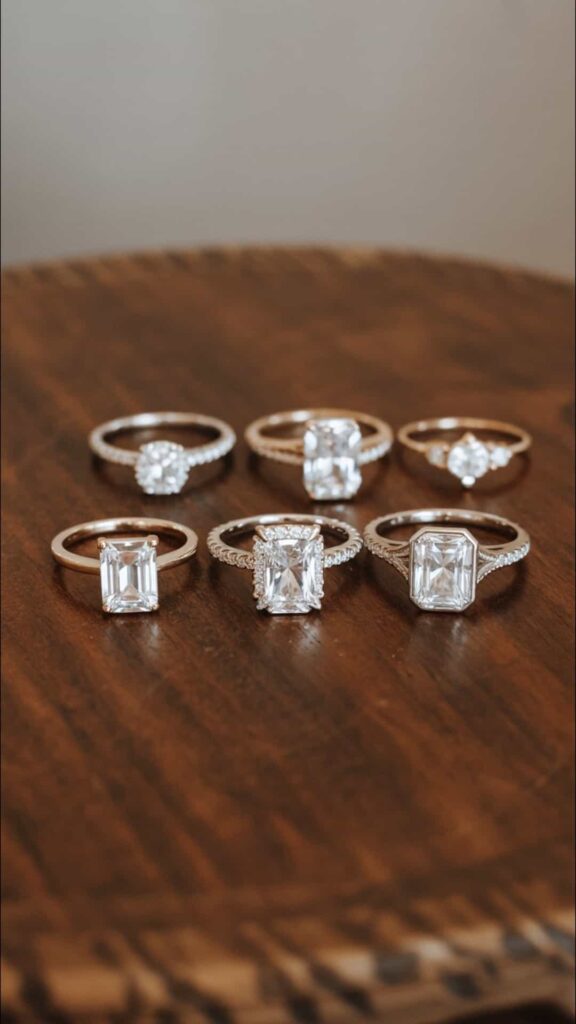
12. Choosing the Wrong Setting for the Stone
Some stones need protective settings because they’re softer or more prone to chipping. Others look their best only when properly elevated by the right type of prongs or halo.
Picking a mismatched setting can shorten the lifespan of the stone or reduce its visual impact.
Speak with a jeweller about what settings work best for the stone you choose. The right pairing makes the ring both safer and more beautiful.
13. Skipping Insurance
Engagement rings are worn daily and carried everywhere, which makes them easy to damage or lose. Yet many couples never think about insurance until something happens.
Replacing a ring out of pocket can be incredibly expensive and stressful.
Add the ring to your home or renters’ insurance, or use a dedicated jewellery insurer. It offers peace of mind from day one.
14. Not Thinking About the Wedding Band
Some engagement rings don’t pair well with wedding bands, which couples only realise months later. Curved or unusually shaped settings may require custom bands that add cost.
Choosing a ring without considering how it will stack can lead to awkward gaps or mismatched metals.
Ask the jeweller to show you how the engagement ring pairs with different bands before you commit.
15. Shopping Without Enough Time
Many people underestimate how long the process takes—especially for custom designs or special orders.
Last-minute shopping can lead to rushed decisions or limited availability.
Start early. Give yourself several weeks or even months if you want something custom or hand-crafted.
16. Not Checking How the Stone Looks in Different Lighting
Jewellery store lighting is designed to make everything sparkle. The ring can look quite different in natural daylight or indoor home lighting.
If you only view the ring under bright showroom lights, you may get home and realise it doesn’t sparkle the way you expected.
Ask the jeweller if you can view the ring near a window or under softer lights. This gives you a more realistic idea of what it will look like day-to-day.
17. Falling for “Bigger Is Better”
A larger stone doesn’t always mean a more beautiful ring. Proportion, cut quality, and setting choice all influence visual impact.
Oversized stones can look out of balance on smaller hands or feel impractical for everyday wear.
Focus on overall harmony. A well-cut, well-set stone of any size can look stunning.
18. Overpaying for Branding
Designer engagement rings can be lovely, but sometimes the biggest part of the price tag is simply the logo.
If the brand isn’t personally meaningful, you may end up paying more for the same quality you could get elsewhere.
Compare craftsmanship and certifications rather than assuming a pricier brand automatically means higher quality.
19. Forgetting Lifestyle Factors
Some rings are gorgeous but not ideal for daily wear. Raised prongs, delicate bands, and intricate pavé settings may be risky for people with hands-on jobs or active hobbies.
A ring should suit the wearer’s everyday reality, not just look perfect in photos.
Choose a design that matches how the person actually lives. There are stunning rings in every style that also hold up well to real life.
20. Not Asking Questions
Many buyers feel pressured or embarrassed to ask questions, especially in high-end jewellery stores. That often leads to confusion later about maintenance, upgrades, or stone specifics.
The more informed you are, the better your experience—and your ring—will be.
Take your time, ask anything you’re unsure about, and don’t leave the store until you feel confident in what you’re purchasing.

We are Mary and Eric, the founders of Be Right Back, a blog dedicated to romance around the globe and at home.
We are Mary and Eric, the founders of Be Right Back, a blog dedicated to romance around the globe and at home. With over 10 years of experience in dating and traveling to romantic places, we share our favorite date ideas and romantic destinations to help couples level up their relationships. Having lived in and traveled through the USA, we also share our favourite things to do in the States.
With 70,000 monthly readers and 16,000 followers on social media, Be Right Back is your go-to resource for romantic trip ideas and couple activities at home and abroad.