

11 Ways Rising Global Tensions Are Affecting Travel Plans in 2026

As the world faces increasing geopolitical tensions, the way we travel is changing significantly. These shifts are especially noticeable in 2026, as travel plans are now more frequently adjusted to prioritize safety and efficiency. From rerouted flights to altered cruise itineraries and increased travel insurance premiums, the global landscape is directly shaping how and where we travel. Here, we explore eleven key ways these global tensions are impacting travel plans, providing a clearer picture for travelers planning their next trip.
1. Rerouted Flights Between Europe and Asia
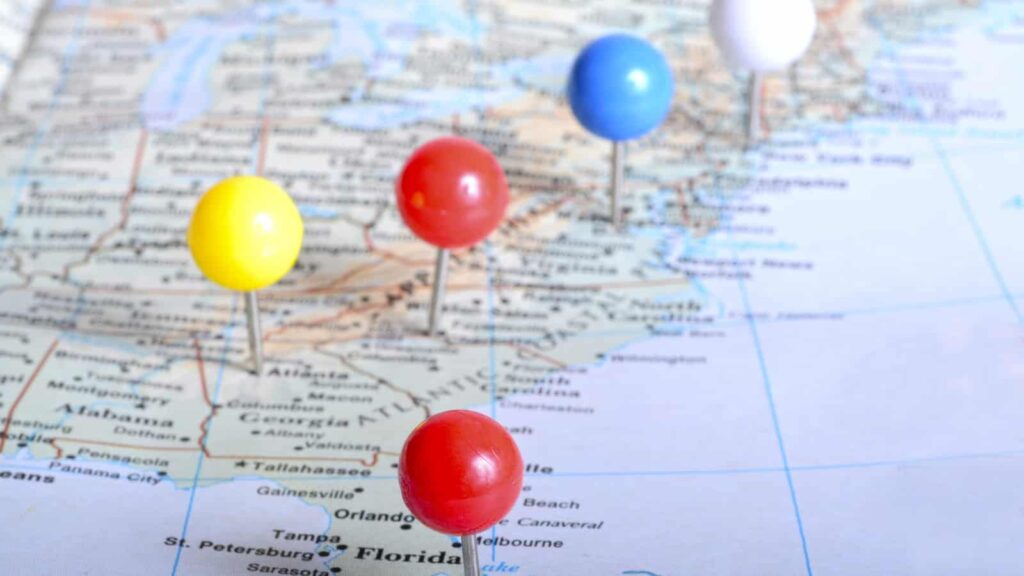
With the airspace over Iran and Iraq now avoided, flights between Europe and Asia are taking detours that add up to an extra 90 minutes of travel time. This change affects both the length of journeys and the fuel consumption, leading to increased operational costs for airlines. Consequently, these costs might trickle down to travelers as higher ticket prices. It’s a significant shift that shows how geopolitical issues can extend their impact from the political arena into everyday life, affecting how we plan our travels and the duration of our flights.
2. Adjusted Airline Routes by British Airways and Lufthansa
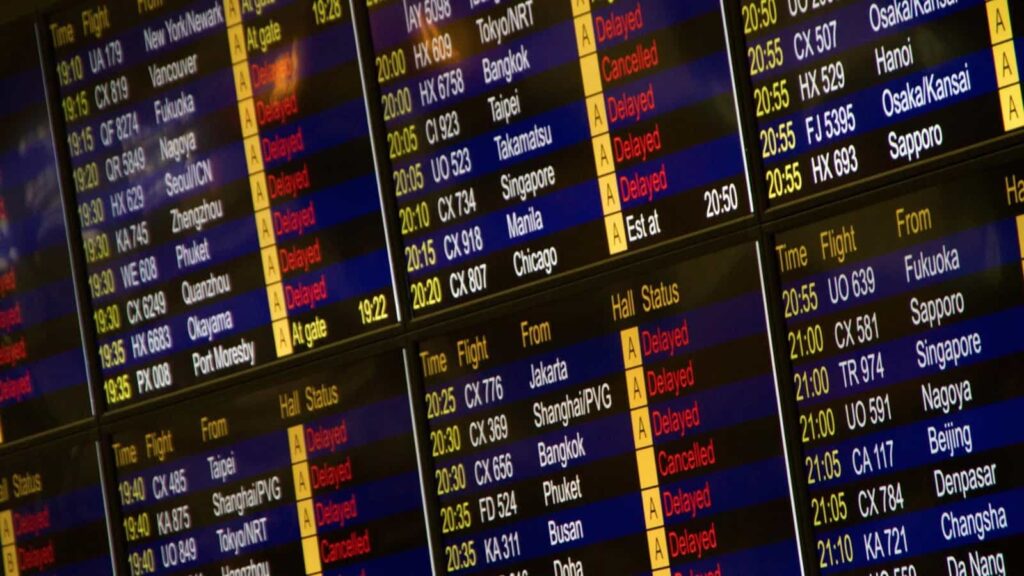
Major airlines like British Airways and Lufthansa are now steering clear of conflict zones in the Middle East. This proactive step ensures passenger safety and avoids potential airspace closures or restrictions. By adjusting their usual routes, these airlines are not just responding to immediate concerns but are also preparing for any sudden geopolitical changes that could disrupt travel. Passengers might notice longer flight times and possibly higher fares due to these detours.
3. Decline in Demand for Some Gulf Stopover Routes
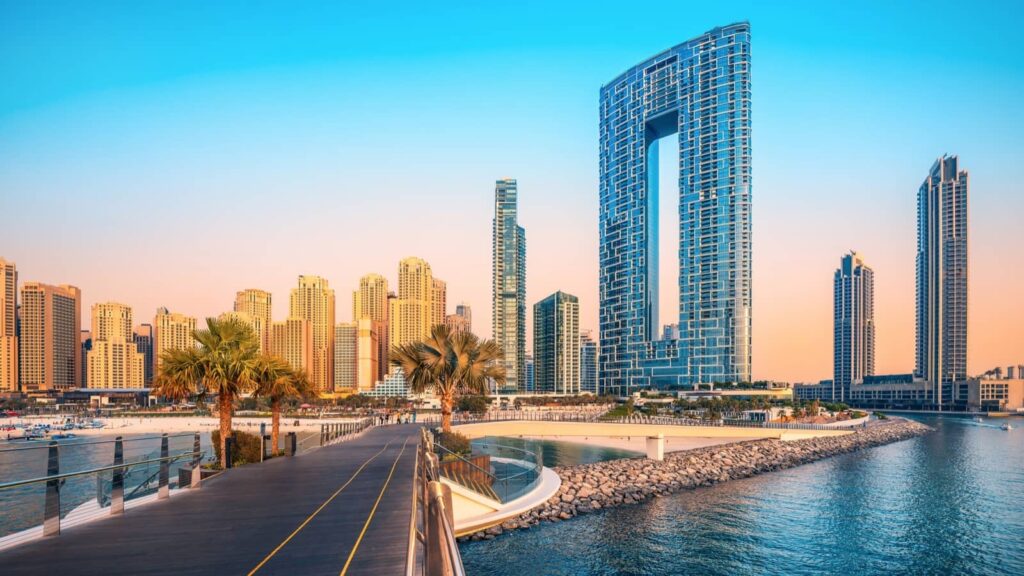
Rising uncertainties in the Gulf region are leading to a noticeable drop in demand for flights that have stopovers in locations like Doha. This shift affects both airlines’ revenue and the strategic positioning of Gulf airports as global hubs. Travelers are now more likely to choose alternative routes that feel safer and more stable, potentially reshaping the usual flow of international air travel and affecting the economies of these stopover destinations.
4. Cruise Line Itinerary Changes in the Eastern Mediterranean

Cruise lines are also feeling the impact of regional tensions, particularly around the Eastern Mediterranean. Many are now bypassing ports in Israel and surrounding areas, choosing instead to visit perceived safer harbors. This not only affects the travel experience but also has economic implications for the skipped ports that often rely on tourism. Travelers keen on visiting these regions might need to look at other travel options or wait for more stable times.
5. Increased Premiums for Travel Insurance

As the risk factors involved in traveling through or to certain regions increase, so do the premiums for travel insurance. Providers are taking into account the higher risks of travel disruptions or safety issues in these areas, which in turn raises the cost for travelers. This increase in insurance costs makes travelers more cautious and could influence their destination choices, prioritizing places with lower perceived risks.
6. More Frequent Updates on UK Foreign Office Travel Advice

The UK Foreign Office is updating its travel advice more often in response to these fast-changing global conditions. This has a direct impact on travelers’ decisions, as many rely on this guidance to plan safe routes and destinations. The increased frequency of updates reflects the unpredictable nature of current global relations and emphasizes the need for travelers to stay informed and adaptable.
7. Reduced Flight Frequencies to Tel Aviv

Due to increased safety concerns, airlines are cutting down on the number of flights to and from Tel Aviv. This reduction not only affects travel convenience but also highlights the broader impact of regional tensions on international travel. Travelers planning to visit or depart from Tel Aviv will need to be more flexible with their schedules and possibly face higher costs due to reduced availability.
8. More Flexible Rebooking Options from Tour Operators

Understanding the need for flexibility in these uncertain times, tour operators are now offering more lenient rebooking options. This flexibility allows travelers to adjust their plans without facing hefty penalties, providing some peace of mind in an otherwise uncertain global scenario. It’s a thoughtful approach that helps maintain customer trust and satisfaction during challenging times.
9. Extra Fuel Costs for Long-Haul Flights

Some long-haul flights now carry additional fuel to account for possible reroutes around troubled areas, leading to higher operational costs. These extra costs are likely to be passed on to travelers through increased ticket prices, affecting the overall affordability of international travel. It’s another layer of complexity added to planning and budgeting for trips in the current global climate.
10. Shift Toward ‘Safe’ European Destinations

With ongoing concerns about safety in certain parts of the world, travelers are increasingly opting for destinations within Europe, perceived as safer alternatives. This trend is reshaping travel patterns, potentially boosting tourism in these ‘safe’ areas while decreasing it in regions associated with higher risks. It reflects a broader caution in travel behavior, prioritizing safety over adventure or exoticism.
11. Shorter Booking Windows

Uncertain global situations are leading travelers to wait longer before confirming their plans, resulting in shorter booking windows. This trend challenges airlines and hotels to adapt to more last-minute bookings, potentially affecting prices and availability. It underscores the broader impact of global instability on travel planning, pushing the industry towards more dynamic and responsive operational models.

We are Mary and Eric, the founders of Be Right Back, a blog dedicated to romance around the globe and at home.
We are Mary and Eric, the founders of Be Right Back, a blog dedicated to romance around the globe and at home. With over 10 years of experience in dating and traveling to romantic places, we share our favorite date ideas and romantic destinations to help couples level up their relationships. Having lived in and traveled through the USA, we also share our favourite things to do in the States.
With 70,000 monthly readers and 16,000 followers on social media, Be Right Back is your go-to resource for romantic trip ideas and couple activities at home and abroad.