

10 New UK Travel Rules in 2026 That Are Catching People Off Guard

Travel rules are changing in the UK, and here’s what you need to know if you’re planning to visit or move around in 2026. These new regulations might surprise you, so it’s best to get familiar with them now. Whether it’s about taking your pets across borders or how you prepare for a flight, staying informed will help make your travels smoother and hassle-free. Let’s break down these new rules one by one.
1. Pet passports no longer accepted for EU entry from Great Britain
If you’re used to traveling with your pet using a pet passport, things have changed. From 2026, the EU will no longer accept pet passports issued by Great Britain. This means you’ll need to prepare a bit more before you travel. Instead of the pet passport, you will have to obtain an Animal Health Certificate (AHC) for each trip to the EU. This new rule aims to maintain high health standards for animals moving across borders. It’s a good idea to contact your vet well in advance to get all the necessary paperwork sorted.
2. Animal Health Certificates required for every EU trip with pets

Following the new rule about pet passports, every time you want to take your pet to the EU, you’ll need an Animal Health Certificate. Each trip means a new certificate. The certificate confirms that your pet is healthy and meets the EU’s entry requirements. This can seem a bit tedious, but it’s all about keeping disease outbreaks at bay and ensuring that all animals traveling are protected. Make sure to schedule a visit to your vet to get this certificate before every trip.
3. Stricter passport validity checks at airports
When flying out in 2026, expect tighter checks on the validity of your passport at UK airports. Passports will need to have enough validity left on them—not just for the duration of your stay but also, in many cases, for several months beyond your return date. This change is to avoid issues where travelers might find themselves stuck abroad with an expired passport. Check your passport’s expiration date before you book your travel and renew it early if needed.
4. More detailed security screening at major UK airports

Security is getting tighter at major UK airports in 2026. Prepare for more thorough checks when you go through security. This means you might need to allow extra time for screening processes. The aim here is to enhance safety for everyone. You’ll see more detailed scans and possibly new technologies being used to check baggage and personal items. While it might add some time to your boarding process, it helps ensure everyone’s safety.
5. Increased checks on liquids and electronics in hand luggage
Another change at the airport is how liquids and electronics in hand luggage are inspected. The rules on what you can carry and how it needs to be presented at security checks are more strict. You’ll need to be extra careful about how you pack your electronics and liquids. Make sure to follow the latest guidelines on packaging and sizes of liquids to avoid any delays during security checks.
6. Airline baggage rules becoming more restrictive on budget carriers

Budget airlines are tightening up their baggage rules. In 2026, you might find lower limits on weight and stricter enforcement of baggage size. This can affect how much you can bring on your travels without incurring extra charges. It’s a good idea to check the baggage policies of the airline you’re flying with before packing. Packing light and smart can save you both time and money.
7. Boarding gate closing times being enforced more strictly
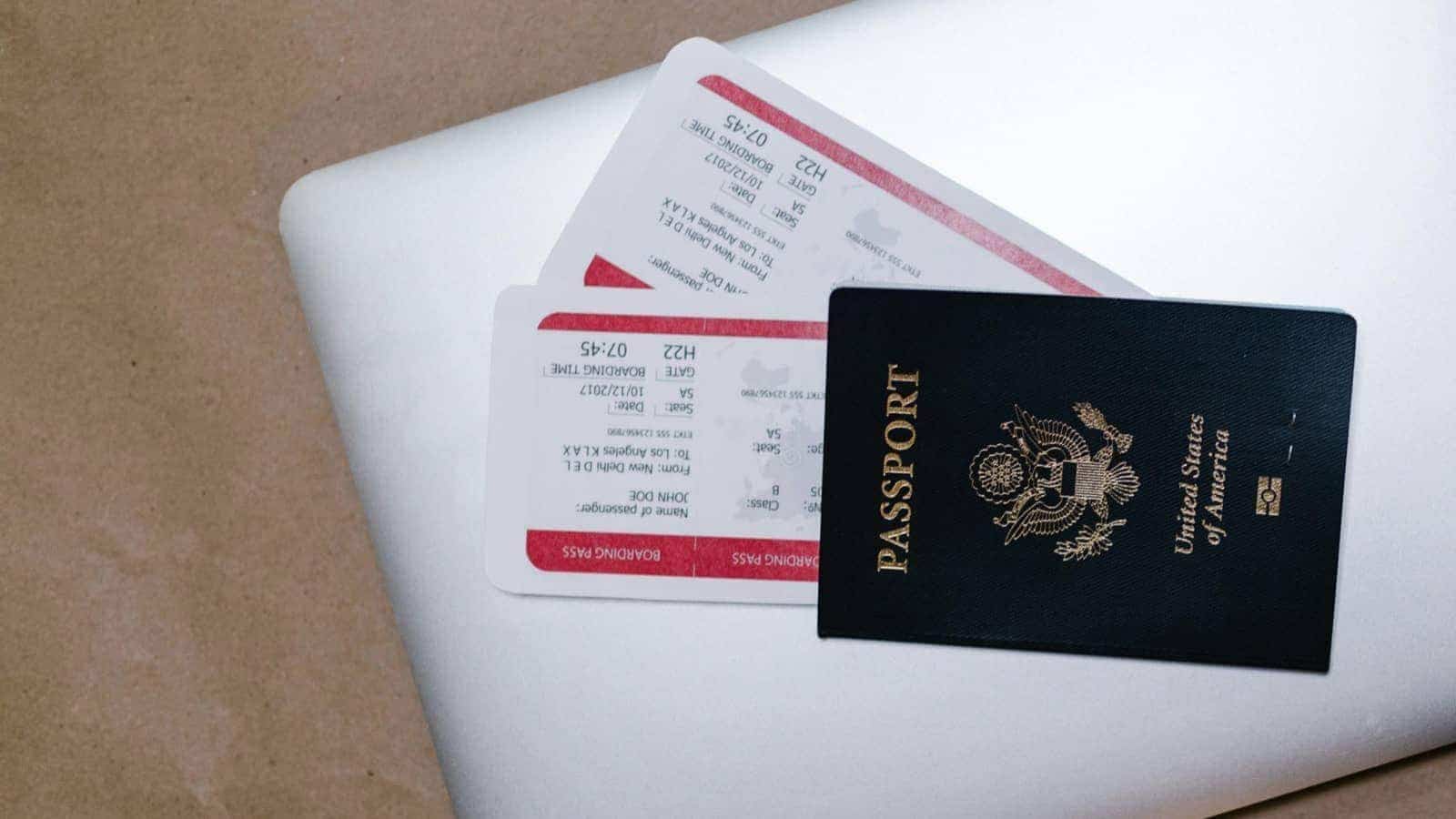
Make sure you’re not late to your gate! In 2026, UK airports are enforcing boarding gate closing times more strictly. Gates might close earlier than you’re used to, and if you’re late, you might not be able to board your flight. This rule helps keep flights on schedule and reduces delays. Always aim to be at your gate well before the closing time, especially if you’re traveling from a large airport where it might take time to get to your gate.
8. More ID checks on domestic UK flights

Even when flying within the UK, you’ll encounter more frequent ID checks in 2026. This means you should always have your ID handy, not just for international flights but also for domestic ones. The increased ID checks help improve security and ensure that only ticketed passengers are boarding the aircraft. Keep your ID in an accessible place and ready to show when required.
9. Higher penalties for incorrect travel documents

There’s a new emphasis on having the correct travel documents. If there’s an issue, such as missing or incorrect documents, you might face higher penalties starting in 2026. This could mean fines or even being denied entry or exit. Double-check that all your travel documents are in order, including visas, permits, and passports, before you head to the airport.
10. More advance booking requirements for popular routes
Last-minute trips might be harder to come by in 2026, especially on popular routes. Airlines and travel providers may require more advance bookings. This change helps manage the number of passengers and improve service quality. If you know your travel dates, it’s wise to book as early as possible to secure your seat and potentially get better rates.

We are Mary and Eric, the founders of Be Right Back, a blog dedicated to romance around the globe and at home.
We are Mary and Eric, the founders of Be Right Back, a blog dedicated to romance around the globe and at home. With over 10 years of experience in dating and traveling to romantic places, we share our favorite date ideas and romantic destinations to help couples level up their relationships. Having lived in and traveled through the USA, we also share our favourite things to do in the States.
With 70,000 monthly readers and 16,000 followers on social media, Be Right Back is your go-to resource for romantic trip ideas and couple activities at home and abroad.