

10 Things That Feel Noticeably Different About Paying for Things in the UK in 2026

Paying for things in the UK has changed quite a bit by 2026. From how we get discounts to the way receipts are handled, everything feels a bit different. Let’s look at 10 things that stand out when you’re shopping or settling a bill, showing just how these everyday actions have shifted.
1. Loyalty pricing making everyday items cheaper only with a membership card
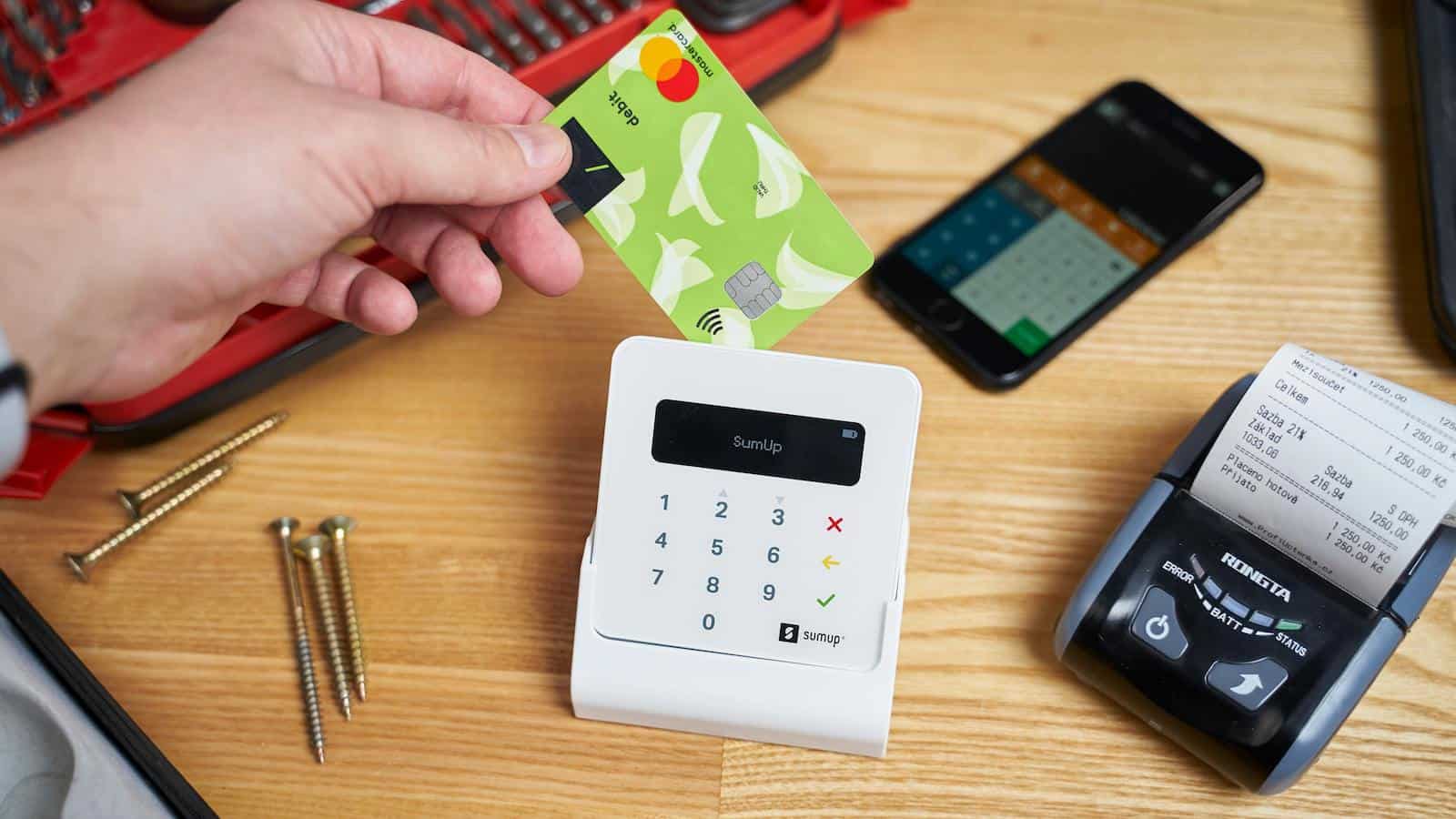
Nowadays, getting the best price on everyday items often means you need a membership card. Supermarkets and stores have these cards that you sign up for, and when you use them, you can save some money on your shopping. It’s a handy way to make sure you’re not paying more than you need to. However, it does mean you have to remember to carry your card with you and it’s another sign-up to think about. People seem okay with this trade-off because saving money is always good, but it does make shopping a bit more of a process than just picking items off the shelf.
2. Contactless payments used for almost every purchase, even under £1
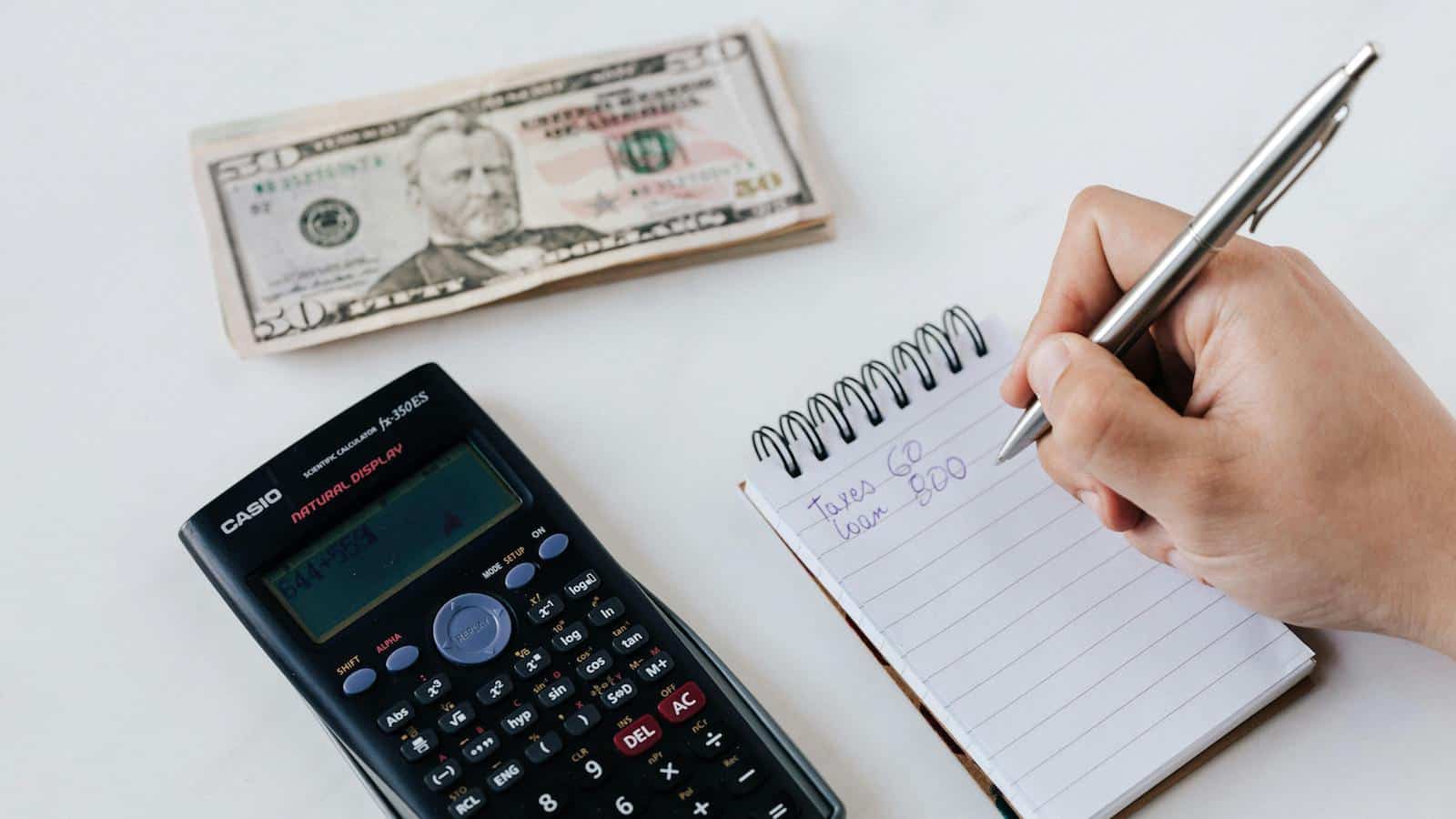
Contactless payments are everywhere in 2026. Whether it’s a morning coffee or a newspaper, you’re likely tapping your card or phone to make a quick payment. It’s super convenient and makes transactions smoother and faster. You don’t have to fumble for coins or wait for change. However, it also means you need to keep a close eye on your spending, as it’s easier to lose track when you’re just tapping away.
3. More “service” or “handling” fees added at checkout
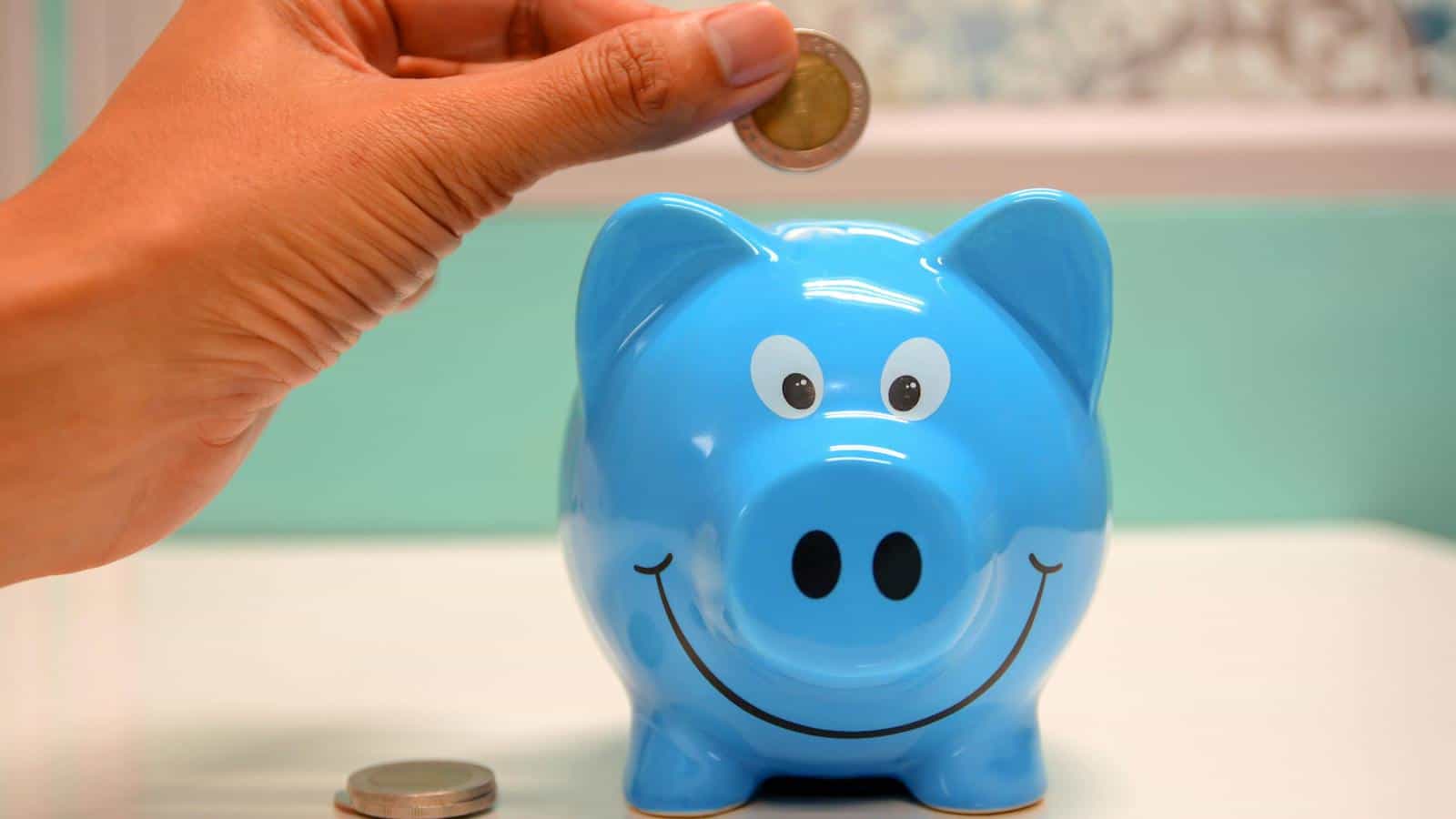
Checking out can sometimes bring a little sticker shock when additional “service” or “handling” fees are added to your bill. These fees are becoming more common, whether you’re buying tickets online or just picking up some groceries. The reasoning behind these fees can be vague, which adds to the frustration. It makes it harder to know how much you’re really paying upfront, which isn’t great when you’re trying to stick to a budget.
4. Subscription payments increasing quietly month to month
Subscriptions are handy for managing expenses and getting regular services or products. But, keep an eye on them; they tend to creep up in cost without much notice. It might just be a small increase every month, but over time it adds up. It’s something you’ve got to watch out for if you don’t want to end up paying way more than you originally signed up for.
5. Fewer visible discounts unless you actively search for them

Gone are the days of big, bold sale signs. In 2026, if you want to find a discount, you’ll likely need to hunt for it. This might mean checking online, using apps, or signing up for newsletters. Stores seem to like making us work a bit harder to find the best deals. It adds an extra step to shopping, but finding a good deal can still make it worth the effort.
6. Price differences between in-store and online purchases

Shopping online versus in-store can offer different experiences, and now, different prices too. You might find that some items are cheaper online or vice versa. It pays to shop around and check both. This price variation can be a bit of a hassle if you’re trying to figure out the best place to buy what you need.
7. More apps required just to access basic deals

If you’re looking to save some money, you’ll probably need to use specific apps. Many stores and brands have their own apps that give you access to discounts and special offers. It’s another thing to manage and keep updated on your phone, but it can lead to some good savings if you’re willing to juggle a few apps.
8. Digital receipts replacing paper almost entirely
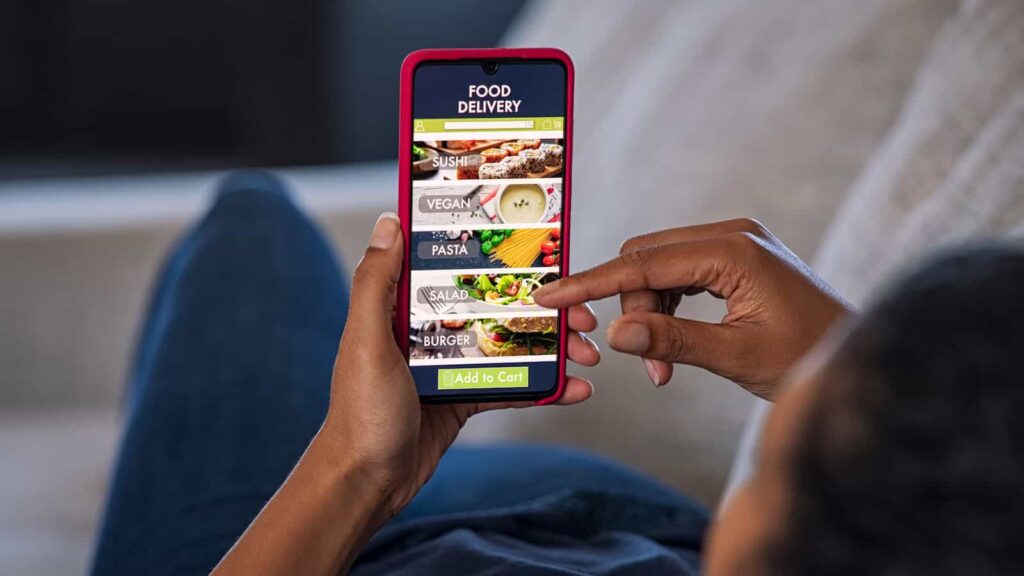
Paper receipts are almost a thing of the past in 2026. Now, you’ll get your receipt emailed to you or available through an app. It’s great for reducing paper waste and keeping your wallet less cluttered. However, it does mean you need to be more diligent about checking your digital receipts to keep track of your spending and returns.
9. Small, frequent price increases instead of big jumps

Prices seem to be always creeping up. Instead of big price hikes, you might notice small increases more frequently. This can make it trickier to notice until you look back at what you used to pay. It’s a subtle change that requires you to stay alert to how much things are costing you over time.
10. Paying more attention to every transaction than before
In 2026, with all these small changes to how we pay and how prices are presented, you end up paying more attention to every transaction. It’s about being more aware and proactive in managing your money, checking receipts, monitoring subscription increases, and being on the lookout for added fees. It’s a bit more work, but it helps in keeping your finances in check.

We are Mary and Eric, the founders of Be Right Back, a blog dedicated to romance around the globe and at home.
We are Mary and Eric, the founders of Be Right Back, a blog dedicated to romance around the globe and at home. With over 10 years of experience in dating and traveling to romantic places, we share our favorite date ideas and romantic destinations to help couples level up their relationships. Having lived in and traveled through the USA, we also share our favourite things to do in the States.
With 70,000 monthly readers and 16,000 followers on social media, Be Right Back is your go-to resource for romantic trip ideas and couple activities at home and abroad.