

10 Ways Work Culture Feels Different in the UK vs the USA in 2026

Exploring how work culture has shifted in the UK and the USA by 2026 shows some distinct differences. From holiday practices to the daily grind, each country has its unique approach. Let’s take a closer look at these differences and how they affect the way folks work on both sides of the pond.
1. UK workers generally taking more annual leave

In the UK, taking more time off is a big part of the work culture. Workers here generally enjoy a good amount of annual leave. This means they have plenty of time to rest, recharge, and spend time with loved ones. This practice not only helps in keeping everyone fresh and ready to tackle their jobs but also supports a healthier work-life balance. It’s pretty clear that when people get to step away from work, they can come back with more energy and maybe even new ideas.
2. US workers more likely to stay connected after hours

In the USA, the scene is a bit different. Workers often find themselves connected to their jobs even after office hours. Whether it’s checking emails or finishing up projects, the work doesn’t always end when the clock hits five. This can be great for keeping on top of things but it also blurs the lines between personal time and work time. It shows a work culture that’s always buzzing, even at home.
3. UK workdays feeling more structured
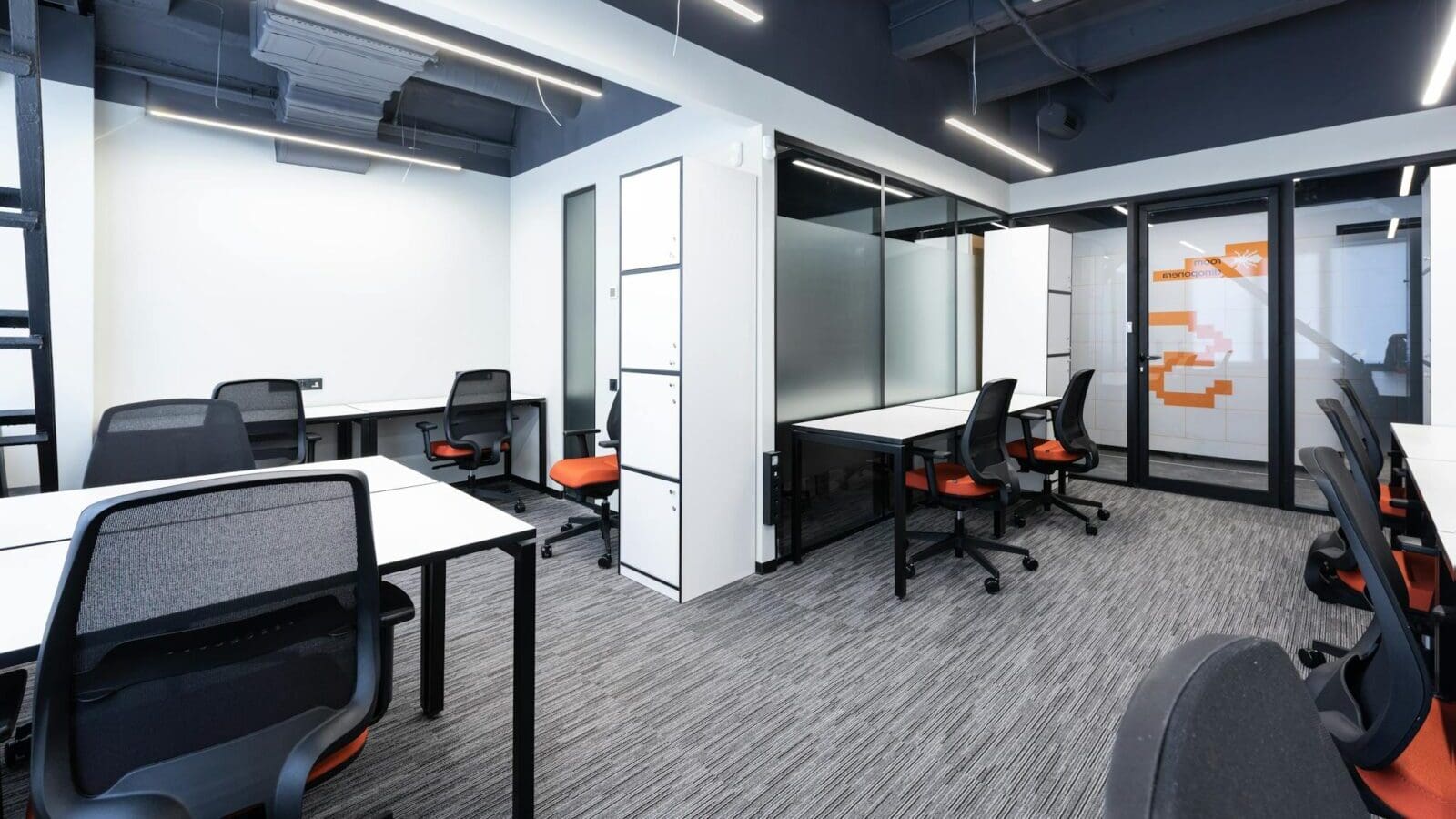
Over in the UK, workdays tend to have a more structured vibe. People generally know their schedules and what’s expected each day, which helps in managing time and workload effectively. This structure helps in minimizing stress and keeps the workday predictable and smooth. This approach not only helps workers manage their duties better but also supports a calmer work environment.
4. US work culture often more performance-driven

The work culture in the USA is often driven by performance. This means that results and achievements are highly valued. Workers strive to meet or exceed their targets, which can push innovation and drive. However, it also creates a highly competitive environment, where everyone is trying to be at the top of their game all the time. This can be motivating for some, but stressful for others.
5. UK hybrid work stabilising in many sectors

Many sectors in the UK have found a stable way to implement hybrid work models. This means workers split their time between working from home and coming into the office. This model has helped many enjoy the best of both worlds: flexibility from home working and collaboration opportunities at the office. It’s a balanced approach that seems to work well for many companies and their employees.
6. US return-to-office policies varying widely

In the USA, there’s a wide variety in return-to-office policies. Some companies are bringing everyone back full-time, while others continue to offer flexible arrangements. This variation shows that there’s no one-size-fits-all solution, and companies are trying to find what works best for them and their workforce. This flexibility can be great, but it also means that experiences can be quite different from one place to another.
7. UK workplaces maintaining clearer boundaries

UK workplaces are pretty good at maintaining clear boundaries between work and personal life. This means there are well-established norms and expectations about when work ends, which helps employees relax and unwind without work creeping into their personal time. This clear distinction is appreciated by many and helps in maintaining a healthier work-life balance.
8. US workplaces often expecting faster response times

In the US, the expectation to respond quickly to work communications is quite common. Whether it’s emails, texts, or phone calls, the pace is fast, and responses are expected sooner rather than later. This can keep things moving quickly but can also add to the pressure of the workday, making it a high-energy environment that’s always on.
9. UK work pace feeling more moderate

The pace of work in the UK tends to be more moderate. It’s steady and manageable, which allows workers to handle their tasks without feeling too rushed. This pace helps in reducing stress and makes it easier to maintain focus on the task at hand.
10. US work pace often more intense

The work pace in the USA is often described as intense. With a strong emphasis on performance and results, workers are frequently pushing to meet high expectations. This intensity can drive great achievements but also requires a lot of energy and commitment. It’s a dynamic environment that keeps you on your toes.

We are Mary and Eric, the founders of Be Right Back, a blog dedicated to romance around the globe and at home.
We are Mary and Eric, the founders of Be Right Back, a blog dedicated to romance around the globe and at home. With over 10 years of experience in dating and traveling to romantic places, we share our favorite date ideas and romantic destinations to help couples level up their relationships. Having lived in and traveled through the USA, we also share our favourite things to do in the States.
With 70,000 monthly readers and 16,000 followers on social media, Be Right Back is your go-to resource for romantic trip ideas and couple activities at home and abroad.