

10 Ways “Being Busy” Feels Different in the UK vs the USA

Let’s chat about how being busy feels different depending on where you are: the UK or the USA. It’s pretty interesting to see how people in these two places talk about their busy lives and handle their daily schedules. From how often they mention being busy to the pace at which they move through their days, there are some noticeable differences. So, let’s take a closer look at what makes the experience of being busy so unique in each country.
1. UK busyness often being implied rather than stated

In the UK, people tend to not make a big show of how busy they are. It’s almost like there’s an unspoken rule that everyone is expected to be busy but not make a fuss about it. This approach often leads to busyness being implied in conversations. For instance, you might hear someone from the UK casually mention they need to run some errands or have a few meetings, without stressing how packed their schedule is. This subtlety can make their busyness seem more like a normal part of life rather than something to broadcast.
2. US busyness being openly discussed

In contrast, in the USA, people are more upfront about their busy schedules. It’s common to hear someone in the US discussing how packed their day is with meetings, projects, and other commitments. This openness about being busy is often seen as a badge of honor; the busier you are, the more it feels like you’re achieving. Americans tend not to shy away from detailing exactly how much they have on their plate, which can make their busyness seem more intense and demanding.
3. UK people downplaying how busy they are
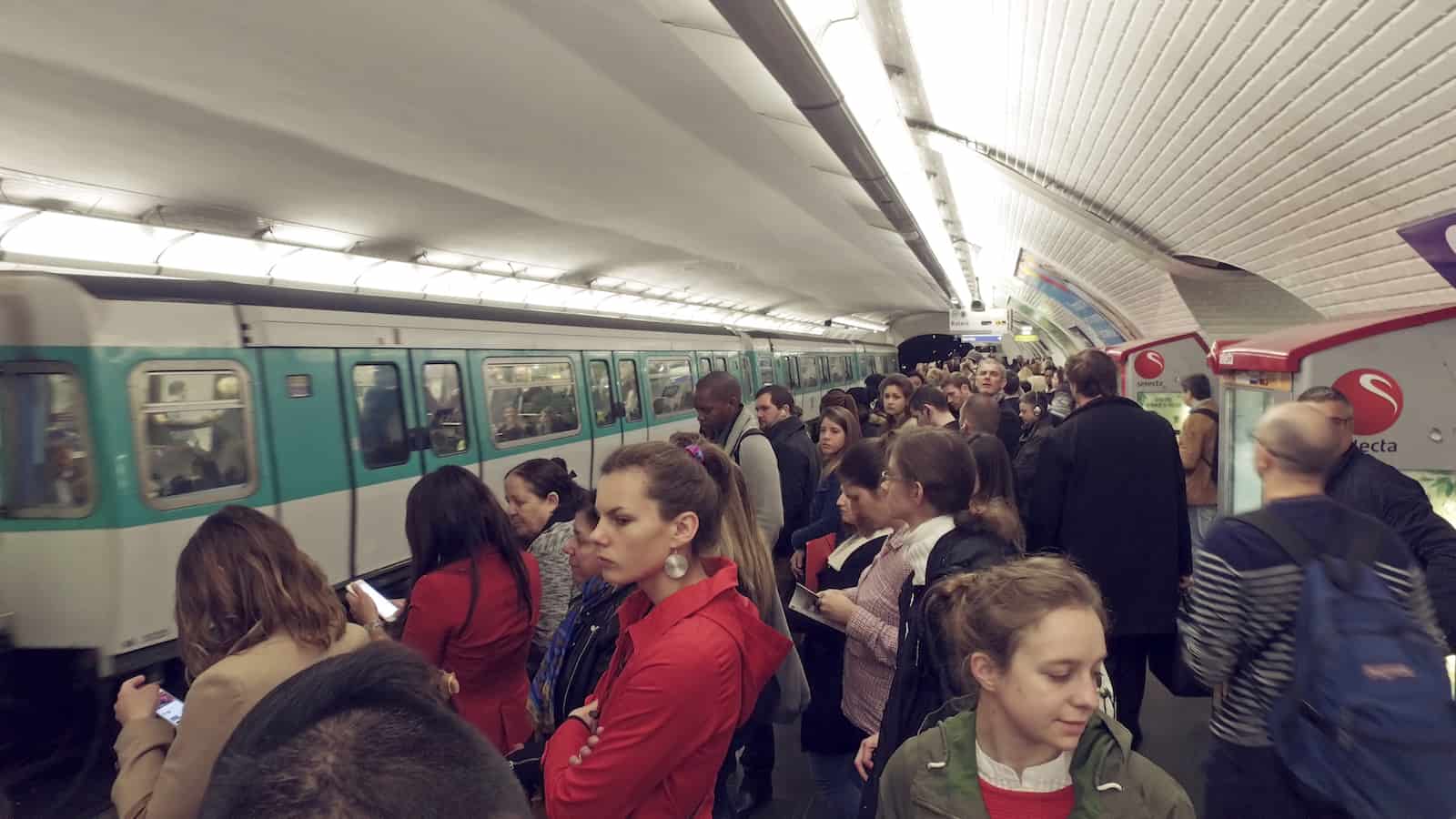
It’s typical for folks in the UK to downplay their busyness. Even if they have a lot going on, they might play it cool and act as if it’s all in a day’s work. This behavior stems partly from a cultural tendency to not boast about personal achievements, including how much one can handle at a time. By downplaying their busyness, Brits maintain a sort of humble bragging, subtly letting others know they’re capable without sounding too proud.
4. US people highlighting packed schedules

On the flip side, in the US, it’s quite the norm to highlight how full your schedule is. Americans often talk about their day’s activities with a focus on how they managed to squeeze so many tasks into their time. Discussing a packed schedule not only serves to inform but also to illustrate a person’s hardworking nature and their ability to juggle multiple responsibilities effectively. This can be motivating to some, as it sets a bar for what is achievable in a day.
5. UK busyness feeling more routine-based

In the UK, busyness often feels more like part of a routine. People tend to have a regular schedule that they stick to, which might include work, family time, and perhaps a few weekly activities like a sport or hobby. This routine-based approach helps in managing one’s time effectively, making busyness feel more controlled and less chaotic. It reflects a preference for stability and predictiveness in daily life, which can reduce stress and make busy periods more manageable.
6. US busyness feeling more intense

In the US, busyness often feels a lot more intense. People might have their basic daily routine, but there are usually a lot of additional activities, unexpected tasks, and last-minute commitments thrown into the mix. This can make everyday busyness feel overwhelming and unpredictable. The intensity of American busyness is not just about volume but also the pace at which people move from one task to another, often hustling to meet deadlines and maximize their day.
7. UK schedules appearing more controlled

When you look at how people in the UK manage their time, their schedules usually appear more controlled. There’s often a clear structure to their day, with set times for work and leisure. This doesn’t mean that they aren’t busy; rather, they manage their commitments in such a way that there’s a noticeable balance. This control possibly comes from a cultural appreciation for a well-ordered lifestyle, which prioritizes not only work but also quality of life.
8. US schedules appearing more overloaded

Conversely, in the USA, schedules often seem overloaded. It’s not uncommon to hear someone talk about back-to-back meetings, multitasking several projects at once, or having to work late to fit everything in. This kind of schedule can make life feel hectic and can sometimes lead to burnout. However, it also highlights a dynamic environment where a high value is placed on productivity and results, driving people to push their limits.
9. UK pace feeling steady

The overall pace of life in the UK can feel quite steady. Even during busy times, there’s usually a consistent rhythm to how people go about their tasks. This steadiness provides a sense of continuity and reliability, which can be comforting. It allows for planning and predictability, which are valued in British culture, helping people to cope better with the demands of daily life.
10. US pace feeling faster

In the USA, the pace of life often feels faster. There’s a palpable rush to get things done, which can be exhilarating but also exhausting. This faster pace is fueled by a cultural emphasis on efficiency and achievement. It’s all about how much you can do and how quickly you can do it, which can spur innovation and high levels of productivity, but it also means that life sometimes feels like a never-ending race.

We are Mary and Eric, the founders of Be Right Back, a blog dedicated to romance around the globe and at home.
We are Mary and Eric, the founders of Be Right Back, a blog dedicated to romance around the globe and at home. With over 10 years of experience in dating and traveling to romantic places, we share our favorite date ideas and romantic destinations to help couples level up their relationships. Having lived in and traveled through the USA, we also share our favourite things to do in the States.
With 70,000 monthly readers and 16,000 followers on social media, Be Right Back is your go-to resource for romantic trip ideas and couple activities at home and abroad.