

12 Ways the Average UK Commute Is Different From the Average US Commute

Ever wondered how getting to work in the UK compares to the US? Let’s break down the main differences. In the UK, folks tend to rely more on trains and bikes, and they generally have shorter and less car-dependent commutes. From more public transport options to fewer highway routes, let’s explore what makes commuting in these two places distinct from each other.
1. More train travel

In the UK, trains are a big deal when it comes to commuting. Unlike many parts of the US, where cars reign supreme, a lot of people in the UK catch a train to work. This helps because trains can dodge a lot of the traffic you’d hit if you were driving. Plus, train networks in the UK are extensive, especially in and out of big cities, making them a convenient option for many workers.
2. Less driving

Since there are so many other ways to get around, driving isn’t as common for commuting in the UK as it is in the US. Sure, plenty of people still drive, but there’s often a handy bus, train, or bike route as an alternative. This means less time stuck behind the wheel for a lot of British commuters.
3. Shorter distances

UK cities and towns are generally closer together and more compact than in the US. This means the distance from home to work isn’t usually that far. A shorter commute is always nice because it means you get more time for yourself, either to sleep a bit more in the morning or to unwind after work.
4. More walking involved

Walking is a much more common part of commuting in the UK. With most towns and cities built with pedestrians in mind, it’s often just as quick to walk part or all of your commute as it is to drive or take public transport. Plus, it’s a great way to fit some exercise into your day!
5. More public transport options
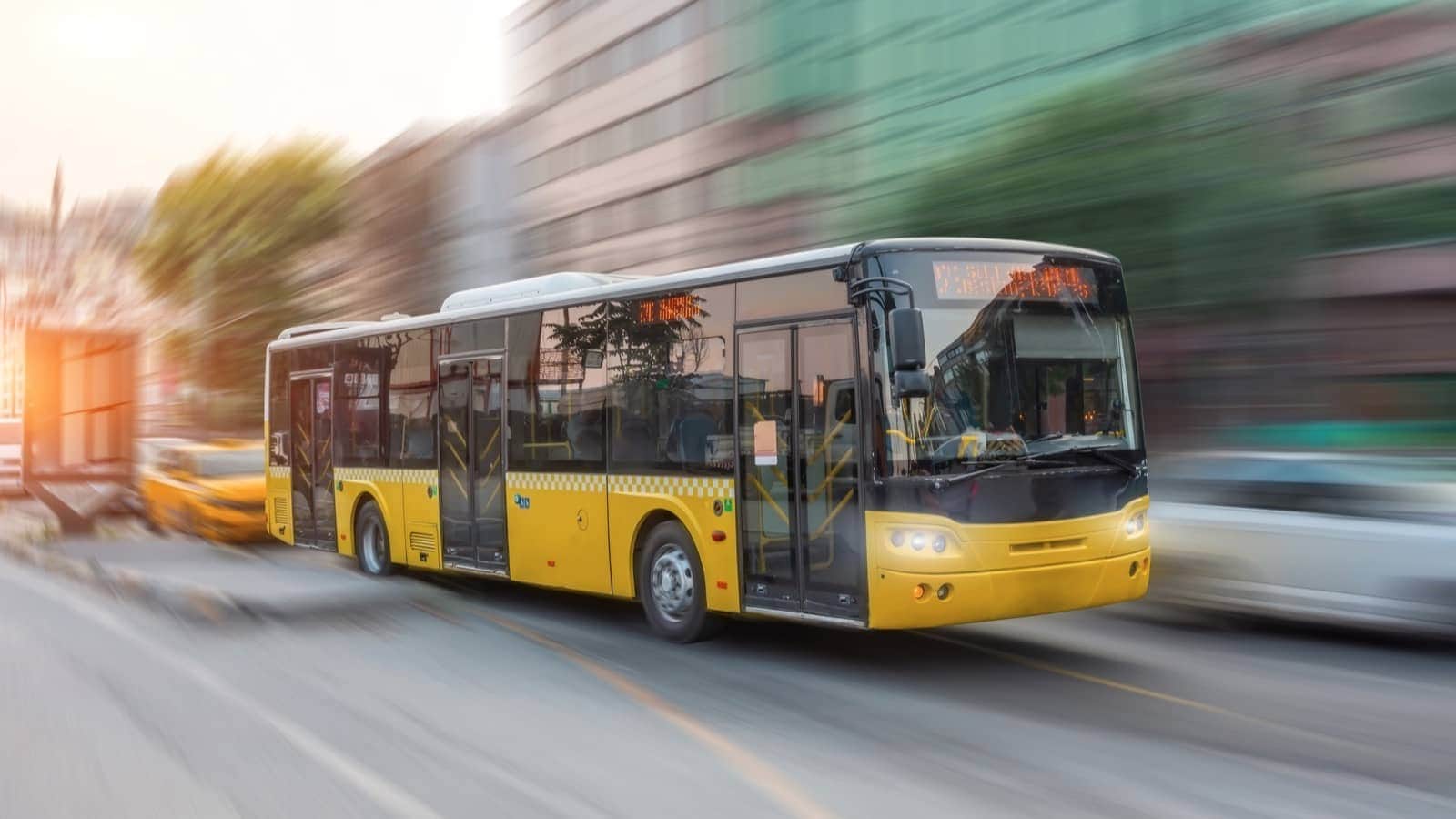
The UK offers a variety of public transport options. Whether it’s buses, trains, or trams, there are usually several choices depending on where you live. This flexibility helps reduce car use and makes commuting easier for everyone.
6. Less parking stress

With more people using public transport and less emphasis on driving, finding a parking spot is often not as big of a headache in the UK as it can be in the US. Fewer people fighting over the same spots makes life a bit easier.
7. More city-centre jobs

A lot of the jobs in the UK are located right in the city centres. This is handy because public transport networks are usually designed to get a lot of people into and out of these areas efficiently. It’s convenient and saves a ton of time.
8. Fewer interstate journeys

In the UK, commuting usually doesn’t involve crossing state lines, unlike in the US where interstate commutes can be a daily ordeal. Fewer long-distance commutes mean less stress and less time on the road.
9. Smaller vehicles

With narrower streets and smaller parking spaces, cars in the UK tend to be smaller than those in the US. This makes them easier to maneuver and park in tight spots, perfect for city commuting.
10. More cycling options

Cycling is a popular alternative to motorized transport in the UK. Many cities have dedicated bike lanes and even bike-sharing schemes to make cycling a convenient option for commuters.
11. More mixed commuting methods
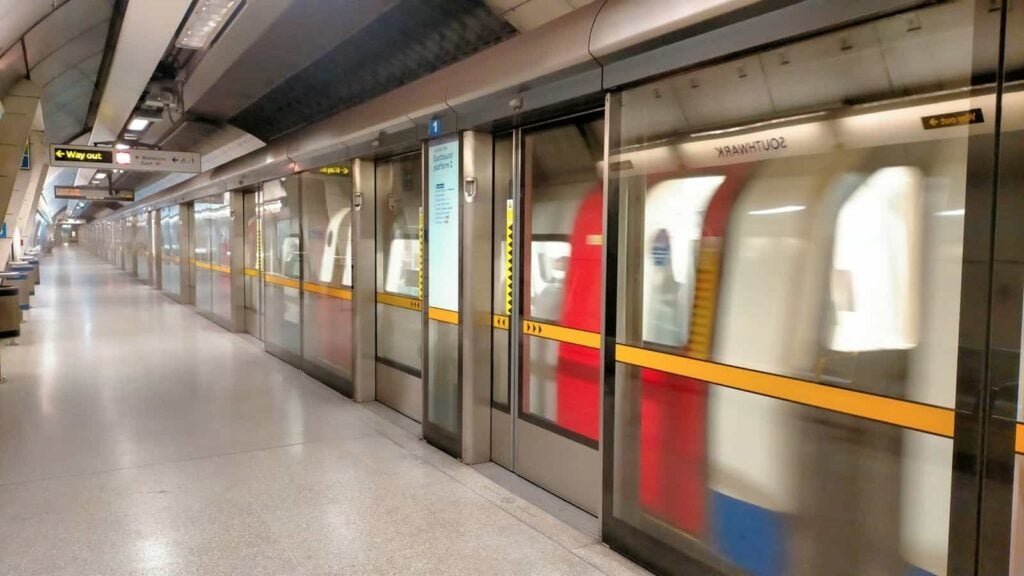
It’s common in the UK to use more than one type of transport to get to work. You might walk to a train station, take the train, then cycle from the station to the office. This mix matches different needs and situations, making commuting flexible.
12. Less dependence on highways

Finally, commuting in the UK often involves fewer highway miles. With effective public transport networks and less sprawl, many people can get to work without ever getting on a major highway, avoiding traffic jams and making commuting smoother.

We are Mary and Eric, the founders of Be Right Back, a blog dedicated to romance around the globe and at home.
We are Mary and Eric, the founders of Be Right Back, a blog dedicated to romance around the globe and at home. With over 10 years of experience in dating and traveling to romantic places, we share our favorite date ideas and romantic destinations to help couples level up their relationships. Having lived in and traveled through the USA, we also share our favourite things to do in the States.
With 70,000 monthly readers and 16,000 followers on social media, Be Right Back is your go-to resource for romantic trip ideas and couple activities at home and abroad.