

12 Ways Buying Your First Home Is Different in Britain and America

Thinking about buying your first home but puzzled by how it’s different in Britain compared to America? You’re not alone! There are quite a few distinctions that can make the process seem like navigating a maze. From the size of the deposit to the way properties are sold, let’s walk through the key differences that might surprise you when buying your first home across the pond.
1. Deposit Expectations

In the UK, buyers usually need a minimum deposit of 5% to 15% of the home’s price, but this can go higher in competitive markets like London. In the US, it’s common to hear about the 20% down payment ideal, but lower options from 3% to 5% are available, especially for first-time homebuyers. This difference in upfront cash can significantly influence your budget and saving strategy when planning to buy your first home.
2. Home Sizes

Generally, homes in the US are larger compared to those in Britain. The average American home might provide you with more space, often including multiple bathrooms and a larger kitchen. In contrast, British homes tend to be smaller with a more compact and efficient layout. This difference can be a big deal if you’re looking for space to grow or simply prefer a cozier living environment.
3. Property Chains vs Escrow

In Britain, buying a home often involves a ‘property chain’, which means your ability to buy a home can depend on the person you’re buying from securing their next home, and so on. This can complicate and delay the process. In the US, the escrow system helps mitigate these risks by having a third party manage the exchange which generally keeps things moving a bit smoother.
4. Closing Timelines

Expect closing on a house in the UK to take longer, sometimes up to 12 weeks or more. In the US, the process is typically quicker, often wrapping up within 30 to 45 days. This speed in the US is helped by the more straightforward escrow system, which is designed to smooth out and speed up the transaction.
5. New-build Availability
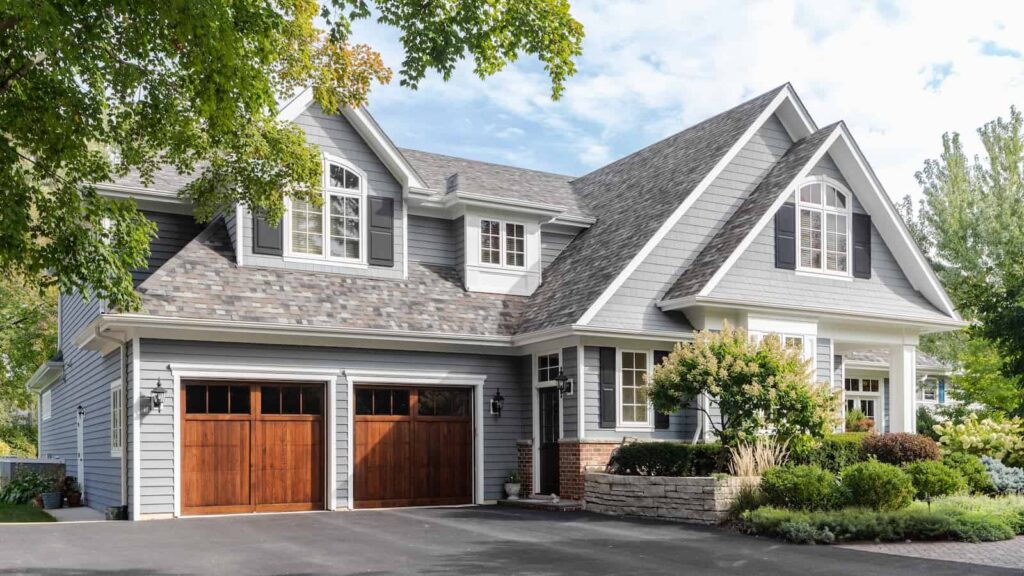
New-build homes are more commonly available in the US, and buyers often have the option to customize many aspects of their new home before it’s even built. In Britain, while new builds are available, there’s generally less opportunity to customize the home prior to purchase, and they make up a smaller portion of the market.
6. Mortgage Terms

US mortgages typically come with 15 to 30-year terms with a fixed interest rate, meaning your monthly payments are predictable over the life of the loan. In Britain, it’s common to have shorter mortgage terms and variable rates, which means your payments could change based on interest rate fluctuations.
7. Property Taxes

Property taxes in the US can be high and vary widely by location, often used to fund local services. In the UK, ‘Council Tax’ serves a similar purpose but is usually lower than US property taxes. This difference can affect your ongoing homeownership costs significantly.
8. Surveys and Inspections

In the UK, homebuyers typically commission a surveyor to do a full building survey especially if the house is older. In the US, home inspections are the norm and focus more on the condition of the home’s systems and structure to ensure everything is safe and up to code.
9. Estate Agents vs Realtors

In Britain, estate agents handle the home buying process, and they legally represent the sellers. In the US, both buyers and sellers have realtors who owe a fiduciary duty to their clients, which includes loyalty and confidentiality, providing a layer of buyer protection that isn’t as prominent in the UK.
10. Commuting Priorities

Commuting is a major factor in home buying decisions. In the US, people often accept longer commutes by car due to suburban living. In Britain, buyers tend to prioritize proximity to public transport routes, particularly railways, and look for shorter commute times.
11. Garden Sizes

British homes typically come with smaller gardens compared to their US counterparts. In the US, large yards are common, especially in suburban areas. This difference reflects the denser urban planning and smaller land plots in Britain compared to the US.
12. Location Choices

Location plays a critical role in both markets, but the priorities can be different. In the UK, proximity to a good school and public transport can significantly increase a property’s value. In the US, while schools also matter, the size of the home and the local community amenities often play a larger role in the decision-making process.

We are Mary and Eric, the founders of Be Right Back, a blog dedicated to romance around the globe and at home.
We are Mary and Eric, the founders of Be Right Back, a blog dedicated to romance around the globe and at home. With over 10 years of experience in dating and traveling to romantic places, we share our favorite date ideas and romantic destinations to help couples level up their relationships. Having lived in and traveled through the USA, we also share our favourite things to do in the States.
With 70,000 monthly readers and 16,000 followers on social media, Be Right Back is your go-to resource for romantic trip ideas and couple activities at home and abroad.