

10 Things That Make British Villages So Different From Small-Town America

There’s something special about British villages that sets them apart from small towns in America. Whether it’s the historic buildings that tell stories of the past, or the tight-knit communities that gather around the local pub, these villages offer a unique slice of British culture. Let’s explore what makes these places so distinctively British, from the quaint village greens to the narrow, winding lanes that beckon you to explore.
1. Village Greens
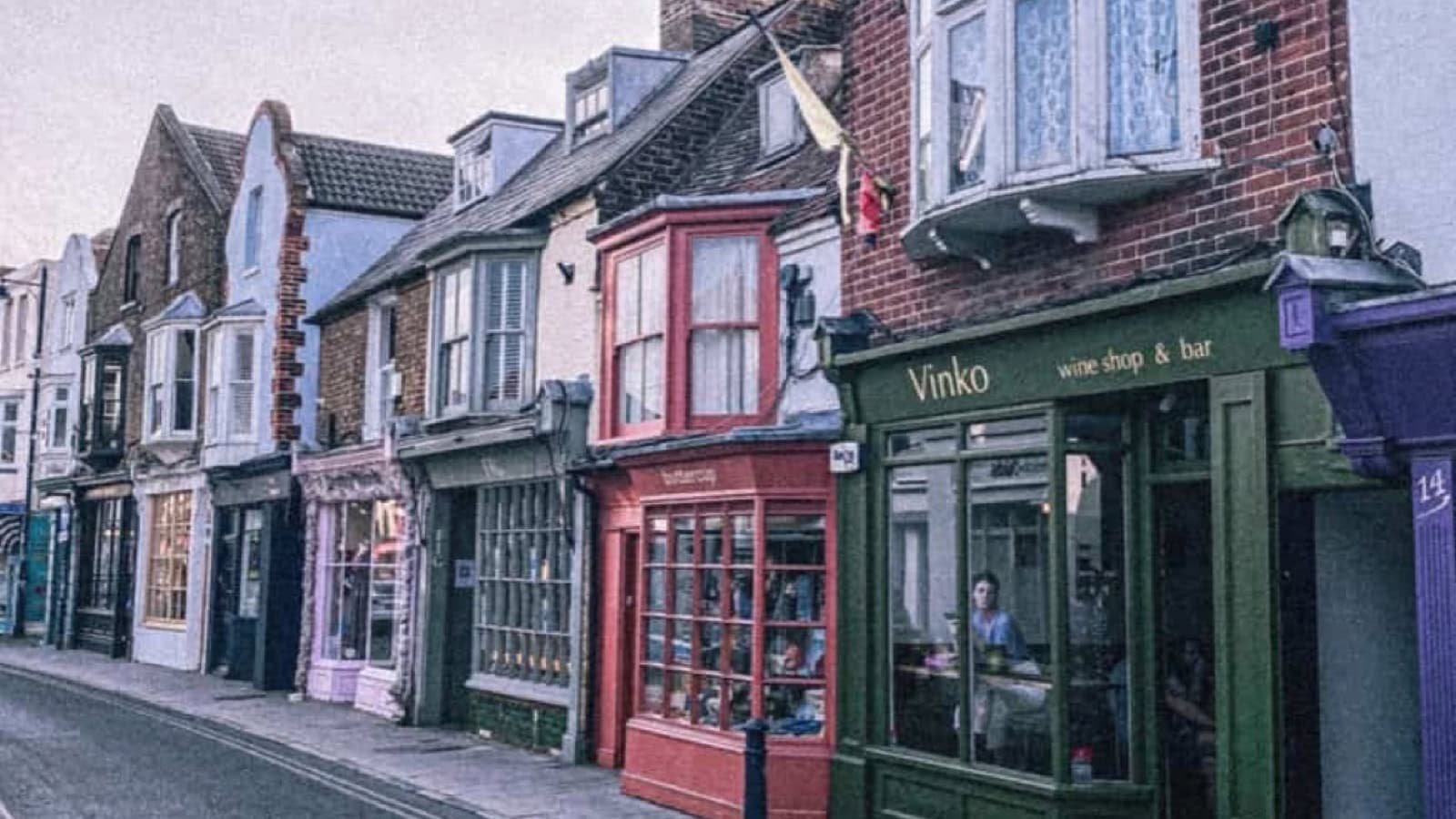
Village greens are the heart of many British villages, acting like a central gathering spot for community events and daily strolls. This open space is often surrounded by picturesque cottages and maybe a local pub or two, making it a popular meeting point for residents. Unlike the more structured parks you might find in American towns, these greens feel like they’ve naturally evolved over centuries, hosting everything from casual picnics to local festivals and fairs. The sense of community they foster is really special, making you feel connected to the village’s history and its people.
2. Parish Churches
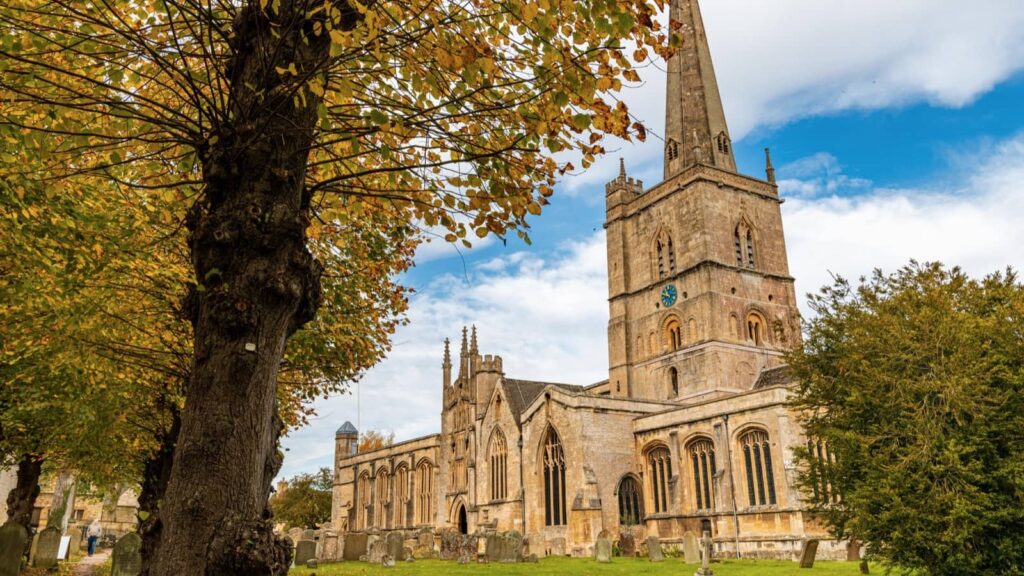
Parish churches are often one of the oldest buildings in British villages, steeped in history and acting as a testament to the area’s heritage. These churches serve not just as places of worship but as community landmarks where people have gathered for generations. In contrast to America, where churches might be newer or less central to town life, in Britain, these ancient structures often form the core of the village, both geographically and spiritually, preserving traditions and fostering a strong sense of community.
3. Pubs at the Centre of the Community
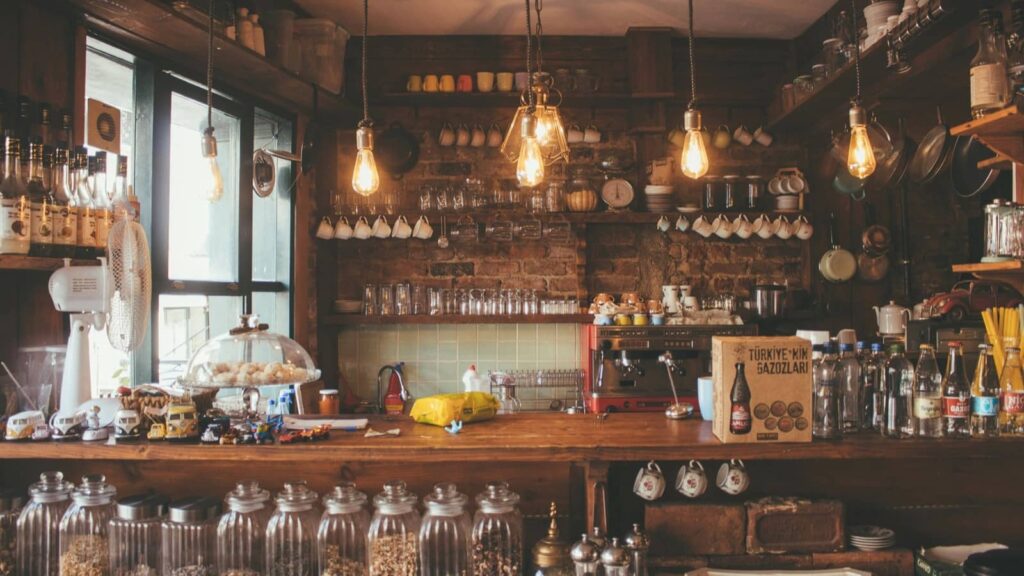
Pubs in British villages are much more than just a place to grab a beer. They are the social hub of the community, where people come together to catch up, celebrate, or even partake in local events and games. Unlike many small-town American bars, British pubs often overflow with historical charm and a welcoming atmosphere, making them integral to the village’s social fabric. From pub quizzes to Sunday roasts, these pubs maintain community ties in a way that’s deeply embedded in British culture.
4. Footpaths
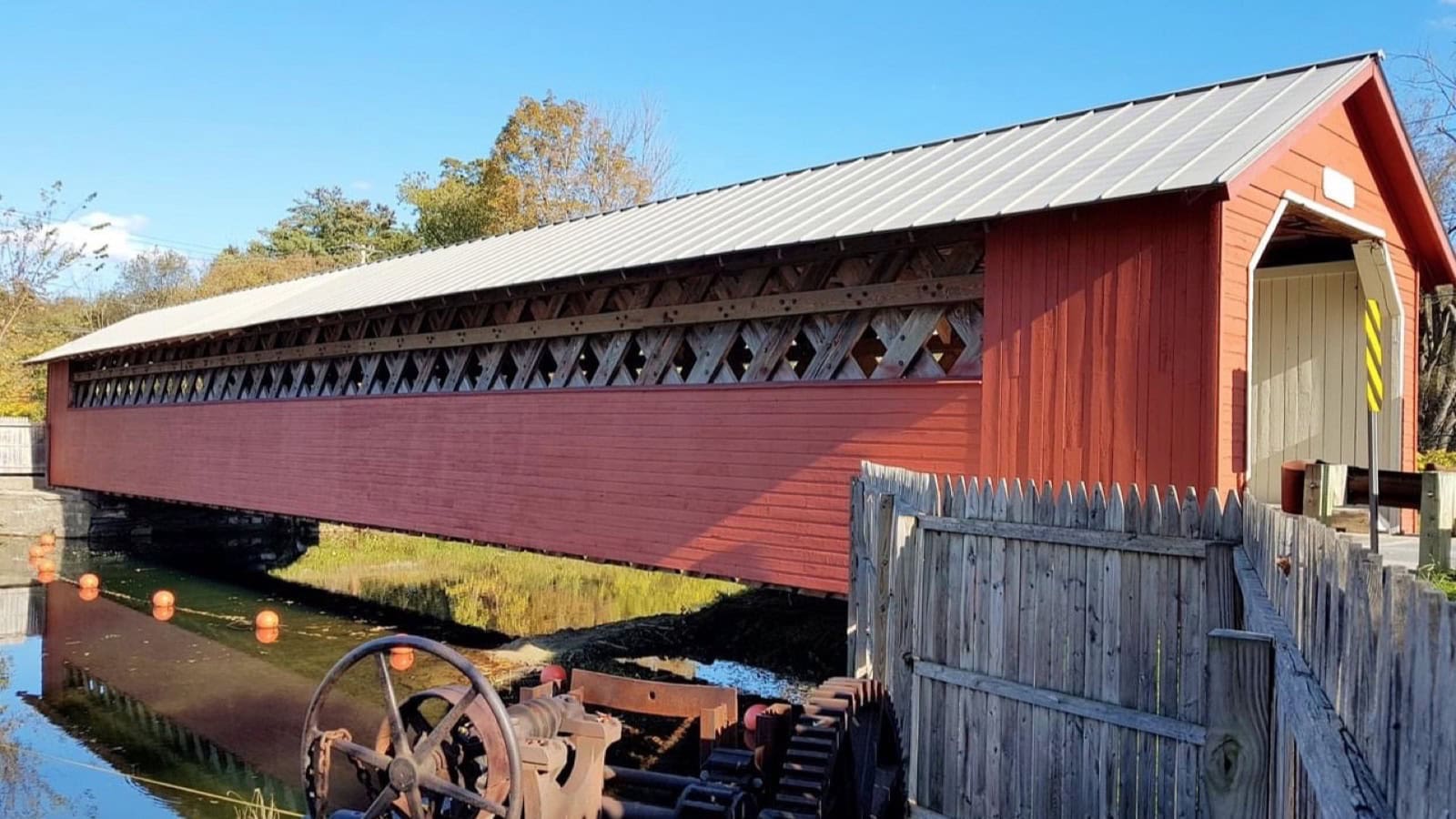
Footpaths crisscross the British countryside, offering scenic walks through fields, woods, and villages. These paths are rights of way that often date back hundreds of years. Americans might be surprised by the proximity and accessibility of such trails, as they weave through private lands, yet are open to the public. Walking these paths, you get a real sense of the British connection to the land and their commitment to preserving public access to these beautiful areas.
5. Stone Cottages
Stone cottages give British villages a look straight out of a storybook. Built from local materials, these homes offer a glimpse into a village’s geographical and historical landscape. In contrast, American small towns often display a wider variety of architectural styles, reflecting different periods and influences. British stone cottages, with their thick walls and quaint aesthetics, aren’t just beautiful; they’re practical, keeping homes warm in winter and cool in summer.
6. Local Cricket Grounds

Cricket grounds are a common sight in British villages, emphasizing the sport’s importance in UK culture. These spaces are often community focal points, buzzing with activity on match days, where locals gather to support their teams. It’s a contrast to the more varied sports facilities you might find in small-town USA, where baseball or football fields dominate. The cricket ground encapsulates a piece of British tradition, bringing together young and old in a celebration of community and sport.
7. Weekly Markets

Weekly markets are a staple in many British villages, offering fresh local produce, crafts, and goods. Unlike American farmers markets, which are often seasonal, these markets are a year-round linchpin of village life, providing a place to shop and socialize. They highlight the close-knit nature of village communities, where everyone knows your name, and local farmers and artisans are celebrated.
8. Narrow Lanes

Narrow lanes, lined with hedgerows or ancient stone walls, are characteristic of the British countryside. These lanes, which can be just wide enough for a single car, are a far cry from the wide streets of American towns and require careful navigation and courtesy. Driving or walking these lanes, you feel a strong sense of history, as if you’re traveling along the same paths that residents have used for centuries.
9. Historic High Streets
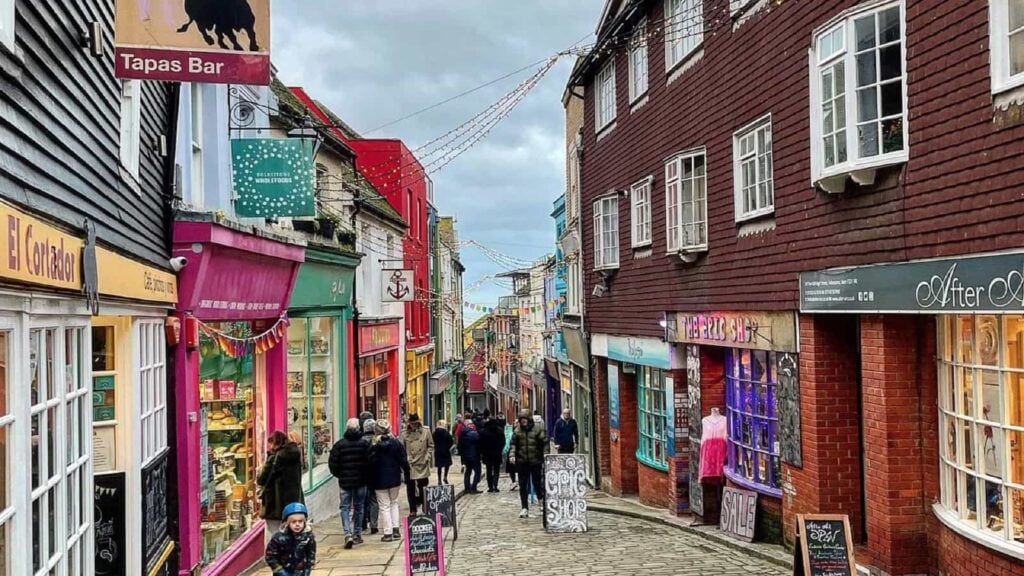
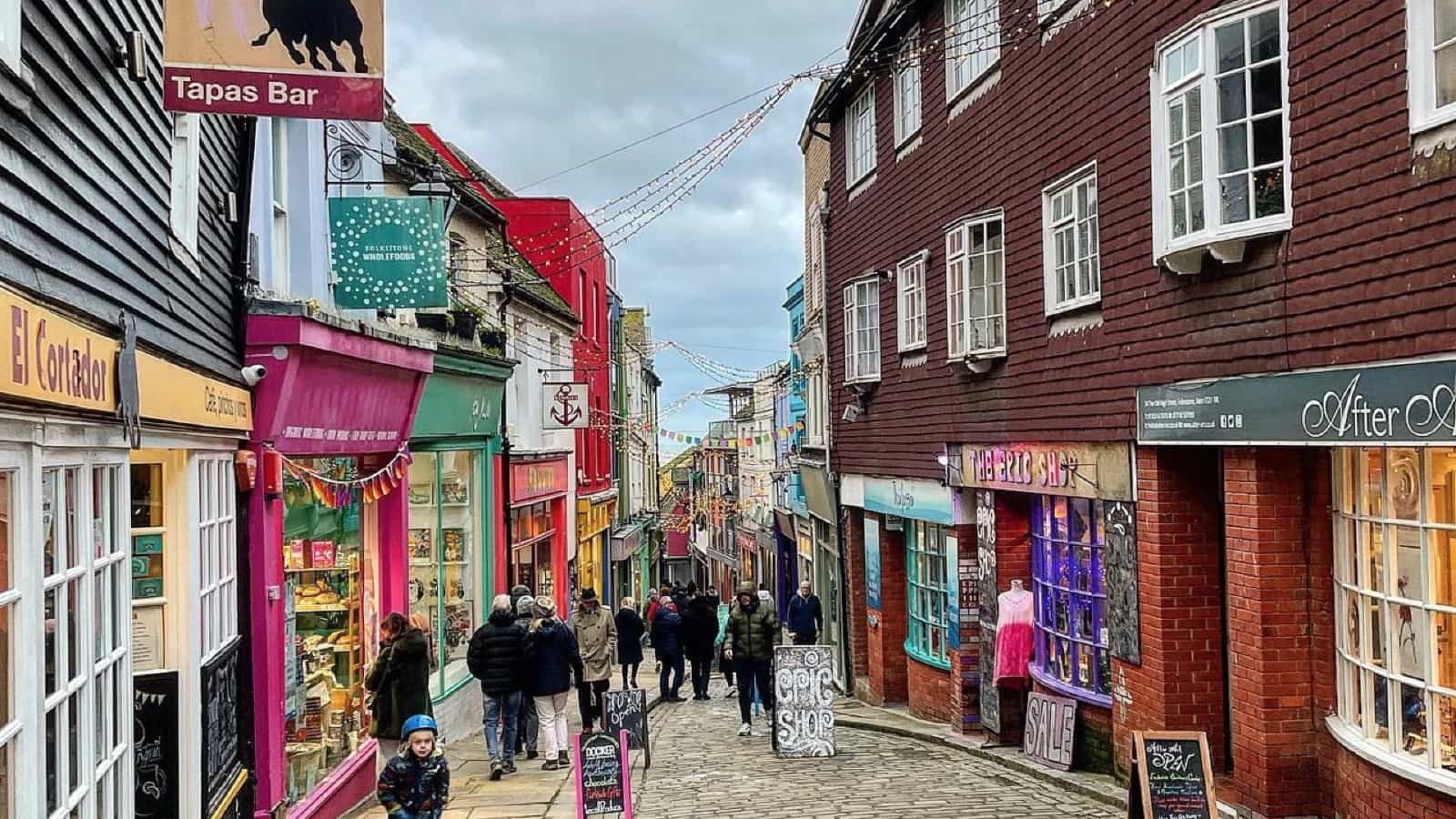
Historic high streets in British villages often feature a mix of small shops, cafes, and boutiques, each with its own unique history and character. Unlike American main streets, which might prioritize modernity and convenience, these high streets cherish their historical look and feel, offering a slower, more personal shopping experience. Here, shopping is less about efficiency and more about enjoyment and community engagement.
10. Compact Layout

The compact layout of British villages promotes a sense of community and accessibility that can be harder to find in sprawling American towns. Everything from the local shop to the school is often just a short walk away, fostering a greater sense of interconnection among residents. This layout not only makes daily errands more convenient but also strengthens communal bonds, as neighbors meet and interact throughout their day.

We are Mary and Eric, the founders of Be Right Back, a blog dedicated to romance around the globe and at home.
We are Mary and Eric, the founders of Be Right Back, a blog dedicated to romance around the globe and at home. With over 10 years of experience in dating and traveling to romantic places, we share our favorite date ideas and romantic destinations to help couples level up their relationships. Having lived in and traveled through the USA, we also share our favourite things to do in the States.
With 70,000 monthly readers and 16,000 followers on social media, Be Right Back is your go-to resource for romantic trip ideas and couple activities at home and abroad.