

12 Things That Would Surprise You If Britain and America Swapped Lifestyles for a Year

Imagine if Britain and America decided to swap their lifestyles for a year. From driving habits to daily routines, everything would be turned upside down! Let’s explore some of the surprising changes both Brits and Americans might experience during this lifestyle swap.
1. Driving habits

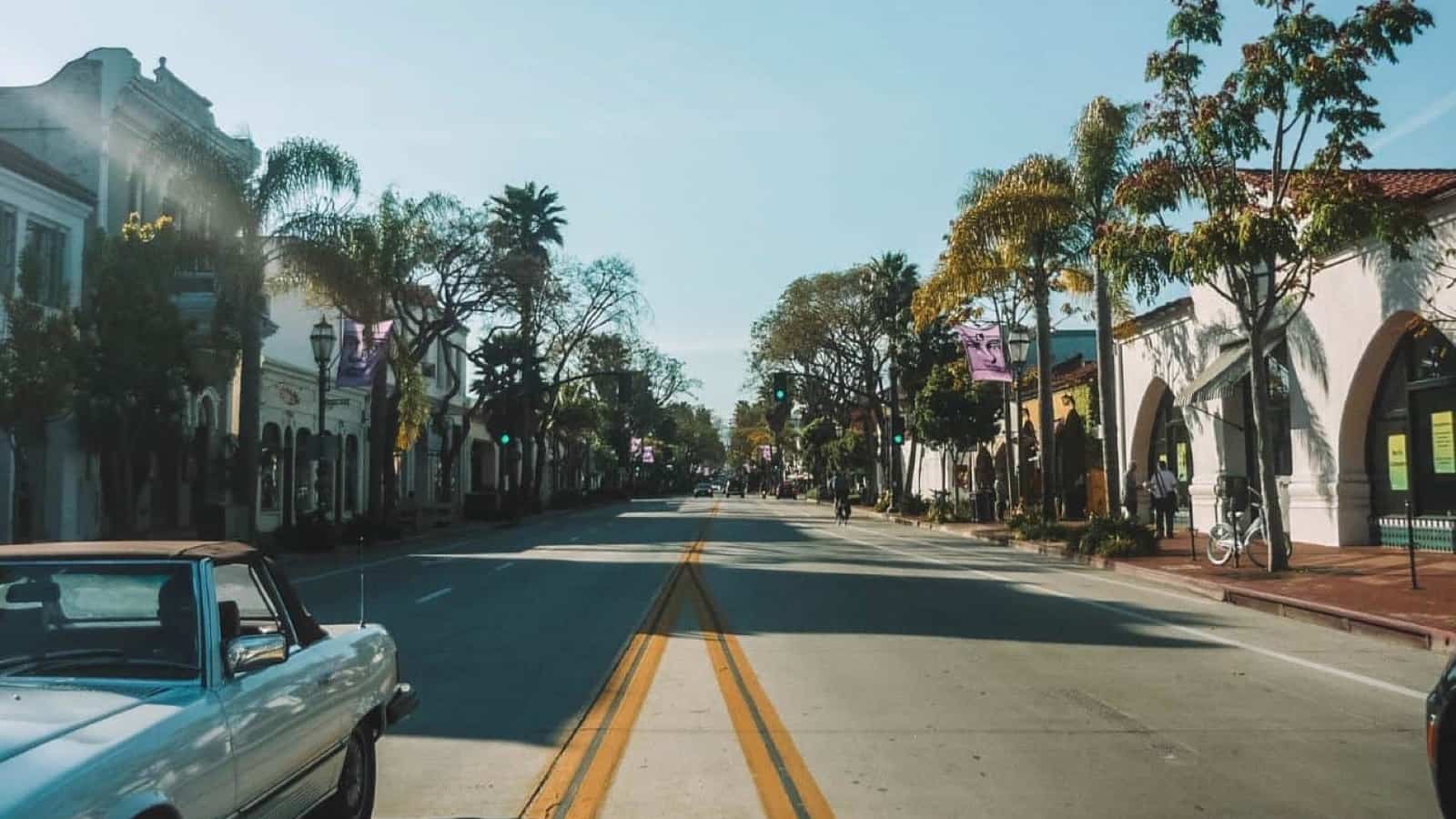
One of the first things Brits would notice if they swapped lives with Americans is the difference in driving habits. In Britain, people drive on the left side of the road, while Americans drive on the right. This switch would take some getting used to! Also, the sheer size of the U.S. means Americans usually have longer distances to cover, making cars essential for most families. Public transport options vary greatly across the U.S., unlike the more uniform services across British cities. This necessity leads to a car culture in the U.S. that could be a big adjustment for Brits who are used to compact cars and frequent public transport.
2. Holiday planning

When it comes to holidays, Americans tend to go big. From elaborate Halloween decorations to huge Thanksgiving feasts, the scale of celebration can be a shock for Brits. In contrast, British holidays might seem understated to Americans. Brits often favor practicality and relaxation over extravagance, which could lead Americans to miss the larger-than-life celebrations back home. The cultural importance of holidays like the 4th of July and Thanksgiving in the U.S. contrasts with British traditions such as Bonfire Night and Boxing Day, providing a different taste of festive spirit.
3. Housing expectations

If you’re swapping your British flat for an American home, prepare for a size surprise! Homes in America generally offer more space, often coming with large yards and multiple bathrooms. This contrasts to the more compact living spaces common in Britain, especially in cities like London. Americans might find the quaint size of British homes charming but could miss their spacious American homes, especially when it comes to entertaining guests or personal privacy.
4. Grocery shopping
Grocery shopping in the U.S. can be an eye-opener for Brits. American supermarkets are typically much larger, with a bewildering array of choices. The U.S. also has a culture of buying in bulk which might surprise Brits used to smaller, more frequent shops. Conversely, Americans might find British supermarkets limited in choice but appreciate the focus on local and international foods. Food labeling and the prominence of certain foods, like peanut butter and jelly in the U.S., versus Marmite and tea in the U.K., would also be a novel adjustment.
5. Exercise routines

Exercise routines could also see a shake-up in this lifestyle swap. Americans might be surprised by the popularity of walking and cycling in Britain, often used as a regular mode of transport rather than just exercise. Gyms and fitness classes are popular in both countries, but the types of activities favored can vary. Brits might find the American love for fitness boot camps, yoga, and high-intensity interval training (HIIT) classes a different pace from their usual routines.
6. Weekend activities

Weekends in America often involve sports, whether it’s watching a football game or playing basketball. This sports culture is deeply ingrained, with family and community gatherings frequently centered around game days. Brits, known for their love of football (soccer), might be surprised by the scale of American sports fandom. Meanwhile, Americans in Britain might enjoy exploring local pubs, historical sites, and countryside walks, which are typical British weekend activities.
7. Commutes

The daily commute can be drastically different between the two countries. Many Americans are used to long drives, often in heavy traffic, due to the vast distances between residential and commercial areas. On the other hand, Brits are more likely to use public transportation, especially in larger cities like London, where the Tube and buses are part of daily life. Americans might enjoy the convenience of public transport in Britain, while Brits could appreciate the privacy and comfort of an American-style commute by car.
8. Eating out

Eating out is a favorite activity in both countries, but the dining experiences can vary. Americans might be surprised by the smaller portion sizes in British restaurants, while Brits could be overwhelmed by the typically larger American servings. The types of cuisine available reflect the multicultural makeup of each country, but the presentation and customary eating times differ. Americans tend to eat dinner earlier, while Brits often dine later in the evening.
9. Family gatherings

Family gatherings are key cultural components in both Britain and America, but the style and frequency can vary. In the U.S., gatherings are often large and food-focused, with barbecues, potlucks, and holiday feasts. British gatherings might be smaller and less frequent, with a focus on tea, cakes, or Sunday roasts. This difference in family socializing could be a novel change for both Brits and Americans, each finding charm in the other’s approach to family time.
10. Home sizes

As mentioned earlier, American homes are typically larger than British homes. This difference in living space extends to overall lifestyle, with Americans often having separate rooms for different purposes such as a home office or a den, which might not be as common in the U.K. This can affect day-to-day living in numerous ways, from hosting guests to personal relaxation space. Brits in the U.S. might enjoy the extra space, while Americans in Britain may need to adapt to more efficient, smaller living spaces.
11. Travel choices
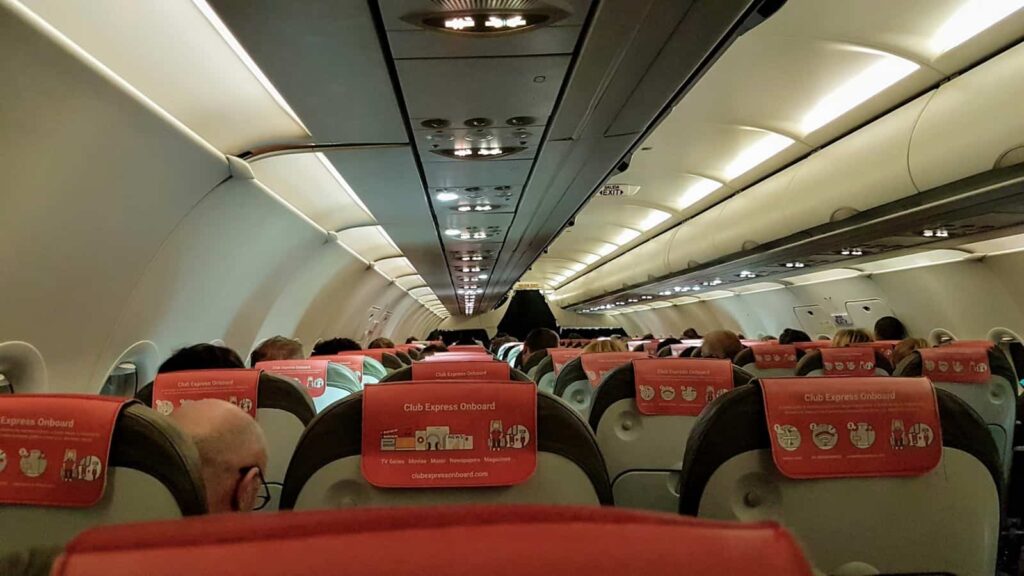
The approach to travel differs significantly between Brits and Americans. With Europe at their doorstep, Brits often opt for short, frequent trips to different countries, which can be a novel concept for Americans used to vast domestic travel. Conversely, the sheer size of the U.S. offers a variety of landscapes and attractions that might be thrilling for Brits used to smaller-scale travel. The preference for travel modes also differs; Americans often fly or drive, while Brits might lean more toward trains and other public transport.
12. Daily routines

Day-to-day life would see some interesting shifts with a lifestyle swap. Brits might find the early start in American work culture a challenge, as work often starts earlier compared to the U.K. The American emphasis on convenience, with services like drive-throughs for everything from coffee to banking, could be a novelty for Brits. Conversely, Americans might appreciate the slower pace of life in Britain, with longer lunch breaks and the pub culture, providing a refreshing change from their go-go-go lifestyle.

We are Mary and Eric, the founders of Be Right Back, a blog dedicated to romance around the globe and at home.
We are Mary and Eric, the founders of Be Right Back, a blog dedicated to romance around the globe and at home. With over 10 years of experience in dating and traveling to romantic places, we share our favorite date ideas and romantic destinations to help couples level up their relationships. Having lived in and traveled through the USA, we also share our favourite things to do in the States.
With 70,000 monthly readers and 16,000 followers on social media, Be Right Back is your go-to resource for romantic trip ideas and couple activities at home and abroad.