

12 Ways the Average British Street Looks Different From the Average American Street

Ever wondered how streets in the UK differ from those in the USA? Let’s walk through some of the key differences that make each one unique. From the style of houses to the way cars park and even the shops at the corner, these everyday sights set the scene of life in each country. So, let’s take a stroll down the average British and American street and spot these differences.
1. Terraced homes vs detached houses
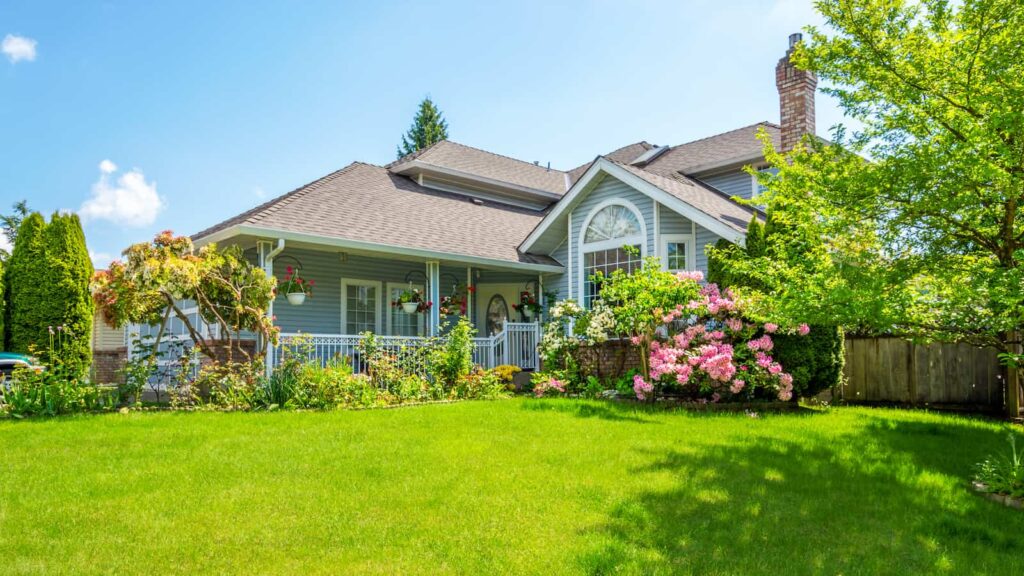
In the UK, you’ll often see terraced homes lining the streets, especially in cities and older towns. These homes are connected in a row, sharing walls with their neighbors. This style contrasts with the common American detached houses, which stand alone with space around them, offering more privacy and a bigger yard. Terraced houses reflect the UK’s need to conserve space and maintain density in residential areas.
2. Cars parked along the road
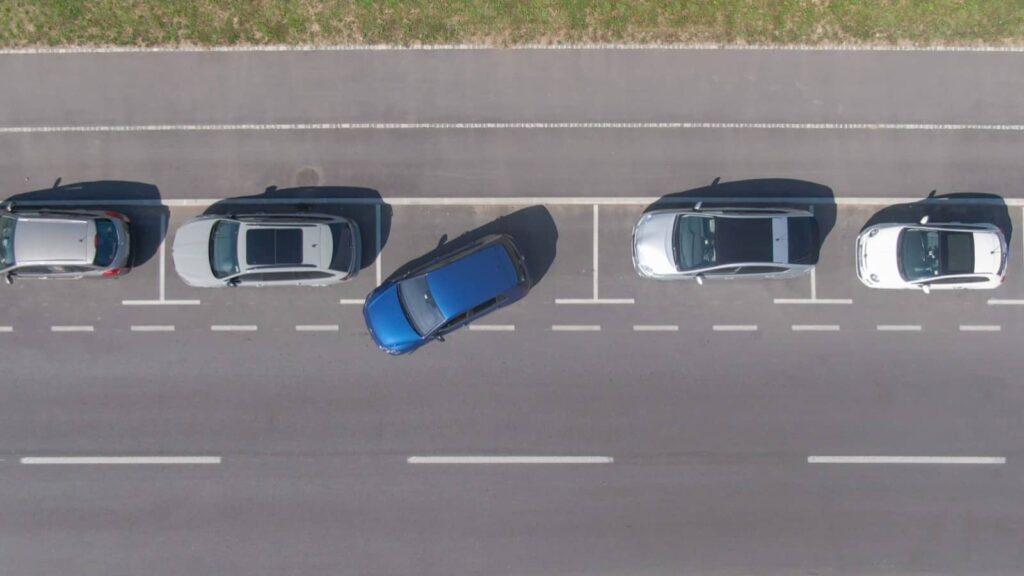
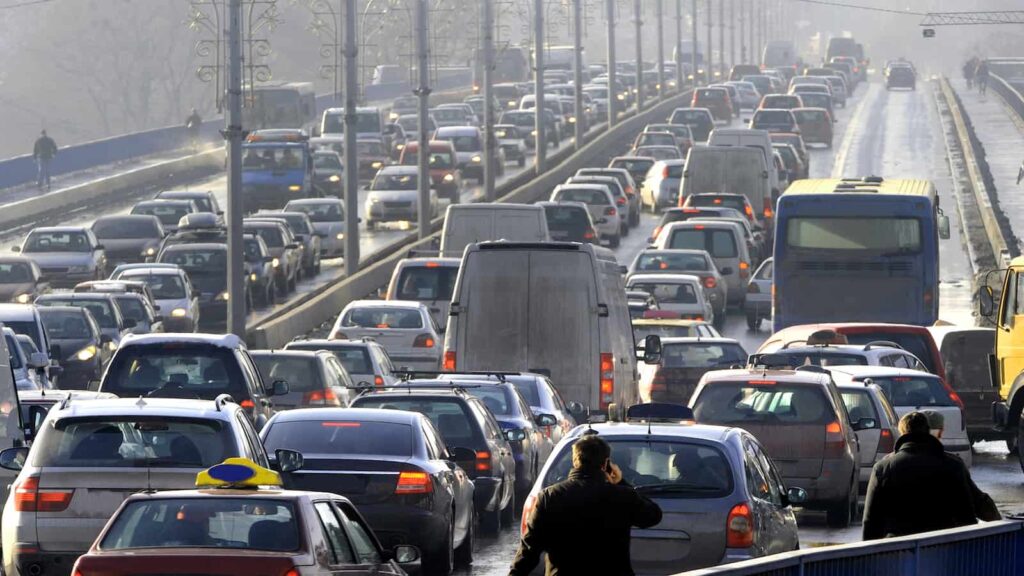
On many British streets, especially in busy or older areas, you’ll find cars parked along both sides of the road. This can make the streets look more crowded and sometimes narrower than you would typically see in the US. In the States, wider streets and larger private driveways lessen the need for street parking, keeping the roads clearer and often making them feel more spacious.
3. Brick homes vs siding
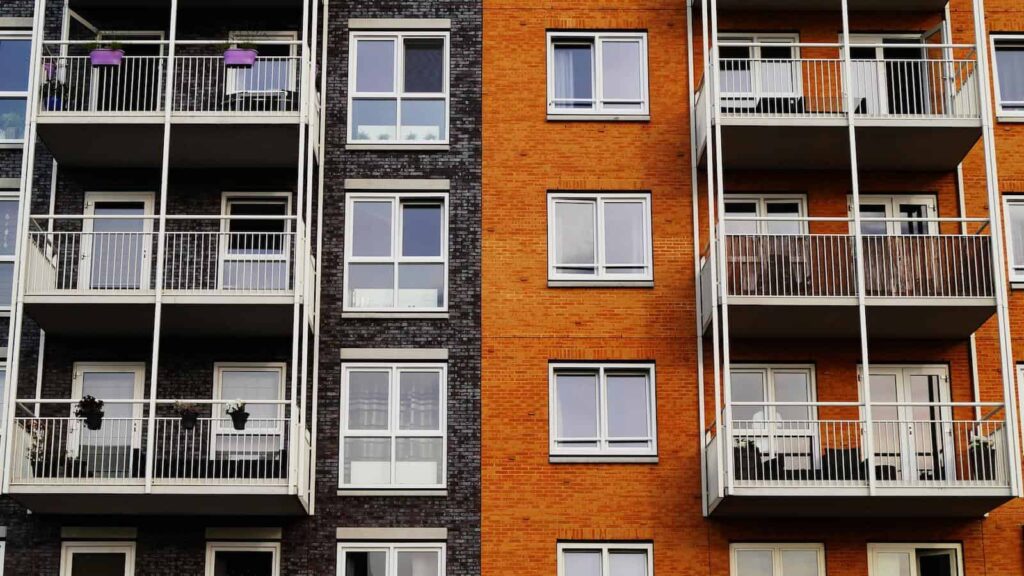
Brick homes are a staple in the UK, giving the streets a more uniform, traditional look. The use of brick not only matches historical styles but also suits the wetter climate. Across the pond, American homes often feature siding made from materials like vinyl or wood. This choice allows for a variety of colors and styles, giving neighborhoods a diverse appearance.
4. Smaller front gardens

British homes typically have smaller front gardens compared to their American counterparts. Space is at a premium, especially in urban areas, so the gardens are often just big enough for a bit of greenery and a path to the front door. In contrast, American homes might flaunt expansive front lawns that serve as a private oasis and add to the home’s curb appeal.
5. Roundabouts vs four-way stops
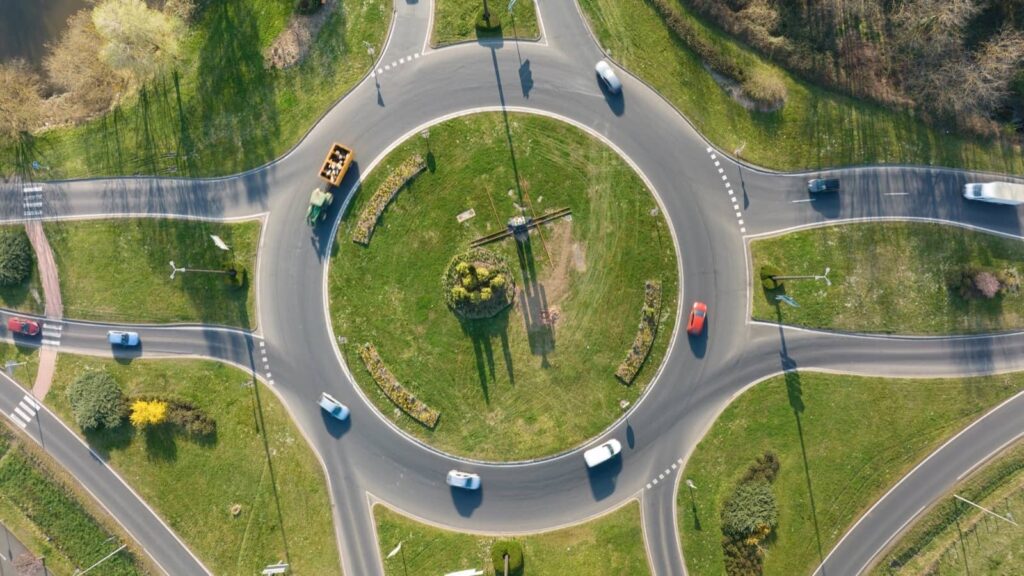
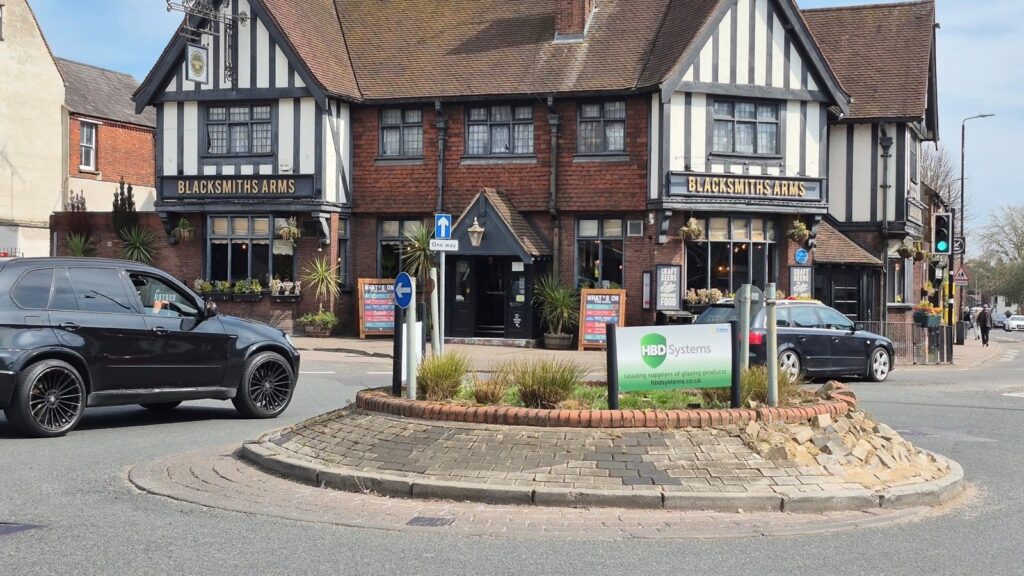
Roundabouts are much more common in the UK than in the US. They keep traffic flowing and can be found even in residential areas. In contrast, Americans use four-way stops at many intersections, which requires all drivers to come to a full stop and take turns proceeding. This difference in road design reflects how each country handles traffic management and safety.
6. Narrow pavements vs wider sidewalks
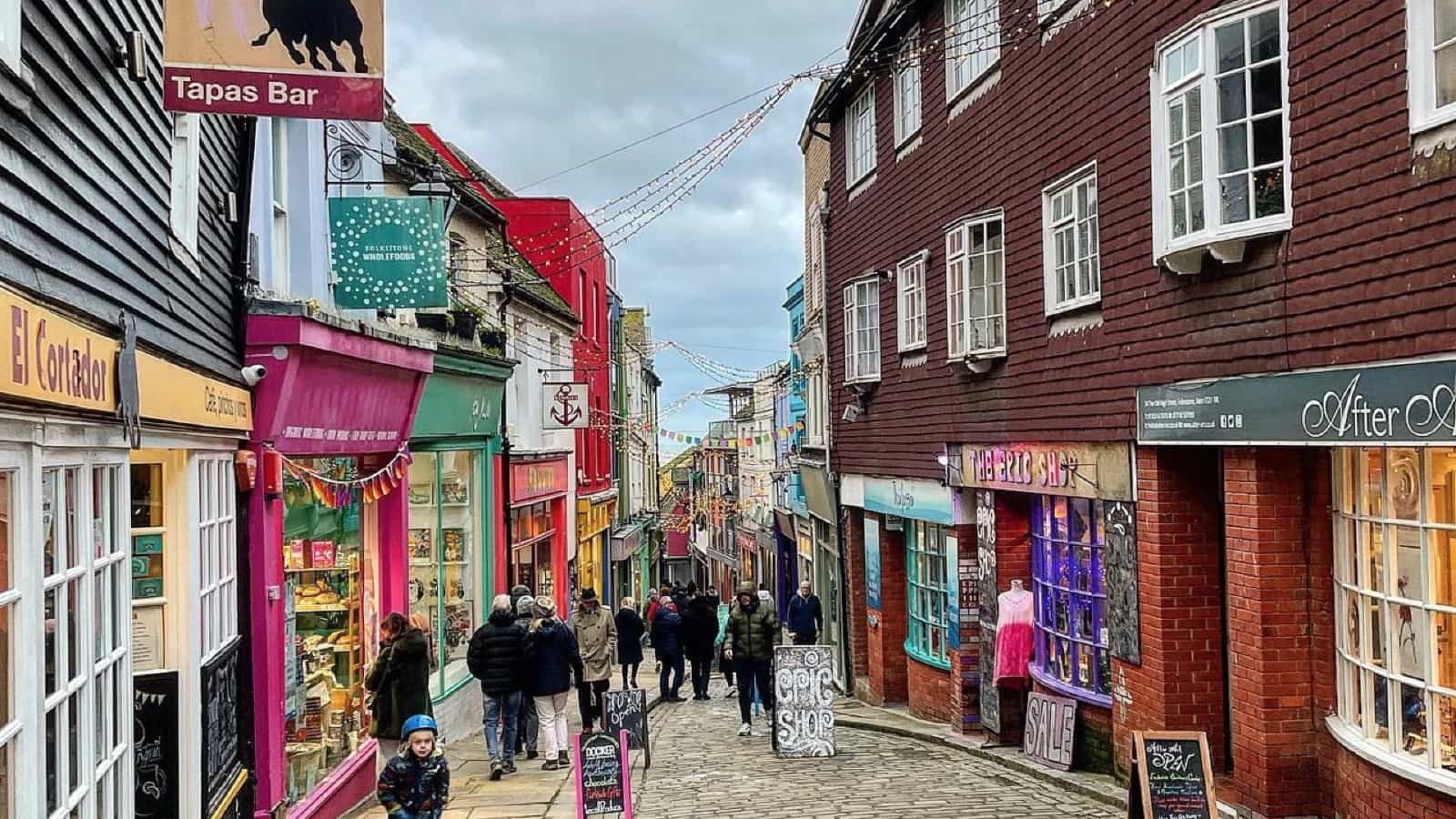
In the UK, you’ll notice that pavements (sidewalks) are often quite narrow, especially in older towns and cities. This makes sense given the age of many urban layouts which weren’t designed for modern-day traffic. In the US, sidewalks are typically wider, accommodating everything from pedestrians to joggers and even cyclists, reflecting the newer, more planned nature of many American urban developments.
7. Double yellow lines
Double yellow lines are commonly seen on UK streets, indicating no parking at any time. This rule helps manage traffic flow and prevent congestion in narrow streets. In the US, parking regulations can be less uniform, with various signage to indicate restrictions, which can sometimes be confusing to visitors and locals alike.
8. Stone walls vs wooden fences
In many parts of the UK, especially in rural or historical areas, you might see stone walls marking boundaries and lining properties. These durable boundaries blend into the landscape. In contrast, the US favors wooden fences, which can be quickly installed and customized to the homeowner’s preferences, reflecting the American emphasis on individuality.
9. Corner shops vs convenience stores

The UK is known for its corner shops – small, local stores that stock a bit of everything. These shops are a staple in British neighborhoods, often family-run and very much part of the community. American convenience stores, on the other hand, are usually part of larger chains and offer quick, often 24/7 service for a bustling lifestyle.
10. Bus stops
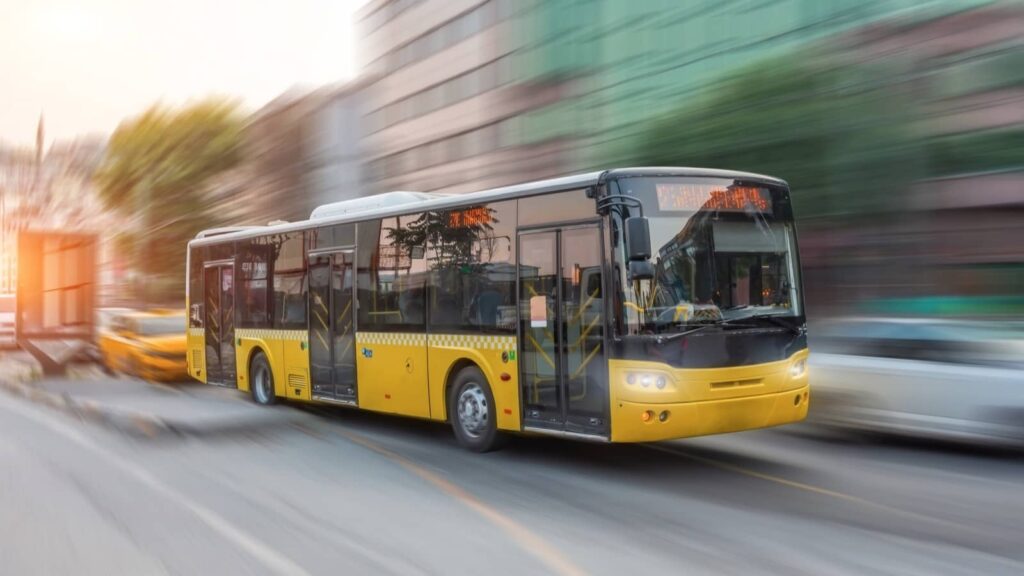
UK streets often feature well-marked bus stops with shelters, timetables, and digital boards indicating when the next bus is due. This reflects the high usage of public transport in urban and suburban areas. In the US, while there are bus stops in major cities, in suburban areas they can be less frequent and less well-equipped, reflecting the higher reliance on personal vehicles.
11. Older street layouts

Many British streets follow older, sometimes medieval layouts, which can be winding and narrow. This historical layout adds to the charm but can be challenging for modern traffic. American streets tend to follow a grid layout, especially in newer cities and towns, which makes navigation straightforward but sometimes lacks the character of older roads.
12. Shorter driveways

In the UK, due to the premium on space, driveways are often just long enough for a car or two, making street parking necessary for many. In the US, driveways are usually longer, providing ample off-street parking, reflecting the suburban ideal of private space and convenience.

We are Mary and Eric, the founders of Be Right Back, a blog dedicated to romance around the globe and at home.
We are Mary and Eric, the founders of Be Right Back, a blog dedicated to romance around the globe and at home. With over 10 years of experience in dating and traveling to romantic places, we share our favorite date ideas and romantic destinations to help couples level up their relationships. Having lived in and traveled through the USA, we also share our favourite things to do in the States.
With 70,000 monthly readers and 16,000 followers on social media, Be Right Back is your go-to resource for romantic trip ideas and couple activities at home and abroad.