

10 Things Americans Find Strange About British DIY Stores

When Americans visit British DIY stores, they often notice some differences that stand out. From the size of the stores to the items they stock, and even how shoppers get there and leave, the experience can be quite different from what they’re used to back home. Let’s talk about some of these unique features that might catch an American off guard when stepping into a British DIY store.
1. Smaller Stores

In the UK, DIY stores tend to be much smaller compared to the vast warehouse-style buildings you might be used to in the States. This means less walking and more coziness, but it also means you might not find everything you need in one place. This size difference often surprises many Americans who are used to large, sprawling stores where you can easily spend hours browsing everything from lumber to light fixtures.
2. Compact Garden Sections

The garden sections in British DIY stores are usually smaller and more compact. This is partly because many British homes don’t have the large yards you find in many American homes. So, the range of garden supplies might not be as extensive, focusing more on smaller garden or patio solutions, which might seem a bit limited if you’re used to sprawling garden centers.
3. More Focus on Decorating Than Construction
British DIY stores seem to have a stronger emphasis on decorating. You’ll find a wide variety of wallpapers, paints, and decorative pieces. If you’re looking to remodel a kitchen or build a deck, you might find the range of construction materials a bit lacking compared to the extensive collections of home decor items. This focus can be a surprise if you’re expecting the heavy hardware-first approach many American stores take.
4. Smaller Timber Sections

The timber sections in British DIY stores are not only smaller, but the variety of wood might also be less than what you’d find in the U.S. This could be a bit of a shock if you’re planning a big building project. British stores tend to stock what’s most commonly used locally, which might not match the scale of materials you’re used to.
5. Customers Arriving on Foot

It’s not uncommon to see shoppers arriving at British DIY stores on foot. This is quite different from the U.S., where most customers drive to stores, largely due to the sprawl of American cities and towns. Smaller, more urban store locations in the UK make walking a viable option, which might seem odd if you’re used to everyone just driving up.
6. Limited Parking

Following on from the last point, since many customers walk, parking spaces at British DIY stores can be pretty limited. This can be frustrating if you’re driving and used to ample parking space. Limited parking is a common feature in many parts of Europe, not just in DIY stores but in general, due to older, more compact city designs.
7. More Paint Colors Than Lumber Choices

Walking into the paint section of a British DIY store, you’ll likely find a dizzying array of colors. In contrast, the lumber section might not impress you much. This can be quite the switch from American stores, where building materials often take up huge sections of the store, and paint colors, while plentiful, aren’t the main highlight.
8. Tiny Trolleys

The trolleys, or what Americans call shopping carts, in British DIY stores, are notably smaller. This makes them easier to navigate in the tighter aisles of the smaller stores. This might be a bit inconvenient if you’re doing a big shop, but they reflect the overall scale and design of British DIY store layouts.
9. Older Homes Requiring Specialist Products
Many British homes are quite old, which means they often need specialist products for maintenance and repair, products that might not be as commonly needed in the newer homes typical of many American neighborhoods. This can be interesting as you’ll find items specifically tailored for these older constructions, which might not be as readily available in a standard American DIY store.
10. Local High Street Hardware Shops Still Surviving
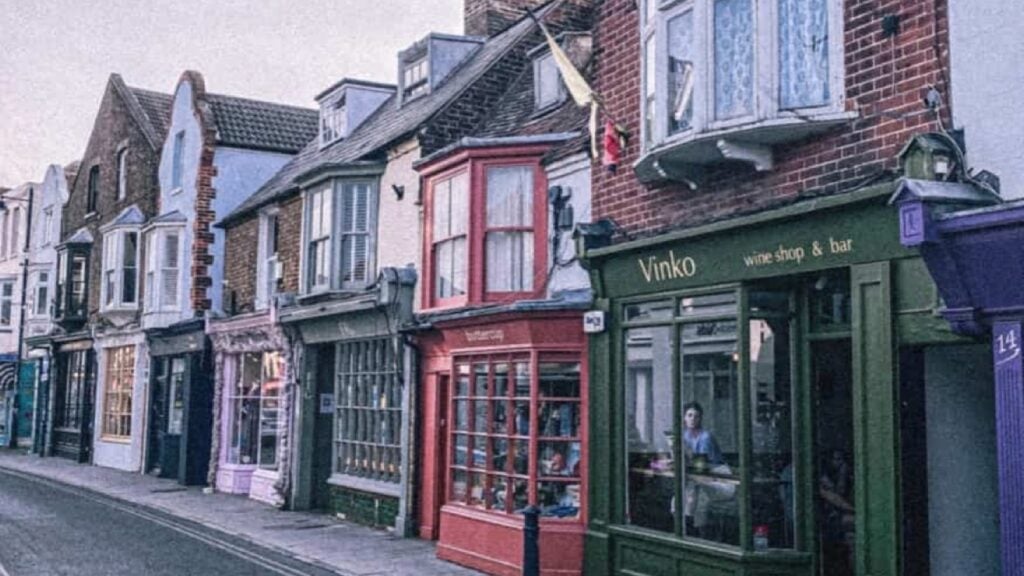
Last but not least, it’s quite common to see smaller, independent hardware shops on the high streets in British towns. Unlike in the U.S., where big-box retailers dominate, these small shops often thrive, offering a more personal touch and specialized knowledge. This is refreshing if you’re used to the more commercial shopping experience in America.

We are Mary and Eric, the founders of Be Right Back, a blog dedicated to romance around the globe and at home.
We are Mary and Eric, the founders of Be Right Back, a blog dedicated to romance around the globe and at home. With over 10 years of experience in dating and traveling to romantic places, we share our favorite date ideas and romantic destinations to help couples level up their relationships. Having lived in and traveled through the USA, we also share our favourite things to do in the States.
With 70,000 monthly readers and 16,000 followers on social media, Be Right Back is your go-to resource for romantic trip ideas and couple activities at home and abroad.