

10 Things Americans Find Strange About British Renting

When Americans move to the UK, they quickly notice some differences in how renting works. From kitchens squeezed into tiny spaces to separate taps for hot and cold water, many aspects of a British rental can be quite a surprise compared to what they’re used to back home. Let’s take a look at some of these unique features that might catch an American off-guard when they rent a home in Britain.
1. Smaller kitchens

Smaller kitchens are pretty standard in British homes, especially when compared to the large, often open-plan kitchens many Americans are used to. In the UK, it’s common for the kitchen to be the most compact room in the house, crammed with everything you need but with very little counter space to work on. This setup can make cooking a big meal quite the challenge!
2. Older buildings
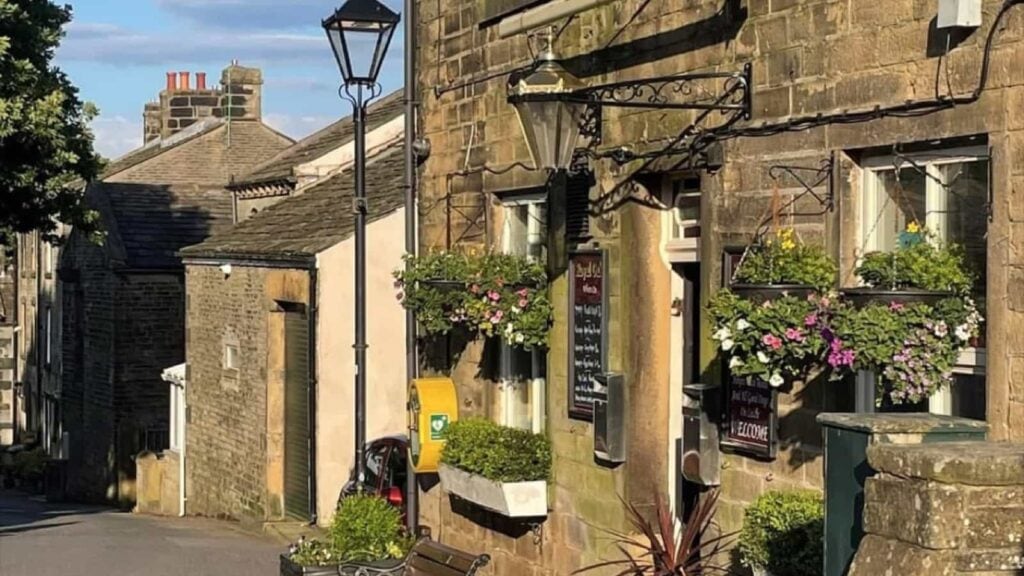
Many rental properties in Britain are housed within older buildings that have been around for decades, if not centuries. Americans might find these historic buildings fascinating, but they also come with their own set of challenges, like less effective heating systems, quirky layouts, and the need for frequent maintenance.
3. Limited storage
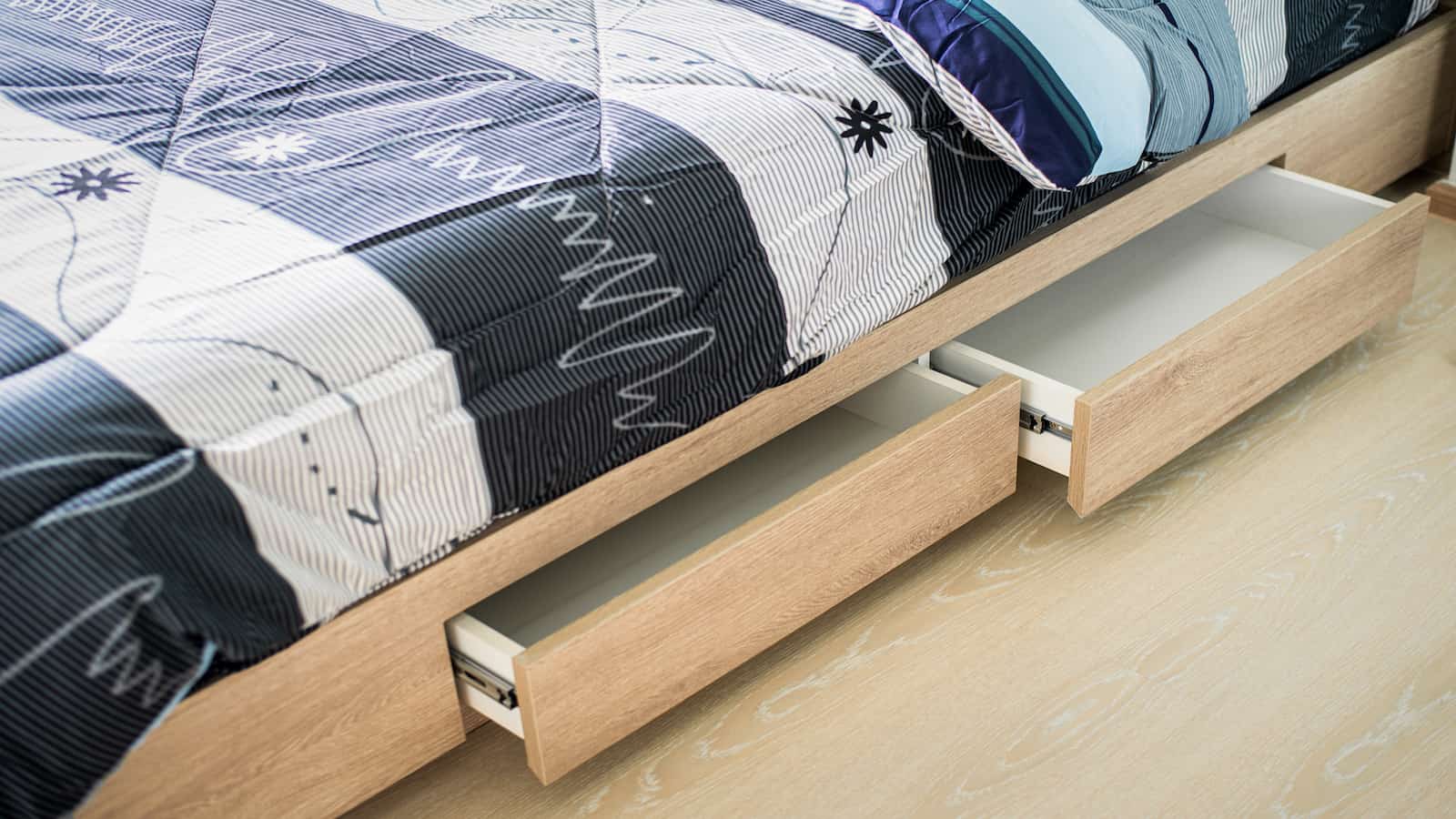
British homes generally offer less storage space. This means renters often have to get creative with how they organize their belongings. You might find yourself using multi-purpose furniture or storing suitcases in unusual places just to make the most of the space you have.
4. Washing machines in the kitchen
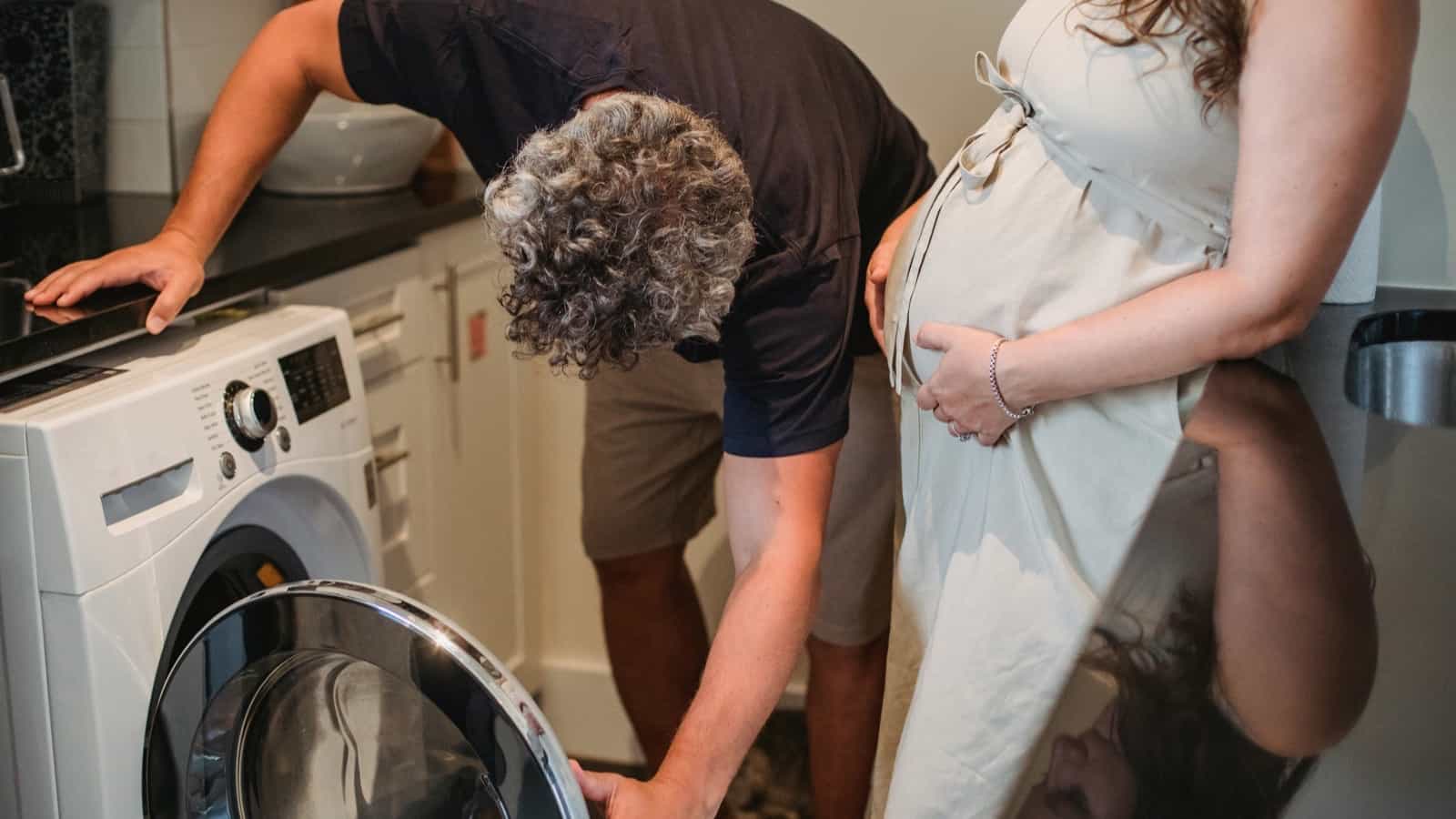
In the US, laundry machines are usually found in a separate laundry room or area. However, in the UK, it’s very common to have the washing machine integrated into the kitchen. This might seem odd at first, but when you consider the space constraints, it makes sense.
5. Tiny fridges
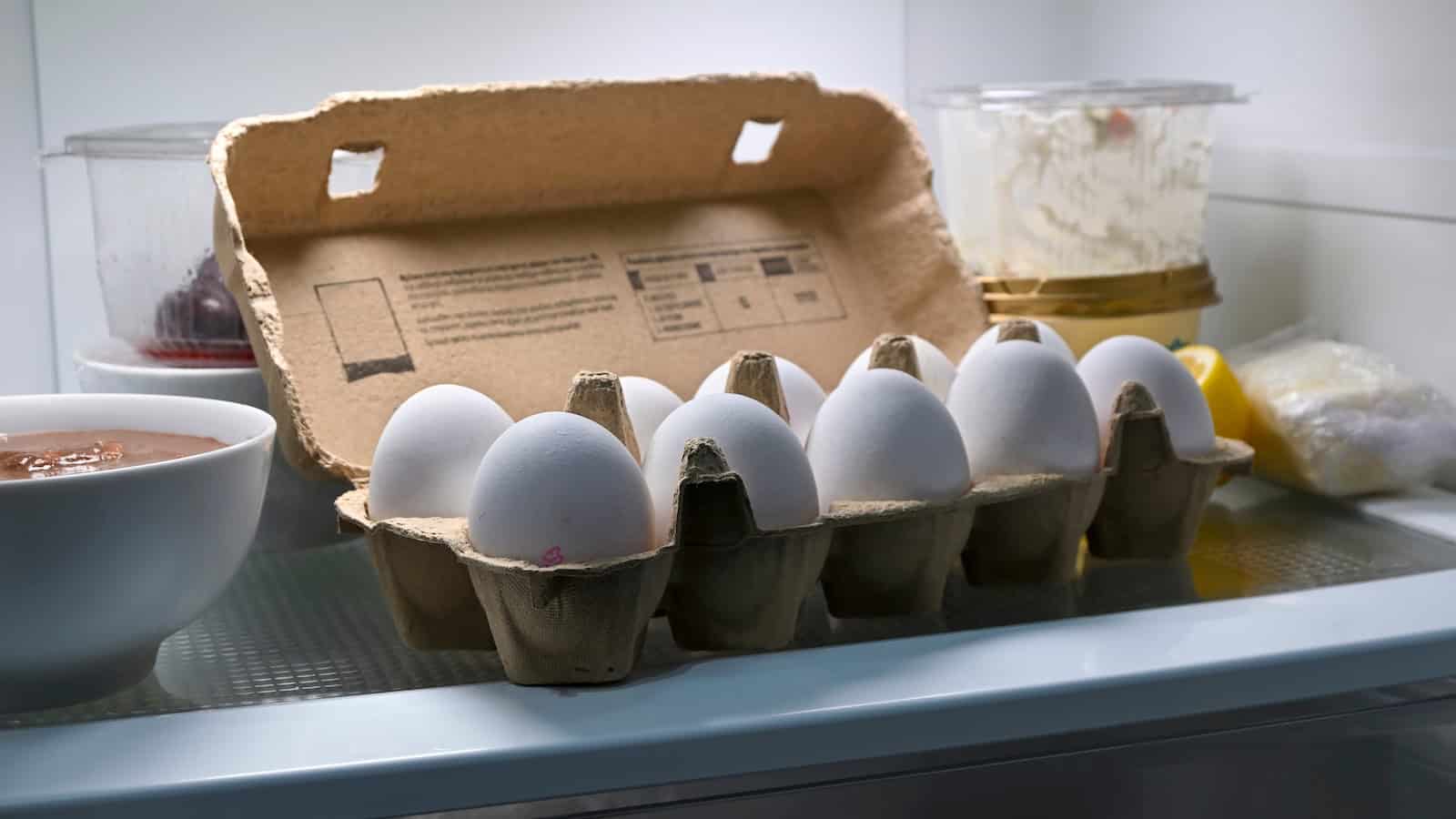
The fridges in many British homes are quite small, especially compared to the large, sometimes double-door models seen in many American kitchens. These tiny fridges can be a surprise, and they require frequent grocery shopping trips to keep stocked.
6. No built-in wardrobes

Unlike many American homes which often feature built-in wardrobes or walk-in closets, British homes usually don’t have these. Renters might need to buy additional furniture like wardrobes and drawers, which can take up precious space in already compact rooms.
7. EPC ratings

Energy Performance Certificates (EPCs) are a big deal in the UK. These certificates give a property an energy efficiency rating from A (most efficient) to G (least efficient). This is something Americans might not be familiar with, but these ratings can affect your utility bills and environmental footprint.
8. Terraced houses

Terraced houses, or row houses, are very common in the UK and often make up large parts of residential areas. Living in such close proximity to your neighbors can be a new experience for someone used to more detached homes in the US.
9. Separate hot and cold taps in older homes
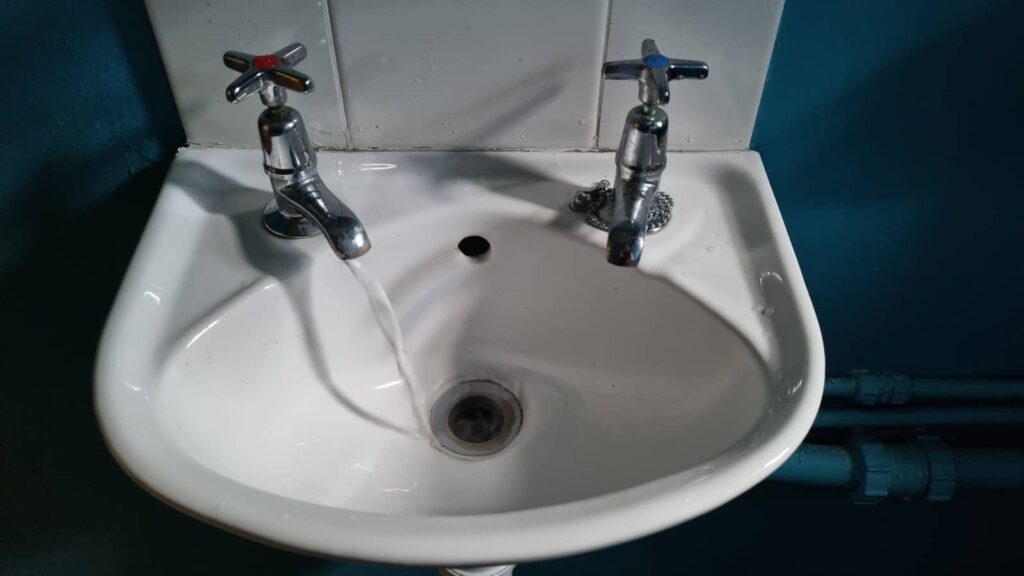
It can be surprising to find that many older British homes have separate taps for hot and cold water in the sink. This means you can’t mix the water in the tap; instead, you have to adjust the mix in the basin!
10. Walking to local shops

In the UK, especially in urban areas, many people walk to their local shops daily. This can be quite different from the US, where driving to a central shopping center is more common. Walking everywhere can be great for your health and the environment!

We are Mary and Eric, the founders of Be Right Back, a blog dedicated to romance around the globe and at home.
We are Mary and Eric, the founders of Be Right Back, a blog dedicated to romance around the globe and at home. With over 10 years of experience in dating and traveling to romantic places, we share our favorite date ideas and romantic destinations to help couples level up their relationships. Having lived in and traveled through the USA, we also share our favourite things to do in the States.
With 70,000 monthly readers and 16,000 followers on social media, Be Right Back is your go-to resource for romantic trip ideas and couple activities at home and abroad.