

11 Tiny Everyday Decisions Brits and Americans Make Completely Differently

Ever wondered about the simple daily choices that differentiate Brits from Americans? From the first thing they drink in the morning to how they spend their Sundays, these small decisions paint a vivid picture of the cultural nuances between the two groups. Let’s walk through some of these everyday decisions and see just how differently Brits and Americans handle their daily lives.
1. Whether to Walk or Drive

When it comes to getting around, Americans often prefer to drive, even for shorter distances. It’s much about convenience and the car-centric culture prevalent in many U.S. cities. On the other hand, Brits are more likely to walk, especially in urban areas where things are generally closer together and public transport options are readily available. This not only reflects on the urban planning but also on a more environmentally conscious approach.
2. Tea or Coffee First Thing in the Morning

The morning beverage choice can set the tone for the day. In Britain, starting the day with a cup of tea is a deep-seated tradition. The comfort of tea reigns supreme here. Across the pond, Americans are more inclined towards coffee, seeking that quick caffeine fix to kick-start their morning. This difference not only highlights dietary preferences but also cultural rituals associated with morning routines.
3. Where to Do the Weekly Food Shop

In the UK, high street shops and markets are still popular choices for the weekly food shop. Brits enjoy the routine and the familiarity of their local stores. In contrast, Americans tend to favor large supermarkets and one-stop-shops like Walmart or Costco, where they can get everything from groceries to gadgets. This reflects on the American preference for convenience and efficiency in their shopping habits.
4. How Often to Eat Out
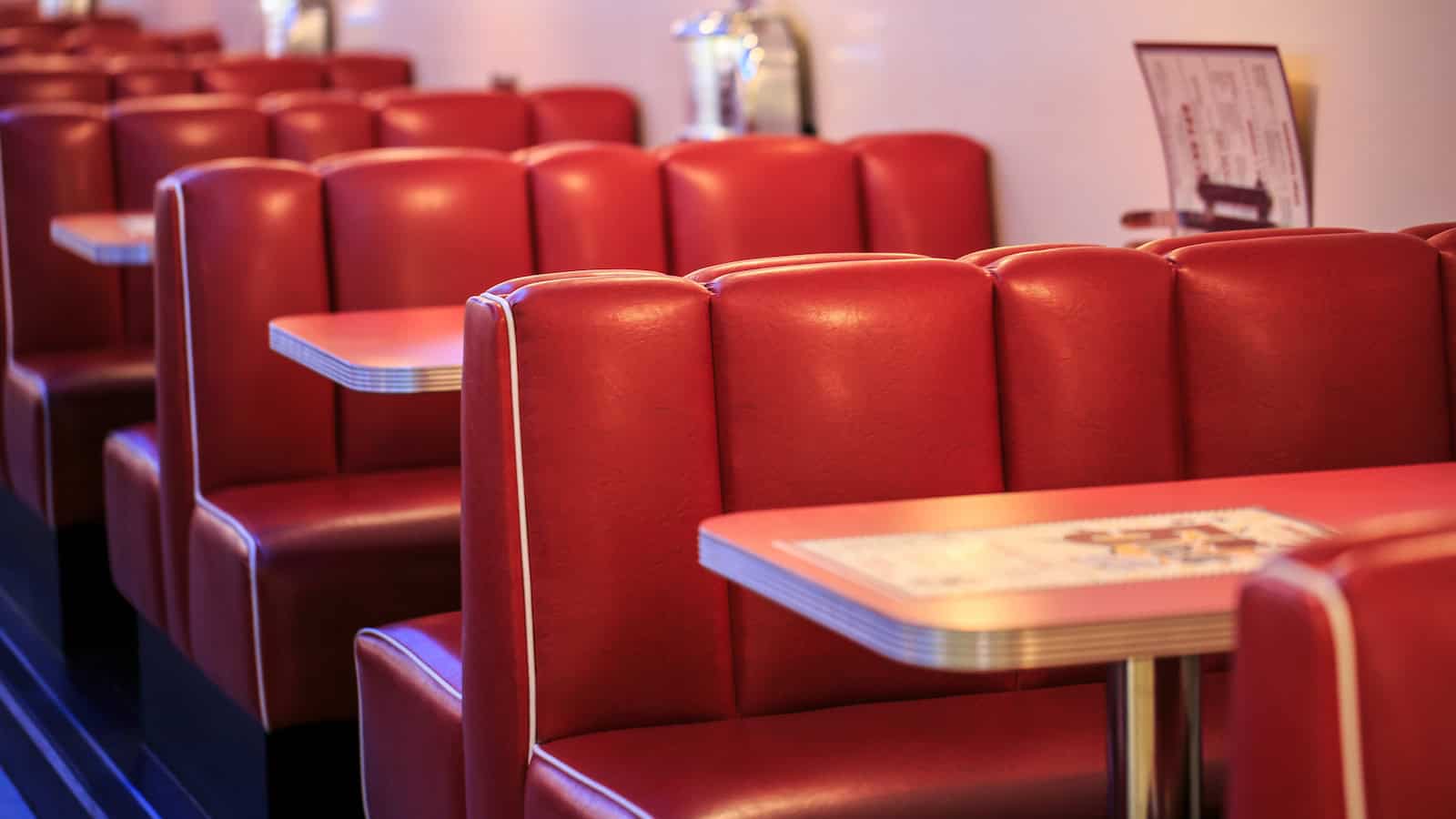
Americans tend to eat out more frequently compared to Brits. The bustling restaurant culture in the U.S. could be a factor, coupled with busy lifestyles that make cooking at home less feasible. Brits, while they do enjoy dining out, generally do so less often, perhaps keeping it for more special occasions. This difference might also be influenced by the cost and social habits surrounding food and dining.
5. Whether to Carry Cash

In today’s digital age, the need for physical cash has diminished. However, there’s still a notable difference: Brits tend to carry some cash more than Americans, who are moving more towards a cashless society, readily embracing digital payments even for the smallest purchases. This reflects differing levels of trust and comfort with technology in day-to-day transactions.
6. How Much Food to Buy at Once

Americans are known for buying in bulk, thanks to larger homes and bigger storage spaces. This contrasts with the UK, where people tend to buy smaller quantities, reflective of smaller living spaces and a preference for fresher foods. This decision impacts not only how households manage their budgets but also how they plan their meals and manage waste.
7. Opening the Windows or Turning on the Air Conditioning

The approach to staying cool varies widely between the two climates. In the UK, where high temperatures are less common, opening a window is usually enough to cool down a room. In contrast, air conditioning is almost a necessity during the hot, often humid summer months in many parts of the U.S., reflecting the different climate challenges faced by residents.
8. Whether to Mow the Lawn Every Week
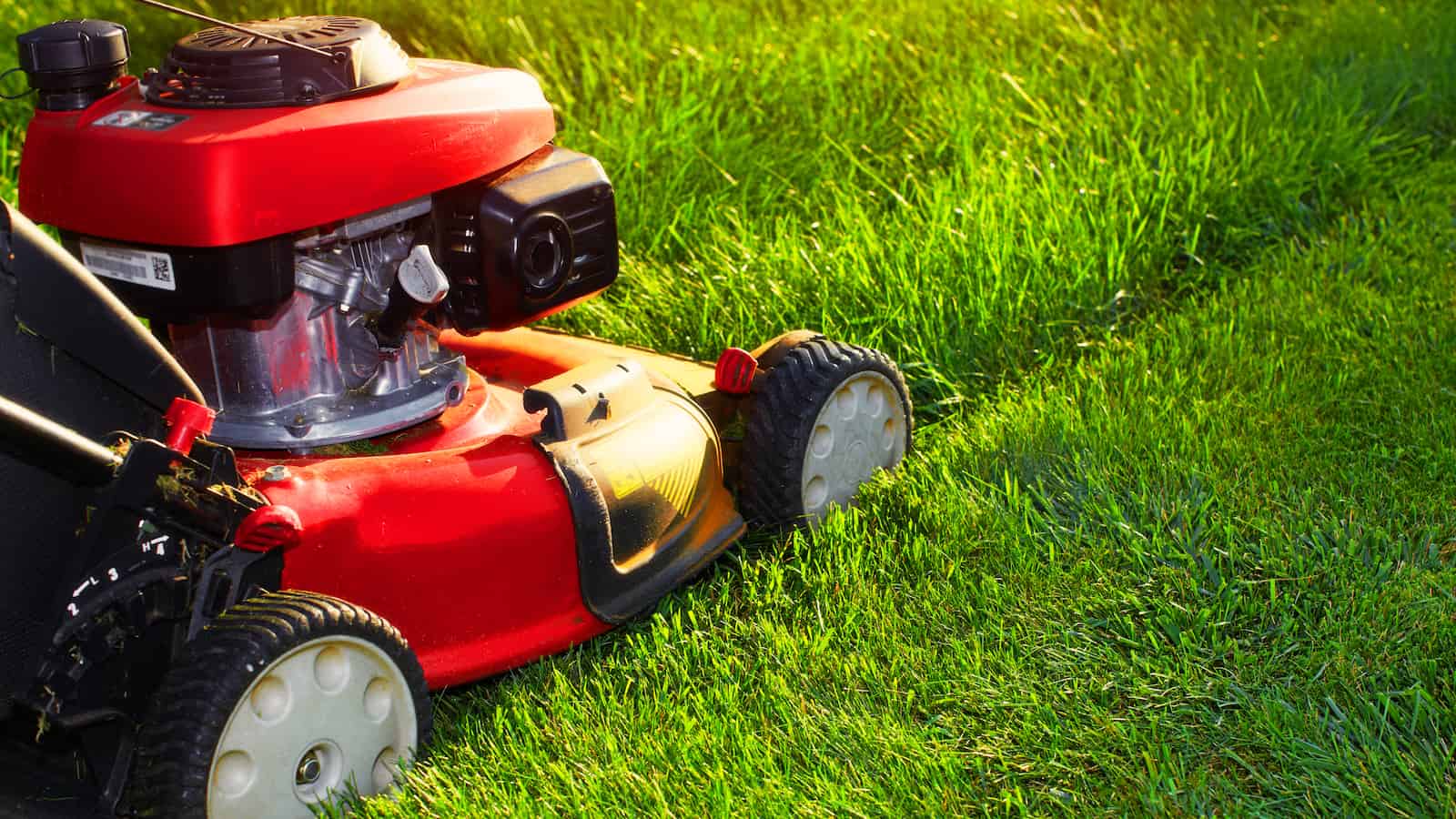
This is a great example of how routine home maintenance differs. In the U.S., it’s not uncommon for homeowners to mow their lawns weekly, keeping that manicured look. In the UK, the approach to lawn care is generally more relaxed, with mowing happening less frequently. This could be due to differing weather conditions and cultural attitudes towards gardening and lawn aesthetics.
9. Taking Leftovers Home from Restaurants
In America, it’s completely normal to ask for a “doggy bag” if you can’t finish your meal at a restaurant. However, in the UK, while becoming more common, this practice has been slower to catch on. This might be tied to differing views on food waste and consumption habits. Americans see taking leftovers home as a way to get the most out of their dining experience.
10. How to Spend a Sunday Afternoon

Sundays are for relaxation, but how this day is spent can look quite different. In the U.S., you might find people engaged in a variety of activities from sports to shopping. Brits, on the other hand, might prefer a quieter day concluded with a roast dinner. This leisure day reflects cultural priorities and how leisure time is structured around family or personal time.
11. How Far Is Considered “Close”

The perception of distance can be quite different. In the UK, a hundred miles might be considered a long drive, whereas in the U.S., it’s often just a small part of a bigger road trip. This reflects not only geographical sizes but also the cultural norms around travel and the infrastructure that supports long-distance journeys in the U.S.

We are Mary and Eric, the founders of Be Right Back, a blog dedicated to romance around the globe and at home.
We are Mary and Eric, the founders of Be Right Back, a blog dedicated to romance around the globe and at home. With over 10 years of experience in dating and traveling to romantic places, we share our favorite date ideas and romantic destinations to help couples level up their relationships. Having lived in and traveled through the USA, we also share our favourite things to do in the States.
With 70,000 monthly readers and 16,000 followers on social media, Be Right Back is your go-to resource for romantic trip ideas and couple activities at home and abroad.