

10 Things Britain Did Better Before Everything Went Digital

Remember the good old days before everything was on your smartphone or computer? There’s a lot to be said for the way things used to be done in Britain before the digital wave took over. From the excitement of booking holidays at a travel agent’s office to the personal touch of sending a handwritten birthday card, let’s take a walk down memory lane and explore ten things that many think were just better in the pre-digital era.
1. Booking holidays through travel agents
Booking a holiday used to mean a trip to the travel agency, where you’d sit down, chat through your options, and come away with a pile of glossy brochures. There was something really special about this process. It wasn’t just about booking a trip; it was an exciting event. You’d discuss destinations with a real person who could give you personal insights and tips. Plus, travel agents would often throw in some extras to make your holiday extra special. This face-to-face interaction made holiday planning feel more like a dream coming to life.
2. Getting directions with paper maps
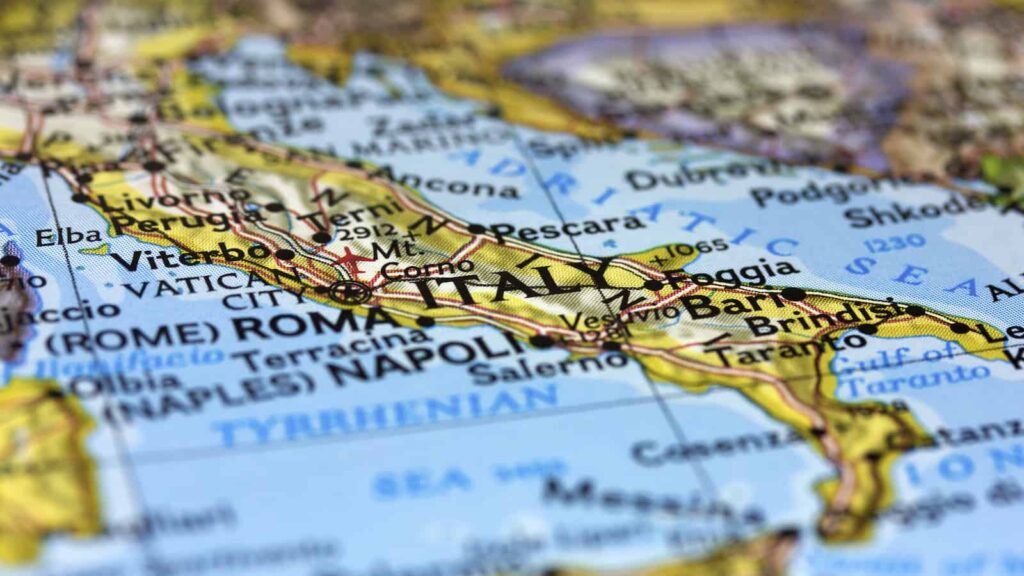
There was a time when setting out on a road trip meant unfolding a large paper map and plotting your route with a pen. Paper maps required a bit of skill to read, adding an element of adventure to every trip. You really felt the journey, understanding the landscape as you traced the roads with your finger. Sure, GPS is convenient, but it just doesn’t offer the same hands-on experience or the joy of literally seeing the big picture.
3. Taking photographs without instant previews

Taking photos used to involve a lot of surprises. Without the ability to preview or delete them instantly, each click of the camera’s button was a thoughtful decision. You’d have to wait to finish the roll and get it developed, hoping for the best. This often resulted in unexpected, candid moments captured on film, making each photo feel more precious. It was always exciting to see how the pictures turned out, which made the whole process feel more rewarding.
4. Watching television together

Before streaming and on-demand TV, watching a show meant gathering around the television at a specific time, often with family or friends. This created a shared experience, where you’d enjoy the same show together and discuss it during the ad breaks. It was a communal event that brought people together in a way that individual streaming experiences seldom replicate today.
5. Reading printed TV guides

Flipping through a printed TV guide was part of the weekly routine for many. You’d scan the pages to plan your viewing for the week, highlighting favourite shows or new episodes. It was not just functional; it was a tactile experience that also provided a complete overview of what was available without the need to scroll through endless digital menus.
6. Keeping physical address books
Remember when phone numbers and addresses were kept in a physical book? Each new entry was handwritten, often with little notes alongside. This made each book personal and unique, a treasure trove of connections. Updating your address book was a deliberate act of maintenance of your social network, far more personal than simply adding a new contact on your phone.
7. Sending birthday cards

Sending a birthday card required a bit more effort before the digital age. You had to pick out a card, write a message by hand, and mail it. This process showed real thought and consideration, making the recipient feel truly special and valued. There’s just something about receiving a physical card that an e-card or digital message doesn’t quite convey.
8. Buying concert tickets in person
There used to be something almost ritualistic about going to the box office to buy concert tickets. Often, it meant standing in line, sometimes for hours, chatting with fellow fans. It was an experience that built anticipation and community, making the eventual attendance at the concert feel all the more rewarding.
9. Shopping without constant notifications
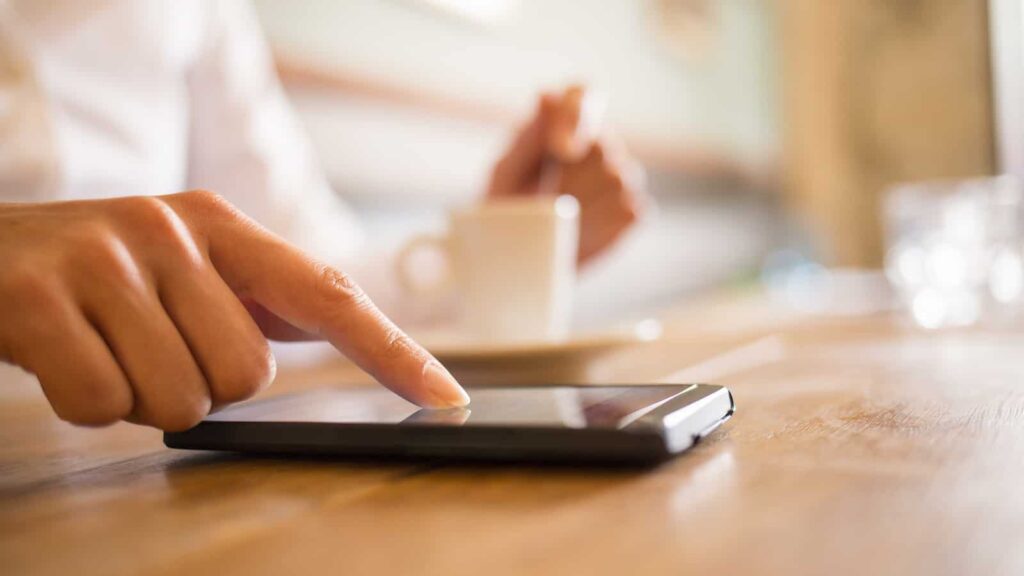
Shopping used to be simpler. You’d go to a store, browse at your own pace, and buy what you caught your eye. There were no pop-up notifications, no emails about items left in your cart, and no algorithms suggesting what you might like to buy next. This lack of distractions allowed for a more mindful and enjoyable shopping experience.
10. Leaving work without emails following you home

There was a clear boundary between work and home life before the digital age. Once you left the office, work didn’t follow you home in the form of emails and messages that needed immediate attention. This separation allowed for genuine downtime, helping maintain a healthier work-life balance.

We are Mary and Eric, the founders of Be Right Back, a blog dedicated to romance around the globe and at home.
We are Mary and Eric, the founders of Be Right Back, a blog dedicated to romance around the globe and at home. With over 10 years of experience in dating and traveling to romantic places, we share our favorite date ideas and romantic destinations to help couples level up their relationships. Having lived in and traveled through the USA, we also share our favourite things to do in the States.
With 70,000 monthly readers and 16,000 followers on social media, Be Right Back is your go-to resource for romantic trip ideas and couple activities at home and abroad.