

12 Things Brits Would Struggle to Explain to an American About British Money

If you’re an American visiting Britain or just chatting with a Brit, you might find yourself scratching your head over some of the terms and practices related to British money. From ‘quid’ to ‘tenner’ and the peculiar habit of finding old coins in drawers, here’s a simple breakdown of some uniquely British monetary quirks that might confuse anyone from the States.
1. Quid

The term ‘quid’ is so common in Britain, yet it might leave an American puzzled. Simply put, ‘quid’ is slang for the British pound. Just like how you might refer to dollars as ‘bucks,’ we Brits often use ‘quid’ instead of ‘pounds.’ Whether you’re buying a sandwich or paying for a taxi, you’ll hear amounts like ‘five quid’ or ‘twenty quid.’ It’s a handy term that’s as British as tea and crumpets!
2. Fiver

A ‘fiver’ in British money talk is a £5 note. Easy to remember, right? Just like you might ask for a ‘five-dollar bill’ in the States, we do the same here but just drop the ‘bill’ part. It’s super common to hear someone say they need a ‘fiver’ for a quick purchase like a magazine or a small snack.
3. Tenner
Similar to a ‘fiver,’ a ‘tenner’ is what we call a £10 note. It’s handy for slightly larger purchases like a meal at a fast-food restaurant or a couple of beers at the pub. So, if a friend asks if you have a ‘tenner’ you can lend them, they’re simply asking for a £10 note. It’s one of those terms that you’ll get used to very quickly while in the UK.
4. Bob

The term ‘bob’ is a bit old-fashioned, but you might still hear some of the older generation use it. It was slang for a shilling, which was a coin used before Britain decimalized its currency in 1971. Nowadays, people might use it when reminiscing about prices ‘back in the day’ or in historical contexts.
5. Grand

In Britain, just like in America, ‘grand’ means a thousand. It’s used for both pounds and dollars. So, if someone’s talking about making a ‘couple of grand,’ they’re talking about a few thousand pounds. It’s used quite frequently in discussions about salaries or the costs of cars and houses.
6. A couple of quid

When you hear ‘a couple of quid,’ think of it as saying ‘a couple of bucks.’ It’s a way of referring to a small amount of money, usually under ten pounds. It could be used when discussing the cost of small items or casual purchases like a coffee or a snack.
7. Paying by card for tiny purchases

In Britain, it’s completely normal to pay for even the smallest purchases with a credit or debit card. Whether it’s a pack of gum or a single apple, don’t be surprised to see people tapping their cards on the reader. It’s all about convenience here, and with contactless payments, it literally takes a second.
8. Rounding up for charity

Rounding up the total amount to the nearest pound for charity is a common practice at many British stores. If your bill comes to £23.75, for example, you might be asked if you want to round it up to £24, with the extra 25 pence going to a charitable cause. It’s a small way many Brits contribute to charity regularly.
9. Splitting a restaurant bill exactly
Gone are the days of simply splitting the bill evenly regardless of what each person ordered. In the UK, it’s very typical for each person to pay exactly for what they ordered, down to the last side dish or drink. Mobile banking apps have made this easier, and it’s all about fairness!
10. Contactless limits changing over time

Contactless payment limits in the UK have increased over time, reflecting changes in shopping habits and technology. Originally, you could only make small purchases up to a set amount without needing to enter a PIN. Over time, this limit has increased, allowing for larger contactless transactions, making shopping faster and more convenient.
11. Tipping expectations varying by situation

Tipping in the UK can be a bit confusing as it varies by situation. In restaurants, it’s common to leave a 10-12% tip unless service is included. However, for other services like taxis or hairdressers, tipping is less expected and is usually left up to the customer’s discretion. It’s always good to observe what others are doing or simply ask if you’re unsure.
12. Still finding old coins in drawers
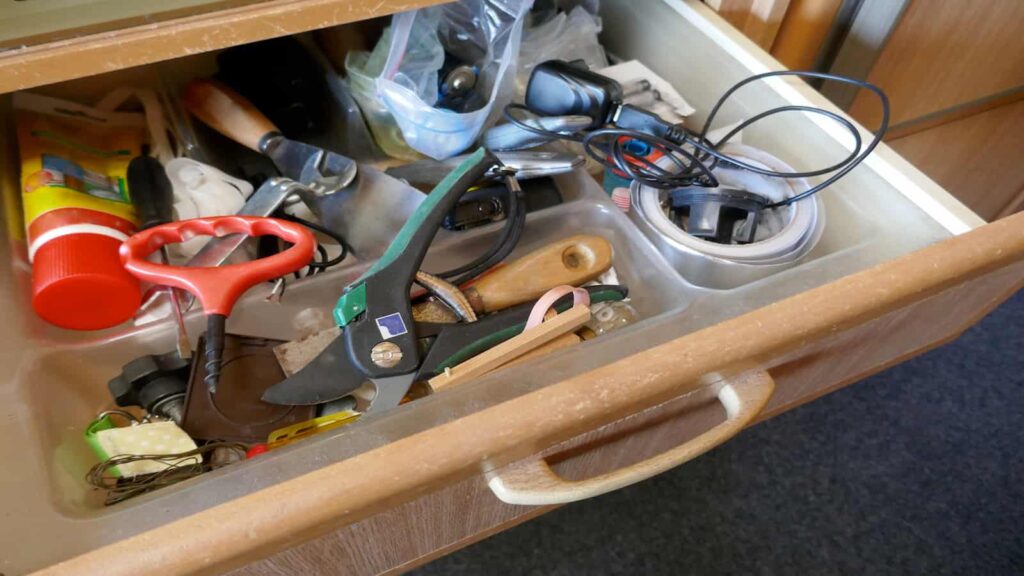
Despite the currency changes over the years, many Brits still find old coins tucked away in drawers or coat pockets. These might be old pre-decimal coins or even recently out-of-circulation coins. It’s a little reminder of the UK’s rich monetary history and how currency has evolved over the decades.

We are Mary and Eric, the founders of Be Right Back, a blog dedicated to romance around the globe and at home.
We are Mary and Eric, the founders of Be Right Back, a blog dedicated to romance around the globe and at home. With over 10 years of experience in dating and traveling to romantic places, we share our favorite date ideas and romantic destinations to help couples level up their relationships. Having lived in and traveled through the USA, we also share our favourite things to do in the States.
With 70,000 monthly readers and 16,000 followers on social media, Be Right Back is your go-to resource for romantic trip ideas and couple activities at home and abroad.