

12 Things Britain Used to Repair That We Now Just Throw Away

Back in the day, fixing things was common, from toasters to TVs. Nowadays, it seems easier to just chuck them out and buy new ones. Let’s take a stroll down memory lane and see what items we used to mend that now often find their way into the bin too soon.
1. Televisions

Remember when families had that one big TV in the living room that lasted for years? When it started acting up, you’d call the repair guy, not the store for a new one. Today, with prices dropping and technology advancing so fast, many of us decide it’s easier or about the same cost to get a new TV than to fix the old one. This change not only impacts our wallets but also contributes to electronic waste, which is tough on the environment.
2. Toasters
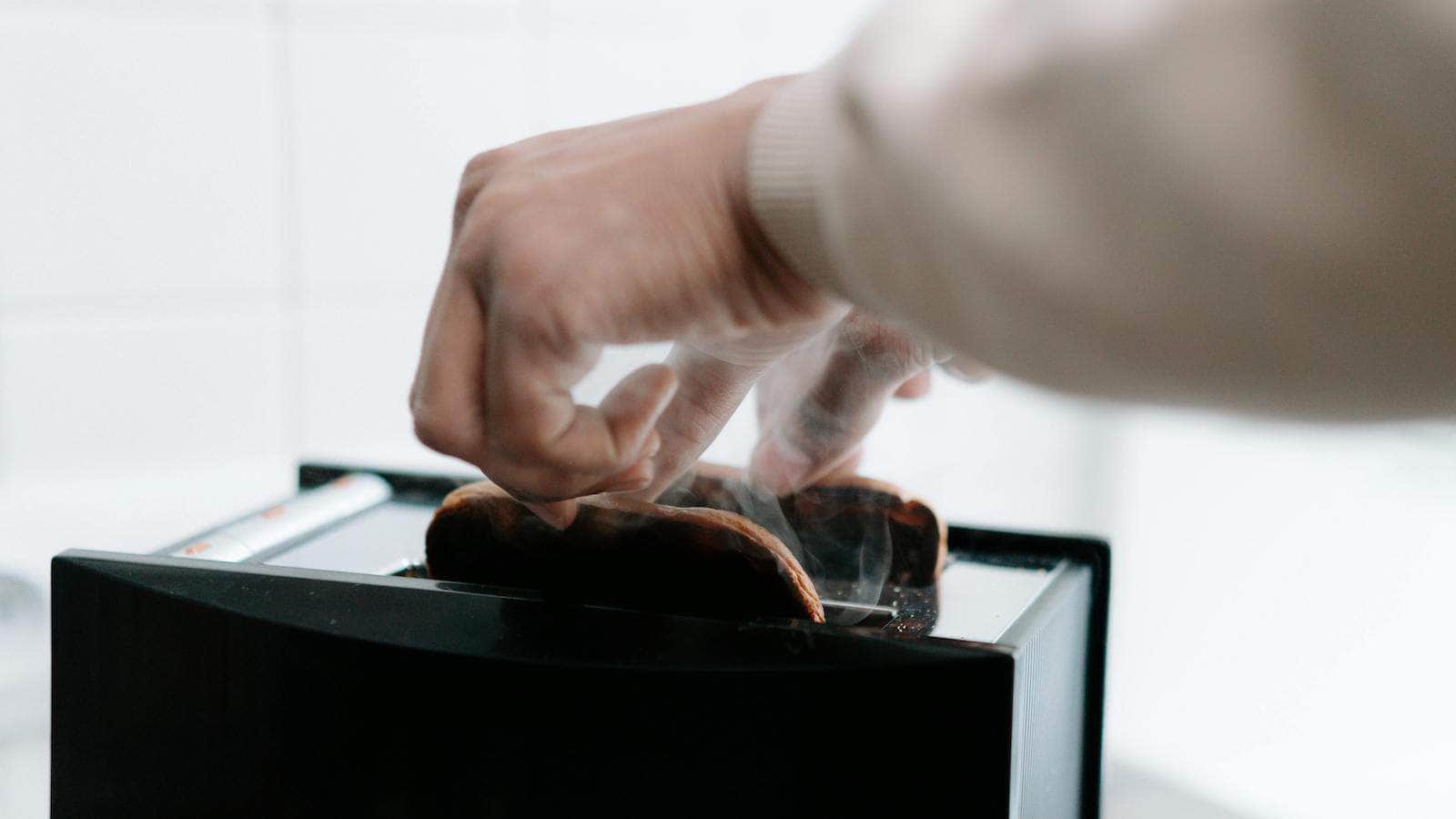
Toast popping up each morning is something we take for granted until the toaster stops working. Back then, you might take your toaster to a local repair shop to get it back in toasting shape. These days, low cost and the hassle of finding someone who can repair small appliances mean many toasters end up replaced rather than repaired.
3. Kettles
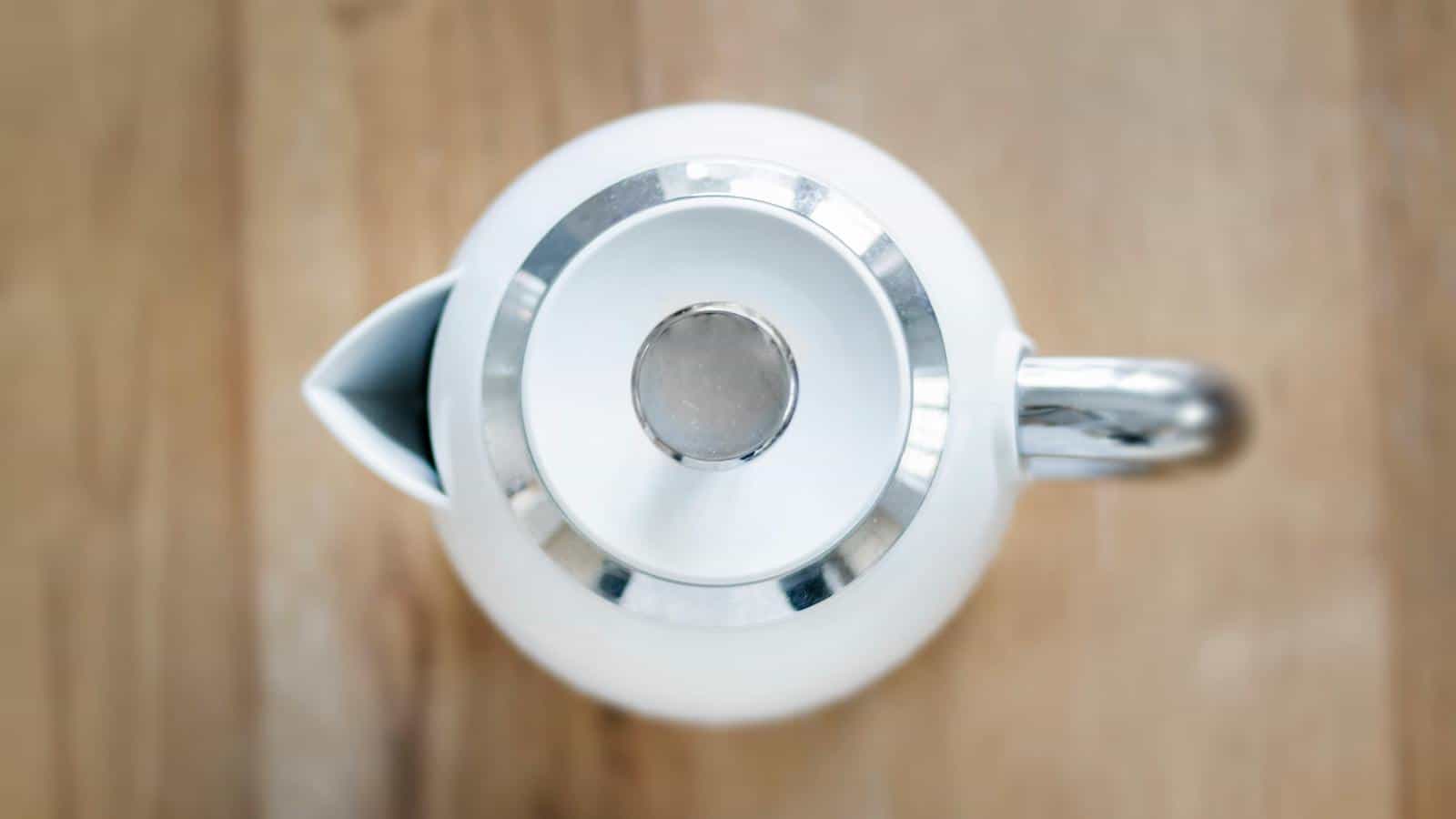
A kettle is a must-have in every kitchen for that quick cup of tea or coffee. It used to be common to descale them regularly and replace parts if needed. Now, with kettles being relatively cheap, many people find it more convenient to simply buy a new one instead of fixing the old one, which adds to more waste and rarely recycled materials.
4. Vacuum cleaners
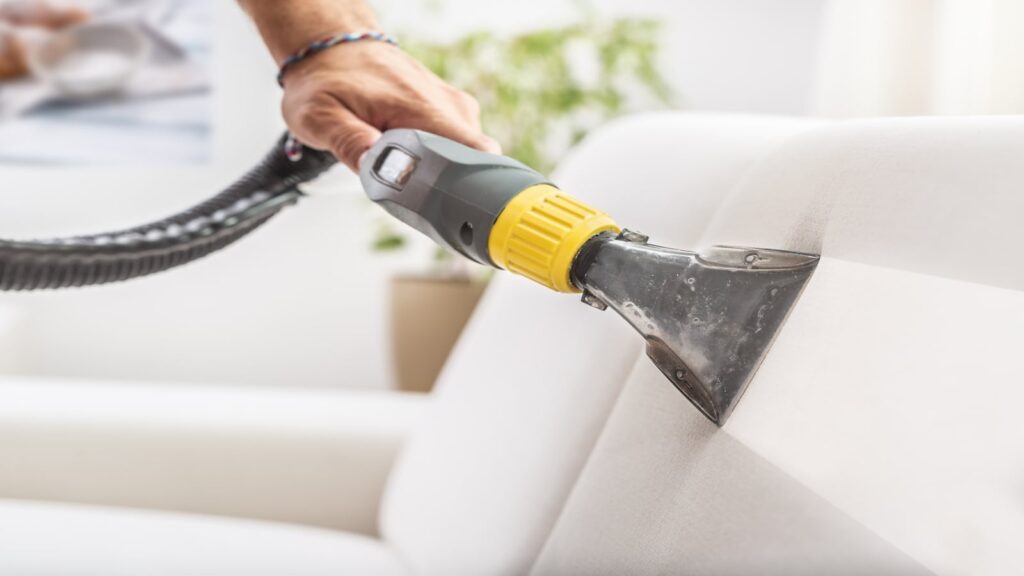
Vacuum cleaners used to be almost a one-time purchase. If your vacuum lost suction or the belt snapped, you’d have it serviced. Nowadays, many of us might just order a new one. The throw-away approach often ignores the possibility of a simple fix, leading to more products ending up in landfills prematurely.
5. Shoes

Shoe repair shops were once a common sight, offering services like sole replacement and stitching. Now, with shoes available at every price point, many find it easier to just replace worn-out shoes. However, this habit means losing out on wearing well-made shoes that could last years with proper care and maintenance.
6. Watches and clocks
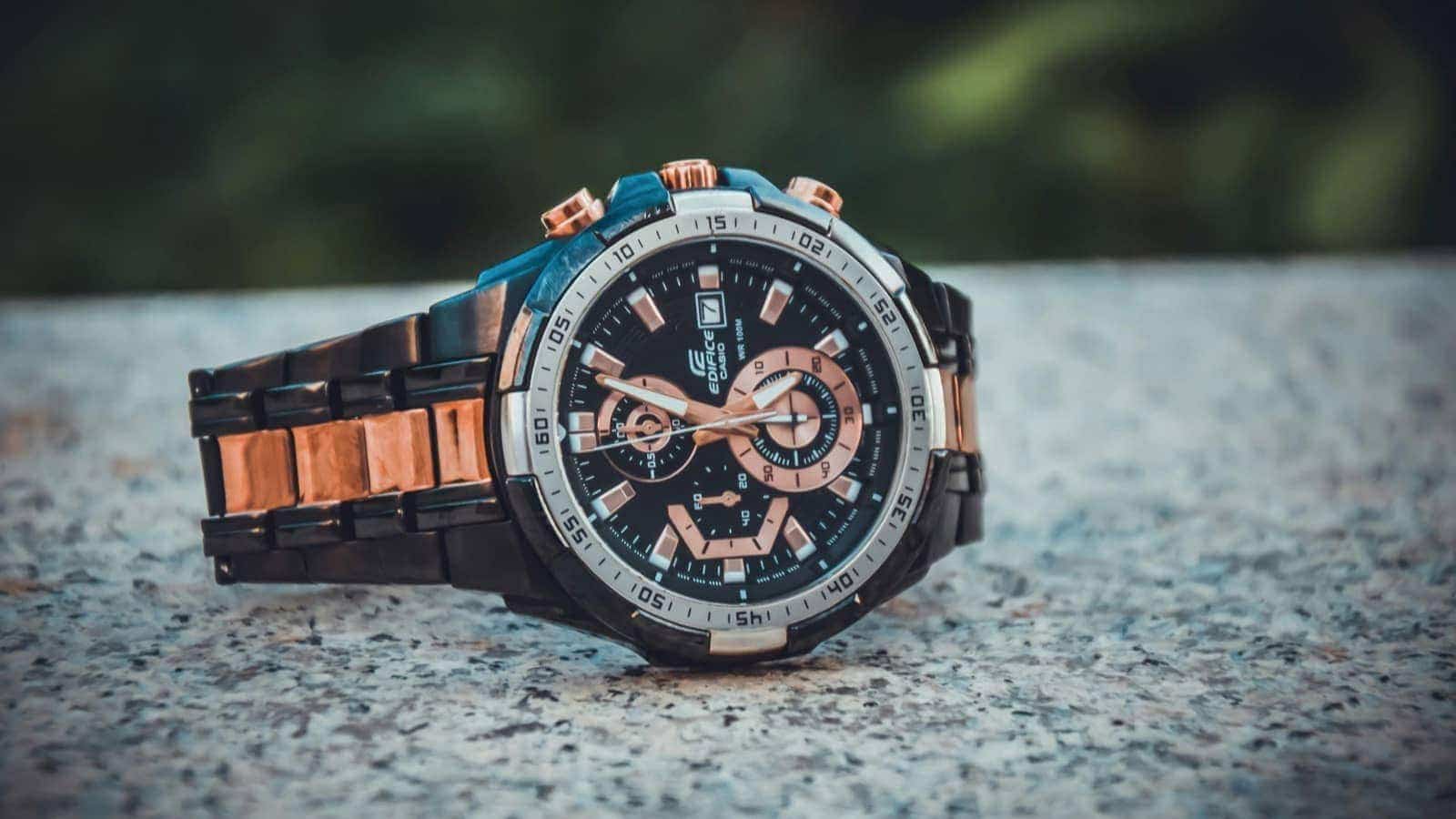
Fixing a cherished watch or family clock used to be a given. These items were often seen as keepsakes. Today, with the advent of cheap watches and digital timekeepers, many mechanical watches and clocks end up forgotten in drawers or thrown away when they stop working, rather than being lovingly maintained.
7. Radios
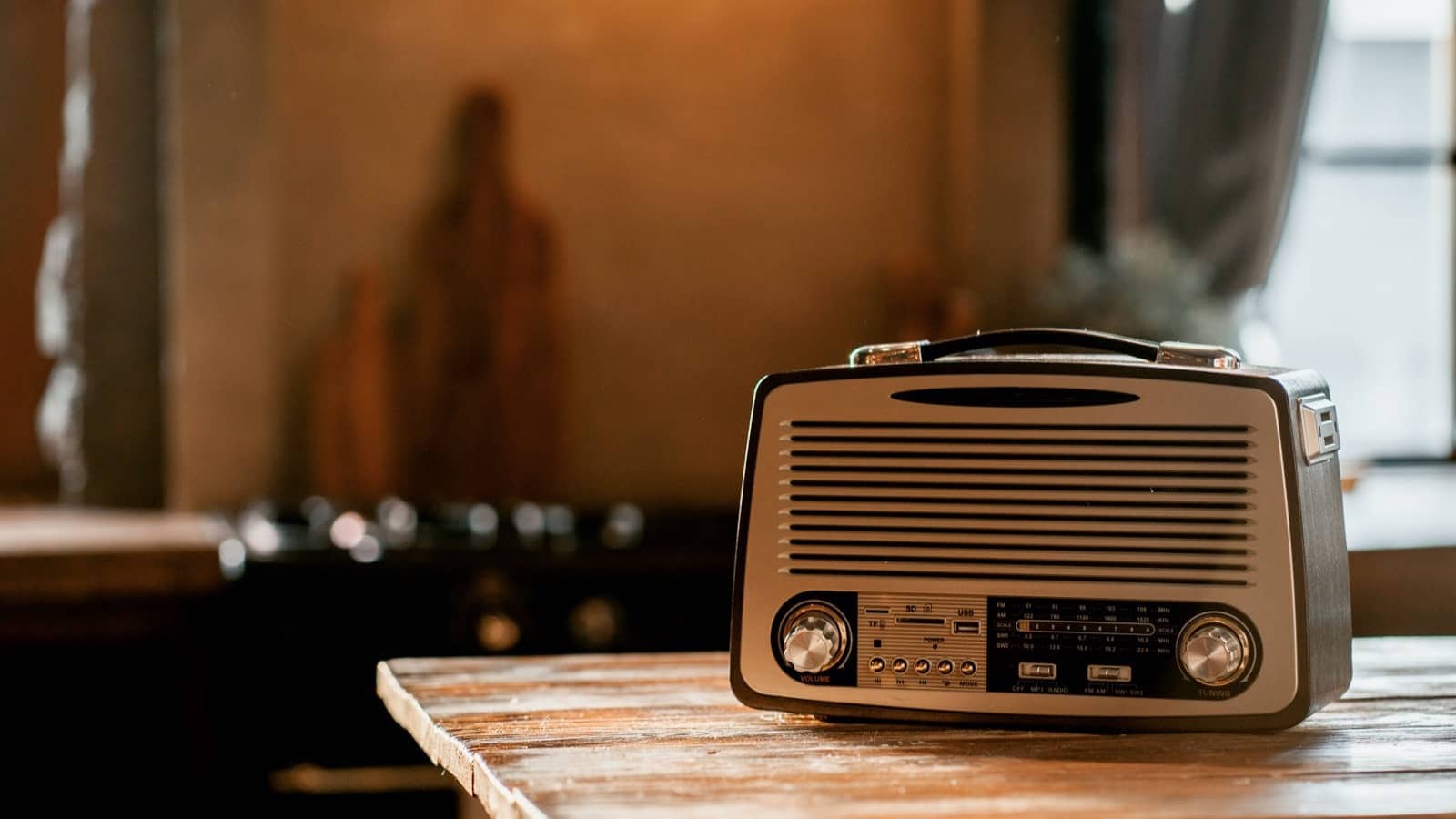
Radios, whether it was the family’s central piece in the living room or a personal transistor type, used to be repaired when they malfunctioned. In our current era of streaming and digital media, radios that break down are often seen as not worth the effort to fix, leading to higher electronic waste.
8. Small kitchen appliances

Blenders, mixers, and other small kitchen gadgets were once fixed at the first sign of trouble. Now, the cost and effort to repair these items often approach or exceed the price of purchasing new ones, making repair seem less appealing and contributing to the growing pile of discarded appliances.
9. Toys
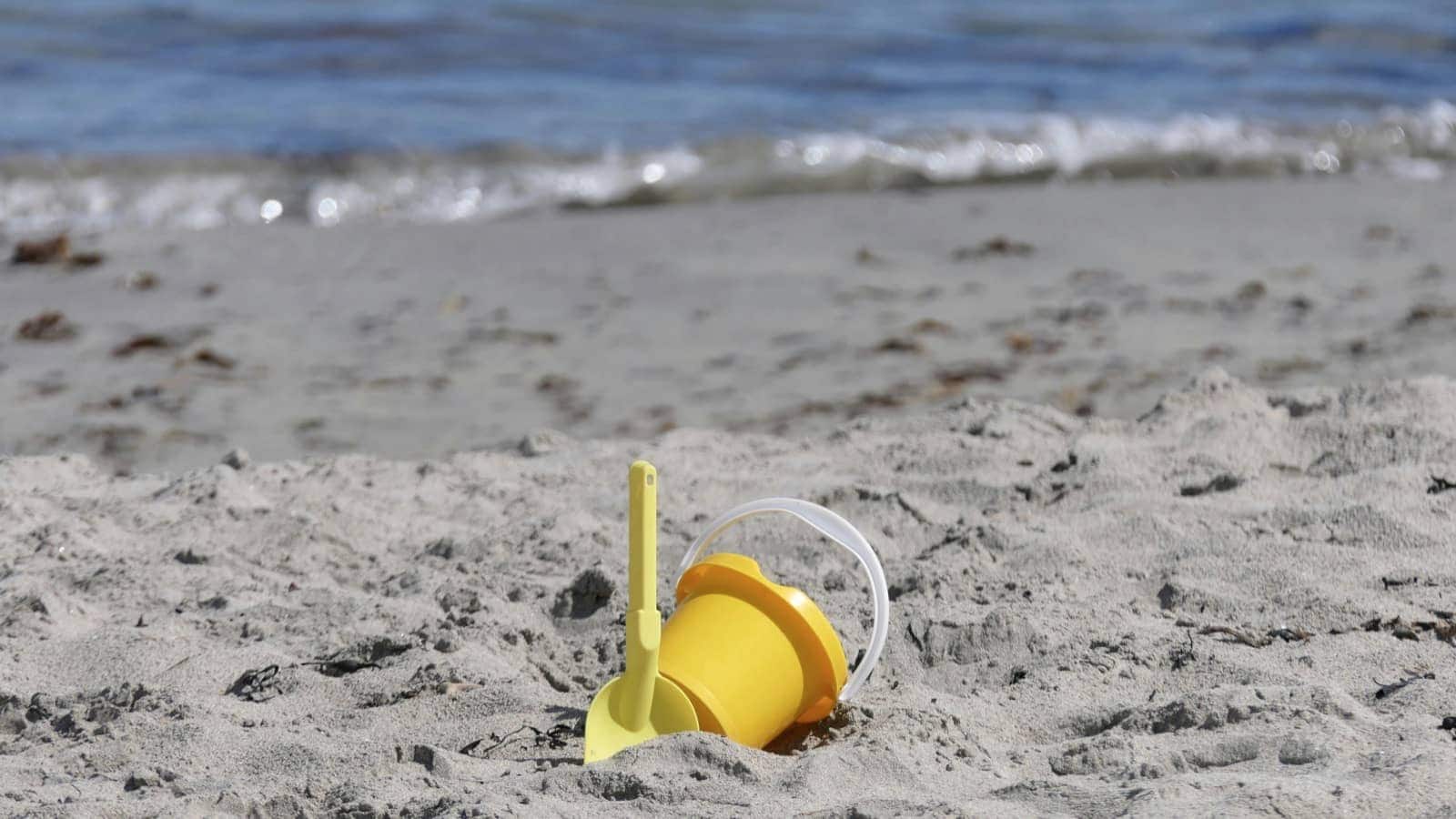
Toy repair was once a loving task performed by many parents to extend the life of a cherished plaything. Today, with mass-produced toys being so affordable, many broken toys are simply replaced, which can teach children disposability rather than the value of taking care of their belongings.
10. Furniture
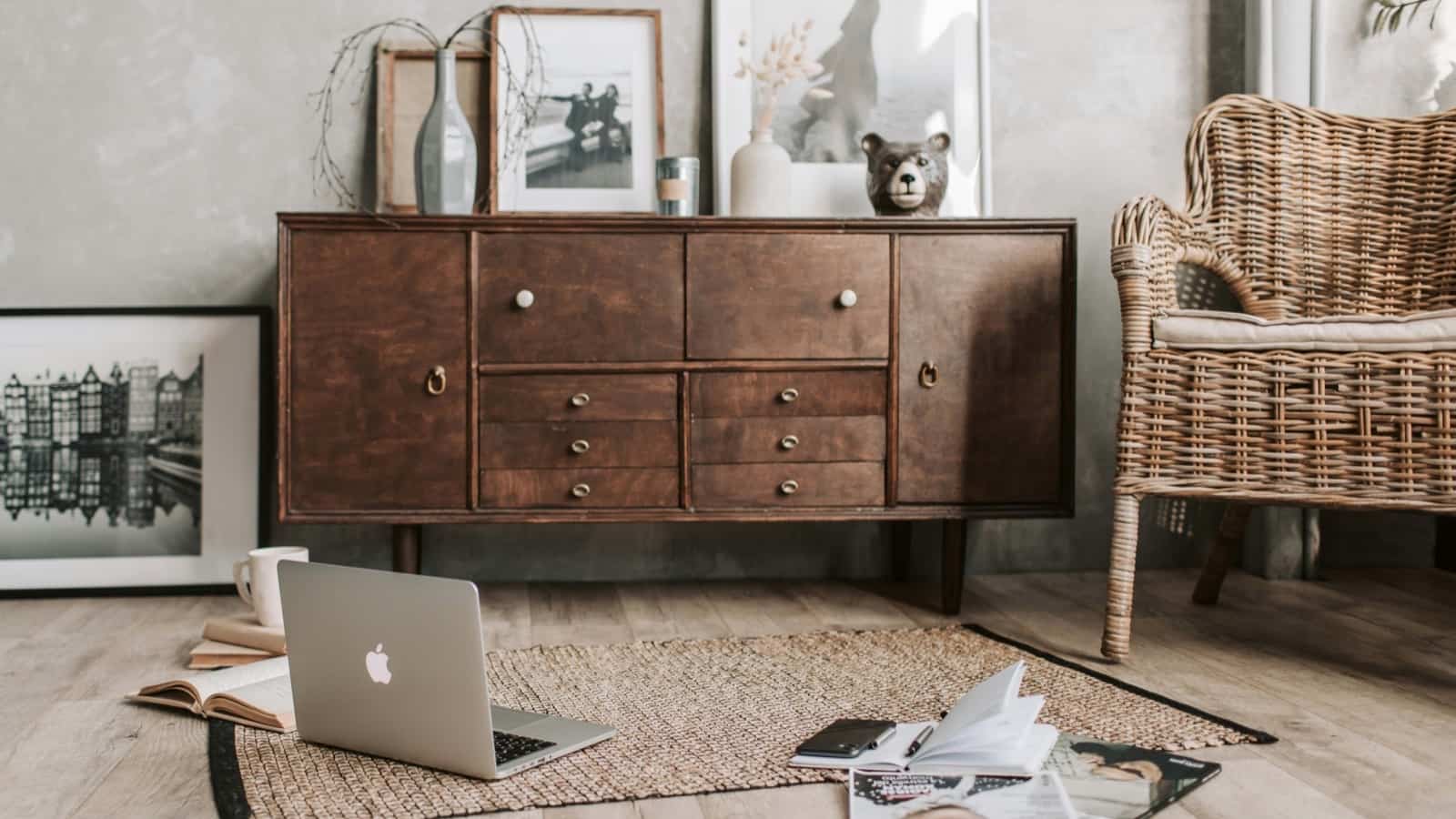
Refurbishing an old piece of furniture could be a weekend project that saved money and preserved a bit of history. Now, with flat-pack furniture and inexpensive options widely available, many choose to replace rather than repair, missing the opportunity to keep unique or well-built pieces in use.
11. Clothes with relatively minor damage

Sewing on a button or patching a tear were skills widely known and used regularly to extend the life of clothes. These days, fast fashion leads many to throw away clothes with minor damage instead of fixing them, contributing to the huge amounts of textile waste produced each year.
12. Electrical items that now cost almost as much to repair as replace

Many electrical items, from laptops to kitchen gadgets, are designed in ways that make them difficult or expensive to repair. Often, the cost of repair is so close to the price of buying new that many opt for the latter, reinforcing a cycle of use and dispose that has significant environmental impacts.

We are Mary and Eric, the founders of Be Right Back, a blog dedicated to romance around the globe and at home.
We are Mary and Eric, the founders of Be Right Back, a blog dedicated to romance around the globe and at home. With over 10 years of experience in dating and traveling to romantic places, we share our favorite date ideas and romantic destinations to help couples level up their relationships. Having lived in and traveled through the USA, we also share our favourite things to do in the States.
With 70,000 monthly readers and 16,000 followers on social media, Be Right Back is your go-to resource for romantic trip ideas and couple activities at home and abroad.