

10 Things Britain Used to Have at the End of Almost Every Street That Made Life Easier

Back in the day, life seemed simpler with various conveniences just a stone’s throw away from home. The streets of Britain were once lined with handy little shops and services that made daily living smoother and kept the community closely knit. Here’s a look at 10 things that used to be at the end of almost every street in Britain, making life easier for everyone.
1. A corner shop for forgotten essentials
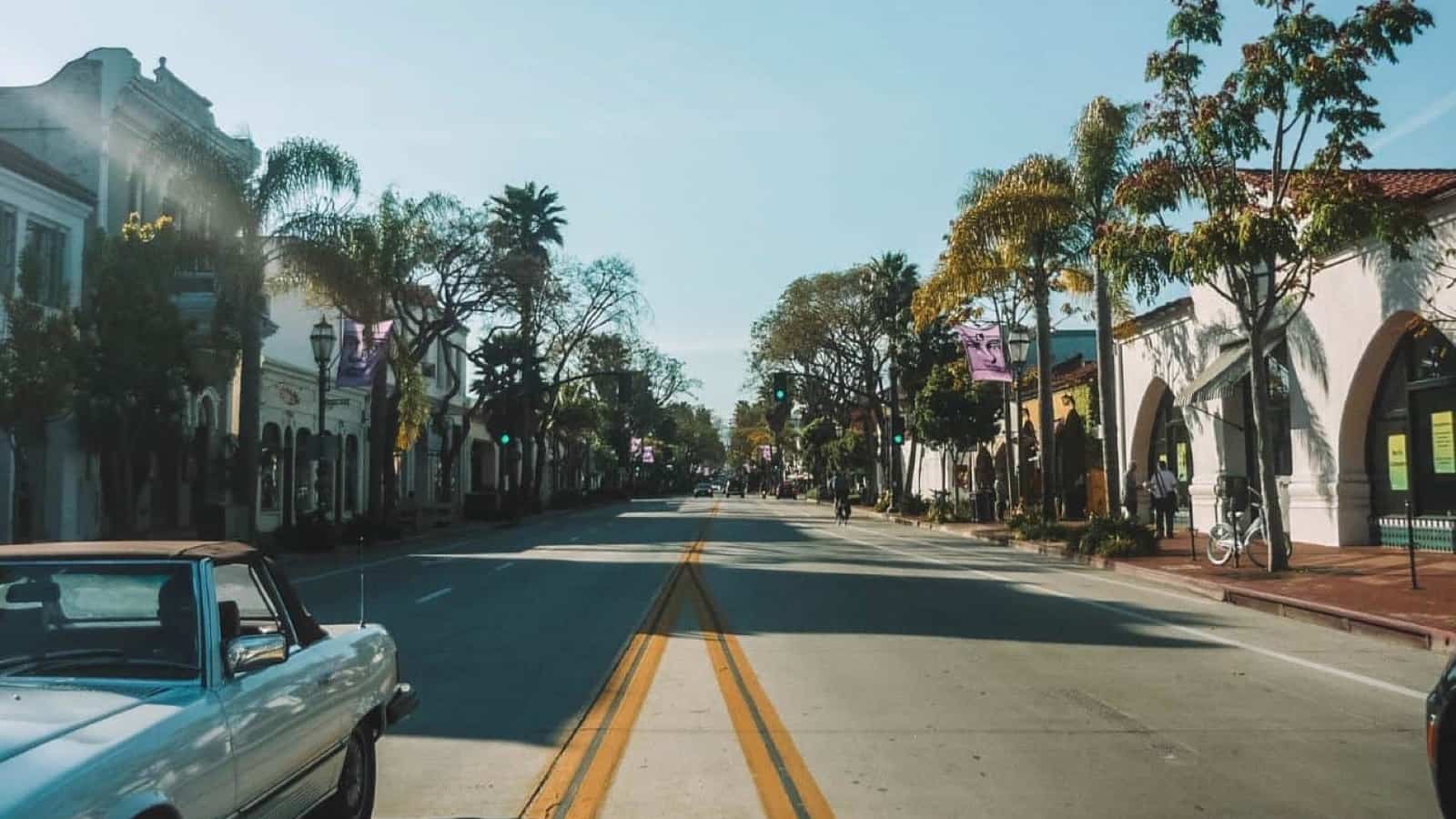
The corner shop was a lifesaver for when you ran out of milk or needed an emergency loaf of bread. This little store was usually run by a friendly face who knew everyone by name. It wasn’t just about picking up what you forgot to buy; it was a place to have a quick chat, catch up on local news, and feel a sense of belonging to your neighborhood.
2. A postbox within a short walk

Having a postbox within a short walk from home made it easy to send off letters and small parcels. It was handy, especially for those without easy transportation, and reinforced the habit of sending handwritten notes and cards, keeping personal communication alive in the community.
3. A public phone box
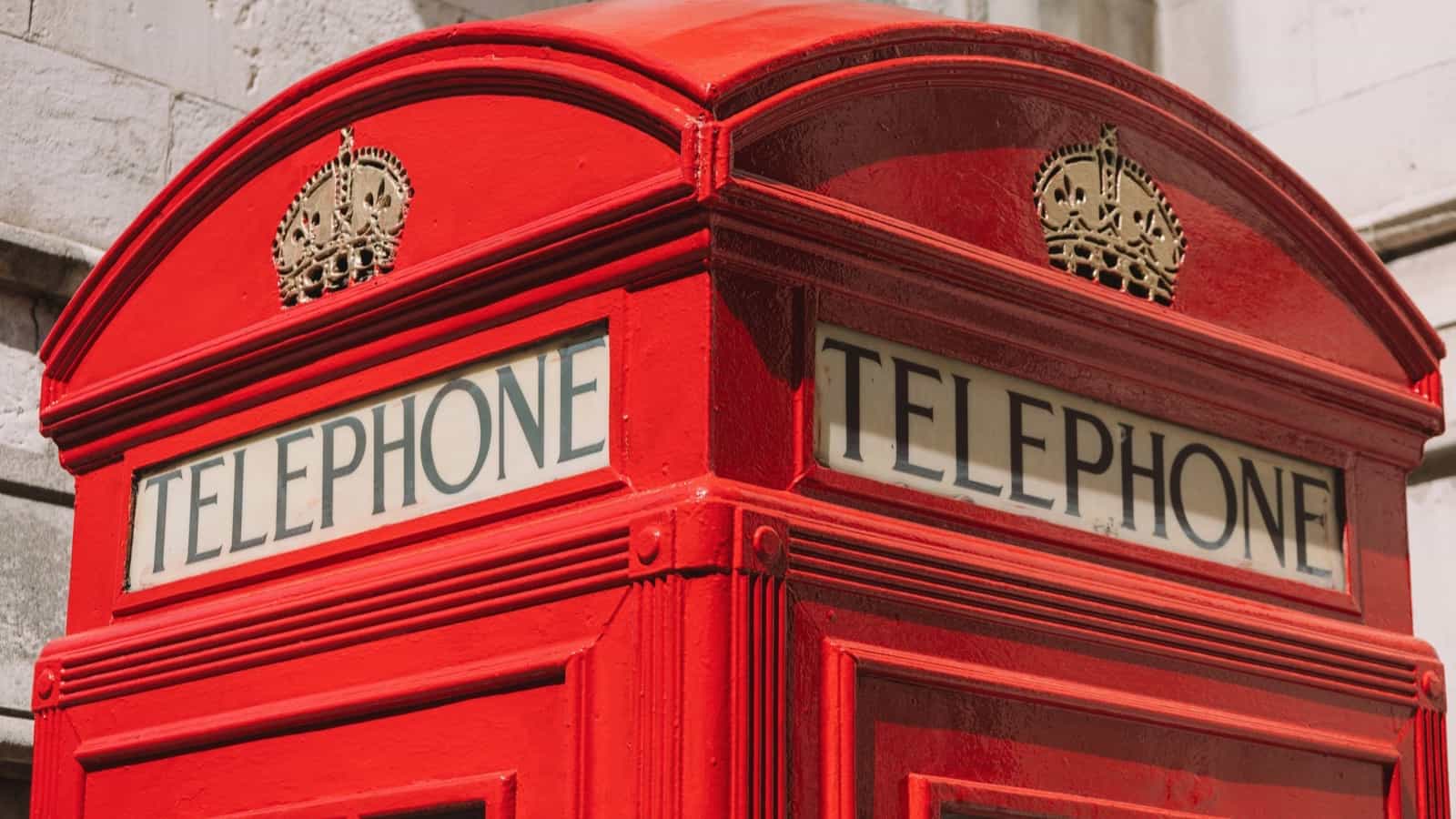
Before everyone had mobile phones, the public phone box was crucial. Whether it was calling a friend who lived far away or making an urgent call when out and about, these iconic red booths were a lifeline, plus a shelter from the rain!
4. A bus stop with regular local services
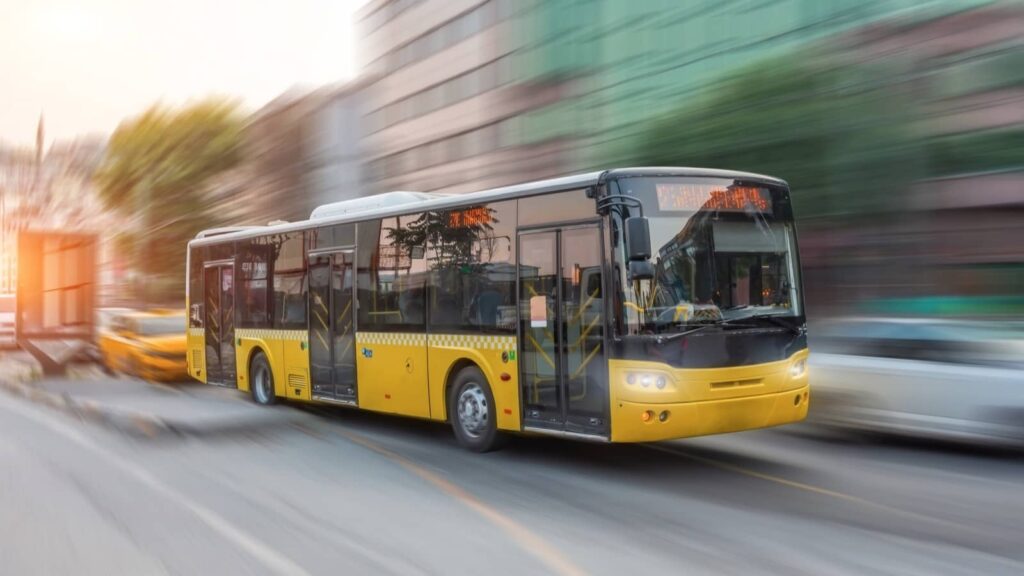
Regular bus services meant that people could get around without a car. This was especially useful for the elderly or teens, providing independence and a way to explore wider areas without hassle.
5. A neighbourhood pub
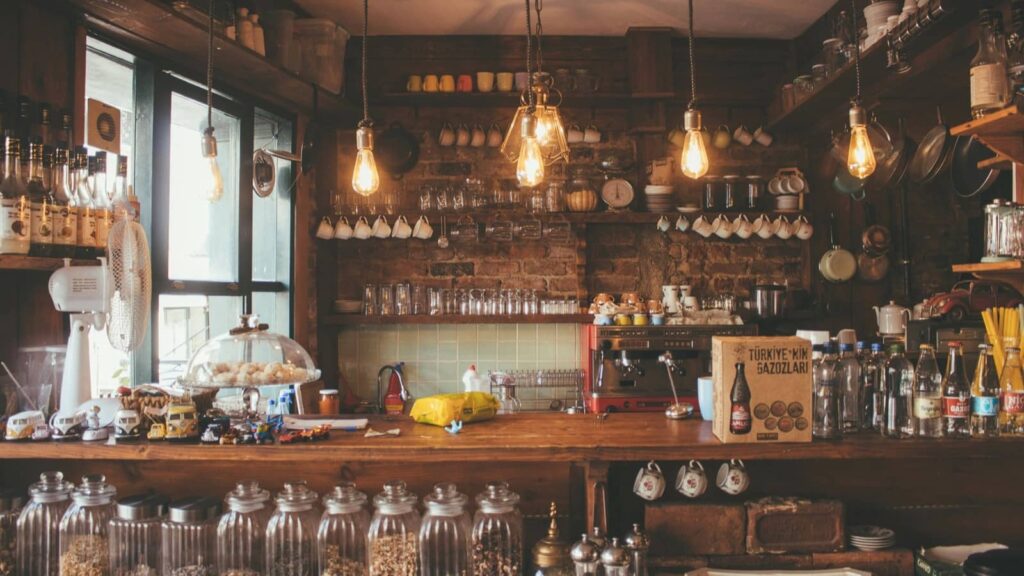
The local pub was more than just a place to drink. It was a community hub where people celebrated, mourned, discussed, and relaxed together. It kept the spirit of the community alive and helped neighbors bond over a pint and a game of darts.
6. A newsagent selling papers, sweets and basics

A newsagent was essential for daily newspapers, magazines, sweets for the kids, or an ice cream on a hot day. It was also a spot to catch up on gossip and chat with the person behind the counter.
7. A local takeaway

Whether it was fish and chips on a Friday night or a quick kebab, having a local takeaway meant you could grab a bite when you didn’t feel like cooking. It also supported local business owners and brought diverse flavors to the neighborhood.
8. A small independent convenience shop

Independent convenience shops were crucial for last-minute dinner items or when you just wanted a treat. These shops often had a personal touch, offering goods that were tailored to the local community’s needs and preferences.
9. Somewhere familiar where neighbours regularly bumped into each other
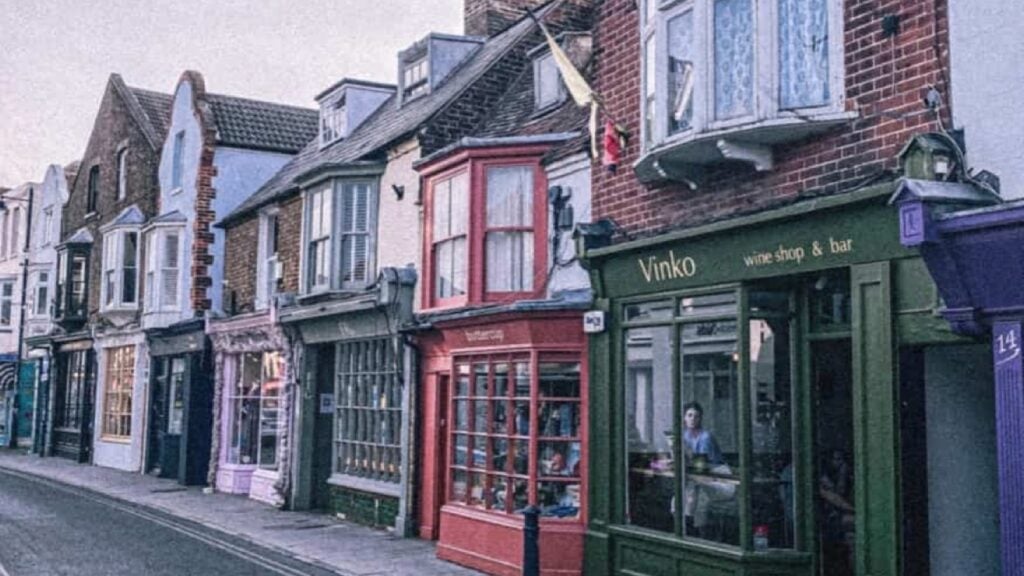
This could be a park bench, a local fair, or just a popular street corner. These spots were where friendships were formed, information was exchanged, and community support systems were built.
10. Enough everyday services nearby that you didn’t need the car for everything
With enough services within walking distance, there was less need to use a car for daily errands. This not only saved on gas but also encouraged walking, which is healthier and better for the environment. Plus, it gave people a chance to bump into each other and stay connected.

We are Mary and Eric, the founders of Be Right Back, a blog dedicated to romance around the globe and at home.
We are Mary and Eric, the founders of Be Right Back, a blog dedicated to romance around the globe and at home. With over 10 years of experience in dating and traveling to romantic places, we share our favorite date ideas and romantic destinations to help couples level up their relationships. Having lived in and traveled through the USA, we also share our favourite things to do in the States.
With 70,000 monthly readers and 16,000 followers on social media, Be Right Back is your go-to resource for romantic trip ideas and couple activities at home and abroad.