
10 Things Britain Used to Have at the Doctor’s Surgery That Have Quietly Disappeared

Not too long ago, visiting a doctor’s surgery in Britain was a different experience from what it is today. From the moment you walked in, the atmosphere and the way things were done felt more personal and straightforward. Let’s take a stroll down memory lane and look at ten things that used to be common in those visits but have since disappeared, making us feel a bit nostalgic for simpler times.
1. A receptionist you regularly recognised

Back then, walking into a doctor’s surgery often meant seeing a familiar face behind the desk. The receptionist not only knew your name but also remembered details about your last visit. This personal touch made doctor visits feel more reassuring and friendly. It was like seeing someone from your neighbourhood who genuinely cared about how you were doing. Unlike today’s often rotating staff, this consistency helped build a comforting sense of community right at your local surgery.
2. Paper appointment cards

Remember getting those little cards with your next appointment written in ink? They were simple, no fuss, and you stuck them on your fridge as a reminder. Today, digital reminders on our phones have taken over, which are efficient but lack the tangible quality that made the old paper cards something special. Plus, they were a little keepsake from your visit – something digital notifications just can’t replace.
3. Magazines covering every waiting-room table

There was a time when waiting rooms had piles of magazines spread across every table. Flipping through these magazines was a way to pass the time while waiting for your turn. From fashion and lifestyle to news, these magazines made the wait less tedious and provided a distraction from the nervous anticipation of a doctor’s appointment. It was a collective experience as everyone had their heads buried in magazines, not mobile phones.
4. Children’s toys in the corner

The small corner filled with toys and books wasn’t just a section; it was a magical little world for children. While parents read magazines, kids could dive into a mini adventure right there in the surgery. This area kept the children entertained and made visits less stressful for parents. Sadly, such corners are rare now, mostly due to hygiene concerns and the digital shift where kids are more likely to play on a tablet.
5. Printed health leaflets covering the walls

Walls adorned with health leaflets provided valuable information at your fingertips while you waited. Whether it was advice on quitting smoking or tips on managing diabetes, these leaflets were handy for patients looking to educate themselves about health conditions. They sparked conversations and sometimes even comforted those who might have felt alone in their health struggles.
6. A physical noticeboard full of community information

The community noticeboard was a treasure trove of local happenings, from bake sales to boot camps. It was a focal point where people could connect, learn about local events, and feel a sense of belonging. Now, most of this information has moved online, which is convenient but can miss that sense of local community spirit found in a simple board full of flyers.
7. Appointments arranged entirely by telephone
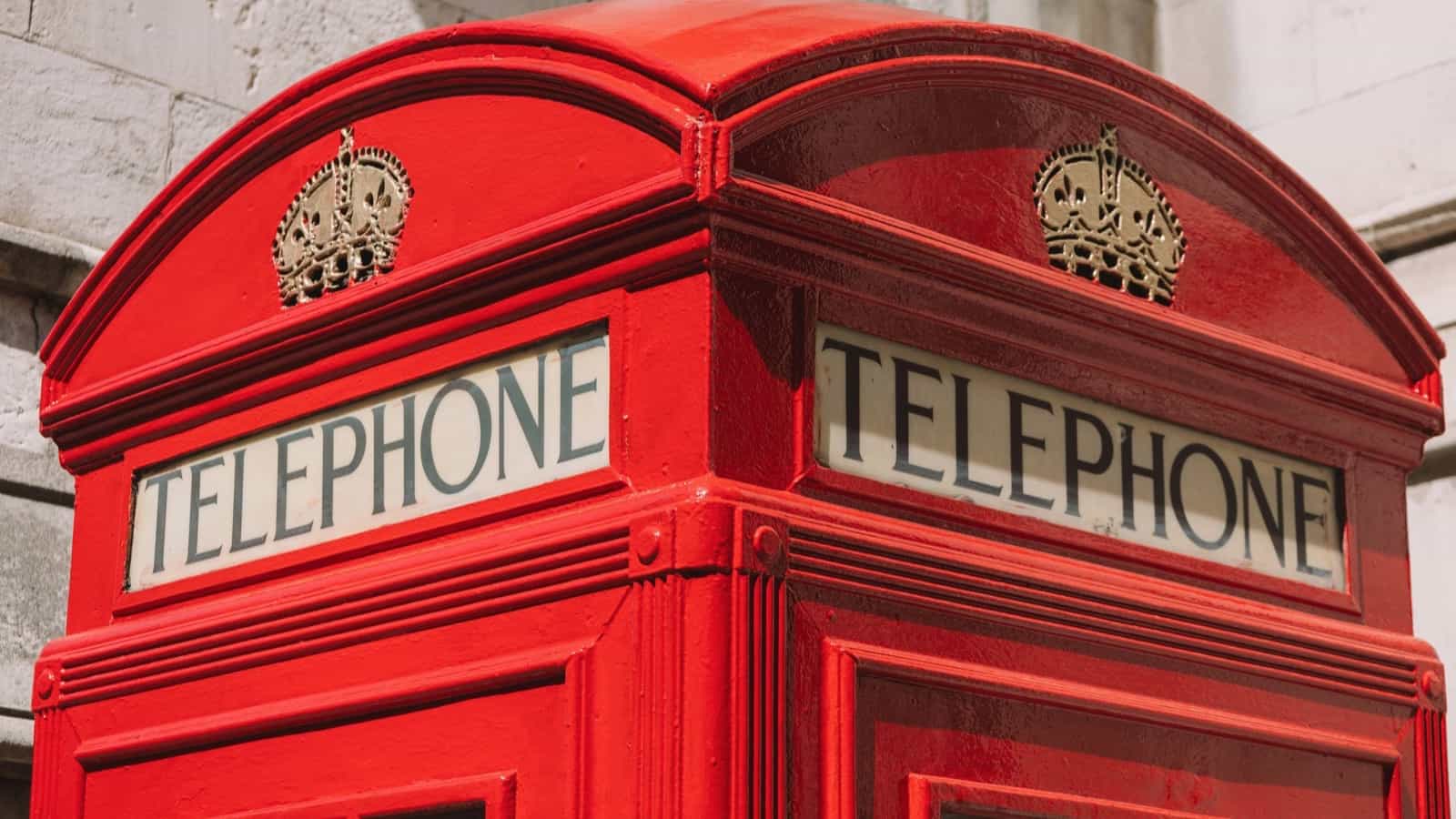
Making an appointment was just a phone call away. You’d hear the voice of the receptionist, often someone you knew, which made the process feel more humane. There were no confusing online forms to navigate or automated voices. It was straightforward and personal, something that many of us miss in the digital age of healthcare.
8. Prescriptions written or printed on paper as the norm

There was a certain ritual to receiving a paper prescription – the doctor scribbling it down as they explained your diagnosis. You held onto this piece of paper, which then had to be handed over to a pharmacist. Now, prescriptions are often sent directly to the pharmacy electronically, which is efficient but takes away the personal handover that once formed part of our healthcare ritual.
9. Waiting rooms where nobody was staring at a phone

Imagine a waiting room where the only sounds were pages turning and low murmurs of conversation. No one was staring down at their phones, scrolling endlessly. This environment somehow made waiting less stressful and more communal. It offered a chance to disconnect from digital devices and perhaps even strike up a conversation with someone next to you.
10. A system that involved far fewer passwords, online forms, and automated messages

The healthcare system was less complicated with fewer barriers between you and your care. You didn’t need to remember multiple passwords or navigate through layers of online security to access basic information. Everything was more direct and often more human, which many found to be less daunting and more accessible.

We are Mary and Eric, the founders of Be Right Back, a blog dedicated to romance around the globe and at home.
We are Mary and Eric, the founders of Be Right Back, a blog dedicated to romance around the globe and at home. With over 10 years of experience in dating and traveling to romantic places, we share our favorite date ideas and romantic destinations to help couples level up their relationships. Having lived in and traveled through the USA, we also share our favourite things to do in the States.
With 70,000 monthly readers and 16,000 followers on social media, Be Right Back is your go-to resource for romantic trip ideas and couple activities at home and abroad.