

10 Things Britain Used to Have at Local Libraries That People Still Miss Today

Local libraries in Britain have always been a treasure trove for book lovers and the curious minded. But, over the years, certain things have disappeared that many of us still miss. These were not just items or features; they were part of the experience that made visiting the library so special. Let’s take a nostalgic look at some of these beloved features that used to be common in British libraries.
1. Cardboard Library Tickets

Remember when going to the library meant you needed your cardboard library ticket? These little cards were your passport to a world of books. As soon as you walked into the library, you’d present your ticket at the desk and dive into the shelves of books. The physical act of handing over your ticket and receiving it back with your borrowed books felt like a special exchange – a key to a kingdom of stories and knowledge. It’s a memory that sticks with many of us, simple yet profoundly integral to the library experience.
2. Date Stamps on the Inside Cover
Date stamps on the inside cover of books were a small thrill in themselves. It wasn’t just about due dates; those stamps chronicled the journey of the book – how many had flipped through its pages, and how far it had traveled. Each stamp was a mark of the book’s history and its shared connection with the community. This simple act of stamping brought a sense of responsibility and a tangible connection to the cycle of readers before you.
3. Card Catalogue Drawers
The card catalogue drawers were an adventure in themselves. Filled with small index cards, they were the map to the library’s treasures. If you wanted to find a book, you’d sift through these cards, feeling like a detective on a quest. There was a tactile joy in flipping through the cards, which is missing from the digital searches of today. The drawers made the search for books interactive and physically engaging.
4. Cassettes and Videos to Borrow

Long before streaming services, libraries were our go-to source for borrowing cassettes and videos. It was here that many discovered music albums, recorded concerts, or movies that were not easily accessible elsewhere. Borrowing these felt like gaining access to a special archive, full of entertainment and learning. The ritual of playing a borrowed cassette or video at home created memories that linked directly back to the library’s diverse offerings.
5. Microfiche Machines
Microfiche machines might seem like a relic now, but they were once a vital tool in libraries. These machines allowed you to view archived documents and newspapers, turning the pages of history through small, flat films. It felt like having a powerful research tool at your fingertips. The unique experience of loading the microfiche, adjusting the viewer, and exploring old documents is something technology has not been able to replicate fully.
6. Strict Librarians Who Shushed Everyone

Strict librarians, often seen as the stern guardians of silence, played a crucial role. Their ‘shushes’ might have seemed a bit harsh at times, but they maintained an atmosphere conducive to reading and studying. In a way, their presence taught us about respect and the importance of quiet in shared spaces. Now, in a world full of constant noise and distractions, the silence they enforced is something many of us find ourselves missing.
7. Story Time for Children

Story time sessions were magical. Seeing children gathered around, listening intently as the librarian turned the pages and brought stories to life, was heartwarming. These sessions were not just about storytelling; they were a communal activity where lifelong bonds with books began. They offered a chance for kids to develop their listening skills, expand their imagination, and interact with other children.
8. The Mobile Library Van

The mobile library van was a symbol of accessibility. It brought books to those who couldn’t easily reach a library building – a crucial service for rural or isolated communities. The arrival of the library van was often an event in itself, greeted with excitement and anticipation. It turned the idea of a library from a static space to a dynamic service that reached out to include everyone.
9. Local Newspapers to Read for Free
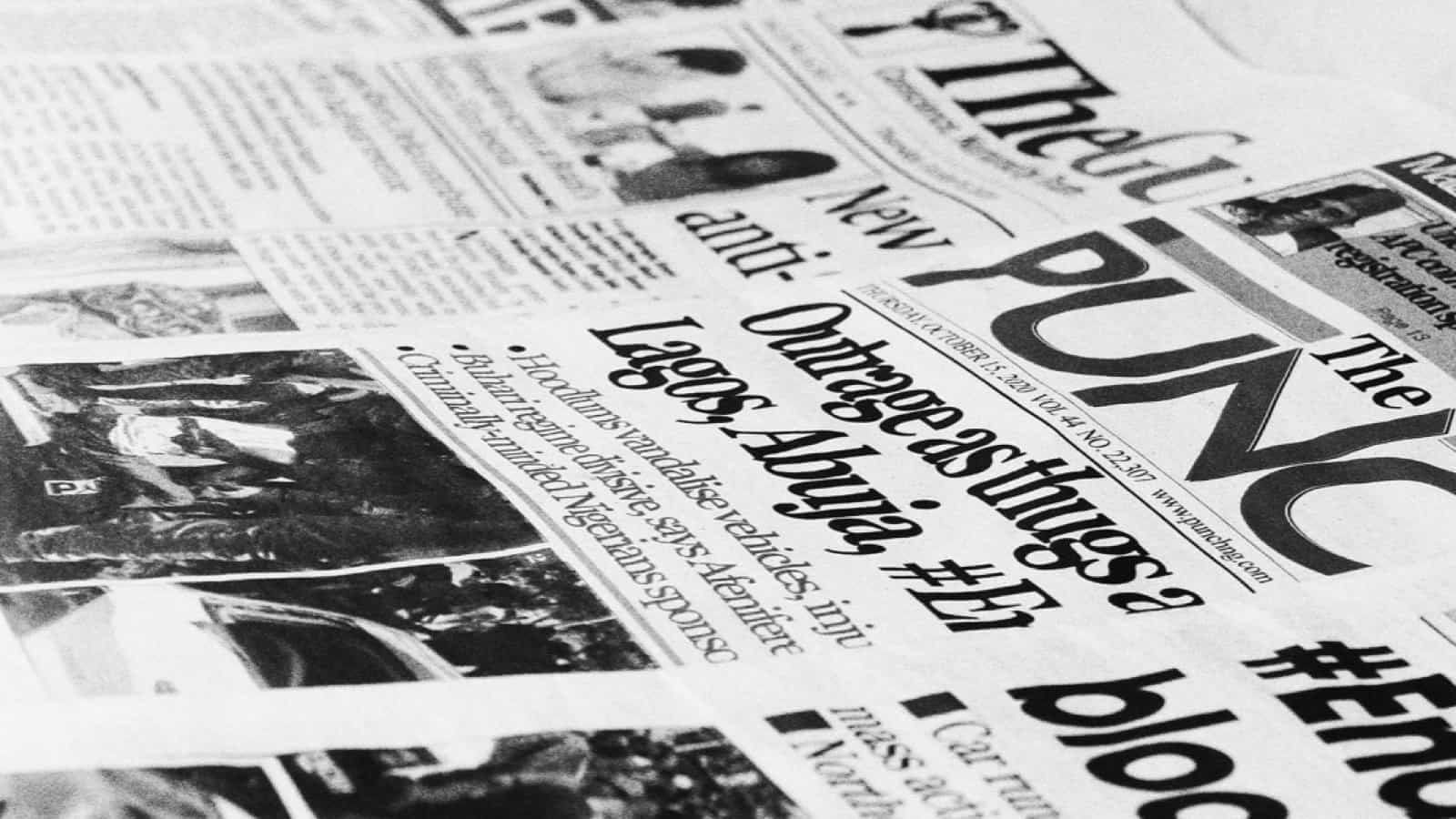
Local newspapers available for free at the library provided a daily connection to the community. They were a resource for local news, events, and announcements. Reading the newspaper at the library could also be a social activity, often sparking discussions among the readers. This facilitated a sense of community and kept everyone informed and engaged with local happenings.
10. A Photocopier at 10p a Page

The library photocopier was more than just a machine; it was a vital resource for copying important documents, homework, or information from books. At 10p a page, it was an affordable and accessible tool for everyone. This simple service greatly supported students, researchers, and the general public, making information duplication easy and cheap.

We are Mary and Eric, the founders of Be Right Back, a blog dedicated to romance around the globe and at home.
We are Mary and Eric, the founders of Be Right Back, a blog dedicated to romance around the globe and at home. With over 10 years of experience in dating and traveling to romantic places, we share our favorite date ideas and romantic destinations to help couples level up their relationships. Having lived in and traveled through the USA, we also share our favourite things to do in the States.
With 70,000 monthly readers and 16,000 followers on social media, Be Right Back is your go-to resource for romantic trip ideas and couple activities at home and abroad.