

12 Things Americans Consider Normal When Going to the Doctor That Brits Would Find Unnecessarily Complicated

Visiting a doctor in the US can be a bit of a process, especially seen through the eyes of someone from the UK. There are certain things Americans do when visiting the doctor that might seem overly complicated to Brits. Let’s walk through some of these practices, so you can see just how different healthcare experiences can be between the two places.
1. Check the doctor is in their insurance network

When Americans need a doctor, they first have to make sure the doctor is ‘in-network’. This means the doctor is part of a list approved by their health insurance. If you go to an ‘out-of-network’ doctor, you might end up paying a lot more. For Brits, who are used to the NHS where you can see any doctor without worrying about networks, this can seem really complicated and a bit of a headache.
2. Pay a copay at reception
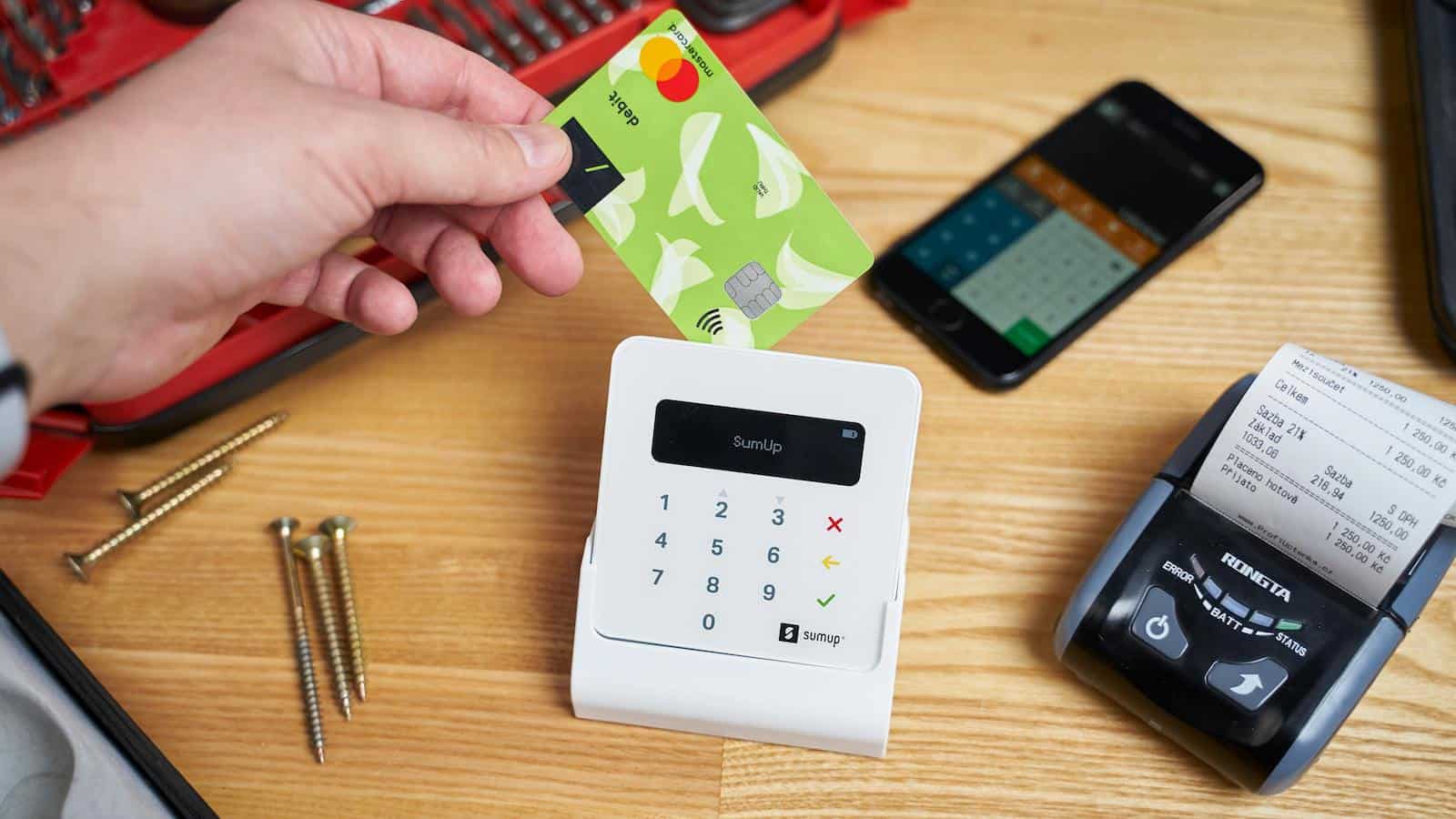
At the doctor’s office in the US, you’ll often have to pay a copay when you check in at reception. This is a fixed amount for the visit, decided by your health insurance. In the UK, doctor visits are covered by the NHS, so the concept of paying upfront can be quite strange and unexpected for Brits.
3. Fill out the same forms every visit

Every time Americans go for a doctor’s appointment, they often need to fill out forms with questions about their health history, even if they’ve been there before. This repetitive process can seem unnecessary and time-consuming, especially for someone from the UK where your health records are usually already on file.
4. Get a bill weeks later

After a doctor’s visit in the US, you might get a bill weeks later, even if you paid a copay. This bill covers what your insurance didn’t. For Brits, the idea of receiving a bill long after the appointment can be surprising since healthcare services are typically prepaid via taxes in the UK.
5. Ask how much a test costs first

In the US, medical tests can be expensive. Americans often need to ask about the cost beforehand and check if their insurance covers it. In the UK, where medical tests are covered by the NHS, the need to discuss costs before a test seems unusual and a bit worrying.
6. Wait for insurance to approve treatment

Sometimes in the US, before you can get treatment, you have to wait for your insurance company to approve it. This can delay when you start your treatment. Brits, used to immediate treatment decisions under the NHS, might find this delay frustrating and overly bureaucratic.
7. Choose their own specialist

In the US, patients often have the option to choose their own specialist. This freedom to choose might be appreciated in the US but can be seen as another layer of complexity in the UK where your doctor usually refers you to specialists.
8. Book a yearly check-up

It’s common in the US to book a yearly check-up to monitor your health. This proactive approach is different from the UK, where check-ups are not as routine unless you have a specific health issue.
9. Wait in a second room after the waiting room

In the US, after waiting in the main waiting room at a doctor’s office, you’re often taken to a second room where you wait again for the doctor. This two-step waiting process can seem like an unnecessary delay for someone from the UK, where typically only one waiting area is used.
10. Head to an urgent care centre
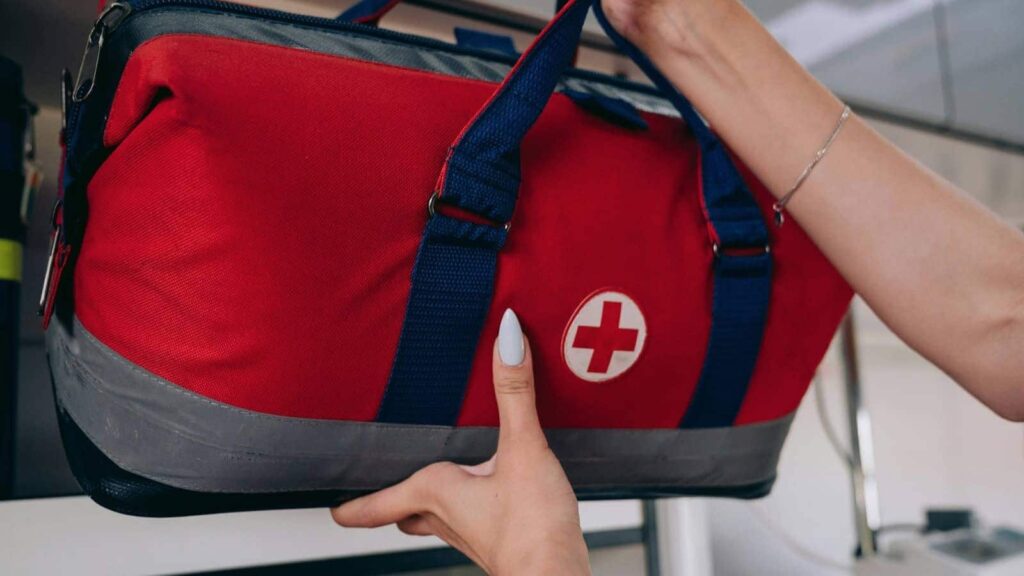
When Americans need quick medical attention that’s not life-threatening, they often go to an urgent care center. These facilities are less common in the UK, where you might go to an NHS Walk-in Centre or call out-of-hours services from your GP.
11. Compare prescription prices between pharmacies

In the US, the cost of prescriptions can vary a lot between pharmacies. This makes many Americans compare prices before they buy. In the UK, prescription charges are standardized, so the idea of shopping around for a better price on medicine is quite novel.
12. See adverts for medication on TV

It’s common in the US to see adverts for medications on TV, encouraging patients to ask their doctor about the drug. In the UK, advertising prescription drugs directly to consumers is not allowed, making this a very foreign concept to Brits.

We are Mary and Eric, the founders of Be Right Back, a blog dedicated to romance around the globe and at home.
We are Mary and Eric, the founders of Be Right Back, a blog dedicated to romance around the globe and at home. With over 10 years of experience in dating and traveling to romantic places, we share our favorite date ideas and romantic destinations to help couples level up their relationships. Having lived in and traveled through the USA, we also share our favourite things to do in the States.
With 70,000 monthly readers and 16,000 followers on social media, Be Right Back is your go-to resource for romantic trip ideas and couple activities at home and abroad.