

12 Things Americans Consider Normal When Going on a Road Trip That Brits Would Find Completely Over the Top

American road trips can feel huge to British visitors. In the UK, a few hours in the car can take you across a large part of the country, so a long weekend drive usually has clear limits. In the US, people often treat the open road as part of the holiday. They drive for most of the day, cross state lines before lunch, and stop at places designed for people passing through. There is a lot more space, longer highways, and a strong habit of planning holidays around the car. For many Americans, a road trip means snacks in a cooler, a packed playlist, cheap motels, and plenty of odd stops along the way. To Brits, some of these habits can sound exhausting, expensive, or just a bit over the top. Here are 12 American road trip traditions that may raise a few British eyebrows.
1. Drive for ten hours in one day
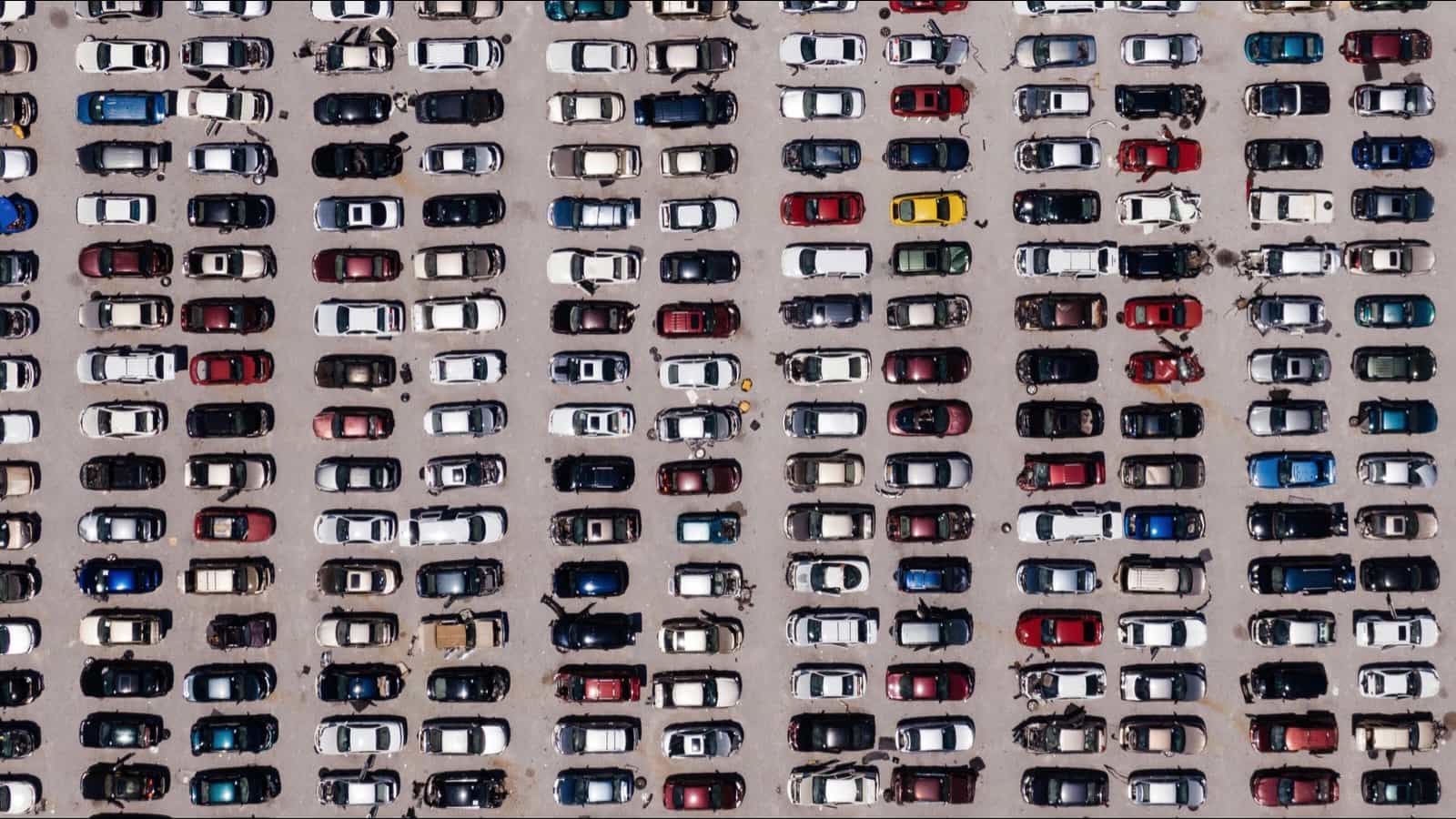
For many Americans, driving for ten hours in a single day is a normal way to get a holiday started. Families may leave before sunrise, swap drivers at petrol stations, and keep going until it gets dark. In Britain, that kind of drive would feel like a major effort. You could travel from one end of England to another in far less time, traffic allowing. In the US, though, the distance between places can be huge. A ten-hour drive may simply get you from one state to the next part of the country. People often plan food, fuel, toilet breaks, and music around the drive. Brits may wonder why anyone would not stop sooner, but Americans often see the long day behind the wheel as part of the experience.
2. Cross several states in a weekend

Crossing several states in one weekend sounds dramatic to many Brits. State lines can feel important on a map, but in parts of America they are crossed as easily as county borders in the UK. A family might leave on Friday afternoon, spend Saturday in another state, and be home by Sunday night. In the north-east, a short drive can take people through several states without much fuss. In larger areas, the distances are far greater, yet Americans are still used to covering serious miles. British drivers may see a weekend as time for one destination and a relaxed schedule. Americans are more likely to build a full route, with stops for food, shopping, or sightseeing. The idea of ticking off multiple states is often part of the fun.
3. Change time zones without leaving the car
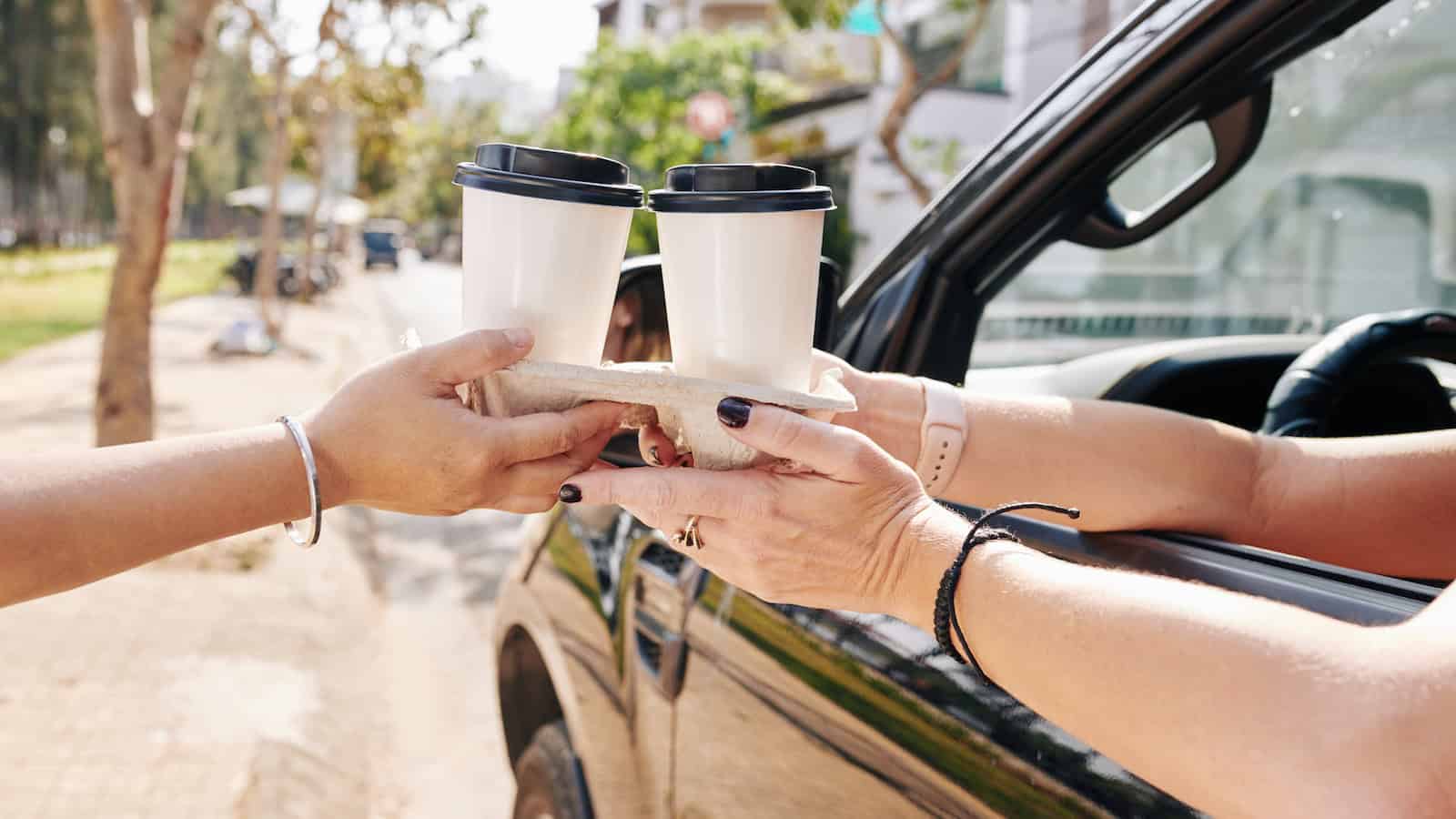
In the US, it is possible to drive along a highway and suddenly gain or lose an hour. That can feel strange to British visitors, who usually need a flight to experience a time change. America has several time zones across the mainland, and long-distance drivers need to keep track of them. A hotel booking, dinner reservation, or national park entry time can become confusing if the clock changes during the drive. Americans often take it in their stride. Their phones update, the car clock may change, and the road trip continues. For a Brit, it can feel oddly extreme to leave breakfast in one time zone and arrive for lunch in another without ever stepping out of the car. It is one more sign of just how large the country is.
4. Hire an RV for the whole family

Hiring a huge RV can seem like a very American answer to a family holiday. These vehicles can have beds, a bathroom, a kitchen, seating areas, and enough storage for everyone’s bags. For British travellers, driving something that large can sound stressful before the holiday has even begun. Narrow roads, tight car parks, and small campsites make the idea less appealing in the UK. In America, RVs fit the scale of the roads and the campsite culture. Families can sleep in national parks, cook meals, and avoid unpacking every night. There are RV parks with hook-ups, laundry rooms, pools, and space for big vehicles. It may look excessive to a Brit, but for Americans it can be a practical way to take children, grandparents, and lots of gear on one long break.
5. Pack a cooler full of drinks and snacks

An American road trip often starts with a cooler packed to the brim. There may be bottled water, fizzy drinks, sandwiches, fruit, cheese sticks, crisps, and enough snacks to feed a small group for days. Brits might bring a few drinks and a packet of biscuits, then stop at a service station when needed. Americans often prefer to be prepared, especially when driving through remote areas where the next shop could be a long way off. The cooler sits in the back seat or boot, ready for every stop. It also saves money, since buying food at petrol stations and tourist sites can add up quickly. To British eyes, the amount of food can look over the top. To an American family, it is basic road trip planning.
6. Plan stops at giant roadside attractions

America has a special love for giant roadside attractions. Drivers may go out of their way to see an enormous ball of twine, a massive dinosaur, a giant cowboy boot, or a statue shaped like a local food. These stops are often silly, but that is the point. They break up a long drive and give families a funny photo for the holiday album. British tourists may be surprised that people plan their route around something so strange. In the UK, a roadside stop is more likely to mean a service station, a pub, or a historic town. In the US, roadside attractions became popular when more families started driving long distances. Many remain loved because they offer a small bit of fun between miles of motorway. They make the drive feel less repetitive.
7. Stay in a different motel every night
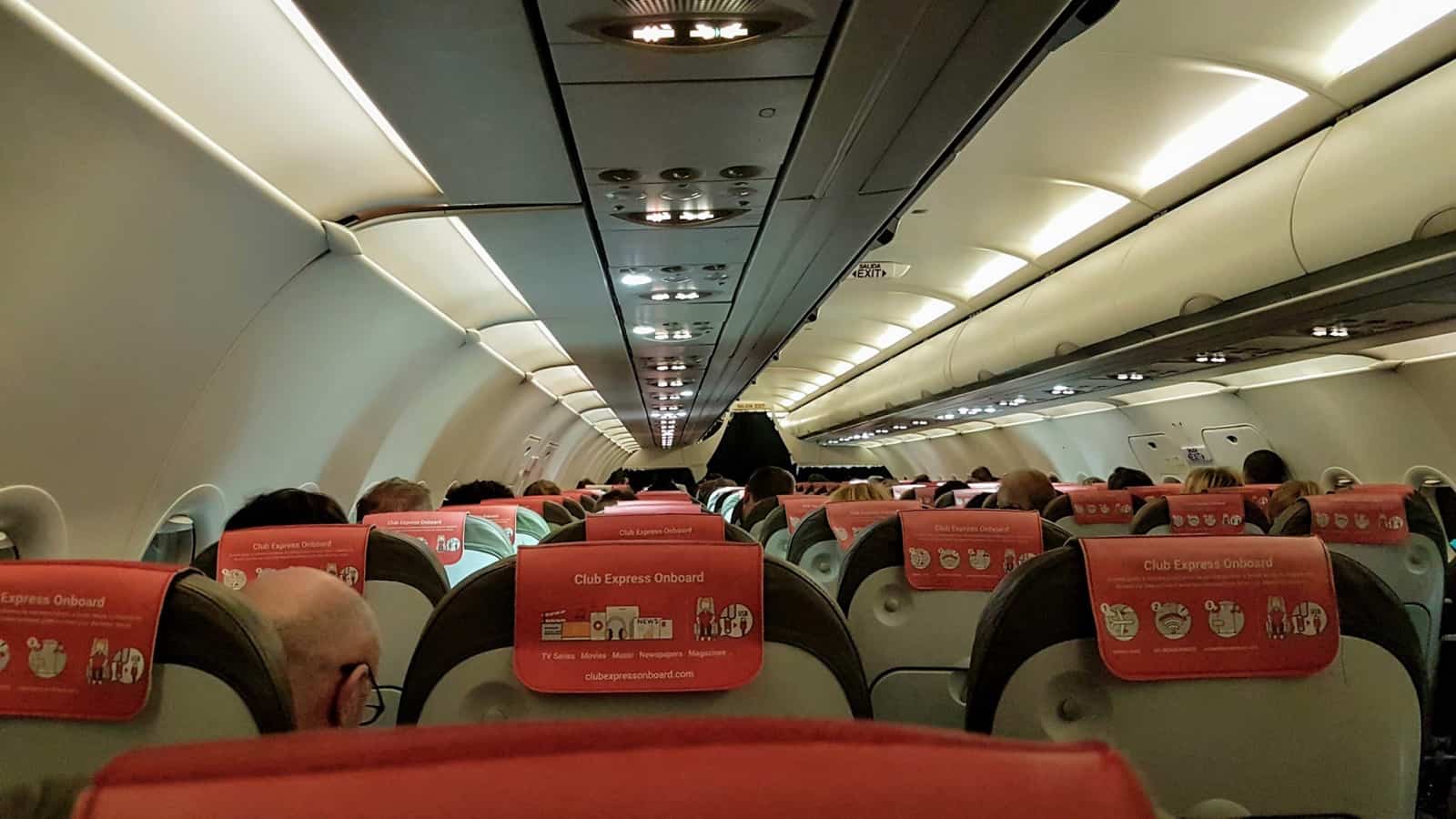
Many American road trips involve staying in a different motel every night. You drive, stop when you have had enough, check in, sleep, and head off again in the morning. British holidaymakers often prefer one hotel, cottage, or caravan site as a base. Unpacking and repacking every day can sound tiring. In the US, though, motels were built for people travelling by car. They are usually easy to reach from main roads, have parking outside the room, and offer a simple place to sleep without much planning. Some are basic, while others have pools, free breakfast, and family rooms. Moving on each day lets people cover more ground and see more places. For Americans, the motel can be part of the road trip rhythm rather than a destination itself.
8. Plan the route around national parks
Americans often build an entire driving holiday around national parks. A route might include Yellowstone, Yosemite, the Grand Canyon, Zion, or several parks in one region. For British visitors, the size and scale of these places can be hard to picture. A national park may take hours to drive through, with viewpoints, hiking trails, campgrounds, and wildlife along the way. In the UK, national parks are loved, but they are much smaller and easier to reach on a short break. In America, families may drive hundreds of miles between parks and stay near each one for a night or two. The car makes it possible to carry walking shoes, picnic food, tents, and outdoor gear. It is a big commitment, but the landscapes make many people feel the miles are worth it.
9. Collect a fridge magnet from every state
Collecting a fridge magnet from every state is a small habit that can become very serious. Some Americans buy one whenever they cross a state line, while others search for magnets shaped like the state or printed with a famous local landmark. Over time, the fridge becomes a record of family holidays and long drives. Brits collect souvenirs too, but gathering one from every state has a clear goal because there are 50 to complete. It turns the map into a personal checklist. Children often enjoy keeping track of which states they have visited, and parents like having an easy souvenir that does not take up much space. To someone from Britain, buying magnets in every state may seem a lot. For American road trippers, it is a simple tradition with lasting memories.
10. Eat most meals at drive-throughs

On a long American road trip, drive-through food can become the main meal plan. Breakfast may come from a coffee chain, lunch from a burger place, and dinner from another stop near the motel. It is quick, familiar, and easy when everyone is tired. Brits may find the idea of eating most meals in the car a bit much, especially over several days. In the UK, stopping at a pub, café, or service station restaurant may feel more normal. But when there are hundreds of miles still to cover, Americans often choose speed over a sit-down meal. Drive-throughs are everywhere near major roads, and families know what they are getting. It may not be fancy, but it keeps the schedule moving and avoids long waits with hungry children.
11. Download hours of podcasts before setting off

Before a big American road trip, many people download hours of podcasts, audiobooks, and music. Mobile signal can disappear in remote areas, so drivers do not want to rely on streaming. A ten-hour day on the road needs more than a short playlist. Families may choose a long audiobook everyone can follow, while solo drivers might line up comedy shows, history podcasts, or true crime episodes. British drivers use podcasts too, but the need for so much audio can seem extreme when many UK drives are shorter. In the US, entertainment helps pass long, straight stretches of highway where the view does not change much. It can also keep the driver alert and give passengers something to talk about. A well-stocked phone can be almost as useful as a full tank of fuel.
12. Take two weeks off just for the drive

Taking two weeks off work just to drive around may sound excessive to Brits, especially when annual leave is often saved for flights abroad or a stay in one place. In America, two weeks can be a sensible amount of time for a major road trip. The country is so large that getting from one famous place to another can take a full day. A route through several states, national parks, cities, and coastal towns needs time if you do not want to rush every stop. Americans may plan these holidays months ahead, booking motels, campsites, and park passes along the way. The driving is not simply a way to reach the destination. It is part of the holiday itself. For British visitors, it may sound tiring. For many Americans, it is a dream break.

We are Mary and Eric, the founders of Be Right Back, a blog dedicated to romance around the globe and at home.
We are Mary and Eric, the founders of Be Right Back, a blog dedicated to romance around the globe and at home. With over 10 years of experience in dating and traveling to romantic places, we share our favorite date ideas and romantic destinations to help couples level up their relationships. Having lived in and traveled through the USA, we also share our favourite things to do in the States.
With 70,000 monthly readers and 16,000 followers on social media, Be Right Back is your go-to resource for romantic trip ideas and couple activities at home and abroad.