

10 Things Britain Used to Have at Local Markets That Made Saturday Shopping Better

Before supermarkets, retail parks and next-day delivery, Saturday shopping often meant heading to the local market. It was noisy, busy and full of familiar faces. You could buy your spuds, get a key cut, pick up a bunch of bedding plants and stop for pie and mash before heading home. Every stall had its own character, from traders calling out prices to record sellers with boxes full of old favourites. Markets were practical places, but they were social too. You might bump into neighbours, have a chat with the stallholder, or find something unexpected for a few quid. Some of these things are still around in places, but many have become much harder to find. Here are ten things Britain used to have at local markets that made Saturday shopping feel special.
1. Market traders shouting out their prices
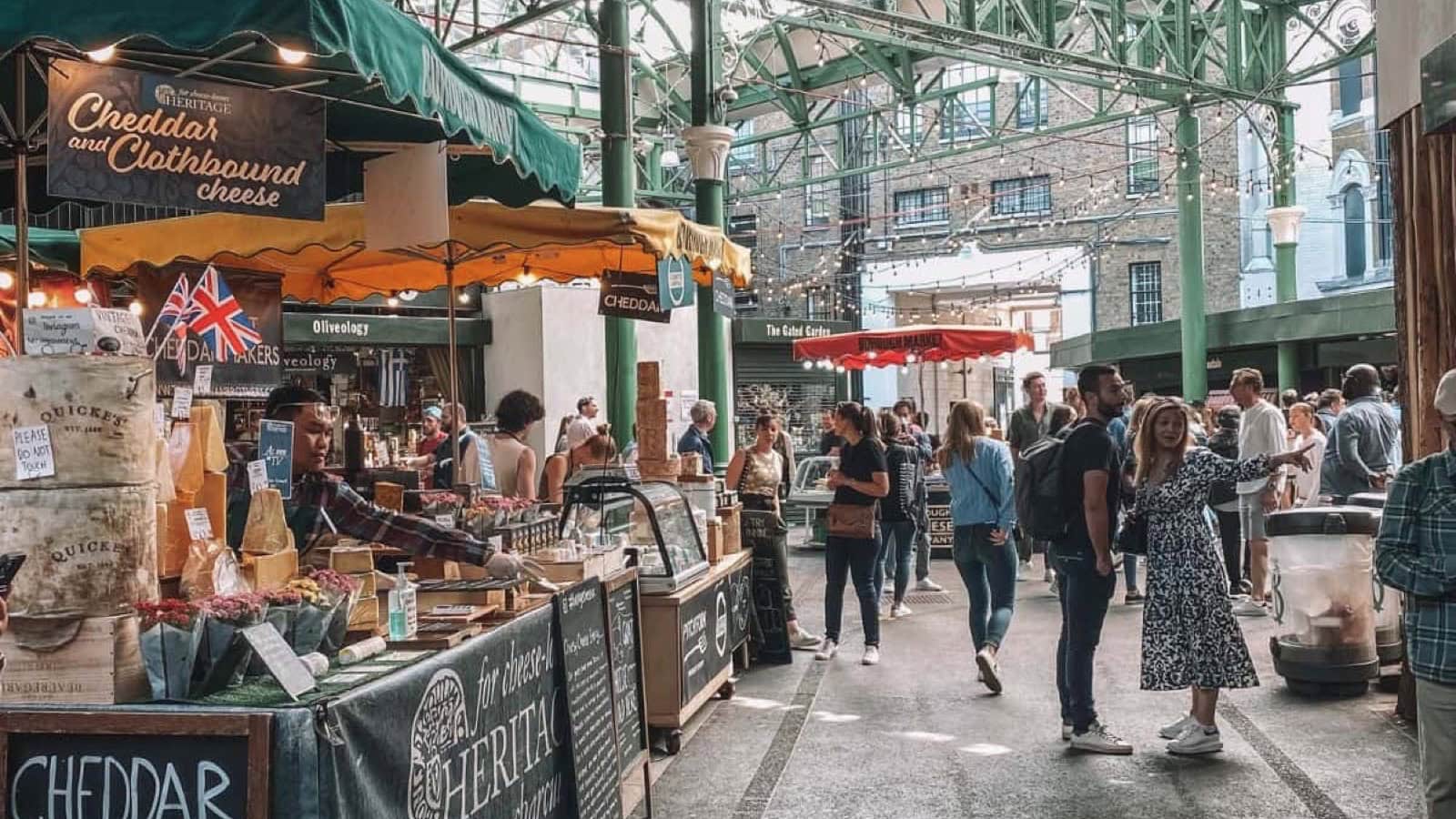
The sound of a market trader shouting prices was part of any proper Saturday market. You could hear them before you reached the stall: “Pound a bowl!” or “Two for a quid!” They had strong voices, quick jokes and a way of making a pile of bananas feel like the best deal in town. It was noisy, but that was the point. The shouting pulled people in and gave the market its buzz. Traders knew how to get a crowd gathered around a bargain, especially near closing time when prices could drop even further. You did not need bright signs or fancy adverts. A handwritten bit of cardboard and someone with a loud voice did the job. There was often a bit of friendly back-and-forth too. Someone might ask for a better price, and the trader would fire back with a joke before adding an extra apple to the bag. It made shopping feel more human. You were buying from a person, not scanning something at a machine. Even people who had no plans to buy much could be tempted by a good shout and a cheap punnet of strawberries.
2. Fruit and veg weighed into brown paper bags
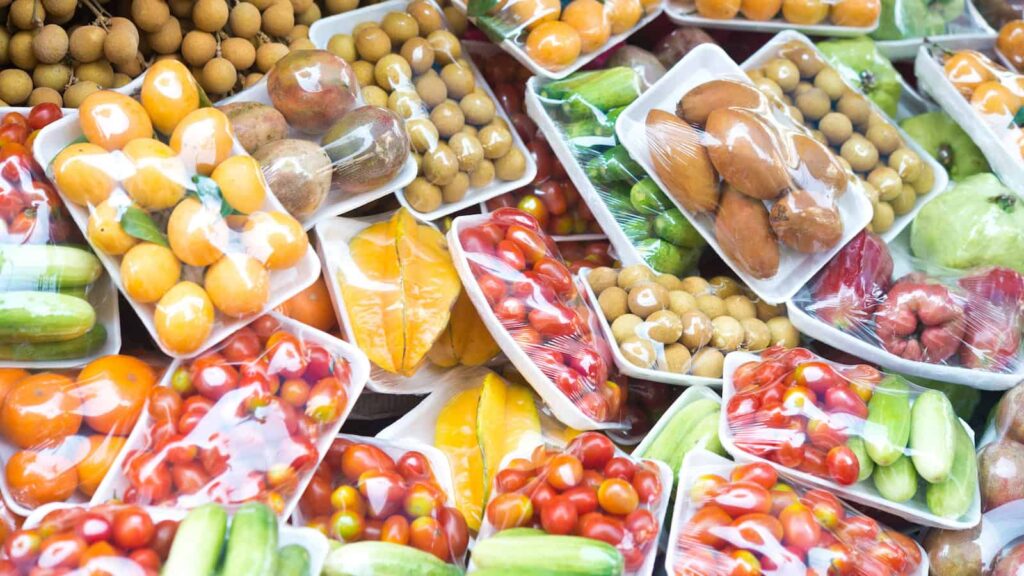
Fruit and veg stalls used to have scales sitting right at the front, with potatoes, carrots, apples and onions piled high around them. You would point at what you wanted, and the trader would scoop it up, weigh it, then tip it into a brown paper bag. The bags were simple, often a bit thin, and could go soft at the bottom if you filled them with too many spuds. Still, they felt like part of the routine. The trader might add a little extra handful once the scales had tipped, especially if you were a regular. Buying this way made food feel more local and seasonal. In summer there were punnets of strawberries, peas in pods and bright tomatoes. In colder months, it was cabbages, leeks, turnips and bags of apples. Nothing came wrapped in layers of plastic. You could see the food, smell it and pick the pieces you wanted. Brown paper bags also made the trip home feel proper. They would sit in the boot of the car or on the bus seat beside you, packed with the ingredients for the week. It was basic shopping, but it had a warmth that many supermarket aisles do not quite have.
3. A tea towel seller with a brilliant patter

Every market seemed to have a tea towel seller who could talk for Britain. Their stall would be packed with rows of colourful tea towels, oven gloves, tablecloths, dusters and aprons. Some had pictures of the seaside, British landmarks, football teams or rude jokes that made people laugh and look away at the same time. The seller’s patter was half the reason people stopped. They could turn a plain pack of dishcloths into something you suddenly felt you needed. There were offers shouted across the stall, such as three tea towels for a fiver, with a free pack of pegs thrown in if you bought more. The quality was often better than you expected too. Thick cotton tea towels could last for years, even after being used for drying dishes, wiping spills and covering bread dough. These stalls were useful because they sold ordinary household bits without any fuss. You could replace a worn-out tea towel, get a few for Christmas presents, or buy a souvenir one from a day out. The seller usually knew their stock inside out and could keep talking while folding towels at speed. It was simple market theatre, with plenty of laughs thrown in.
4. A second-hand record stall

A second-hand record stall was a place where time could disappear quickly. There would be crates full of vinyl, often organised in rough sections, with handwritten labels for rock, pop, soul, jazz and film soundtracks. You could spend ages flicking through sleeves, hoping to find an old favourite or something you had never seen before. The records were rarely perfect. Some had worn corners, price stickers or someone’s name written on the cover. That was part of their story. You might find a Beatles album, an old Motown single, a forgotten 1980s hit or a record from a band you had only heard about. The stallholder was often happy to chat, tell you what had come in that morning, or point out a bargain hiding in the pile. For teenagers, it was a cheap way to build a music collection. For older shoppers, it could bring back memories of dances, first dates or a record played over and over at home. There was a thrill in finding something for a couple of pounds and taking it home to see if it still played well. Record stalls made browsing feel like a proper hunt, rather than clicking through a list online.
5. Pie and mash for lunch

After a morning walking around the market, pie and mash was the perfect lunch. It was hot, filling and usually cheap enough to fit into a family shopping trip. You might eat it at a small café near the market, at a counter with plastic seats, or from a stall with a few tables outside. The order was simple: a pie, mashed potato and a generous splash of parsley liquor. Some people added chilli vinegar, while others stuck to plenty of pepper. The pies were usually proper pastry pies with minced beef inside, and the mash came piled high on the plate. It was not fancy food, and it did not need to be. It filled you up before the walk home with heavy shopping bags. Market cafés had their own atmosphere too. There would be regulars reading the paper, traders grabbing food between customers, and families trying to keep children from spilling gravy. A mug of tea often came with it, along with a slice of bread if you were lucky. Pie and mash was part of the rhythm of a Saturday market. You bought what you needed, stopped for lunch, had a rest, then carried on looking around for bargains.
6. Cockles and whelks in little pots

Cockles and whelks in little plastic pots were once a familiar sight at many markets, especially in towns with strong seaside links. The stall would have tubs of seafood on ice, with vinegar, pepper and sometimes a little wooden fork ready to go. Cockles were soft, salty and easy to eat, while whelks were firmer and had a stronger taste. They were not for everyone, but people who loved them really loved them. You would often see shoppers standing nearby eating a pot straight away, especially if they had grown up with them. There might also be mussels, prawns, dressed crab and rolls of rollmop herrings on display. The smell of vinegar and the sight of crushed ice made the stall stand out from the fruit, clothes and household goods around it. Seafood stalls felt tied to an older way of shopping, when people bought food from specialists who knew exactly where it had come from and how to serve it. A little pot of cockles was a small treat for many people, much like a bag of sweets. It was salty, messy and best eaten while walking around the market with the lid tucked into your pocket.
7. A shoe repair and key cutting stall

A shoe repair and key cutting stall was one of the most useful places in the market. You could take in a pair of worn shoes, boots with loose soles or heels that had seen better days, and collect them later looking far more presentable. The stallholder could replace heel tips, stitch up seams, fit new soles and polish leather until it looked better than you expected. Next to the shoe repair work, there was usually a big board covered in blank keys. You would hand over a key, wait a few minutes, and leave with a spare for the front door, shed, car or garage. These stalls saved people money because they fixed things instead of replacing them. A good pair of shoes could last much longer with a repair, and a spare key could prevent a lot of trouble. There was often a smell of leather, glue and metal shavings around the stall. The work looked skilled because it was. The person behind the counter knew which key blank matched yours and how to make a repair hold. It was the sort of practical service that fitted market life perfectly: quick, affordable and useful for everyday problems.
8. Fabric sold by the yard

Fabric stalls were full of colour, with rolls stacked from floor to ceiling. You could buy plain cotton, floral prints, curtain material, lining fabric, lace, netting and thick stuff for upholstery. It was usually sold by the yard, and the seller would pull the fabric across the counter, measure it with a long wooden rule, then cut it with large scissors. The sound of those scissors snipping through material was part of the experience. People bought fabric to make dresses, curtains, cushion covers, tablecloths and clothes for children. If you could sew, a market fabric stall was a great place to save money and make something that felt personal. Even if you were not an expert, you could pick up a few bits for school projects, fancy dress outfits or mending jobs at home. The stallholder often knew what would work best and might suggest how much material you needed. There were bargains too, especially on end-of-roll pieces that were too small for bigger jobs. Fabric shopping gave people more choice than buying ready-made items. You could pick a pattern you liked, take it home and turn it into something useful. It was practical, creative and often much cheaper than the high street.
9. Bedding plants for 50p

Come spring, market plant stalls were packed with trays of bedding plants, often priced at 50p each or sold in bundles for even less. There would be geraniums, petunias, marigolds, busy lizzies and pansies lined up in rows, ready for gardens, window boxes and hanging baskets. Buying them was part of getting the house ready for warmer weather. People would choose a few bright colours, carry them home carefully and spend the afternoon planting them out. The plants were affordable enough that you could take a chance on a new colour or fill a whole border without spending much. Market sellers often gave simple advice too, such as where to plant them, how often to water them and when to keep them inside if there was still a frost due. There might be tomato plants, herbs and small vegetable seedlings nearby as well. For many people, these stalls were their first step into growing things at home. You did not need a large garden. A few pots outside the front door could make a place look brighter. The best part was seeing those small plants grow over the summer. A cheap tray from the market could make a garden feel cared for without costing a fortune.
10. A stall selling bootleg videos and cassettes

In the days of VHS and cassette tapes, some markets had stalls selling unofficial copies of films, concerts and music albums. They were often laid out in plastic cases with handwritten labels or photocopied covers. You might spot a film that was still at the cinema, a live concert recording or a compilation tape of chart hits. These stalls drew plenty of interest because people wanted cheap entertainment and hard-to-find recordings. The quality could be hit and miss. A video might be dark, shaky or copied from another tape several times over. A cassette could sound fuzzy or stop playing after a few listens. Still, there was something exciting about looking through the boxes and finding a title you had not seen anywhere else. These stalls were part of a time when sharing films and music was much less controlled than it is now. They also sat alongside proper second-hand tapes, old rental videos and bargain music compilations. Looking back, they show how people tried to get hold of the latest entertainment before streaming, downloads and digital shops. Official releases are the fair way to support filmmakers and musicians, but those old market stalls remain a strong memory for many Saturday shoppers.

We are Mary and Eric, the founders of Be Right Back, a blog dedicated to romance around the globe and at home.
We are Mary and Eric, the founders of Be Right Back, a blog dedicated to romance around the globe and at home. With over 10 years of experience in dating and traveling to romantic places, we share our favorite date ideas and romantic destinations to help couples level up their relationships. Having lived in and traveled through the USA, we also share our favourite things to do in the States.
With 70,000 monthly readers and 16,000 followers on social media, Be Right Back is your go-to resource for romantic trip ideas and couple activities at home and abroad.