

12 Things Brits Do When They’re Invited to a Barbecue That Americans Might Find Confusing

A British barbecue can look familiar to Americans at first: burgers, sausages, drinks, and people standing in a garden. But the small habits around it can feel very different. In Britain, a barbecue is often planned with a mix of hope, caution, and a close eye on the weather. Guests may arrive prepared for sunshine, rain, cold evenings, and a shortage of ice all at once. There is also a strong habit of being polite, even when the food is burnt or the rain is pouring down. People may bring their own supplies, offer help before they have even sat down, and carefully take home anything they brought but did not use. Here are 12 common British barbecue habits that might confuse American guests, but make perfect sense to plenty of Brits.
1. Ask “What can I bring?”

For many Brits, the first response to a barbecue invitation is not “Thanks, see you there.” It is “What can I bring?” This is partly good manners and partly practical. Nobody wants to arrive empty-handed and feel as if they have turned up just to eat someone else’s food and drink. The host may say, “Just yourselves,” but many guests will still bring something small anyway.
It could be a packet of crisps, a salad, dessert, bread rolls, drinks, or something for the children. Asking first helps avoid turning up with three identical tubs of coleslaw or far too much garlic bread. It also gives the host a chance to say what is actually needed.
An American guest might be used to the host providing everything, especially for a casual backyard cookout. In Britain, the line can be less clear. Some barbecues are fully hosted, while others are more of a shared effort. Asking what to bring is a polite way of checking the rules without making a fuss about it.
2. Bring Their Own Meat
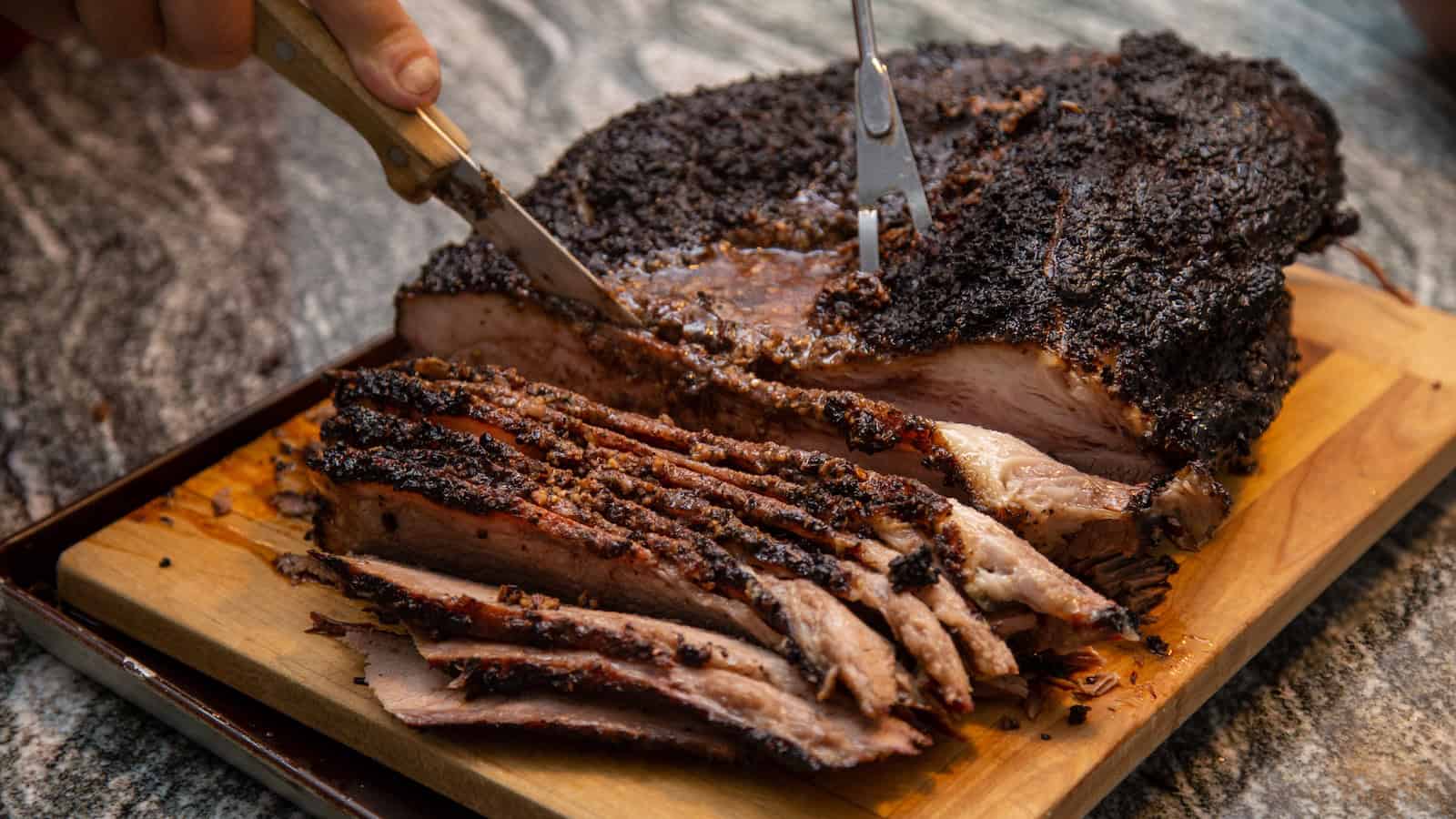
At some British barbecues, guests bring their own meat. This can sound odd to Americans, especially if the host has invited everyone over for food. But it is fairly normal for a large gathering, particularly when people have different tastes, diets, or budgets.
One person may bring sausages and burgers, another may bring chicken, and someone else may arrive with veggie skewers or halloumi. It takes pressure off the host, who does not have to guess how much food everyone wants or spend a fortune feeding a big group.
It can also help with picky eaters. If someone wants a certain type of sausage, a meat-free burger, or a spicy chicken kebab, they can bring exactly what they like. There is less chance of anyone standing by the grill pretending they are happy with a plain burger when they are not.
Usually, people still share other things, such as salads, sauces, bread, and snacks. The barbecue becomes more relaxed and informal. It may seem less polished than a fully hosted cookout, but it works well when friends are used to doing things together.
3. Turn Up With a Four-Pack

A British guest often arrives with a four-pack of beer, cider, or canned drinks tucked under one arm. This is a common barbecue move. It means they have brought something for themselves, something to share, and a small thank-you for the host.
Four-packs are easy to grab from a shop on the way over. They are not too formal, too expensive, or too much to carry. A bottle of wine may feel better for dinner, but a few cans feel right for a garden barbecue.
The exact rules can be fuzzy. Some people put their drinks straight into the host’s fridge or cooler for everyone. Others quietly keep track of what they brought. Nobody usually makes a big announcement about it. They may just say, “I’ve brought a few beers,” and leave them near the drinks.
For Americans, this may look like guests supplying their own alcohol at an event where drinks might usually be provided. In Britain, it is often seen as helping out. It also avoids the awkward moment when the host runs out of lager halfway through the afternoon.
4. Bring a Bag of Ice Nobody Asked For
A bag of ice can feel like an oddly specific thing to bring to a barbecue, but it is one of those useful extras that people often forget. A British guest may spot ice at the shop and decide to bring it, even if the host never asked.
There is a good reason for this. Garden barbecues often involve warm drinks, a small fridge, and a cooler that is not quite cold enough. Once the sun comes out, ice suddenly becomes one of the most wanted things in the garden.
The person carrying the bag may look overly prepared at first. Then, an hour later, everyone is pleased when there is enough ice for drinks. It can cool cans, help keep food chilled, and make a warm bottle of white wine drinkable again.
This habit comes from experience. Brits know that barbecue plans can be a little improvised. Someone may have bought plenty of food but forgotten the practical bits. Ice, napkins, bin bags, and extra ketchup often become the quiet heroes of the day.
5. Check the Weather Forecast Ten Times

British barbecue planning often begins and ends with the weather forecast. Guests may check it the night before, first thing in the morning, before leaving home, and again while standing outside the host’s house.
This may seem excessive, but British weather can change quickly. A bright afternoon can turn into rain, wind, and chilly temperatures before the burgers are ready. People want to know if they need sunglasses, an umbrella, a coat, or all three.
The forecast also becomes a main topic of conversation. Guests may arrive saying, “It was meant to stay dry,” or “The rain should pass by three.” Even when nobody can change the weather, talking about it helps everyone prepare for it.
Americans from places with more reliable summer weather may find this level of concern confusing. In Britain, good barbecue weather can feel uncertain right up until the first sausages go on the grill. A little sunshine is treated as a bonus rather than something anyone can count on.
6. Wear a Jumper “Just in Case”

A British guest may arrive at a barbecue in a T-shirt while carrying a jumper, cardigan, or light jacket. They are not being dramatic. They know that a warm afternoon can become a cold evening very quickly.
Once the sun goes down, gardens can feel much colder than people expect. The smoke from the grill, the breeze, and damp grass do not help. A jumper means they can stay outside longer without shivering or asking to sit indoors.
This is especially common at barbecues that start in the afternoon and carry on into the evening. People may spend hours chatting outside, even after the food is gone. The person who brought an extra layer often looks very sensible by eight o’clock.
To American guests, it may seem strange to bring warm clothes to a summer barbecue. In Britain, summer does not always mean hot weather. A jumper is simply part of being prepared, along with checking the forecast and knowing where the nearest umbrella is.
7. Stand by the Grill Giving Advice

There is often at least one person standing near the barbecue offering helpful advice to whoever is cooking. They may say the coals need more time, the burgers should be moved, or the sausages need turning. Sometimes they are asked. Often they are not.
This is usually not meant to be rude. The grill becomes the centre of the garden, and people naturally gather around it. It gives them something to do while they chat, hold a drink, and wait for food.
The person cooking may get comments such as, “Give it another minute,” or “Those are looking a bit black.” There may also be a lot of talk about how to tell when chicken is cooked properly. Food safety and burnt sausages are common barbecue concerns.
Americans may know this scene too, but British barbecue advice often comes with a dry joke and a lot of confidence. The person giving the advice may not cook much at home, but that does not stop them having strong opinions near a grill.
8. Eat a Burnt Sausage Politely
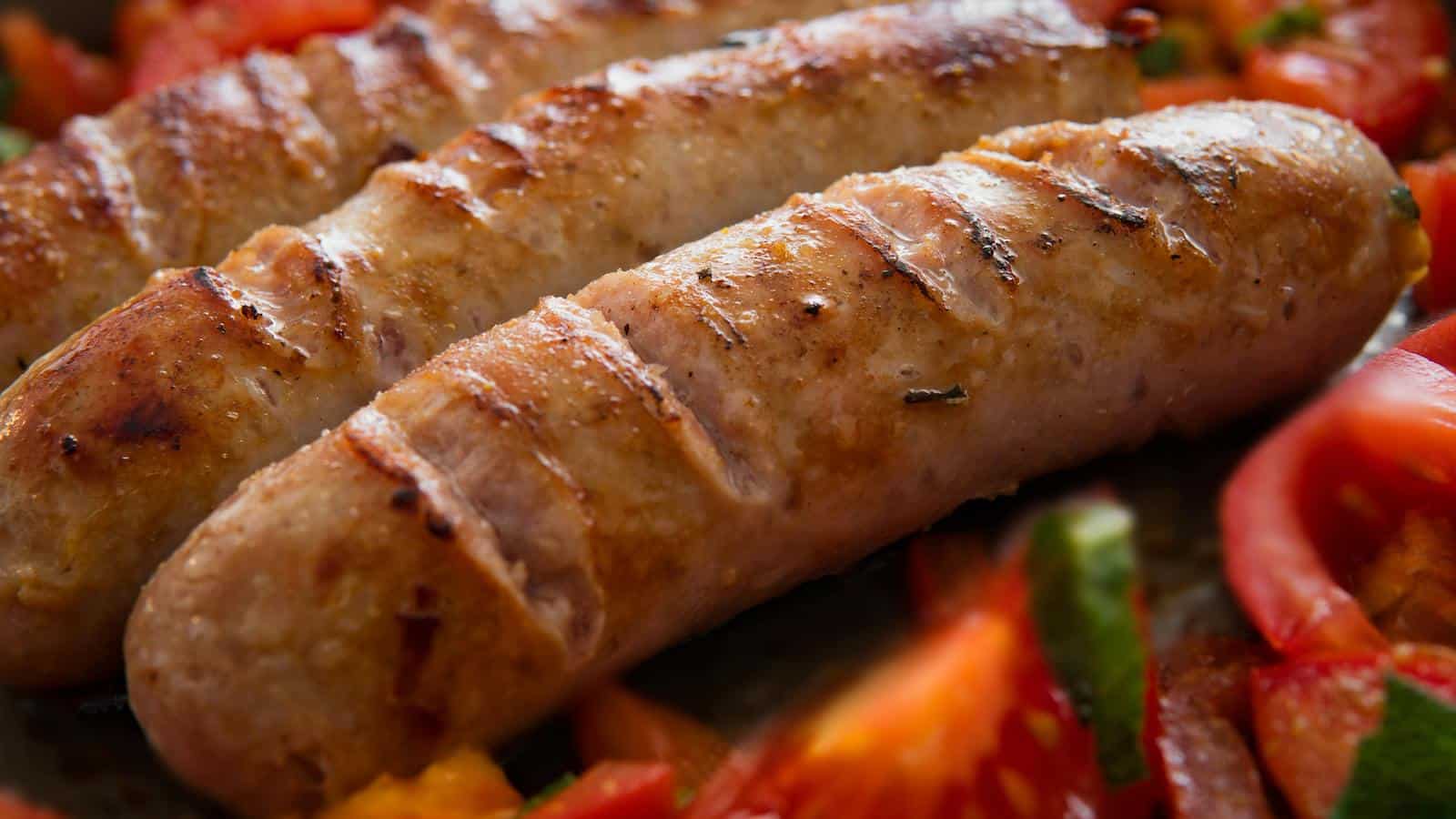
A slightly burnt sausage is a familiar part of many British barbecues. Guests may take one, add ketchup or mustard, and say it is lovely even if the outside is darker than it should be.
This is partly politeness. The person at the grill has been working hard, often in changing weather, while everyone else chats and drinks. Complaining about a sausage can feel unnecessary, especially when there are bread rolls and sauce to help soften the damage.
There is also a bit of shared humour around barbecue food. Blackened edges, dry burgers, and chicken that takes forever to cook are common talking points. People may joke about needing a knife and fork for a burger or say the sausage has “a bit of colour.”
An American guest might be more direct and reach for something else. A Brit is more likely to eat it, smile, and say, “No, it’s great.” The real opinion may only come out later, when they joke about it with friends on the way home.
9. Huddle Under Umbrellas When It Rains

Rain does not always end a British barbecue. Instead, people may huddle under umbrellas, move closer to a patio door, or stand beneath a small gazebo while the grill keeps going.
This can confuse visitors who expect the event to move indoors as soon as the weather changes. But many Brits see a little rain as something to work around. If the food is already cooking and everyone has arrived, the barbecue carries on.
Guests may hold umbrellas over themselves, their drinks, or even the person at the grill. Garden chairs get moved under cover, towels appear from somewhere, and people keep chatting as if this was always the plan.
There is a stubbornness to it, but also a sense of fun. Good weather is never guaranteed, so waiting for a perfect day would mean cancelling a lot of plans. As long as nobody is completely soaked, people may stay outside and make the best of it.
10. Say “Lovely” About Everything

At a British barbecue, “lovely” can describe almost anything. The weather, the salad, the burgers, the garden, the drinks, the host’s new patio furniture, and even the burnt sausages can all be lovely.
It is a friendly word that keeps the mood warm and easy. Someone may say, “Lovely day for it,” even if clouds are gathering. They may say, “Lovely, thanks,” when handed a paper plate and a burger bun. It does not always mean something is perfect. Often it simply means they are pleased or being polite.
Americans may find the repeated use of the word amusing, especially when it is used for things that are clearly average. But that is part of the point. It softens opinions and helps people avoid sounding too demanding or overly serious.
A barbecue is casual, and “lovely” suits that mood. It is quick, kind, and easy to use. If guests are comfortable, fed, and able to chat outside for a while, plenty of Brits will call the whole afternoon lovely.
11. Offer to Help Clear Up

After eating, many British guests will ask, “Can I help with anything?” They may offer to collect plates, carry bottles inside, pack away chairs, or wash up. Even if the host says no, making the offer is often seen as good manners.
A barbecue can leave behind a surprising amount of mess. There are paper plates, cans, food wrappers, sauce bottles, charcoal, and garden furniture to deal with. Helping for a few minutes can make a real difference.
Some guests will start clearing without waiting to be asked. They may gather empty cans into a bag or take plates to the kitchen. Others will make one polite offer, then sit back if the host says they have it covered.
For Americans, this may not seem unusual, but the ritual of offering can be especially strong in Britain. Guests do not want to look as though they came, ate, drank, and left the host with all the work. A quick offer to help shows appreciation without making the moment overly formal.
12. Take Home Whatever Beer They Didn’t Drink

At the end of a British barbecue, a guest may collect any unopened beer or cider they brought and take it home. To some Americans, this can seem a little surprising, especially if the drinks were placed with everyone else’s supplies earlier in the day.
But if someone brought a four-pack and only drank two cans, the other two may still feel like theirs. They may say, “I’ll take these with me,” in a casual way, and nobody usually makes much of it.
This does not mean they are being ungenerous. They may have shared drinks with others, brought more than they drank, or simply be taking home what is left. It is often treated as practical rather than rude.
Some guests will leave the extra cans behind for the host, especially if there are only one or two left. Others take them because they are heading somewhere else, travelling by train, or just do not want to waste them. At a relaxed British barbecue, both choices can be completely normal.

We are Mary and Eric, the founders of Be Right Back, a blog dedicated to romance around the globe and at home.
We are Mary and Eric, the founders of Be Right Back, a blog dedicated to romance around the globe and at home. With over 10 years of experience in dating and traveling to romantic places, we share our favorite date ideas and romantic destinations to help couples level up their relationships. Having lived in and traveled through the USA, we also share our favourite things to do in the States.
With 70,000 monthly readers and 16,000 followers on social media, Be Right Back is your go-to resource for romantic trip ideas and couple activities at home and abroad.