

12 Things Brits Do When They Receive a Gift They Don’t Like That Americans Might Find Baffling

Getting a gift you do not really want can be awkward anywhere, but Brits often have a very specific way of handling it. The first rule is usually to avoid making the giver feel bad. That can mean a big smile, a polite thank-you, and a few careful words that sound warmer than they feel. Americans may be more open about swapping, returning, or joking about an odd present. In Britain, many people would rather keep the peace, even if the gift ends up hidden at the back of a drawer. These habits are not meant to be rude. They usually come from wanting to protect someone’s feelings, especially when they have made an effort. From exaggerated praise to secret charity-shop trips, here are the familiar things Brits may do when they receive a present that is not quite right.
1. Say “Oh, you shouldn’t have!”

This is one of the safest British responses to almost any gift. “Oh, you shouldn’t have!” can mean “You really did not need to spend money on me,” but it can also help cover the fact that the present is not quite right. The giver hears gratitude, and the receiver gets a few seconds to work out what to say next. It is polite, familiar, and useful in a slightly awkward moment. Americans may hear it as modest thanks, but Brits can use it as a polite shield. The key is saying it quickly, warmly, and with enough surprise to make it sound natural. Nobody has to discuss the strange candle, the itchy jumper, or the mug with a joke that makes no sense.
2. Say “How lovely” in a slightly higher voice

When a Brit says “How lovely” in a voice that suddenly goes a bit higher, there may be more going on than the words suggest. The phrase is positive, but the tone can quietly reveal uncertainty. It is a way to be kind without making a detailed claim about loving the gift. Saying “I love it” may feel too risky if the item is clearly not going to be used. “How lovely” leaves more room. It praises the gesture rather than the actual object. The giver feels appreciated, and the receiver avoids an uncomfortable reaction. Americans might find this vague, but many Brits see it as good manners. It keeps the moment pleasant and helps everyone move on.
3. Claim they’ve been wanting one for ages

If the gift is unusual, impractical, or completely unlike anything the person would buy, a Brit may quickly say they have wanted one for ages. It is a bold move, but it helps sell the reaction. Someone receiving a bread maker, novelty scarf, or odd kitchen tool may say, “I’ve been meaning to get one of these.” The statement often comes out before they have had time to consider how it will sound. It reassures the giver that they made a good choice. Later, the recipient may wonder why they claimed to have wanted a giant cheese board or a decorative spoon collection. Still, in the moment, it feels kinder than admitting they have no idea what to do with it.
4. Ask casually where it came from

“Where did you get this?” sounds like a friendly question, but it can have a hidden purpose. A Brit may be asking because they genuinely like the item, though they may also be trying to find out if it can be exchanged. The trick is to sound relaxed. They might mention that the shop is great, ask if it is local, or say they have seen something similar before. Nobody wants to ask for a receipt too quickly, because that can make the giver feel awkward. Instead, the question is slipped into normal chat. Americans may be more likely to ask directly about returns. Brits often prefer to gather the information quietly, then decide what to do later.
5. Thank them three times to make up for it

One thank-you may not feel enough when a Brit knows their face did not quite show the right amount of excitement. So they thank the giver again. Then again later. Maybe once more in a message that evening. Repeating thanks is a way of making clear that the effort was valued, even if the gift itself was not a personal hit. The person may say, “Thank you so much, that was really kind,” several times during the visit. It can feel over the top, but it comes from a fear of seeming ungrateful. Americans might wonder why the same point needs repeating. For many Brits, extra thanks smooth over any moment where their reaction may have looked less than delighted.
6. Write a thank-you note anyway

Even if the gift is going straight into storage, many Brits still feel they should send a thank-you note or message. The note is about the person’s kindness, not the item itself. It may say, “Thank you for thinking of me,” or “That was so thoughtful of you.” These words are honest enough, because the giver did make an effort. A written thank-you can also ease guilt after an unconvincing reaction. It gives the recipient another chance to sound grateful and polite. For older relatives especially, a card may feel expected. The gift may never be used, but the note helps keep family peace. It is one small act of manners that can matter a lot.
7. Put it straight in a drawer
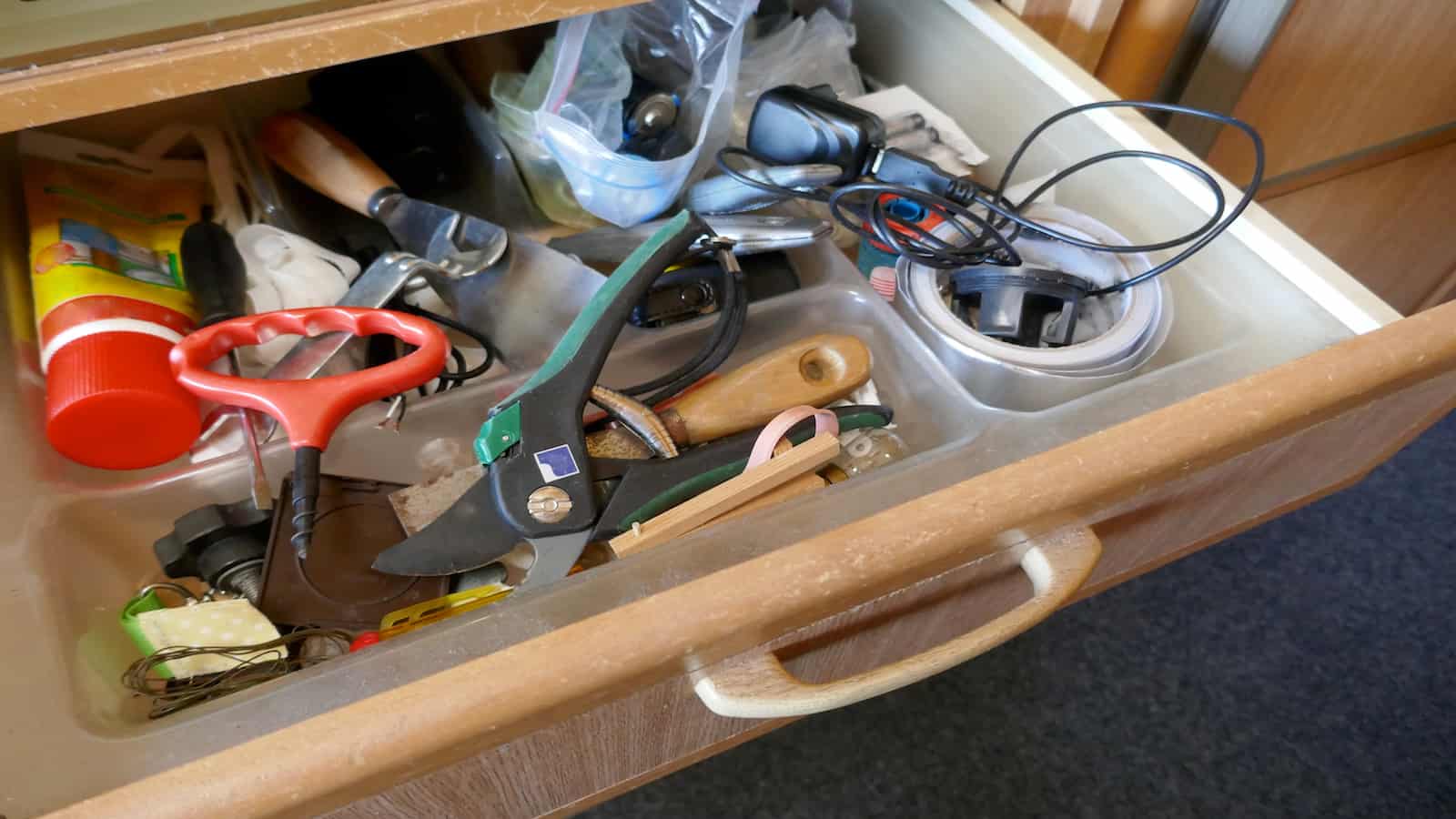
After the visit ends, the unwanted gift often gets put somewhere safe and out of sight. A drawer, cupboard, wardrobe shelf, or box in the spare room becomes its new home. The recipient may tell themselves they will decide what to do with it later. That later can take months. Putting it away feels easier than returning it, giving it away, or admitting it will never be used. It also avoids a rushed decision. There is always a small chance the giver will ask about it, so keeping it nearby feels sensible. The drawer becomes a holding place for guilt as much as clutter. It is full of things that are too polite to throw away but too unwanted to display.
8. Bring it out only when the giver visits

Some gifts are kept for one reason only: the giver might visit. This is especially common with ornaments, cushions, kitchen items, and framed pictures. Before a parent, aunt, neighbour, or friend comes round, the recipient may quietly bring the item out and place it somewhere visible. Once the visit is over, it goes back into its usual hiding place. It may sound a bit dramatic, but it avoids hurt feelings and awkward questions. If the giver sees the present in use, they feel pleased that they chose well. The recipient gets through the visit without explaining why it was missing. It is a small performance of gratitude, often done with good intentions and a touch of panic.
9. Wear it once so they see it

An unwanted jumper, scarf, tie, or pair of earrings may get one public outing for the giver’s benefit. The recipient wears it to a family lunch, birthday gathering, or coffee catch-up, knowing the person who bought it will notice. Once it has been seen, the duty feels done. They can honestly say they wore it, even if they never plan to wear it again. This is often used for clothes that are the wrong size, wrong colour, or simply not the person’s style. Americans may be more likely to exchange the item straight away. Brits may wear it once to prove they appreciated the thought. It is less about fashion and more about avoiding a disappointing conversation.
10. Regift it next Christmas

Regifting is a risky but tempting answer to an unwanted present. The item stays unopened or unused, gets wrapped again, and is passed to someone who may genuinely like it. A fancy candle, unopened book, box of chocolates, or unused kitchen gadget can be a useful gift for the right person. The main rule is simple: never give it back to the original giver or anyone close to them. That is how family stories begin. Many Brits feel a little guilty about regifting, but they may also see it as practical. It is better for the item to be enjoyed than left in a drawer for years. Still, the wrapping is usually done with great care and quiet nerves.
11. Take it to the charity shop a year later

After enough time has passed, the unwanted gift may finally go to a charity shop. Waiting a year feels safer. By then, the giver is less likely to ask about it, and the recipient can tell themselves the item might make someone else happy. This is often the final stop for clothes, books, ornaments, and household bits that never found a place at home. Giving it to charity can reduce some of the guilt because the item is not being thrown away. It may raise money for a good cause and be useful to someone else. Even so, many Brits will still check carefully that nobody from the family is likely to spot it on the shop shelf.
12. Feel guilty about all of it

The strongest part of the whole process is often the guilt. A Brit may know the gift was not right, but they also know someone spent time, money, and effort choosing it. That makes it hard to return, regift, donate, or even hide it away. They may feel bad for not liking it, bad for pretending to like it, and bad for what happens to it later. The guilt can last far longer than the awkward moment of opening the present. This is why so many unwanted gifts sit in drawers for years. Keeping them feels easier than making a choice. In the end, most people know the giver meant well. That is why British politeness can turn one unwanted present into a long-running secret.

We are Mary and Eric, the founders of Be Right Back, a blog dedicated to romance around the globe and at home.
We are Mary and Eric, the founders of Be Right Back, a blog dedicated to romance around the globe and at home. With over 10 years of experience in dating and traveling to romantic places, we share our favorite date ideas and romantic destinations to help couples level up their relationships. Having lived in and traveled through the USA, we also share our favourite things to do in the States.
With 70,000 monthly readers and 16,000 followers on social media, Be Right Back is your go-to resource for romantic trip ideas and couple activities at home and abroad.