
10 Things America Still Has at Drugstores That Britain Never Really Embraced

American drugstores can feel very different from the chemists most people know in Britain. In the UK, a pharmacy is mainly somewhere to collect a prescription, buy toiletries, pick up medicine, or ask the pharmacist for help. In the US, many drugstores are much bigger and often work as mini convenience stores too. You can buy cold tablets, milk, birthday cards, snacks, shampoo, a Halloween costume, and get a flu jab in one stop.
Some of these ideas are slowly appearing in Britain, but they have never become normal in the same way. American chains such as CVS, Walgreens, and Rite Aid have built stores around speed, convenience, and getting shoppers through the door for more than prescriptions. Here are ten things that still make an American drugstore feel very different from a British one.
1 A drive-through pharmacy window

A drive-through pharmacy window is one of the clearest signs you are in America. You pull up in your car, give your name, collect your prescription, pay, and drive away without stepping inside. For someone who is ill, looking after children, has limited mobility, or simply does not want to park, it can be very handy.
In Britain, collecting a prescription usually means parking, walking into the chemist, joining a queue, and waiting at the counter. Some pharmacies offer delivery services, but drive-through collection is still rare. British towns are built around high streets, smaller shops, and walking routes, while many parts of America are built around cars.
American drugstores often place the drive-through lane around the side or back of the building. A speaker lets customers speak to the pharmacy team, and a sliding window is used to pass over medicines. It is simple, practical, and very much part of daily life in car-heavy areas.
2 Branches open 24 hours
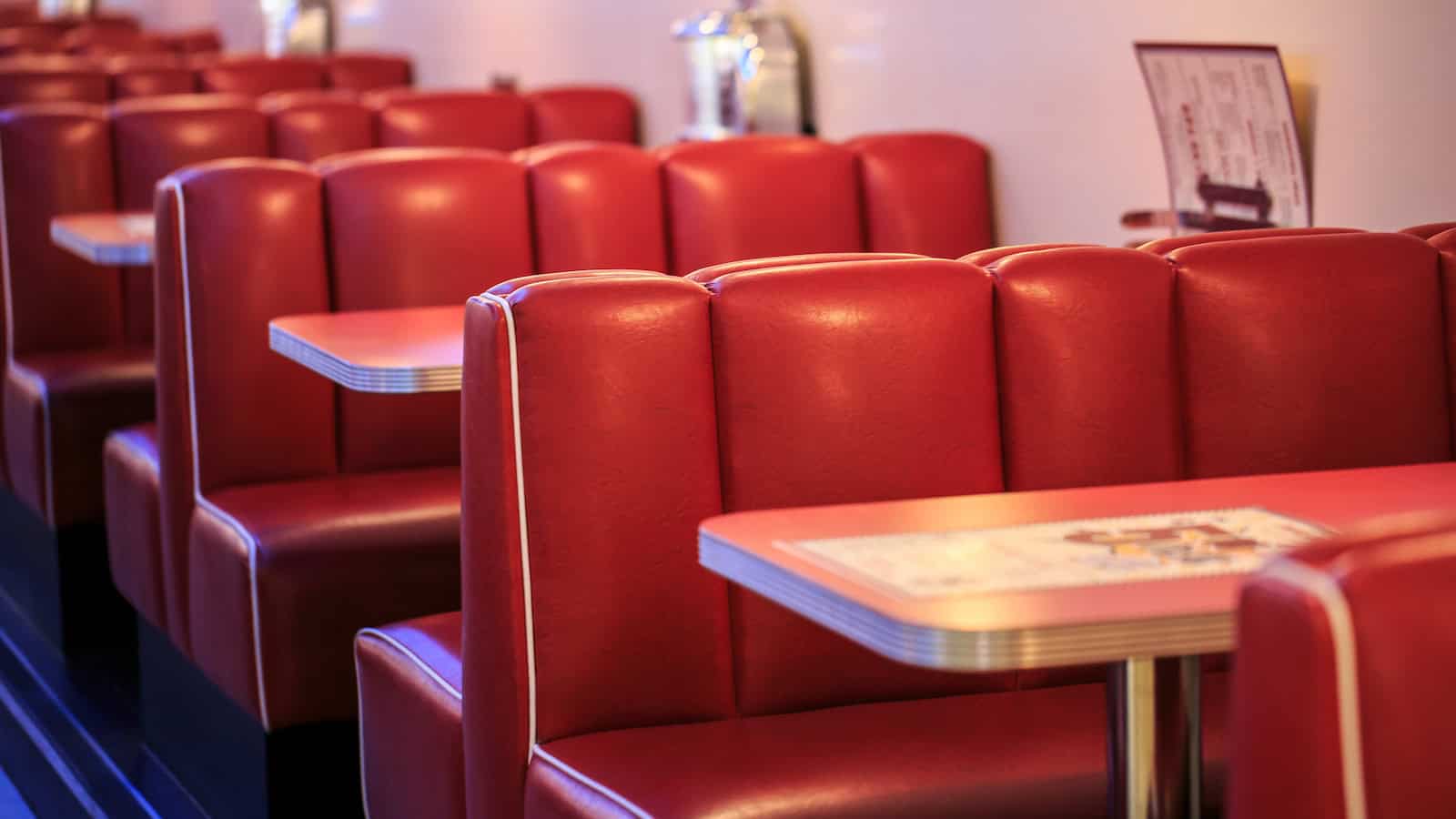
Many American drugstores have traditionally stayed open all night. A 24-hour branch can be useful when a child has a fever at midnight, you need pain relief after work, or you have run out of baby formula. The lights are on, the shelves are stocked, and there is usually someone behind the counter.
Britain has some late-opening pharmacies, especially in large cities, but all-night chemists are not common. Most people need to plan ahead or use an out-of-hours pharmacy service. That can feel very different from the American habit of popping into a drugstore at almost any hour.
Not every part of a US drugstore is always open. The shop itself may stay open for 24 hours while the pharmacy counter has shorter hours. Still, being able to buy basic supplies in the middle of the night is a big part of the appeal. It turns the drugstore into a backup shop for small emergencies.
3 Aisles of milk snacks and frozen food

Walk into an American drugstore and you may find milk, cereal, crisps, biscuits, fizzy drinks, ice cream, frozen pizza, and ready meals. Some stores even have a small fridge and freezer section near the front. It can feel strange if you expect a pharmacy to sell only medicine and toiletries.
These food aisles make sense in places where the nearest supermarket is a longer drive away. If you need a few basics, it is quicker to stop at the drugstore than make a separate trip to a large grocery shop. You might collect a prescription and leave with milk, snacks for school, and a frozen dinner.
British chemists do sell drinks, sweets, and the odd snack, but they rarely have proper grocery aisles. A Boots or local pharmacy is more likely to focus on beauty products, vitamins, baby items, and health care. In America, the line between pharmacy, convenience store, and small supermarket is much less clear.
4 Huge bottles of painkillers

American drugstores often sell painkillers in huge bottles. It is normal to see packs of 100, 250, or even 500 tablets of paracetamol, ibuprofen, or aspirin. For British shoppers, where painkillers are often sold in packs of 16 or 32 tablets, this can look rather surprising.
In Britain, limits on pack sizes are linked to safety rules. Smaller packs are meant to reduce the risk of accidental or harmful overdoses. You can buy larger amounts from a pharmacy in some cases, but it is not usually as simple as picking up a giant bottle from a shelf.
In the US, shoppers are used to buying in bulk, especially for common household medicines. A large bottle may cost less per tablet and save another trip to the shop. The labels are detailed and include dosage advice, warnings, and age guidance. Still, the size of the bottles can make an American medicine aisle feel more like a warehouse than a British chemist.
5 A photo printing counter

A photo counter was once a standard part of nearly every American drugstore. You could bring in a roll of film, drop it off, and collect printed photos a few days later. Even now, many stores offer same-day printing from a phone, memory card, or online account.
You can print holiday pictures, family photos, passport-style images, photo cards, calendars, mugs, and small gifts. It is a useful service when you want a physical photo rather than another image sitting on your phone. Some counters even offer larger prints and framed picture options.
Britain has had photo printing services in places such as Boots, supermarkets, and specialist shops, but the drugstore photo counter has not stayed as central to the experience. In America, it still fits the idea that a drugstore can deal with many everyday jobs under one roof.
The photo section may be smaller than it once was because most people now take photos on their phones. Still, it remains a familiar part of many US stores, especially for people who want quick prints before a birthday, wedding, funeral, or family visit.
6 A whole aisle of greeting cards
American drugstores often have a full aisle, or sometimes two, devoted to greeting cards. There are cards for birthdays, anniversaries, new babies, weddings, retirement, sympathy, graduation, thank-you notes, and many more moments. There are even cards for a neighbour’s new dog or a friend who has moved house.
In Britain, cards are popular too, but a chemist usually has a smaller display. People may go to a card shop, supermarket, gift shop, or stationer instead. In the US, the drugstore has become one of the main places to buy a card at the last minute.
The American card section can be very specific. You may find separate groups for mum, dad, stepdad, granddaughter, coworker, teacher, and best friend. Some are funny, some are sentimental, and some play music when opened. Prices can range from a simple low-cost card to a much fancier one with glitter, ribbon, or pop-up details.
It suits the drugstore’s role as a place for quick errands. You can buy a card, a small gift, wrapping paper, and a bag of sweets in a few minutes.
7 Seasonal decorations for every holiday
American drugstores change their shelves constantly for holidays. Valentine’s Day brings red hearts, chocolates, cards, balloons, and soft toys. Easter means plastic eggs and baskets. Halloween fills the store with sweets, masks, fake spiders, and orange decorations. Christmas can take over entire aisles.
Britain has seasonal displays too, especially at Christmas and Easter, but American drugstores often go much further. Smaller holidays can get a big display as well. There may be products for St Patrick’s Day, the Fourth of July, Mother’s Day, Father’s Day, graduation season, and back-to-school time.
This is partly because drugstores rely on extra purchases. You may visit for toothpaste and leave with paper plates for a party, a themed mug, and a bag of sweets. The displays are placed near the entrance or at the end of aisles, where they are hard to miss.
For shoppers, it can be useful when an event has slipped your mind. Need a birthday banner, a box of chocolates, or a last-minute Easter gift? The local drugstore may have something. It makes the store feel less like a pharmacy and more like a neighbourhood stop for everyday events.
8 Receipts as long as your arm
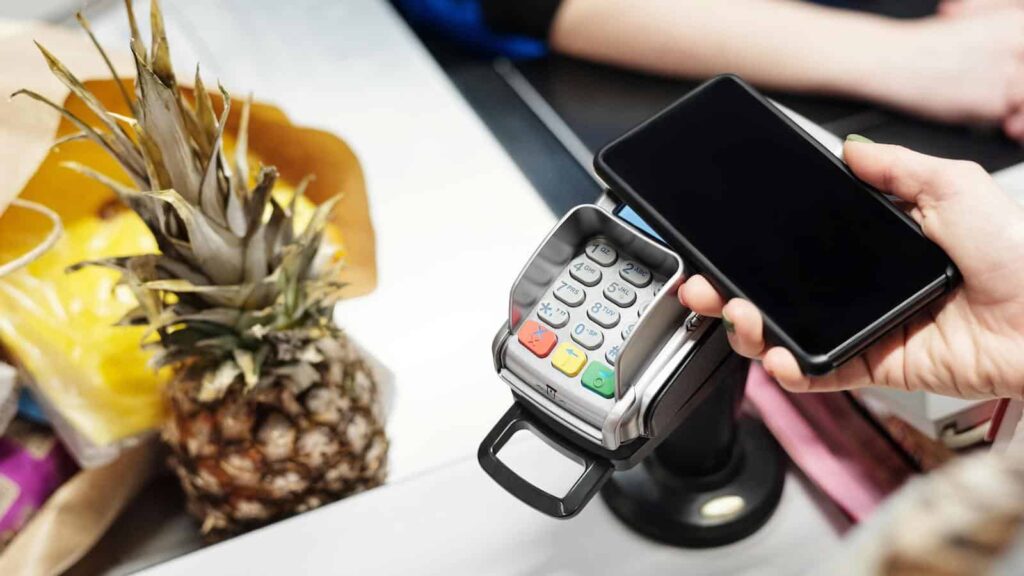
One famous American drugstore habit is the very long receipt. You might buy one bottle of shampoo and leave with a receipt that is longer than the item itself. The reason is usually coupons, reward offers, store messages, and deals for products you did not even buy.
A receipt may show money-off offers for toothpaste, washing powder, cosmetics, snacks, or vitamins. Some discounts are tied to a loyalty card, while others can be used on a future visit. For regular shoppers, the paper can be useful. For everyone else, it can feel like a waste of paper.
British receipts tend to be much shorter. Retailers are more likely to offer digital discounts through an app, email, or loyalty account. America has moved in that direction too, but printed coupons are still a familiar feature in many drugstores.
There is something almost comic about handing over a small item at the till and watching a long strip of paper print out. Some customers use the vouchers carefully and save money over time. Others fold the receipt into a pocket and forget about it until laundry day.
9 Walk-in flu jabs

In many American drugstores, you can walk in and get a flu jab without visiting a doctor’s office. The pharmacy may have a small consultation room where a trained pharmacist gives the vaccine. Some stores take appointments, but many accept walk-ins when staff and supplies are available.
This makes getting vaccinated feel quick and easy. You can pick up a prescription, buy household bits, and get your flu jab during the same visit. Pharmacies may offer other vaccines too, depending on local rules, including COVID-19 boosters, shingles jabs, and travel vaccinations.
Britain has made pharmacy vaccinations more common in recent years, especially for flu and COVID-19 programmes. Still, many people mainly associate vaccinations with their GP surgery, NHS clinic, or workplace. In the US, the drugstore pharmacy is often seen as one of the most normal places to get a jab.
The system can help people fit health care into busy lives. A person does not always need to take time off work or wait for a GP appointment. It is one more way American drugstores act as local health hubs, rather than simply places to collect medicine.
10 Loyalty points that turn into coupons
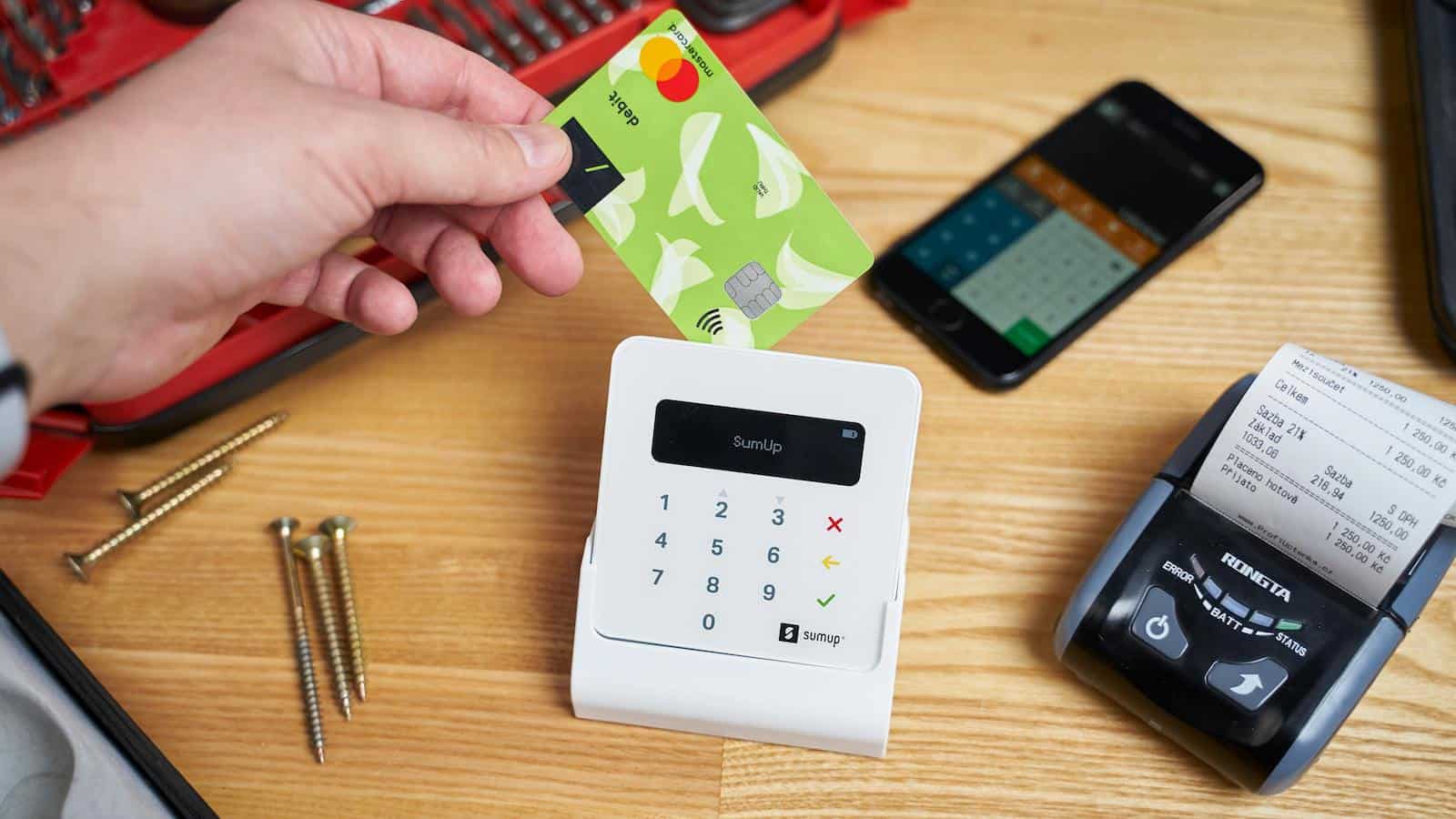
American drugstore loyalty schemes can be much more than basic points. Shoppers scan a membership card or enter a phone number at the till, then receive special prices, reward money, or coupons for future visits. Some offers are printed on the receipt, while others appear in a store app.
You might spend a certain amount on shampoo and get a few dollars off your next shop. Buy selected products and receive a voucher for another item. The deals can be very specific, and regular customers often plan their shopping around them.
British loyalty schemes, such as Boots Advantage Card offers, can be generous, but American drugstore coupon culture has its own level of detail. Shoppers may combine a store discount, a manufacturer coupon, loyalty rewards, and a sale price. This can bring the final cost down a lot.
For some people, it is fun and worth the effort. For others, it is confusing and can encourage buying things that were never needed. Still, it explains why the long receipts matter so much. In an American drugstore, the receipt is often more than proof of payment. It can be a set of discounts for the next visit.

We are Mary and Eric, the founders of Be Right Back, a blog dedicated to romance around the globe and at home.
We are Mary and Eric, the founders of Be Right Back, a blog dedicated to romance around the globe and at home. With over 10 years of experience in dating and traveling to romantic places, we share our favorite date ideas and romantic destinations to help couples level up their relationships. Having lived in and traveled through the USA, we also share our favourite things to do in the States.
With 70,000 monthly readers and 16,000 followers on social media, Be Right Back is your go-to resource for romantic trip ideas and couple activities at home and abroad.