
12 Things Brits Do When They Accidentally Make Eye Contact With a Stranger That Americans Might Completely Miss

Eye contact with a stranger can feel completely normal in some places, but in Britain it often comes with its own quiet set of rules. A glance can turn into a full awkward moment in seconds, especially on a train, in a queue, at the pub, or while walking down the street. Nobody means any harm. Most people just do not want to seem rude, too friendly, or overly interested. So, when eye contact happens by accident, many Brits react in small, funny ways that Americans may not always notice. There might be a quick look away, a tiny nod, or a sudden interest in a phone that was not important two seconds earlier. These habits are usually polite, nervous, and very familiar. Here are twelve things Brits often do after accidentally locking eyes with a stranger.
1. Look away instantly

The first reaction is often the fastest one: look away straight away. A Brit may catch someone’s eye for half a second, then suddenly focus on anything else nearby. The floor, a sign, a passing car, or the person’s own shoes can become very interesting without warning. It is not meant to be unfriendly. In fact, it is usually the opposite. Looking away is a quiet way of saying, “Sorry, I was not staring at you.” In America, holding eye contact for a moment can feel open and polite. In Britain, keeping it going too long may feel a bit intense. The quick glance away helps everyone carry on without needing to speak. Of course, the problem is that the move can be so obvious that it makes the moment feel even more awkward. Still, it is a classic response. One second of eye contact can lead to ten seconds of pretending nothing happened.
2. Do a tight-lipped half smile

Sometimes looking away feels too blunt, so a Brit may add a tiny, tight-lipped half smile. This is not a big friendly grin. It is a quick little expression that says, “Yes, we saw each other, and now we can both move on.” The lips stay closed, the smile lasts about one second, and the eyes may already be looking elsewhere. It is polite without inviting a full conversation. This kind of smile works well on public transport, in waiting rooms, or when two people reach for the same thing in a shop. Americans may read a smile as a sign that someone wants to chat. In Britain, this small smile is often more of a social safety signal. It means there is no problem, no bad feeling, and no need to make the moment bigger than it is. Then both people can return to looking busy and avoiding another accidental glance.
3. Give a tiny nod

A tiny nod is another common British response to accidental eye contact. It is usually so small that someone standing a few feet away might miss it completely. The head dips once, often with a serious face, and that is the whole exchange. It can mean “hello,” “fair enough,” “sorry,” or simply “I have noticed you.” The meaning depends on the setting, but the goal is nearly always the same: be polite without making a fuss. This is especially common between strangers passing each other on a quiet street, waiting at a bus stop, or standing in a lift. A bigger nod might feel too friendly, while no reaction could seem cold. The tiny nod sits neatly in the middle. It gives a polite signal, then lets everyone get back to their own business. It may look small, but it can stop an awkward moment from hanging in the air.
4. Mumble “Alright?”

If eye contact happens close up, especially on a pavement or in a small shop, a Brit may mumble, “Alright?” This does not always mean they want to know how the other person is doing. It is often closer to a quick hello. The usual reply is another “Alright?” and then both people keep walking. No detailed update is needed. Nobody is expected to say they are tired, stressed, hungry, or having a bad day. The whole exchange is short and low-key. For Americans, this can be confusing because the question sounds as though it needs an answer. But in many parts of Britain, it is simply a greeting. It helps cover the awkwardness of making eye contact without turning it into a proper chat. The words may be barely audible, especially if the person is shy. Still, they have done their polite duty, and the moment can now end safely.
5. Suddenly check their phone
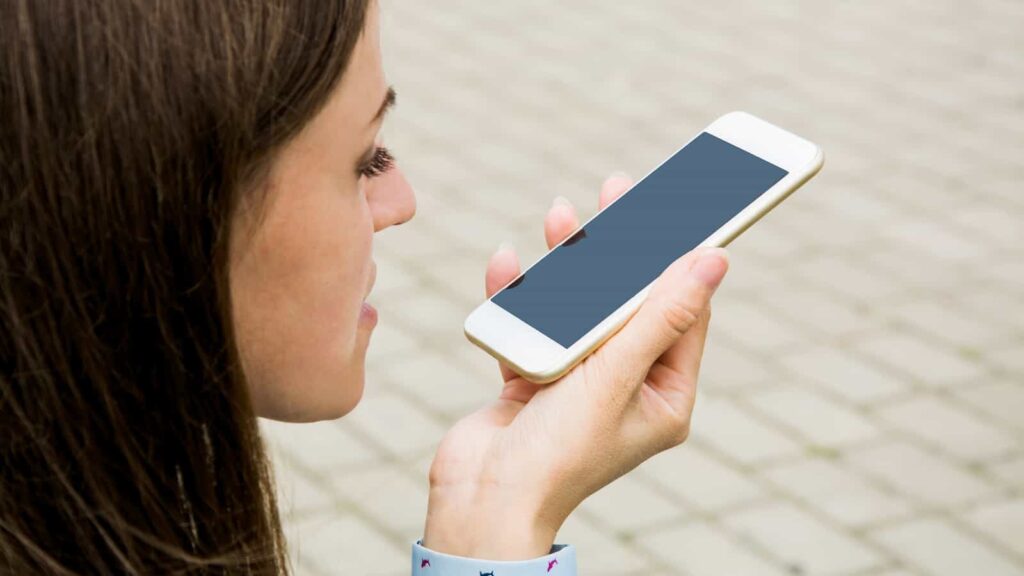
Nothing says “I definitely was not looking at you” quite like suddenly checking a phone. After accidental eye contact, a Brit may pull out their phone, unlock it, and stare at the screen as if an urgent message has arrived. Often, there is no message at all. They may open an app, scroll for a few seconds, or check the time even if they checked it moments earlier. The phone becomes an easy escape route. It gives the person somewhere safe to look and makes them seem occupied. This is common on buses, trains, in cafés, and anywhere people are sitting near strangers. It can happen so quickly that it is almost funny. The person sees someone looking, panics slightly, then acts as though their phone is the most important thing in the world. It is less about being rude and more about avoiding a second awkward glance.
6. Stare at the floor
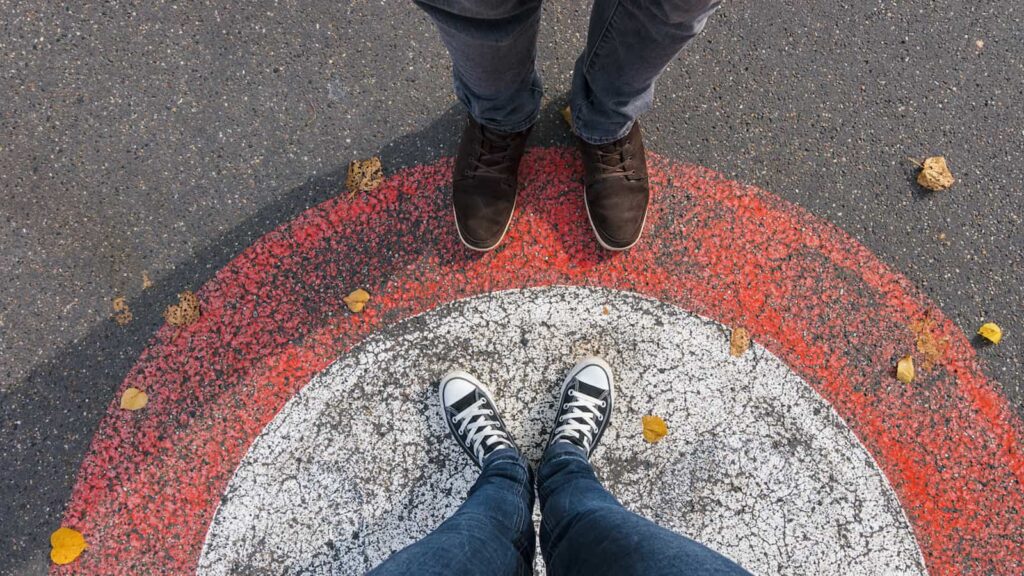
When there is nowhere obvious to look, the floor is always there. After making eye contact with a stranger, many Brits will suddenly look down as if they have spotted something very important near their feet. They might inspect the pavement while walking, study the carpet in a waiting room, or focus on the tiles at a station. The floor asks no questions and does not look back. It is a safe choice when someone feels awkward or does not know how to react. This can be especially common in narrow spaces, such as lifts, corridors, queues, or train aisles. Looking down helps create a small feeling of privacy, even when people are standing close together. It may seem shy, but it is often just a polite way to give a stranger space. Once the moment has passed, the person can look up again, usually with great care.
7. Study the window very closely

On a bus or train, the window becomes the perfect escape after accidental eye contact. A Brit may turn toward it and stare outside with sudden focus, even if the view is only a car park, a brick wall, or rain on the glass. They may act as though they are taking in a beautiful scene, but really they are avoiding looking back at the stranger across from them. The window is useful because it gives people something natural to do. Looking outside does not seem rude, and it stops another eye contact moment from happening too soon. It can become even more obvious when the person keeps staring after the train has stopped or the bus is sitting in traffic. Still, it works. For a few minutes, the view outside becomes far more interesting than usual. Once the stranger looks away, the Brit can relax and return to normal.
8. Feel awkward for the next ten minutes
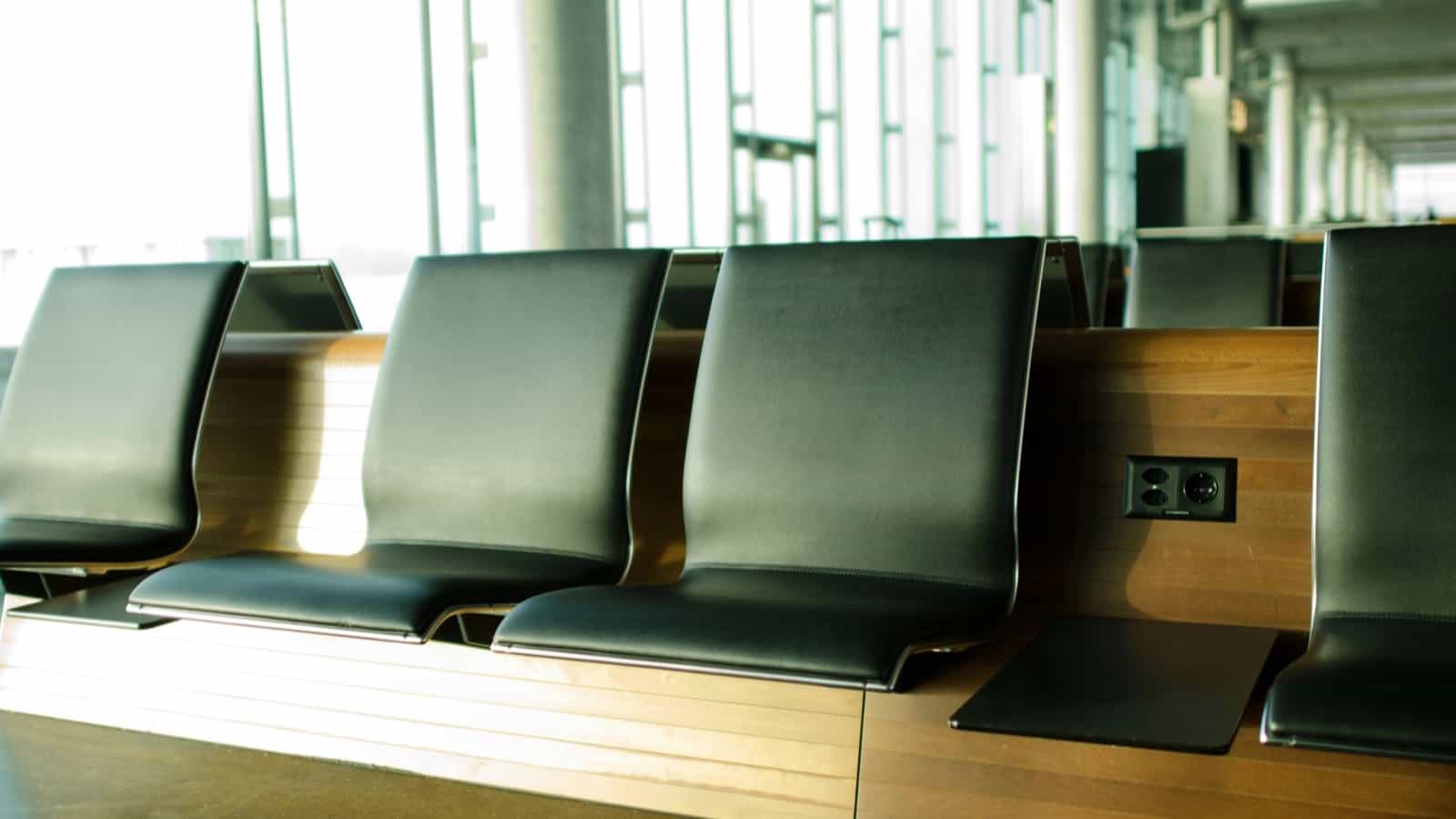
The eye contact may last one second, but the awkward feeling can hang around much longer. A Brit might replay the moment in their head and wonder if they looked strange, rude, annoyed, or too friendly. They may worry that the other person thinks they were staring. In reality, the stranger has probably forgotten about it already. Still, the person may sit there feeling slightly uncomfortable for the next ten minutes. This is especially true if they are stuck near the stranger on a train, at a café, or in a waiting room. Every small movement can feel noticeable. If the stranger shifts in their seat, the Brit may wonder if it was because of them. It is a very common bit of overthinking. Nothing bad has happened, but the person feels as though they have broken an unwritten social rule. Eventually, another distraction comes along, and the moment fades away.
9. Avoid looking that way at all costs

After accidental eye contact, many Brits will make a quiet promise to themselves: do not look in that direction again. It does not matter if the stranger is sitting opposite, standing nearby, or walking the same way. The person will find other places to look. They may watch people across the road, read signs they do not need, check their bag, or look at their phone again. The goal is simple: avoid another awkward meeting of the eyes. This can become difficult when the stranger is right in front of them. A person may need to act natural while clearly working very hard not to look natural. The more they try to avoid looking, the more aware they become of where the stranger is. It is a silent little battle that nobody else may notice. Once there is enough distance between them, the tension disappears and everyone can carry on as normal.
10. Make eye contact again by accident

Of course, after deciding not to look that way again, a Brit will often do exactly that. Maybe they glance up at the wrong moment, turn around when someone moves, or check whether their stop is coming up. Then there it is: eye contact again. This second time can feel much worse than the first. The person may quickly look away, give another tiny smile, or act as though they were looking at something behind the stranger. The problem is that both people may now know the first glance happened too. Nobody says anything, but there is a quiet feeling of, “Oh no, not again.” It is usually harmless and even a bit funny from the outside. Still, in the moment, it can feel huge. This is why people suddenly become very interested in their phones, bags, windows, or shoes. Anything is better than risking a third accidental glance before they can leave.
11. Move seats at the next stop

If the awkwardness feels too strong, a Brit may take the simple way out and move seats at the next stop. They might wait until someone gets off the bus or train, then shift to another seat with more space. There may be a perfectly sensible reason for moving, such as wanting a better view or more room. But sometimes the real reason is just that they made eye contact with the person nearby twice and cannot cope with a third time. Moving seats gives them a fresh start. They can look out of another window, sit near different people, and stop worrying about where to look. It may seem dramatic for such a small moment, but public transport can make strangers feel very close together. A new seat creates a little breathing room. Once settled, the person may finally relax, although they will probably still avoid looking back toward the old seat.
12. Apologise for absolutely nothing

When in doubt, a Brit may say sorry, even when they have done nothing wrong. After accidental eye contact, they might mumble “Sorry” if they step aside, move their bag, pass someone in a narrow space, or simply feel awkward. The apology is not always linked to a real mistake. It can mean “excuse me,” “I did not mean to get in your way,” or “this social moment feels strange and I need words to fill the gap.” Americans may notice how often Brits apologise in everyday situations. Someone bumps into a chair, drops their keys, or has to squeeze past another person, and “sorry” appears straight away. In this case, the apology can help smooth over the eye contact without making a big deal of it. The stranger may reply, “No worries,” even though nobody knows what the apology was for. Then both people can finally move on.

We are Mary and Eric, the founders of Be Right Back, a blog dedicated to romance around the globe and at home.
We are Mary and Eric, the founders of Be Right Back, a blog dedicated to romance around the globe and at home. With over 10 years of experience in dating and traveling to romantic places, we share our favorite date ideas and romantic destinations to help couples level up their relationships. Having lived in and traveled through the USA, we also share our favourite things to do in the States.
With 70,000 monthly readers and 16,000 followers on social media, Be Right Back is your go-to resource for romantic trip ideas and couple activities at home and abroad.