

10 Things You’d Find in a British Caravan in the 1980s That Today’s Kids Wouldn’t Recognise

A British caravan in the 1980s was small, practical and full of familiar little details that would seem strange to many children now. Family holidays often meant towing a caravan to a seaside park, setting up near a field or parking beside a row of other vans. There was no Wi-Fi, no huge fridge and no fancy bathroom. Instead, families made do with compact furniture, gas appliances and a few home comforts packed into a very small space. Everything had more than one job, from the dining table that became a bed to the water container that had to be pulled across the site. These caravans could feel cosy, especially when the curtains were closed and the kettle was boiling. Here are ten things that were common in British caravans in the 1980s that today’s kids might find hard to believe.
1 Table that folded down into a bed
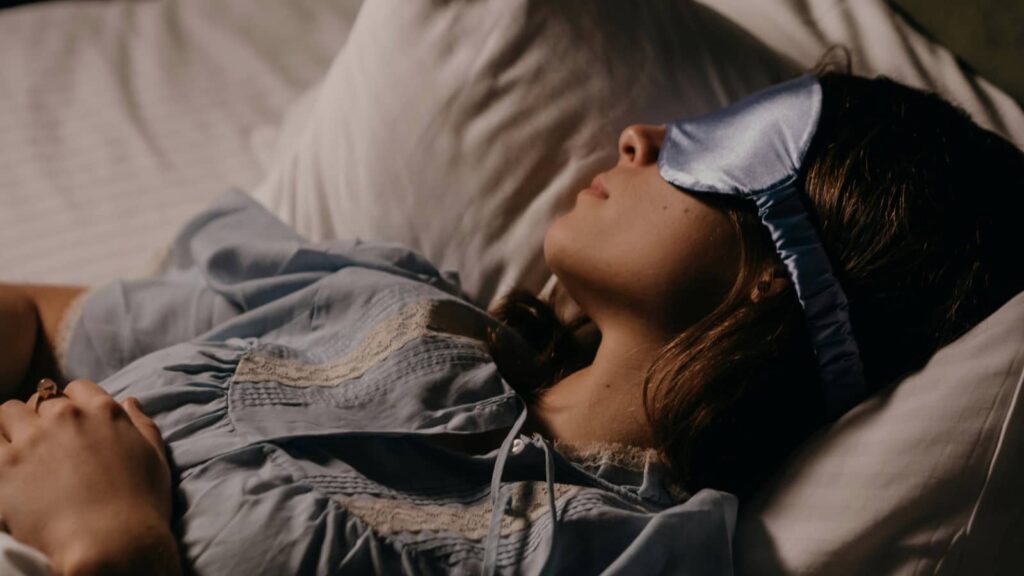
In many 1980s caravans, the table was at the centre of family life during the day. Everyone squeezed around it for breakfast, card games, colouring books and cups of tea. Then, when bedtime came, it was turned into a bed. The table top was lowered, cushions were moved around, and the seating became a mattress. It took a bit of practice to get everything in the right place, especially if someone had dropped a biscuit down the side of the seats.
For kids, this could feel exciting at first. You might go to sleep where you had eaten your cornflakes a few hours earlier. The bed was usually quite firm, and the cushions could slide apart in the night, but nobody expected hotel comfort. Space was limited, so furniture had to work hard. A table that changed into a bed made perfect sense in a caravan where every inch mattered.
2 Gas lamps on the walls

Before bright LED lights became normal, many caravans had gas lamps fixed to the walls. These gave off a soft yellow light and often made the caravan feel warm and cosy after dark. To use them, an adult had to turn on the gas carefully and light the lamp. There was usually a faint hiss, followed by a glow that lit up the small room.
Gas lamps were practical when caravans had limited electricity. They did not need a mains hook-up, which was useful on basic holiday sites. They could get hot, though, and there was always a bit of care needed around them. Kids were told not to touch them, especially when they had been on for a while.
Today’s children are used to flicking a switch or tapping a screen, so the idea of lighting a wall lamp with gas may seem very old-fashioned. Yet in an 1980s caravan, those lamps were part of the evening routine. Once they were lit, the curtains were shut and the kettle was on, the caravan felt ready for the night.
3 A chemical toilet
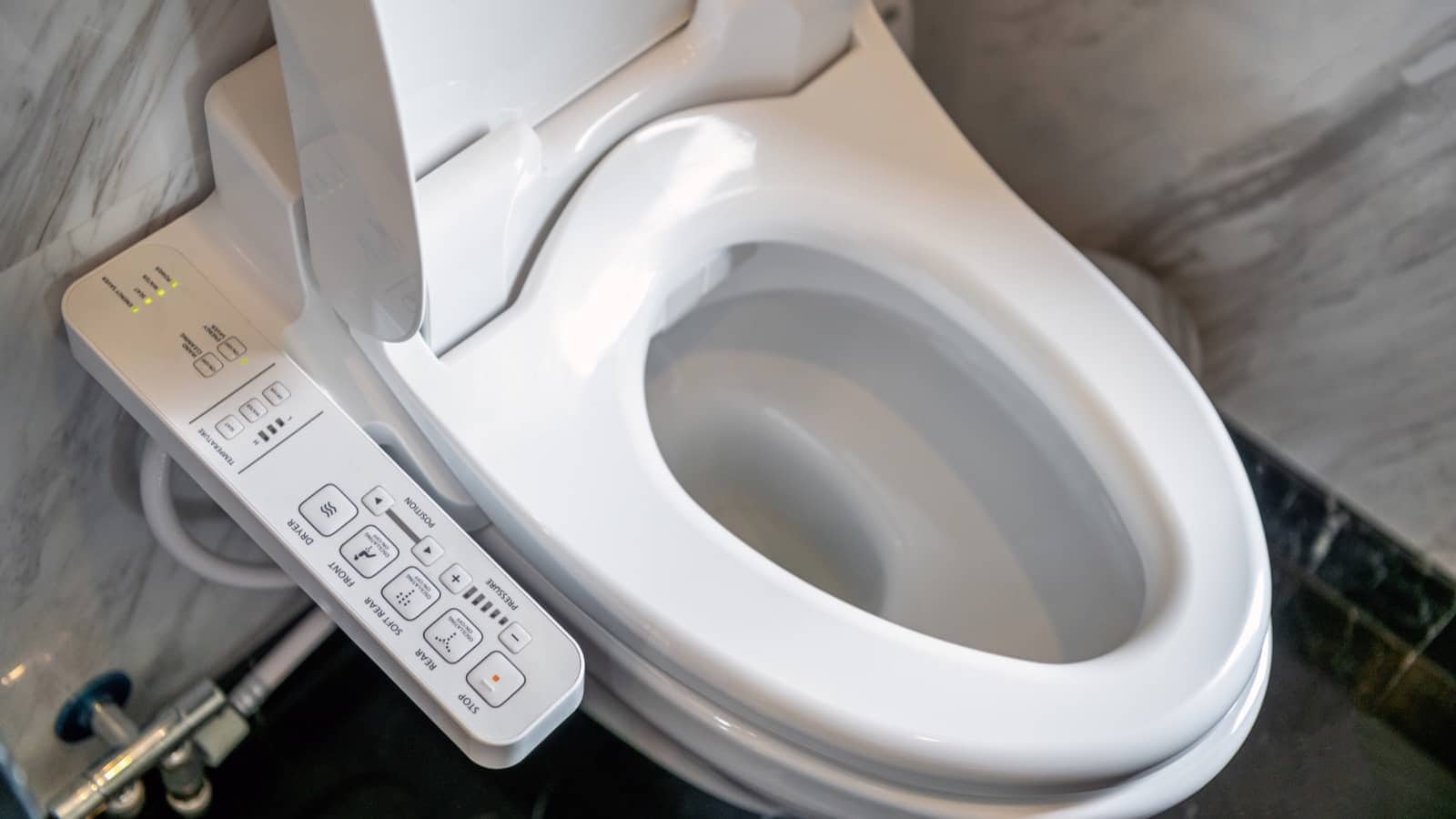
A chemical toilet was one of the less glamorous parts of caravan life. It was usually hidden in a tiny bathroom area, or sometimes tucked away in a cupboard. It looked simple enough, but it needed special toilet fluid to control smells and break down waste. Every so often, somebody had the unpleasant job of emptying it at the site disposal point.
Many families still used the campsite toilet block for showers and proper toilets, especially when the caravan was full. But having a chemical toilet was useful at night, in bad weather or for young children who could not wait for a walk across a dark field.
Today’s kids may be surprised that a toilet could sit inside such a small caravan without being connected to drains. It was not fancy, but it did the job. Caravan holidays often involved little jobs that the whole family understood: filling water, washing up, putting beds together and dealing with the toilet cassette. It was all part of making a small space work.
4 A water carrier you rolled from the tap

Water did not always come straight from a tap inside the caravan. Families often had a large plastic water carrier that had to be filled at a shared tap on the campsite. Once full, it was too heavy to carry easily, so it was rolled or pulled back to the caravan using a handle.
This was often a job given to children, although it could turn into a messy one. The carrier bumped along gravel paths, tipped over on uneven ground and sometimes left a trail of water behind it. Filling it meant queuing at the tap while other campers washed dishes or filled their own containers.
Back at the caravan, the water was used for washing up, making tea, brushing teeth and sometimes washing hands. Everyone had to be sensible with it because there was only so much available. Children now may find it odd that getting water was a daily task rather than something that happened when you turned on a kitchen tap. Still, pulling the water carrier was one of those small caravan jobs that made kids feel useful.
5 Orange and brown patterned curtains
Orange and brown patterned curtains were everywhere in the 1980s. In caravans, they were often teamed with beige cushions, dark wood cupboards and patterned carpets. The prints could include big flowers, stripes, swirls or shapes that would look very bold in a modern home.
These curtains had an important job as well as adding colour. They gave families privacy when parked close to other caravans, blocked out early morning light and helped keep the inside warmer on chilly evenings. Once they were closed, the caravan felt separate from the busy campsite outside.
Modern children may wonder why everything was brown, orange or mustard yellow. Those colours were popular at the time, and they also hid marks better than pale fabrics. Caravan holidays could be muddy, sandy and full of wet towels, so practical colours helped. The curtains might look dated now, but they were part of the familiar look of a family caravan. You could spot them glowing in the windows when people were settling down for the evening.
6 A tiny two-ring hob
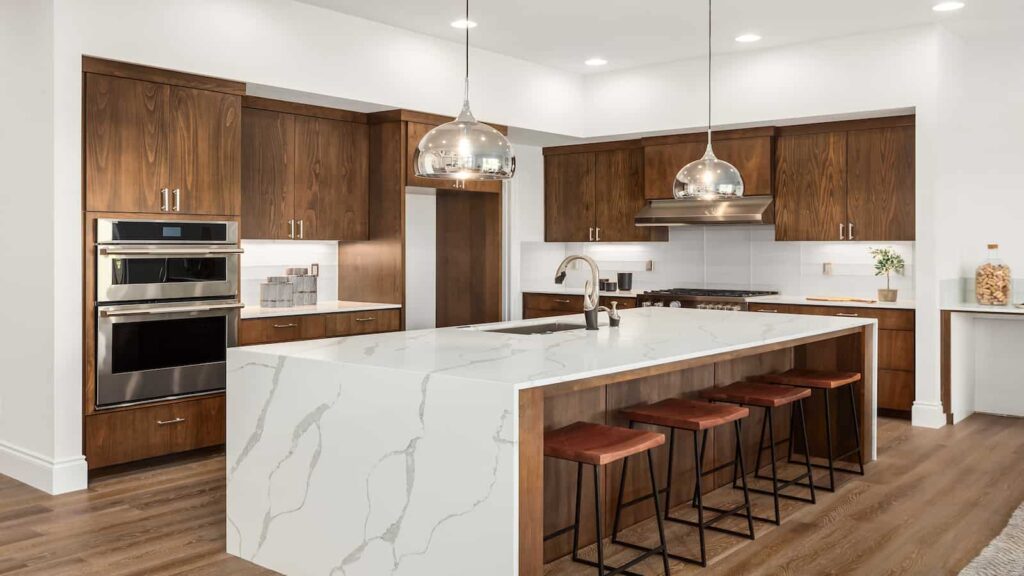
A caravan kitchen in the 1980s was very small, and the two-ring hob was often the main place for cooking. There was usually just enough room for a saucepan on one ring and a frying pan on the other. Meals had to be simple because there was little workspace and limited storage for ingredients.
Families cooked sausages, baked beans, scrambled eggs, soup and pasta. A full roast dinner would have been hard work, although some determined parents probably managed it. Cooking inside could make the caravan warm very quickly, and the smell of fried food stayed around for ages.
Children used to large kitchens may find the tiny hob hard to understand. There was no big cooker, no air fryer and no room for several people to stand around helping. Still, it was enough for holiday food. Breakfast on the hob, tea in the kettle and a pan of something easy for dinner could keep everyone fed. On sunny days, families often ate outside, which made the small kitchen feel less crowded.
7 A whistling kettle
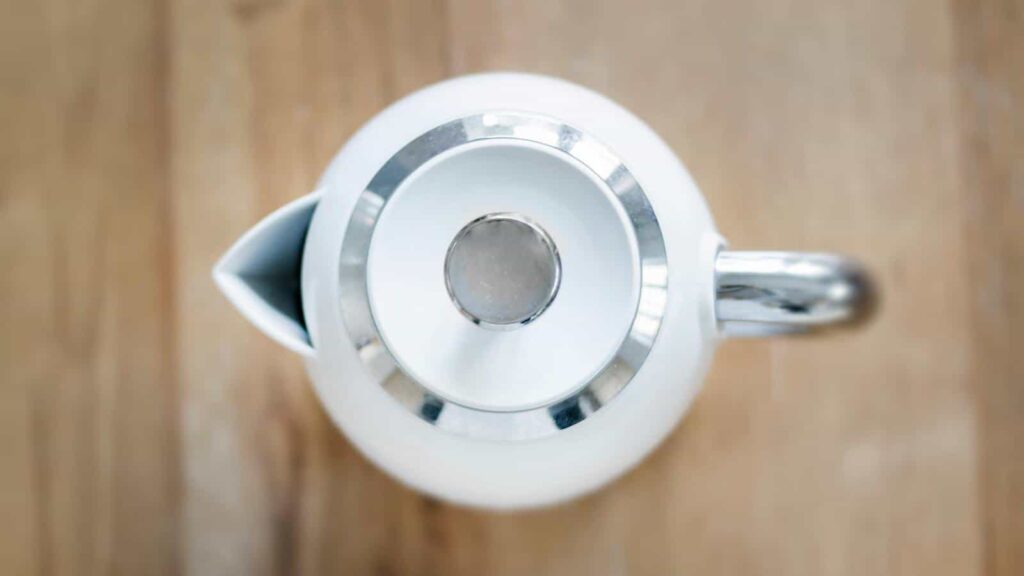
A whistling kettle was a proper caravan sound. It sat on the little gas hob while the water heated up, and when it was ready, it let out a loud whistle. That was the signal for tea, coffee, hot chocolate or a bowl of instant soup. In a small caravan, everyone could hear it.
There were no quiet electric kettles sitting on worktops in many caravans. A metal kettle was strong, simple and useful when there was no mains electricity. Someone had to keep an eye on it, though, because it could boil dry if forgotten. The handle and spout got hot too, so it was another thing children were warned not to touch.
The sound of a kettle whistling could mean the end of a wet afternoon, with everyone coming in from the rain. It could mean toast, biscuits and mugs of tea before bed. For adults, that sound is often tied to caravan holidays. For children today, who may never have heard a kettle whistle, it might seem noisy and unusual.
8 A small black and white TV

Some caravans had a tiny black and white television, often balanced on a shelf or tucked into a cupboard. The screen was small, the picture could be fuzzy and the aerial needed moving around to get a signal. Someone would stand by the window holding it at a strange angle while another person shouted if the picture improved.
There were only a few channels, and there was no choice of films or cartoons on demand. If something good was on, the family watched it together. If there was nothing worth watching, people played cards, read comics or went for a walk around the site.
Today’s kids may find it hard to picture a holiday where television was black and white, small and unreliable. Yet it still felt special to have one in a caravan. On a rainy evening, a bit of television could keep everyone happy while dinner was cooked. It was a far cry from tablets and streaming, but it gave families something to gather around.
9 A battery radio
A battery radio was an important bit of caravan kit in the 1980s. It could sit on a shelf, on the table or outside under the awning. Families used it for music, news, weather reports and sports results. It often ran on chunky batteries, which needed replacing at the worst possible moment.
Finding a clear station could take patience. You turned a dial slowly, heard crackles and whistles, then stopped when music came through. The signal depended on where the caravan was parked, and sometimes the station faded in and out. Nobody expected perfect sound.
The radio gave the caravan a background noise that made it feel lived in. Parents listened while making breakfast, and children heard the latest songs while playing cards or getting ready for bed. It was portable, simple and useful when there was little else to do inside. A phone can now play almost any song in seconds, but the old battery radio had its own routine: pick a station, hope it stayed clear and listen to whatever came on next.
10 Net curtains on every window
Net curtains were a common sight in 1980s caravans. They were thin, white and usually hung inside the heavier patterned curtains. Their job was to give a little privacy while still letting daylight into the caravan. This mattered when caravans were parked close together and people could easily see into each other’s windows.
The nets could be plain or have flowers and fancy patterns woven into them. They often moved gently when a window was open, especially on a warm day by the coast. They were not great for blocking sunlight, but they made the inside feel more private and homely.
Today’s children may be used to blinds, tinted glass or bare windows. Net curtains can seem very old-fashioned now, but they were popular in homes and caravans across Britain. They gave a small caravan a cosy, lived-in feeling, even if they did collect dust and needed washing. With the nets up, the bold curtains closed and the lamps glowing, a caravan could feel like a tiny home on wheels.

We are Mary and Eric, the founders of Be Right Back, a blog dedicated to romance around the globe and at home.
We are Mary and Eric, the founders of Be Right Back, a blog dedicated to romance around the globe and at home. With over 10 years of experience in dating and traveling to romantic places, we share our favorite date ideas and romantic destinations to help couples level up their relationships. Having lived in and traveled through the USA, we also share our favourite things to do in the States.
With 70,000 monthly readers and 16,000 followers on social media, Be Right Back is your go-to resource for romantic trip ideas and couple activities at home and abroad.