

10 Things Britain Used to Have at Local Bakeries That People Still Miss Today

Local bakeries once sat at the heart of many British high streets. Before supermarket bakeries and pre-packed shelves became common, a trip to the baker was part of the weekly routine. You could smell fresh bread from outside, watch loaves being sliced behind the counter, and choose a bun or cake for a small treat. Many people still talk about the little details that made these shops special: tissue-wrapped bloomers, warm morning rolls, and cream cakes that had to be eaten the same day. The bakery was often run by people who knew their customers, their usual order, and which birthday was coming up. These are ten things Britain used to have at local bakeries that people still miss today.
1. Bread baked on site before dawn
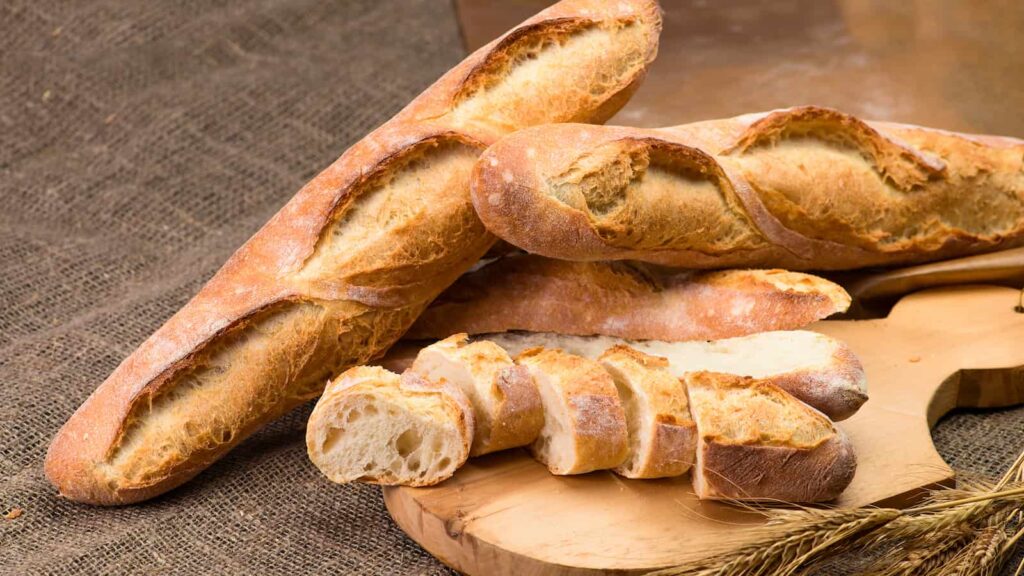
Many traditional local bakeries started work while the rest of the street was still asleep. Bakers mixed dough, shaped loaves and fired up the ovens long before sunrise. By the time customers arrived in the morning, the shelves were full of fresh bread with crisp crusts and soft centres. The smell alone could pull people through the door.
This kind of bread felt different from a supermarket loaf. It was still warm at times, and each batch had its own look. Some loaves came out a little darker, some had a split top, and some had flour dusted across the crust. That was part of the appeal. It looked made by hand because it was.
For many families, picking up a fresh loaf was a daily habit. It could be used for toast, packed lunches or a proper bacon sandwich. A loaf bought in the morning often did not last until the evening, especially if someone cut off the end and covered it in butter before getting home.
2. Loaves sliced in a machine while you wait

One of the best sounds in an old-fashioned bakery was the bread slicing machine. You handed over your loaf, the baker placed it into the machine, and moments later it came back in neat, even slices. It was quick, simple and somehow much more satisfying than buying a ready-sliced loaf in a plastic bag.
Customers could usually ask for thick or thin slices, depending on what the bread was for. Thick slices were perfect for toast, sandwiches and bread and butter pudding. Thin slices worked well for lunchboxes or a round of toast with tea. The loaf was often still warm, so the slices had to be handled carefully.
There was also something personal about waiting at the counter for it. You could chat with the person serving, choose a cake while you waited, or watch the machine do its job. It made buying bread feel like a proper errand rather than just another item added to a trolley.
3. Bloomers wrapped in tissue paper

A large bloomer wrapped in tissue paper was a familiar sight in many local bakeries. The paper was usually plain and slightly crinkled, folded around the loaf to protect it while still letting the crust breathe. It was a far cry from the sealed plastic bags used for most bread now.
Bloomers were loved for their shape, soft middle and thick crust. They were usually wider and rounder than a standard sliced loaf, with cuts across the top that opened up in the oven. A fresh bloomer could make a simple meal feel special, especially with butter, soup or a cheese board.
The tissue paper was part of the ritual. It often picked up a few crumbs or a little flour, and it made the loaf feel freshly bought rather than factory packed. Carrying one home under your arm was a small pleasure. By the time you got through the front door, someone had often already asked for the crusty end.
4. Iced buns with a cherry on top

Iced buns were a simple bakery treat that could brighten up any visit. They were soft, sweet buns covered with thick white icing and finished with a bright red cherry. There was nothing fancy about them, but that was exactly why people loved them.
The bun itself was usually light and slightly sticky, with enough icing to make your fingers messy. Children often chose them after school, while adults picked one up to have with a cup of tea at home. The cherry on top felt important, even though it was only small. It made the bun look like a proper treat.
Many people have strong memories of peeling off the icing first, saving the cherry until last, or trying to eat the bun without getting sugar on their clothes. They were cheap, cheerful and easy to spot behind the bakery counter. Modern cakes can be more polished, but an iced bun still brings back the taste of a simple Saturday trip to the shops.
5. Belgian buns

Belgian buns were another bakery favourite, usually bigger and stickier than they looked behind the glass counter. They were made from sweet dough, rolled with currants or sultanas, then topped with white icing and a cherry. A good one was soft in the middle, lightly spiced and messy in the best possible way.
They were often bought as a treat for the weekend or picked up after school. Some people preferred the middle, where the dough was softest. Others went straight for the outer edge, where the icing settled into the twists of the bun. Either way, they needed a napkin.
Belgian buns had a homemade feel, even when they came from a busy bakery. No two looked exactly the same, and the icing was often spread generously. They were filling enough to share, although plenty of people would rather keep one to themselves. For many shoppers, seeing a tray of Belgian buns in the window was enough reason to step inside.
6. Fresh cream cakes

Fresh cream cakes were a proper bakery treat, usually bought for a visit, a birthday, or Sunday afternoon tea. They came in many forms: cream horns, sponge slices, éclairs, profiteroles and small gateaux with fruit on top. The key thing was that they were fresh and needed to be eaten quickly.
These cakes were kept in chilled display cabinets, often arranged neatly on paper doilies or silver trays. Choosing one felt important. There might be a chocolate éclair for Dad, a cream horn for Mum, and a strawberry-topped sponge for a child who had been good in the shop.
Fresh cream made these cakes feel special because they were not everyday food. They were soft, rich and a little messy. You had to carry the box home carefully, hoping the cream would stay where it belonged. Many people miss that moment of opening the bakery box at home and seeing a row of cakes waiting on the table.
7. Custard slices

A custard slice was never the easiest cake to eat, but that was part of its appeal. It usually had thick layers of pale yellow custard between crisp puff pastry, with a layer of white icing on top. One bite could send the custard out of the sides, but nobody cared.
Every bakery seemed to make them slightly differently. Some had firmer custard, while others were softer and richer. Some used pink icing, while others stuck to plain white with a little chocolate pattern across the top. People often had a strong opinion on which version was best.
They were a regular feature in bakery windows and were often picked as a weekend treat. A custard slice went well with a mug of tea, though it could leave a trail of flaky pastry across the table. It was not neat, and it was not meant to be. That familiar mix of crisp pastry, sweet icing and cold custard is still hard to beat.
8. Warm rolls on a Saturday morning

Saturday morning often meant a trip to the bakery for warm rolls. Families picked up a bag on the way home from the market, after football, or before doing the weekly shopping. The rolls were sometimes so fresh that steam rose when they were torn open.
They could be filled with bacon, sausage, cheese, jam or simply butter. A warm crusty roll with melting butter was enough on its own. The paper bag soon became dotted with grease or crumbs, and someone usually ate one before the rest made it home.
This was a small weekly habit, but it gave Saturday mornings a lovely feeling. There was no need for a special occasion. Fresh rolls turned an ordinary breakfast into a treat. Many people miss being able to walk into a local bakery and ask what has just come out of the oven. That first warm bite is closely tied to lazy weekends and busy family kitchens.
9. Birthday cakes ordered at the counter

Before online cake shops became common, many birthday cakes were ordered at the local bakery counter. You would speak to someone in person, choose the size, pick the flavour and ask for a message to be written in icing. The order was usually noted down in a book behind the till.
These cakes often had simple designs: piped cream, coloured icing, a few sugar flowers, or a photo-style picture on top in later years. The writing might not have been perfect, but that made it feel more personal. A cake with your name on it was a big deal, especially as a child.
Picking it up was part of the excitement. You carried the box home carefully and tried not to peek too much before the party. Local bakers often knew their regular customers and could suggest what would suit a small family gathering or a big birthday tea. That friendly face-to-face service is something many people still miss.
10. Yesterday’s bread at half price
Many local bakeries had a shelf or basket for yesterday’s bread, sold at half price or for a few pennies less. It was a practical way to avoid waste and helped customers who needed to make their money go further. The bread might not have been as soft as a fresh loaf, but it was still useful.
Yesterday’s bread was perfect for toast, sandwiches, breadcrumbs, bread pudding or a fry-up. Some people even preferred it for certain meals because it held its shape better. Buying it did not feel embarrassing; it was simply a sensible choice.

We are Mary and Eric, the founders of Be Right Back, a blog dedicated to romance around the globe and at home.
We are Mary and Eric, the founders of Be Right Back, a blog dedicated to romance around the globe and at home. With over 10 years of experience in dating and traveling to romantic places, we share our favorite date ideas and romantic destinations to help couples level up their relationships. Having lived in and traveled through the USA, we also share our favourite things to do in the States.
With 70,000 monthly readers and 16,000 followers on social media, Be Right Back is your go-to resource for romantic trip ideas and couple activities at home and abroad.