

10 Things About British Schools That Americans Can’t Believe

Ever wondered how schools across the pond differ from those in the States? British schools have their own style and rules that might just surprise many Americans. From uniforms to the way students prepare for university, let’s walk through 10 unique aspects of the British schooling system that stand out.
1. School Uniforms
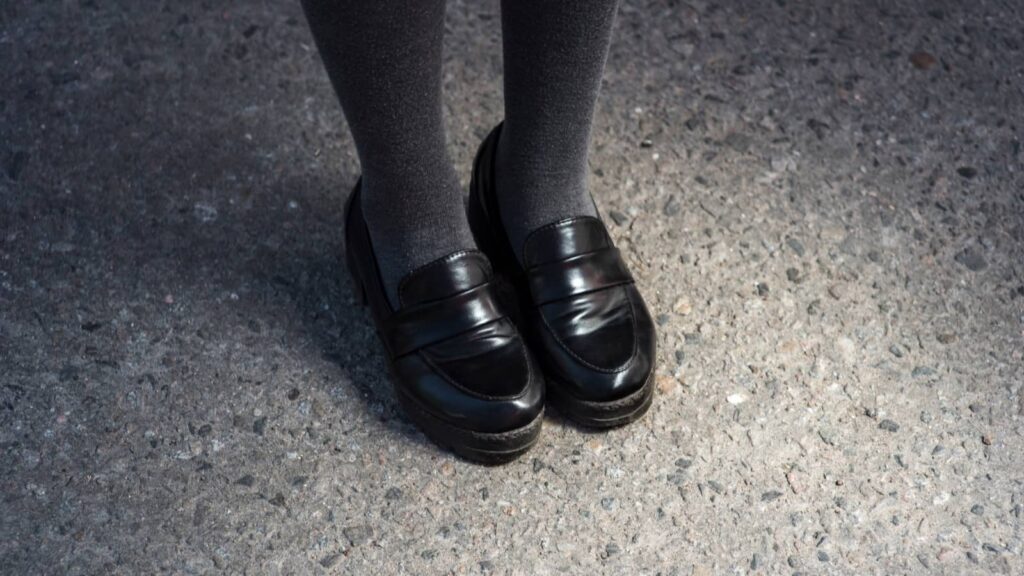
One of the first things you’ll notice about British schools is that almost all students wear uniforms. That’s right, from the little ones in primary school to teenagers in secondary school, uniforms are pretty standard. This means every morning, rather than picking from an array of outfits, students put on a similar set of clothes as their peers. The idea here is to create a sense of equality and reduce distractions based on attire. Plus, it saves quite a bit of time in deciding what to wear every day!
2. Students Specialising at 16

In the British system, students choose specific subjects to focus on at the age of 16. This is quite different from the general education requirements typically seen in American high schools. British students take a series of exams called GCSEs, and post these results, they pick a few subjects that they want to delve into for their A-levels. This allows them to specialize early and develop a deeper knowledge base in areas they’re interested in, which is a big step towards their future careers or university courses.
3. GCSE Exam Pressure

Speaking of GCSEs, these are a big deal in the UK. Around the age of 16, students take these exams which cover a broad range of subjects. The pressure to perform well is high because these scores can determine a student’s future educational path, including what A-levels they can pursue or even what universities they can apply to. It’s a stressful time for young students, with much emphasis placed on exam preparation.
4. Houses and Forms Instead of Homerooms
Forget homerooms, British schools often organize students into ‘houses’ and ‘forms.’ This system fosters a sense of community and belonging among students. Houses are usually mixed-age groups that compete in various sports and academic challenges throughout the year, helping build camaraderie and school spirit. Forms are more about the administrative grouping of students, usually based on their year group, for daily registration and notices.
5. Less Emphasis on School Sports

While American schools often have a strong focus on sports, British schools typically place less emphasis on athletic programs. Sports are definitely part of the curriculum and there are inter-house competitions, but you won’t find the same level of sports frenzy or huge, school-funded athletic facilities as you might see in the U.S. Instead, British schools focus more on academic and other extracurricular pursuits.
6. Walking to School More Frequently

In Britain, it’s much more common for students to walk to school. The denser population and smaller city layouts, plus a strong public transport network, make walking a practical and safe option. This contrasts with many parts of the U.S. where distances and a lack of infrastructure can make walking to school less feasible.
7. Smaller Campuses

British schools generally have smaller campuses than their American counterparts. Space is at a premium, especially in urban areas, so you’ll find that schools make efficient use of smaller spaces. This often translates to smaller outdoor areas and multi-use spaces inside the school buildings.
8. No School Buses for Many Students

While yellow school buses are iconic in America, many British students get to school without the use of a school bus. Thanks to compact cities and good public transport, many students either walk, cycle, or take public buses and trains. This encourages independence from a younger age.
9. More Standardised National Exams
The British education system features more standardized testing than the American system. Starting with the SATs in primary school, to GCSEs, and then A-levels, these exams are crucial milestones in a student’s educational journey, with significant implications for their future academic and career choices.
10. Different University Preparation Systems
When it comes to preparing for university, British students follow a path that might seem unusual to Americans. After specializing at 16, they spend two years focusing deeply on three or four subjects during their A-levels. These are specifically chosen based on the student’s intended university course and career path, unlike the broader curriculum often seen in U.S. high schools.

We are Mary and Eric, the founders of Be Right Back, a blog dedicated to romance around the globe and at home.
We are Mary and Eric, the founders of Be Right Back, a blog dedicated to romance around the globe and at home. With over 10 years of experience in dating and traveling to romantic places, we share our favorite date ideas and romantic destinations to help couples level up their relationships. Having lived in and traveled through the USA, we also share our favourite things to do in the States.
With 70,000 monthly readers and 16,000 followers on social media, Be Right Back is your go-to resource for romantic trip ideas and couple activities at home and abroad.