

10 Things Americans Think Are Normal Until They Visit Britain

When Americans visit Britain, they often find that what’s everyday back home isn’t quite the norm across the pond. From the size of coffee cups to the concept of distance and space, the differences can be quite surprising. Let’s walk through ten everyday American habits and expectations that don’t quite hold up in Britain, shedding light on these intriguing cultural variances.
1. Driving everywhere for every errand
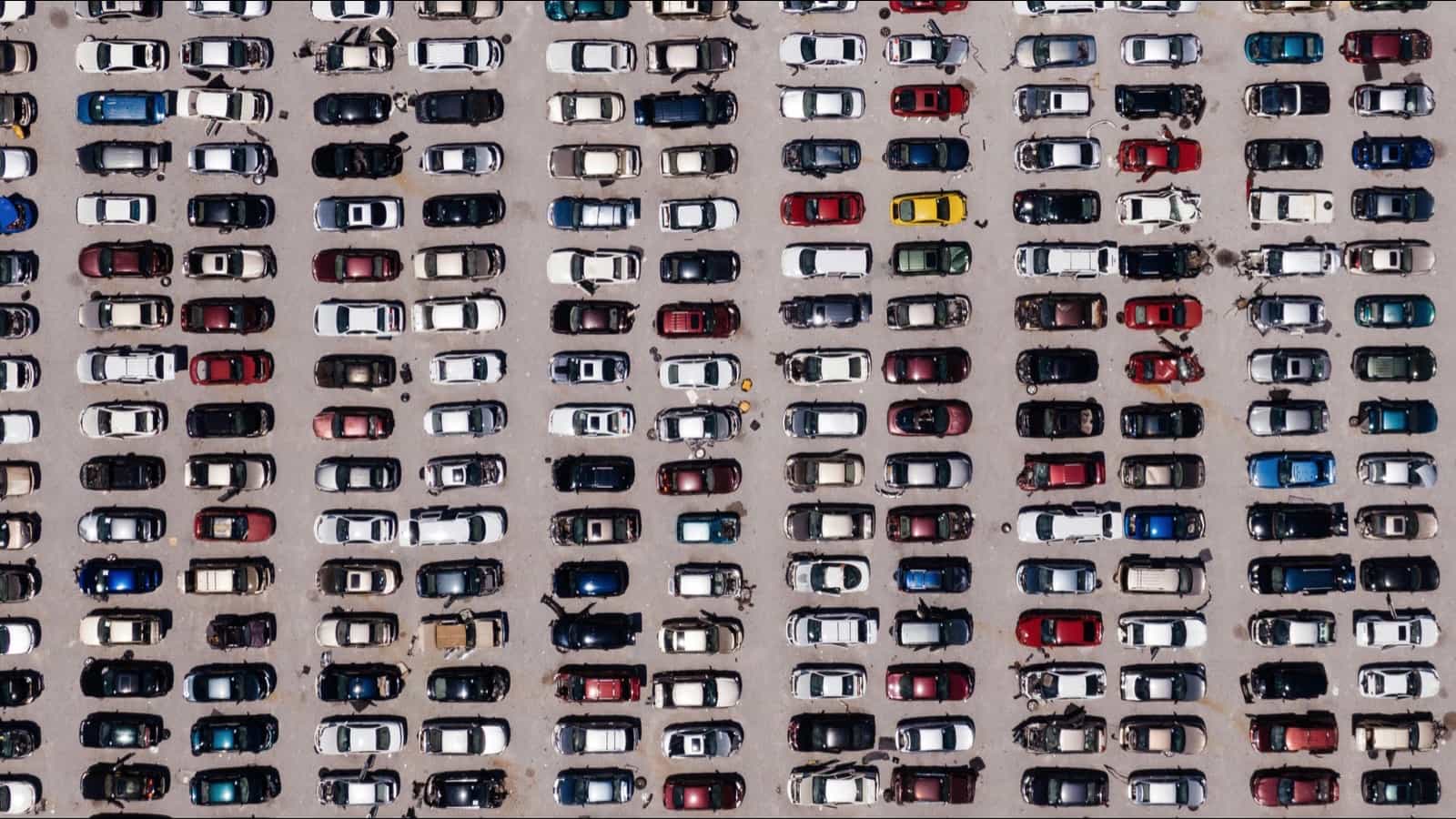
In the US, hopping in the car to run errands is just part of daily life—whether it’s to the grocery store five minutes away or a drive-thru pharmacy. However, when Americans visit Britain, they might be surprised to find that driving everywhere isn’t as common. With more compact city designs and robust public transport systems, Brits often walk, bike, or catch a bus for their daily errands. It’s not only practical due to shorter distances and limited parking, but it also reflects a different approach to urban mobility.
2. Huge restaurant portions

If you’re used to American restaurants where plates come piled high enough for two meals, British portion sizes might make you think twice. In Britain, restaurant servings are generally smaller. While Americans might initially miss the super-sized meals, they often come to appreciate the focus on quality over quantity. Smaller portions mean you get to enjoy a meal without feeling overstuffed, and it’s a reflection of a different attitude towards dining and consumption.
3. Massive parking lots
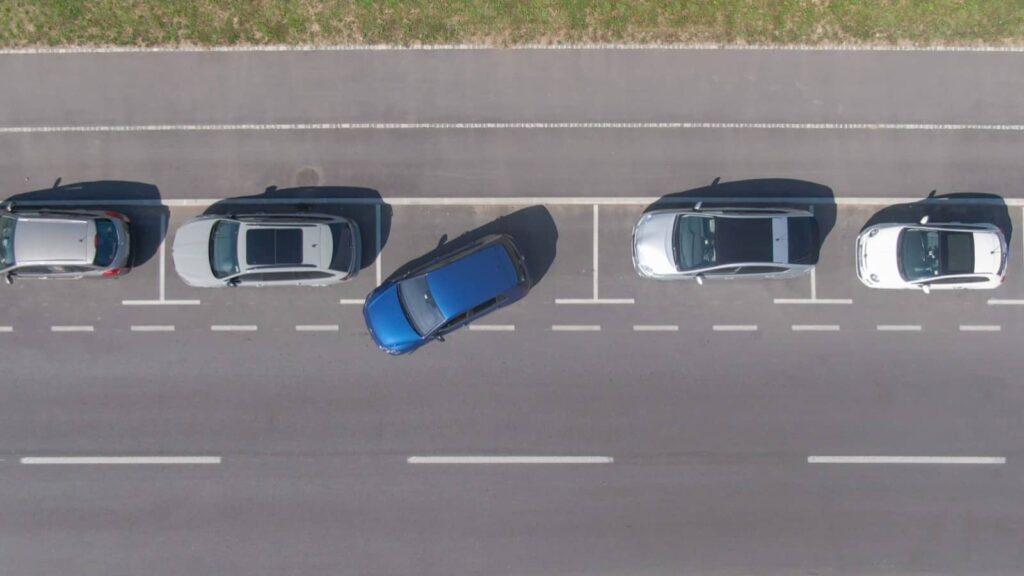
In America, large parking lots are a common sight, accommodating the car-dependent lifestyle that many lead. Contrast this with Britain, where you’ll notice significantly smaller parking areas, if any. This difference highlights the greater reliance on public transport and the denser, more pedestrian-friendly infrastructure in British towns and cities. This can be a bit of a shock to Americans, who are used to plentiful and often free parking back home.
4. Air conditioning in nearly every building

Walking into a cool, air-conditioned building during a hot summer day is a relief many Americans are accustomed to. However, in Britain, air conditioning isn’t as widespread. The climate in Britain is generally milder, and buildings, many of which are older, are not always equipped with modern air conditioning systems. Americans might find this unusual, but it speaks to both the architectural heritage and the environmental conditions of the country.
5. Large refrigerators and pantries
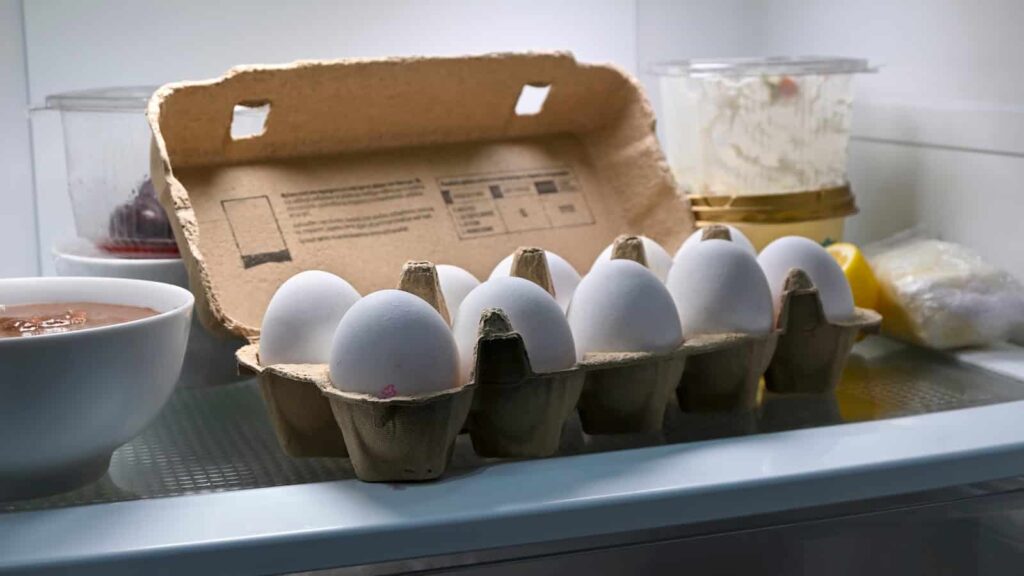
Big refrigerators and spacious pantries are staples in American homes, designed to store large amounts of food bought in bulk. In Britain, you’re more likely to see smaller fridges and less emphasis on stockpiling groceries. Shopping habits tend to involve more frequent, smaller trips to the grocery store. This reflects not only spatial constraints in British homes but also a different approach to food consumption and storage.
6. Wide roads and intersections
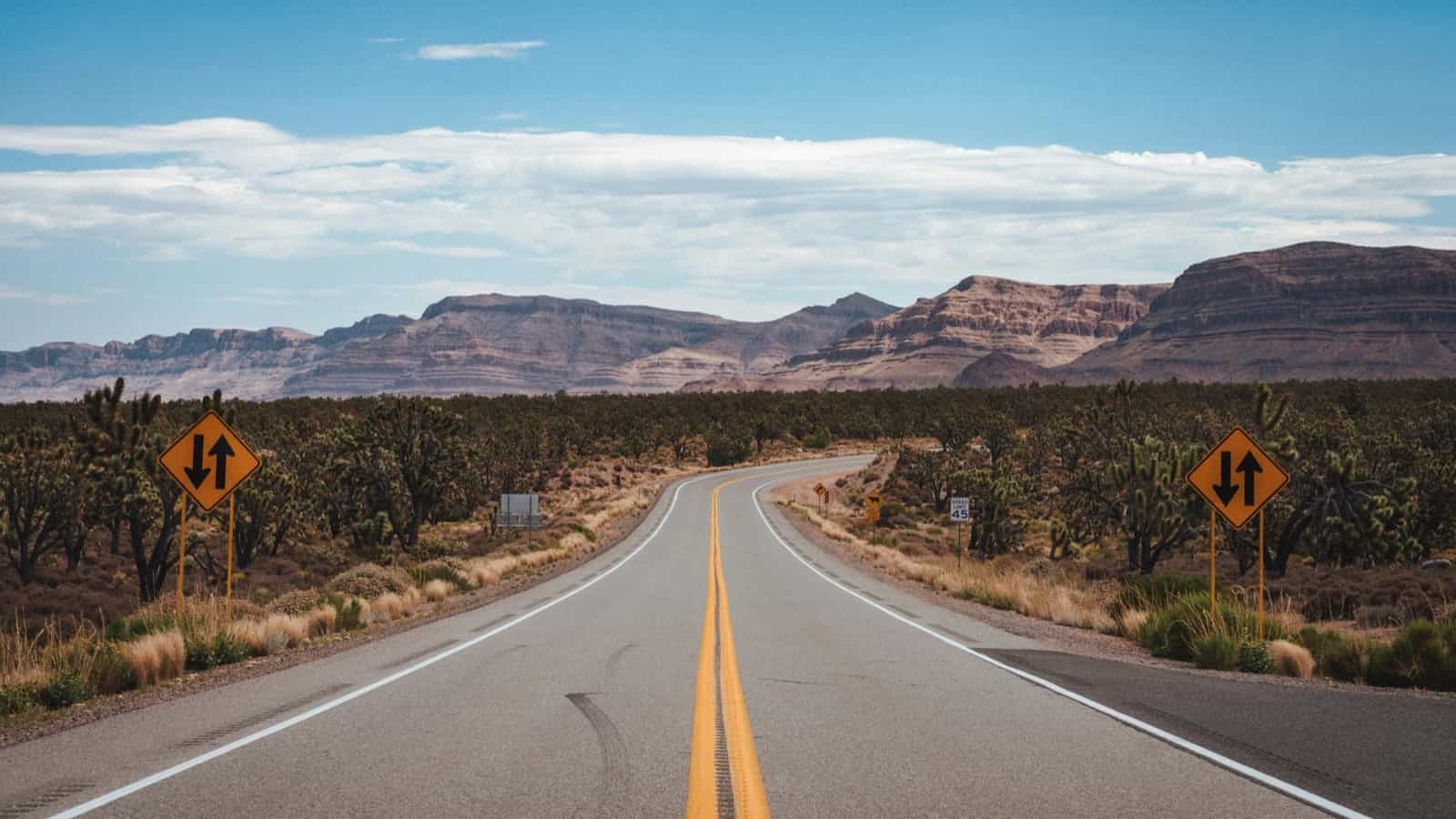
The sprawling, wide roads and large intersections that Americans are familiar with are quite different in Britain, where roads can be narrower and more winding, particularly in older towns and rural areas. This can be initially challenging for American visitors who are used to more spacious driving conditions. It’s a reflection of the different historical development and urban planning priorities between the two nations.
7. Free public toilets being harder to find
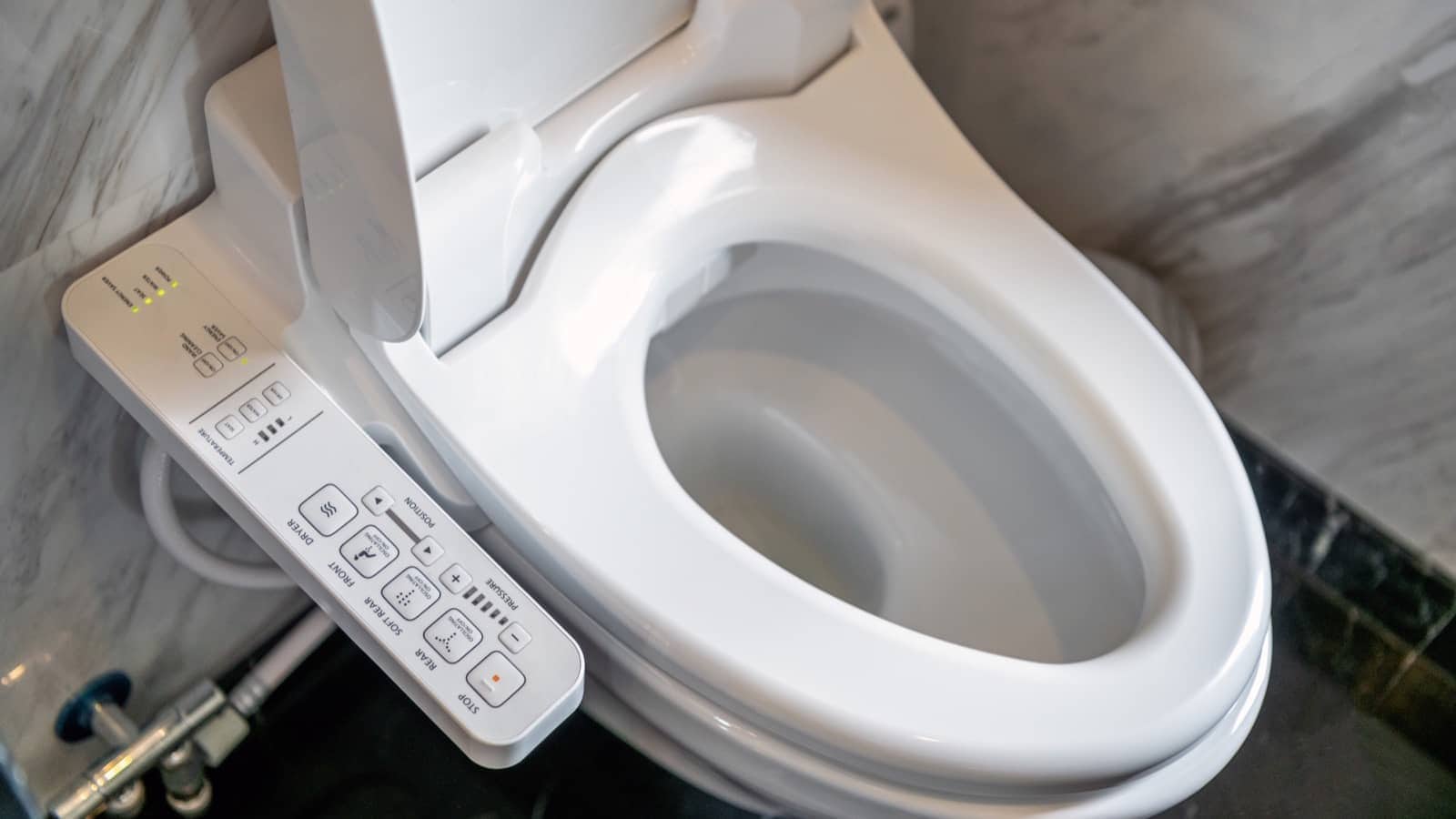
In the US, finding a free public restroom is relatively easy, but in Britain, it might not be as straightforward. Whether it’s a small fee or fewer public facilities, it can be a bit of a surprise for many Americans. This highlights different public infrastructure and cultural attitudes towards accessibility and public amenities.
8. Large coffee sizes as the default

When ordering a coffee in the US, you might be used to hearing ‘tall’, ‘grande’, or ‘venti’ as size options, with even the smallest sizes being quite large. However, in Britain, the default coffee size tends to be smaller. This difference in cup size can be a subtle nod to differing culinary cultures and how beverages are traditionally enjoyed in each country.
9. Twenty-minute drives being considered “close”

For many Americans, a twenty-minute drive is no big deal and is often considered quite close. However, in Britain, perceptions of distance and travel time can be quite different. What is considered a short drive in the US might be viewed as a longer journey in Britain. This difference often surprises Americans and highlights contrasting perceptions of distance and convenience.
10. Extremely large supermarkets

The vast, sprawling supermarkets common in the US are not as prevalent in Britain. British supermarkets tend to be smaller with a more focused selection of goods. While large stores exist, they’re not the norm, and shopping often involves visiting multiple smaller shops. This difference in shopping environments reflects both spatial constraints and different consumer habits.

We are Mary and Eric, the founders of Be Right Back, a blog dedicated to romance around the globe and at home.
We are Mary and Eric, the founders of Be Right Back, a blog dedicated to romance around the globe and at home. With over 10 years of experience in dating and traveling to romantic places, we share our favorite date ideas and romantic destinations to help couples level up their relationships. Having lived in and traveled through the USA, we also share our favourite things to do in the States.
With 70,000 monthly readers and 16,000 followers on social media, Be Right Back is your go-to resource for romantic trip ideas and couple activities at home and abroad.