

10 Things Britain Used to Do Better Before Everything Became Disposable

Back in the day, Britain had a knack for keeping things longer and mending them rather than throwing them away. From shoes to furniture, there was a common understanding that things were made to last and could often be fixed. Let’s take a stroll down memory lane and explore ten practices that made Britain a more sustainable place before the disposable culture took over.
1. Repair shoes instead of replacing them

Remember when we used to take our worn-out shoes to the cobbler? Instead of buying a new pair every time they got a bit scruffy, we’d get them fixed up – new soles, patched up holes, you name it. This not only saved money but also kept our favorite comfy shoes going for years. This practice showed a respect for craftsmanship and materials, something that’s quite rare today with our throw-away habits.
2. Mend clothes when they developed a hole

Got a hole in your jumper? No problem—just sew it up! Back then, mending clothes was common. It was about practicality and valuing what we had. This way, clothes lasted longer, and we could keep wearing our favorite pieces. Plus, it was a great way to get creative with patches and stitches, making old clothes uniquely ours.
3. Fix household appliances

When the toaster stopped working, or the vacuum cleaner hiccupped, we didn’t just toss them out. We’d look into fixing them first. Calling someone in or even tackling the problem ourselves was part of the norm. It saved us cash and helped reduce waste. Plus, it felt good to fix something and see it whir back to life.
4. Reupholster good furniture
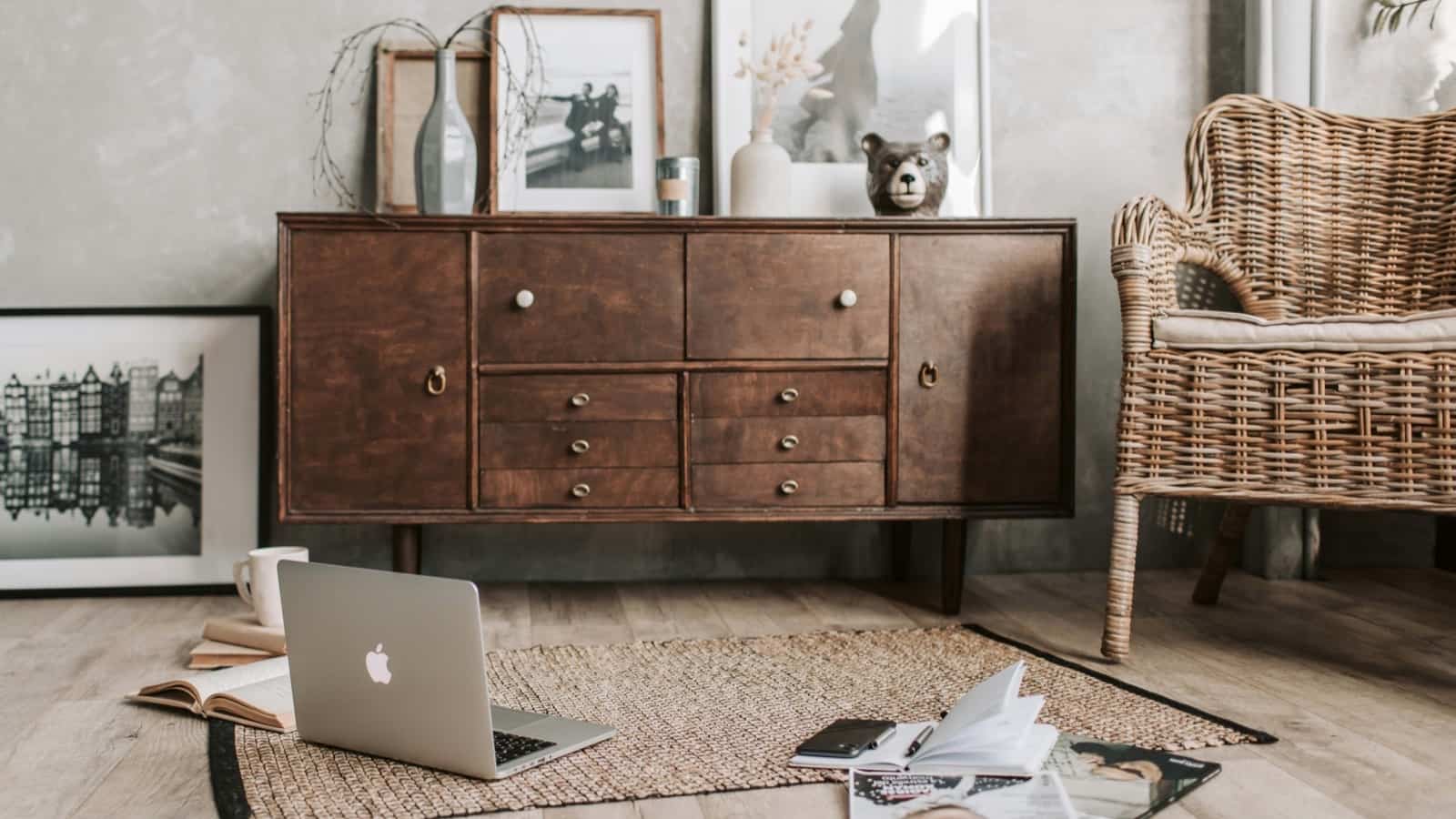
Good furniture wasn’t viewed as disposable. Oh no, if a chair started to look a bit tired, we’d reupholster it. Choosing new fabric and refreshing old furniture not only saved it from landfill but also refreshed our homes. It was a way to keep quality craftsmanship alive and well in our living spaces.
5. Pass children’s clothes between siblings

Instead of buying new outfits for every growth spurt, we passed clothes down from one kid to another. It made sense—why buy new when siblings could recycle wardrobes? It saved money and taught us early on about reusing and recycling. Plus, it was always fun to see old clothes come back into style in the family.
6. Keep quality cookware for decades

Remember that old cast iron skillet or that sturdy pot that seemed to be part of the family? We used to keep cookware for decades because they were made to last and performed well. Investing in good quality kitchen tools meant we could cook countless meals without needing replacements. It was about being practical and cherishing what works.
7. Repair bicycles instead of upgrading them

Bikes could last a lifetime if you took care of them. Rather than buying the latest model every few years, we’d oil the chains, replace the tires, and fix whatever needed mending. It kept our rides personal and our costs down. Plus, tinkering with the bike was almost as fun as riding it.
8. Reuse containers for household storage
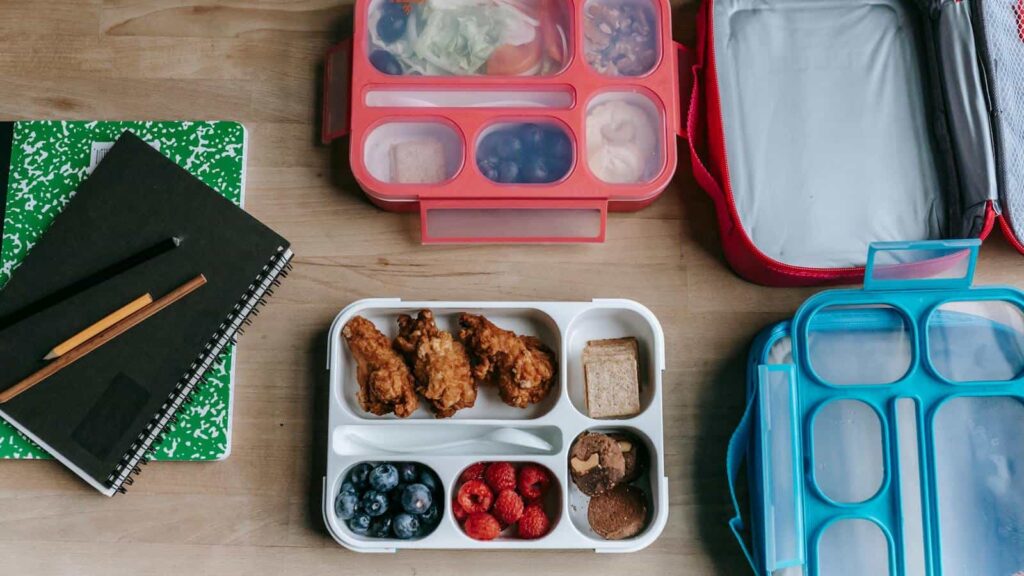
Why buy storage boxes when empty jars and boxes could be cleaned and reused? We’d store everything from nails and screws to buttons and spices in them. It saved us a trip to the store and reduced waste. Reusing containers was a simple act that helped keep our homes organized and our planet a bit cleaner.
9. Buy furniture with the expectation that it would last
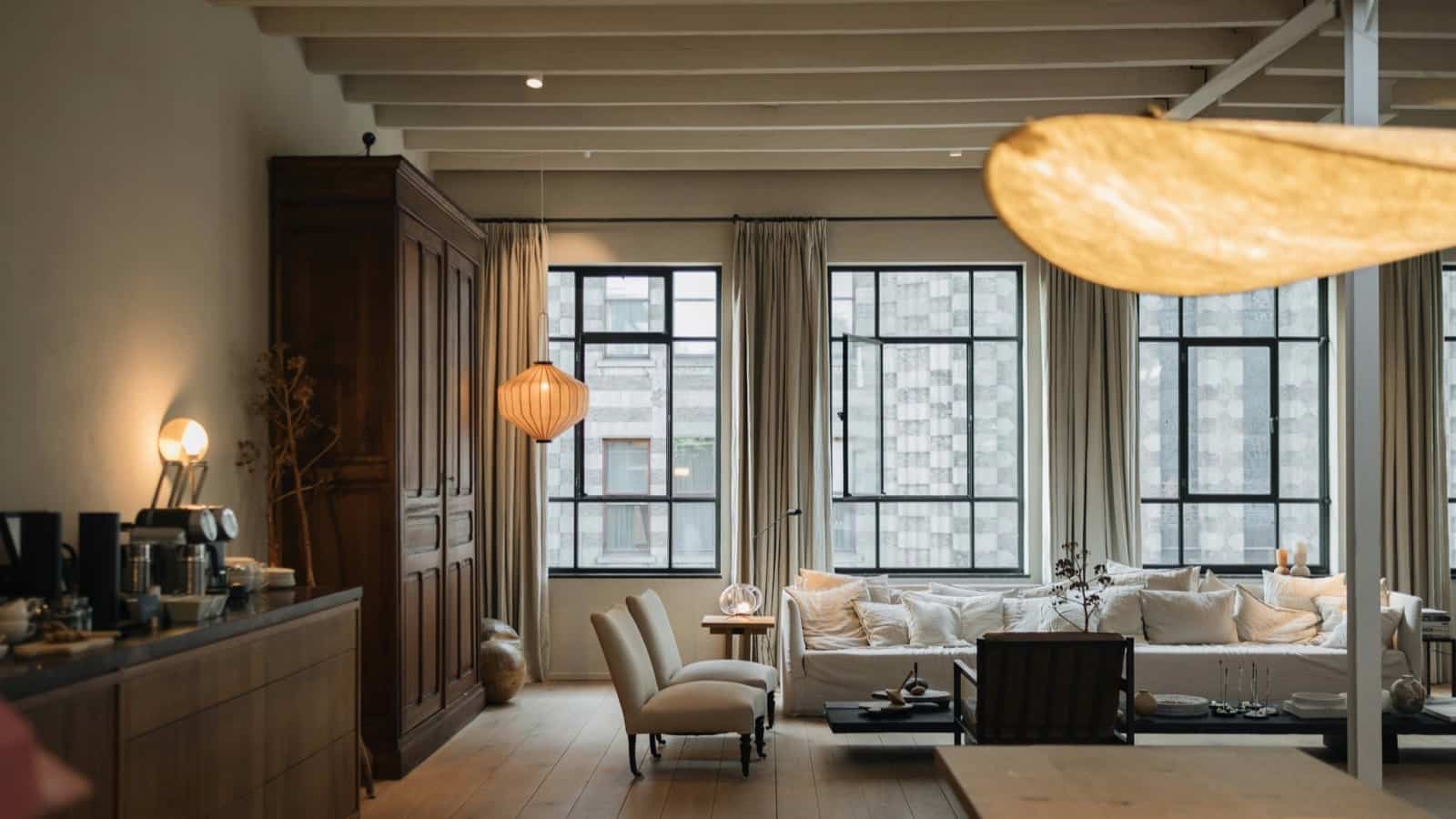
Purchasing furniture used to be a big deal. We chose pieces that would stand the test of time, both in style and durability. The expectation was that furniture should last for years, if not decades. This mindset encouraged better craftsmanship and less frequent replacements, leading to less waste.
10. Ask whether something could be fixed before asking what should replace it
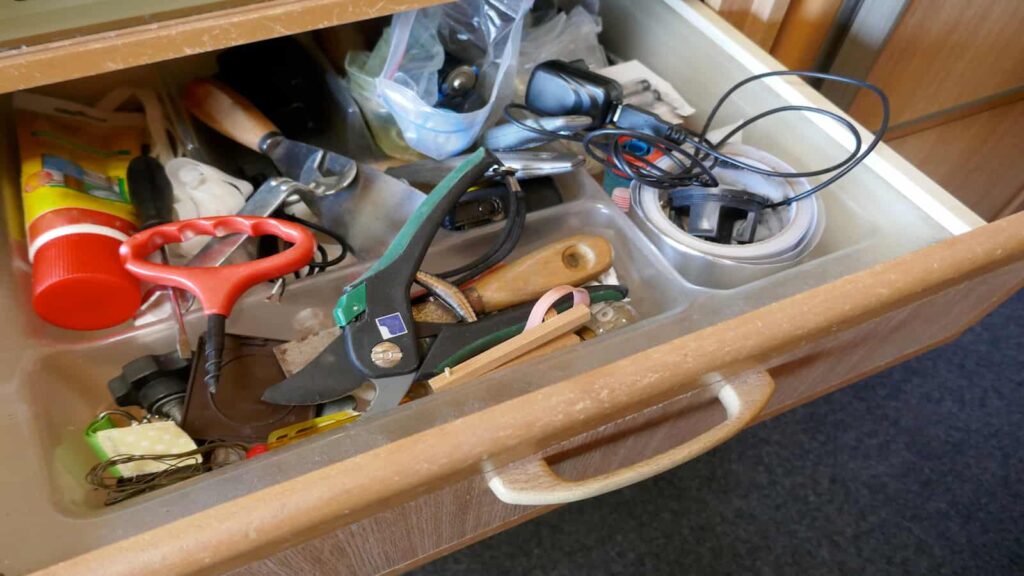
This was perhaps the golden rule: always check if something could be fixed before deciding to replace it. This approach saved money, reduced waste, and encouraged a culture of care and repair. It made us think twice about the value of things and our impact on the environment.

We are Mary and Eric, the founders of Be Right Back, a blog dedicated to romance around the globe and at home.
We are Mary and Eric, the founders of Be Right Back, a blog dedicated to romance around the globe and at home. With over 10 years of experience in dating and traveling to romantic places, we share our favorite date ideas and romantic destinations to help couples level up their relationships. Having lived in and traveled through the USA, we also share our favourite things to do in the States.
With 70,000 monthly readers and 16,000 followers on social media, Be Right Back is your go-to resource for romantic trip ideas and couple activities at home and abroad.