

10 Things Britain Used to Give Away That Companies Now Try to Sell Back to Us

Have you noticed how some things that were once free now cost a pretty penny? It’s like companies saw an opportunity to make a buck on stuff we used to take for granted. Let’s take a stroll through some of these things that used to be on the house but now might see you reaching for your wallet.
1. Choosing a particular seat
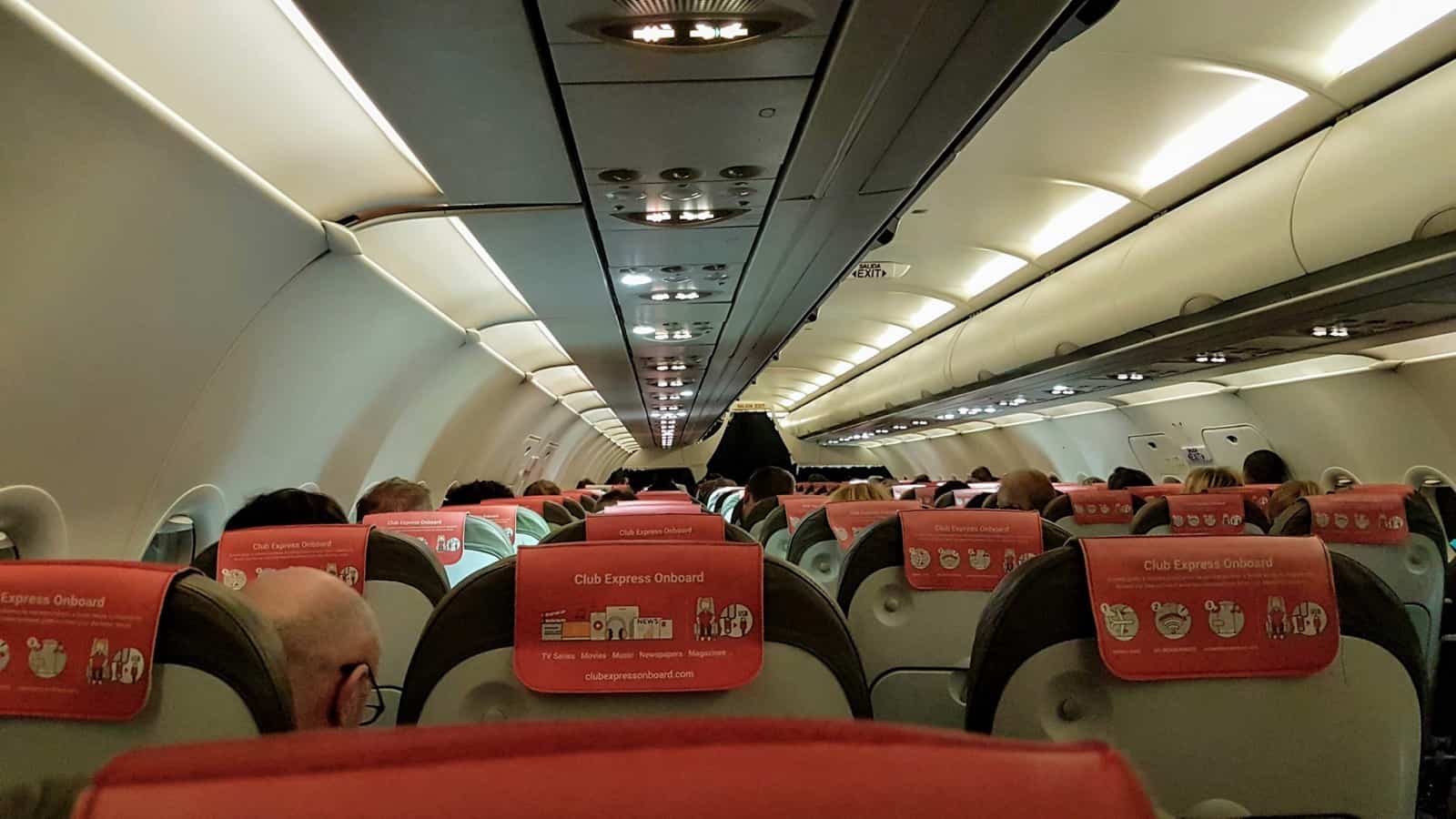
Remember the days when getting a good seat on a plane or train didn’t require an extra fee? It used to feel like a little victory to snag that window seat or one close to the exit for more legroom. Now, it seems like every choice comes with a price tag. This change can be pretty frustrating, especially when you’re travelling with family or friends and want to sit together without having to shell out extra cash. It raises the question: shouldn’t the ability to choose your seat, at least to some extent, be part of the basic service?
2. Receiving a paper bill or statement
Getting a paper bill in the mail used to be the norm. Now, companies often charge extra if you want something you can physically hold. Sure, going digital is good for the environment, but for those who prefer or need a tangible statement, this feels like a penalty. It’s particularly tough on older folks or those without reliable internet access. The shift to digital-by-default has its perks, but it shouldn’t come at a cost to accessibility.
3. Basic customer support

Ever had a problem with a service and just wanted to speak to a human? It used to be simple to call up customer support and get help. These days, getting basic customer support can feel like navigating a labyrinth. Some companies even charge for premium support lines. This is more than a little annoying because good service should be a standard, not a luxury.
4. Carrying a reasonable amount of luggage
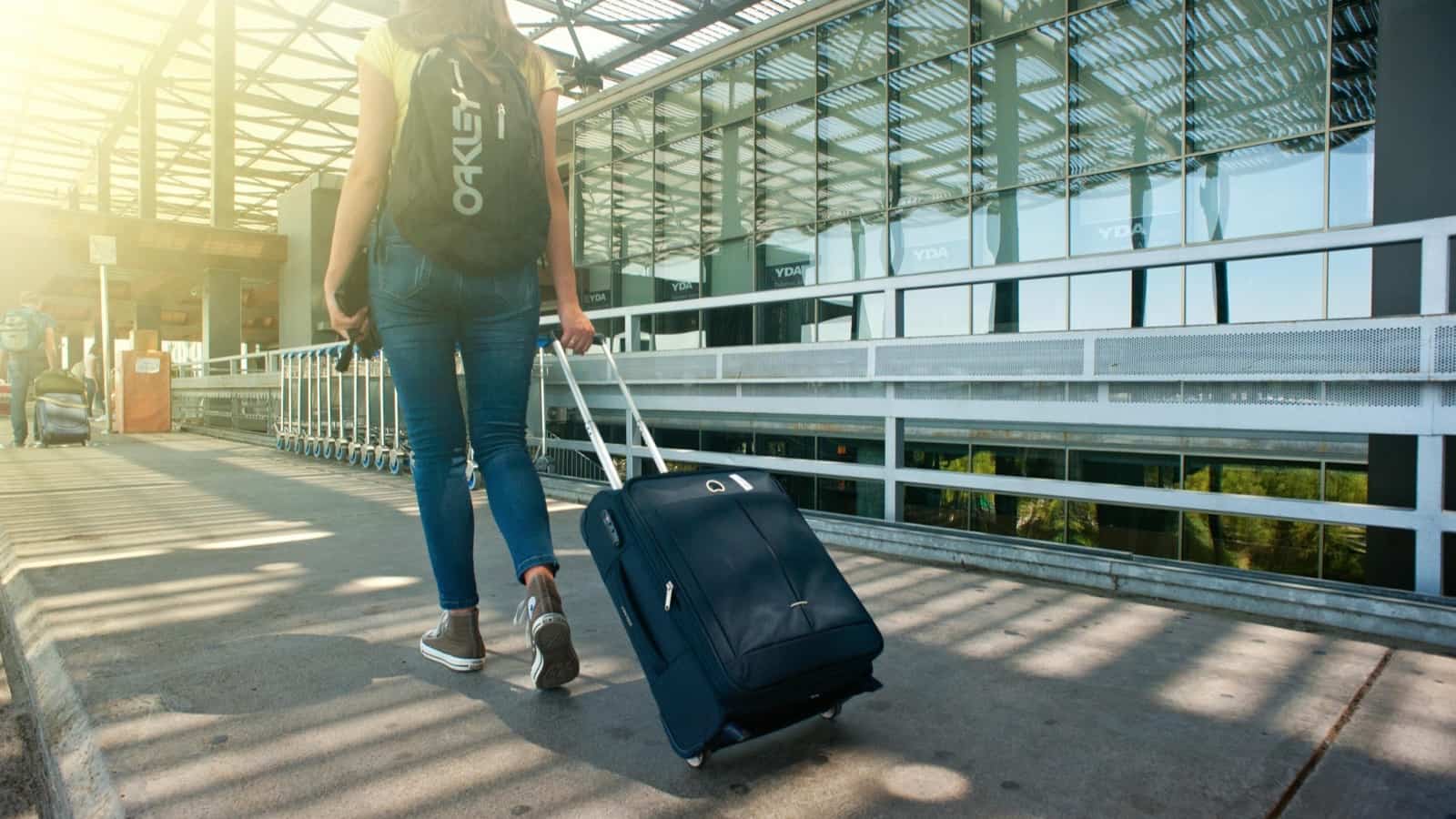
Travelling light? Doesn’t matter much anymore because even carrying what used to be a reasonable amount of luggage might now incur extra fees. Airlines, in particular, have gotten notorious for this. The allowances have shrunk, and the fees have risen. This shift makes you wonder if the baseline ticket price means much when you have to pay extra to bring along essentials.
5. Watching programmes without multiple subscriptions

Gone are the days of flicking through TV channels to find your favorite show. Now, keeping up with all your favourite series might mean subscribing to multiple streaming platforms. This can quickly add up! Each service seems to have exclusive rights to different shows, making it almost impossible to stick to just one subscription if you’re a TV enthusiast.
6. Getting useful features inside software you’ve already paid for

Buying software? Prepare to find out that some of the coolest features are locked behind a paywall, even after you’ve purchased the basic package. It feels a bit like being lured in with a headline price, only to discover that the tools you actually need are part of a more expensive plan. This way of selling software can be disheartening, especially for small businesses or individuals on a tight budget.
7. Making certain booking changes
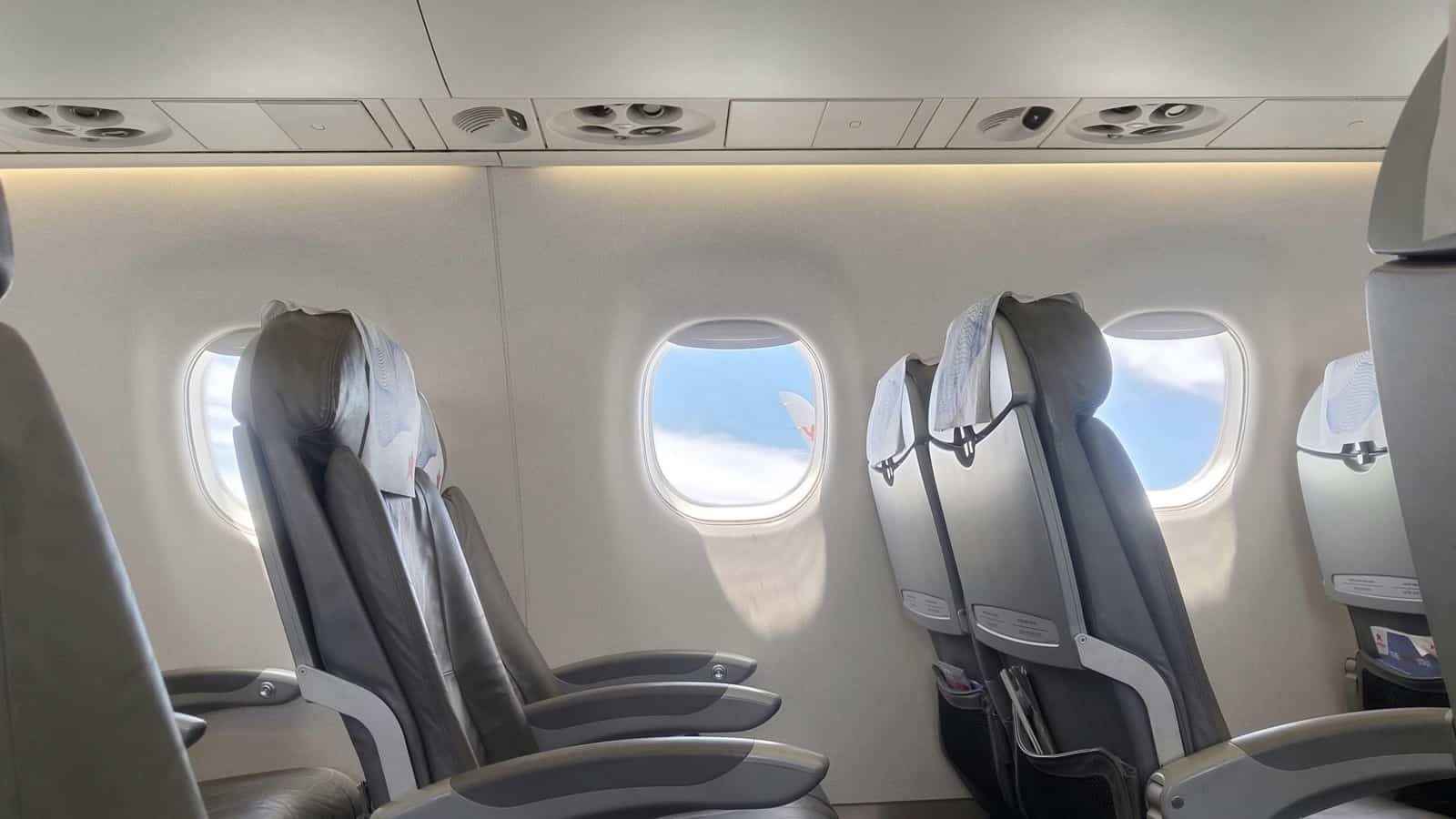
Need to change a booking? It might not be as straightforward or free as it once was. Hotels, airlines, and other services often charge hefty fees for what seem like simple changes. This can be a real headache, especially when unexpected events force a change in plans. It’s a far cry from the days when flexibility was seen as good customer service.
8. Receiving faster delivery that once felt standard

Remember when ordering something online meant it would arrive in a couple of days without paying extra? Now, ‘fast’ delivery often comes with a premium price tag. This shift has redefined expectations, pushing the idea that waiting a week for a parcel is normal unless you’re willing to pay up.
9. Accessing parts of websites that now sit behind memberships

Ever clicked on a link for a juicy piece of content, only to hit a paywall? More websites are locking parts of their content behind memberships. While creators certainly deserve compensation for their work, this model can be frustrating if you’re used to freely exploring a variety of content. It’s a significant change from the wide-open web we once roamed.
10. Getting the complete version of something without upgrading to premium
This is a big one. Whether it’s apps, services, or physical products, it feels like the basic version isn’t quite complete. To get what used to be the full experience, now you often need to go ‘premium.’ This trend not only impacts how much we spend but also how we perceive value in what we buy. What happened to getting the full package right off the bat?

We are Mary and Eric, the founders of Be Right Back, a blog dedicated to romance around the globe and at home.
We are Mary and Eric, the founders of Be Right Back, a blog dedicated to romance around the globe and at home. With over 10 years of experience in dating and traveling to romantic places, we share our favorite date ideas and romantic destinations to help couples level up their relationships. Having lived in and traveled through the USA, we also share our favourite things to do in the States.
With 70,000 monthly readers and 16,000 followers on social media, Be Right Back is your go-to resource for romantic trip ideas and couple activities at home and abroad.