

10 Things Britain Used to Have at Football Grounds That Fans Still Miss Today

British football grounds have changed a lot over the years. Seats, ticket apps, card readers and big screens have made matchdays easier in some ways, but plenty of fans still miss the old routines. There was something special about arriving at the ground with cash in your pocket, grabbing a programme from a seller outside and hearing the noise from the terraces before you even got through the gate. Football felt rougher around the edges, but it also felt closer to the people watching it. These are the small things that made a Saturday afternoon at the match feel different. Some were simple, some were noisy, and some would never be allowed now. Still, they bring back strong memories for supporters who grew up going through the turnstiles with their parents, friends or grandparents.
1 Standing terraces
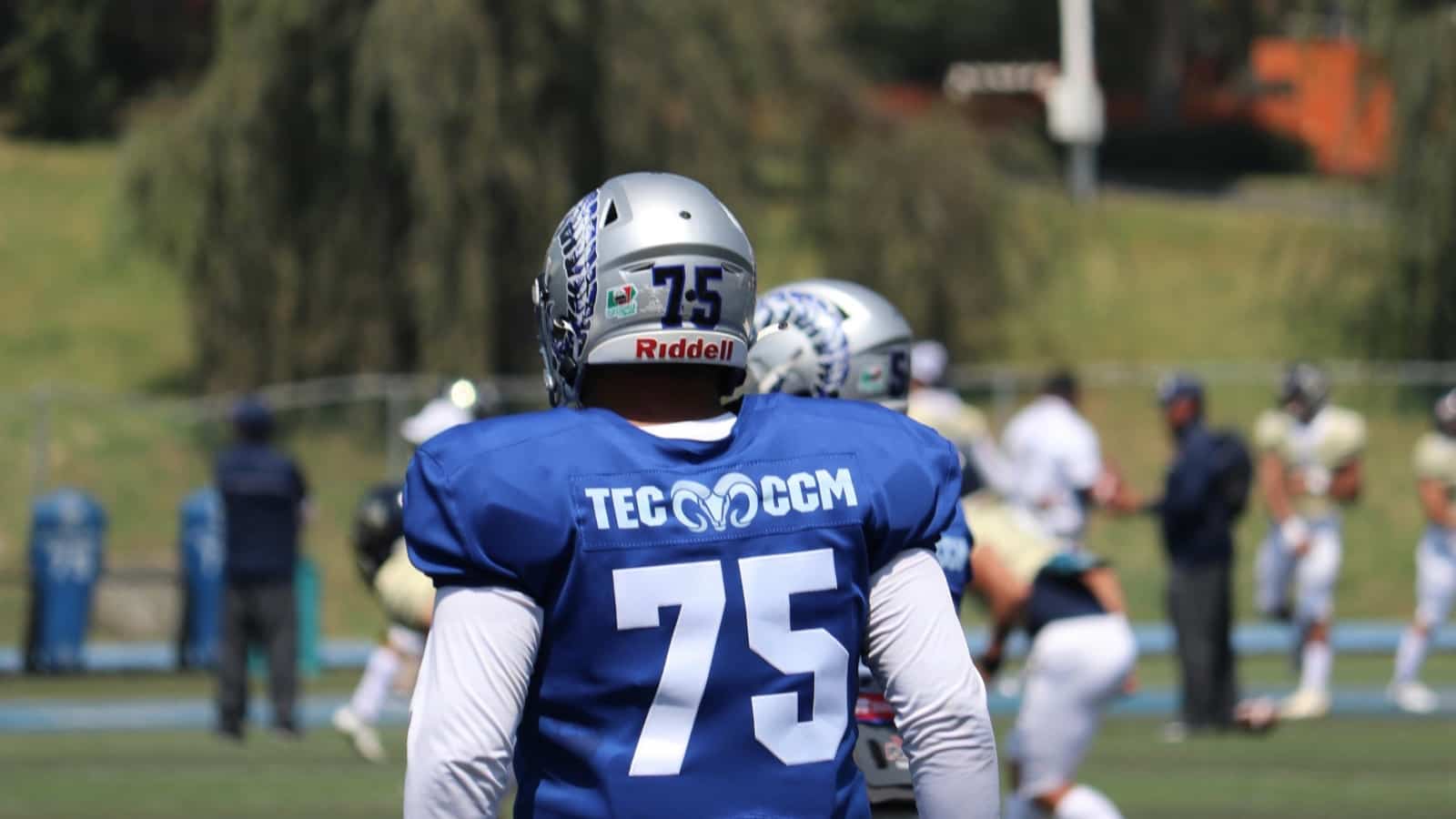
Standing terraces were once a huge part of watching football in Britain. Fans packed into concrete steps behind the goals or along the side of the pitch, standing shoulder to shoulder from kick-off until the final whistle. There were no reserved seats, so getting there early mattered. You found a spot with your mates, usually near the loudest fans, and stayed put for the whole game.
The atmosphere on a packed terrace could be hard to beat. When a goal went in, the crowd surged forward in one big wave. People sang, shouted, jumped around and celebrated with strangers. It could be uncomfortable, wet and cold, especially in winter, but fans often talk about it with real warmth.
All-seater grounds became the norm after the Taylor Report, and safety had to come first. Modern stadiums are safer and more controlled, but some supporters feel that seats can make crowds quieter. Safe standing areas have brought back a version of the old experience at some clubs. They give fans room to stand together, sing loudly and create the kind of noise that used to come naturally from the terraces.
2 Paying cash at the turnstile

There was a time when going to football could be very simple. You checked the fixture, put some money in your pocket and headed to the ground. At the turnstile, you handed over your cash, the operator clicked the counter, and you were in. No phone battery, no booking fee, no queue for an app and no need to print anything at home.
For many fans, paying at the gate made football feel more spontaneous. If the weather was decent and you had a few pounds spare, you could decide on the day to go along. You did not always need to plan weeks ahead or worry about missing a ticket window online.
Cash turnstiles also had their own sounds and smells. There was the clunk of the metal gate, the chatter of fans behind you and the smell of pies or cigarette smoke drifting through the entrance. It was part of the build-up.
Modern ticketing is useful, especially for big games and crowd control. But there was something honest about handing over a few notes and coins to watch your team. It made a football match feel within reach for ordinary supporters.
3 Kids lifted over the turnstile for free

Kids being lifted over turnstiles was one of those old football ground stories that parents and grandparents still tell. A child would arrive with an adult, wait for the right moment, then get a quick lift over the metal barrier before the person on the gate noticed. It saved a few pounds, and for some families that money mattered.
It was never official, and it would not be accepted at modern grounds. Turnstiles are more secure now, and clubs need accurate attendance numbers for safety. Still, the memory has become part of football folklore. For many people, it was their first taste of getting into a match.
There was usually a bit of panic involved. The child had to land safely on the other side, then wait while their mum, dad, uncle or older sibling paid to come through. Once everyone was inside, the fun began: finding the stand, buying a drink if there was any money left, and seeing the pitch up close.
It shows how football used to feel less formal. Grounds were rougher, rules could be bent, and families found ways to make a day out affordable. The old trick may be gone, but the stories have lasted.
4 A cup of Bovril at half time

A cup of Bovril at half-time was a classic part of a cold day at the football. It came in a small paper or plastic cup, usually from a hatch under the stand, and it was hot, salty and strong. It was not fancy, but when the wind was blowing through the ground, it did the job.
Fans queued for Bovril alongside tea, coffee, pies and sausage rolls. The queue often moved slowly, especially at half-time, so there was always a risk of missing the start of the second half. Still, plenty of people felt it was worth it. Holding a hot cup warmed your hands as much as drinking it warmed you up.
Bovril had a proper football-ground feel. You could smell it in the concourse and see steam rising from cups in the crowd. For some supporters, it brings back memories of going to matches with their dad or grandad, standing under a roof while rain hammered down outside.
You can still find Bovril at some grounds, but it is less common than it once was. Coffee chains, craft beer and larger food menus have taken over in many places. Yet on a freezing afternoon in December, a simple cup of Bovril still feels more fitting than anything else.
5 Programme sellers outside the ground

Before matchday programmes became less common, sellers stood outside football grounds calling out to supporters as they arrived. They held piles of fresh programmes under their arm, often shouting the price again and again as fans walked past. Buying one was part of the routine for many people.
The programme gave you something to read before kick-off. It had team news, player profiles, fixture lists, league tables and messages from the manager or chairman. Some fans studied every page in the stand. Others took it home, kept it in a drawer and built a collection over many years.
Programme sellers were part of the scene outside the ground. Along with scarf stalls, burger vans and people selling badges, they helped build the feeling that a match was about to start. You knew you were near the stadium when you heard their voices.
Many clubs now use digital programmes or have stopped producing them for every game. That makes sense for cost and waste, but a screen does not feel quite the same. A paper programme could get wet in the rain, folded in your pocket or stained with pie gravy. That was part of its life. It became a small souvenir from a particular day at the football.
6 Football rattles

Football rattles were loud wooden noisemakers that fans swung around above their heads. They made a sharp clattering sound that could carry across a whole stand. Before drums, speakers and organised fan displays, rattles were one of the easiest ways to make some noise.
They were especially popular with younger supporters. A child could spend the whole game spinning a rattle, often much to the annoyance of anyone standing nearby. But at the time, that noise was part of the match. It mixed with chants, whistles, shouts and the sound of the crowd reacting to every tackle.
Many rattles had club colours painted on them, while others were plain wood with a simple handle. They were cheap, tough and easy to carry. A fan could bring one to every game and make it part of their own matchday habit.
They disappeared from most grounds because they could be used as weapons and because stadium rules became stricter. That is understandable, but old photos and film clips show how common they once were. The sound of a rattle now feels tied to another football era, when the game was noisier in a rougher, more homemade way.
7 Half time scoreboards with letters for each match
Old football scoreboards had a simple way of sharing results from around the country. Each match was given a letter, and the board showed a score next to it. Fans had to buy a printed list or check the programme to find out which letter matched which game.
At half-time, supporters would look up at the board and try to work out how rivals were doing. If your team was chasing promotion, fighting relegation or battling for a cup place, those scores mattered just as much as the game in front of you.
There was a small thrill when the numbers changed. A cheer could go up in one part of the ground after a rival had gone behind. Then people would pass the news along the terrace: “They’re losing at Leeds,” or “Liverpool have scored again.” It was football news delivered slowly, but it gave fans something to talk about.
Now, every result is on a phone within seconds. Fans can see line-ups, goals, replays and league tables while sitting in their seat. It is quick and useful, but the old letter boards had their own appeal. They made you wait, watch and work things out with the people around you.
8 Every game kicking off at 3pm on a Saturday

For years, Saturday at 3pm was football time. Fans built their whole weekend around it. You had your lunch, met your mates, travelled to the ground and took your place before kick-off. The final whistle came in time for the results show, a pint, or the trip home.
Having most games start at the same time gave football a shared rhythm. Grounds across Britain filled up together, and supporters everywhere went through the same nerves, hope and frustration. The Saturday afternoon felt set aside for the game.
Television changed that. Matches are now spread across Friday nights, Saturday lunch times, Saturday evenings, Sundays and Mondays. This gives more games wider coverage, but it can make life harder for travelling fans. A long away trip is very different when it ends late on a Sunday night.
Many supporters still miss the old routine because it made football easy to plan around. You knew where you would be at three o’clock on a Saturday. You knew your friends would be there too. It was a habit passed through families, and it made the weekend feel complete.
9 Tall floodlight pylons you could see for miles

Tall floodlight pylons were once a familiar sight near football grounds. You could spot them from streets, train lines and bus routes long before you reached the stadium. For a fan heading to an evening match, seeing those lights in the distance meant you were nearly there.
Most old grounds had four huge metal pylons, one at each corner. They stood far above the stands and gave stadiums a clear outline against the night sky. When the lights came on, they gave the pitch a bright glow while the terraces around it stayed dark and smoky.
Modern stadiums usually have lights built into the roof. They work well and give better coverage, but they do not have the same character. The old pylons were part of a club’s identity. They appeared in photos, paintings, badges and memories of famous night games.
There was something special about walking towards a ground under those lights. You could hear the crowd getting louder and see the towers rising above the houses. They made the match feel close before you had even reached the turnstile. For many fans, that first sight of the floodlights was the real start of the evening.
10 Tickets that cost a few pounds

Football tickets used to cost a few pounds, and for some fans they cost even less. That made it easier for families, young people and pensioners to go regularly. A trip to the match could be a normal part of life rather than something saved for special occasions.
Lower prices meant supporters could decide to go at short notice. A parent might take a child along for their first game without worrying too much about the cost. Groups of friends could meet outside the ground, pay at the gate and spend the afternoon together.
Of course, wages were lower too, and football grounds were far less comfortable than they are now. But many fans feel ticket prices have risen too far beyond what ordinary people can manage. Add travel, food, a programme, shirts and other costs, and a matchday can become expensive very quickly.
Cheap tickets helped create loyal crowds. People could attend every home game, follow the team through bad seasons and make football part of their weekly routine. Modern grounds may have better facilities, but supporters still want the game to be open to everyone. Football is at its best when local fans can afford to be there.

We are Mary and Eric, the founders of Be Right Back, a blog dedicated to romance around the globe and at home.
We are Mary and Eric, the founders of Be Right Back, a blog dedicated to romance around the globe and at home. With over 10 years of experience in dating and traveling to romantic places, we share our favorite date ideas and romantic destinations to help couples level up their relationships. Having lived in and traveled through the USA, we also share our favourite things to do in the States.
With 70,000 monthly readers and 16,000 followers on social media, Be Right Back is your go-to resource for romantic trip ideas and couple activities at home and abroad.