

10 Things Britain Was Better At Before Every Spare Space Became Luxury Flats

There was a time when Britain had more space for everyone. From old buildings turned into buzzing community centers to town centers filled with unique, independent shops, the landscape was different. Nowadays, it seems every spare nook is turned into luxury flats. Let’s take a nostalgic look back at what used to be, before the widespread luxury flat boom changed towns and cities.
1. Old buildings could become community spaces
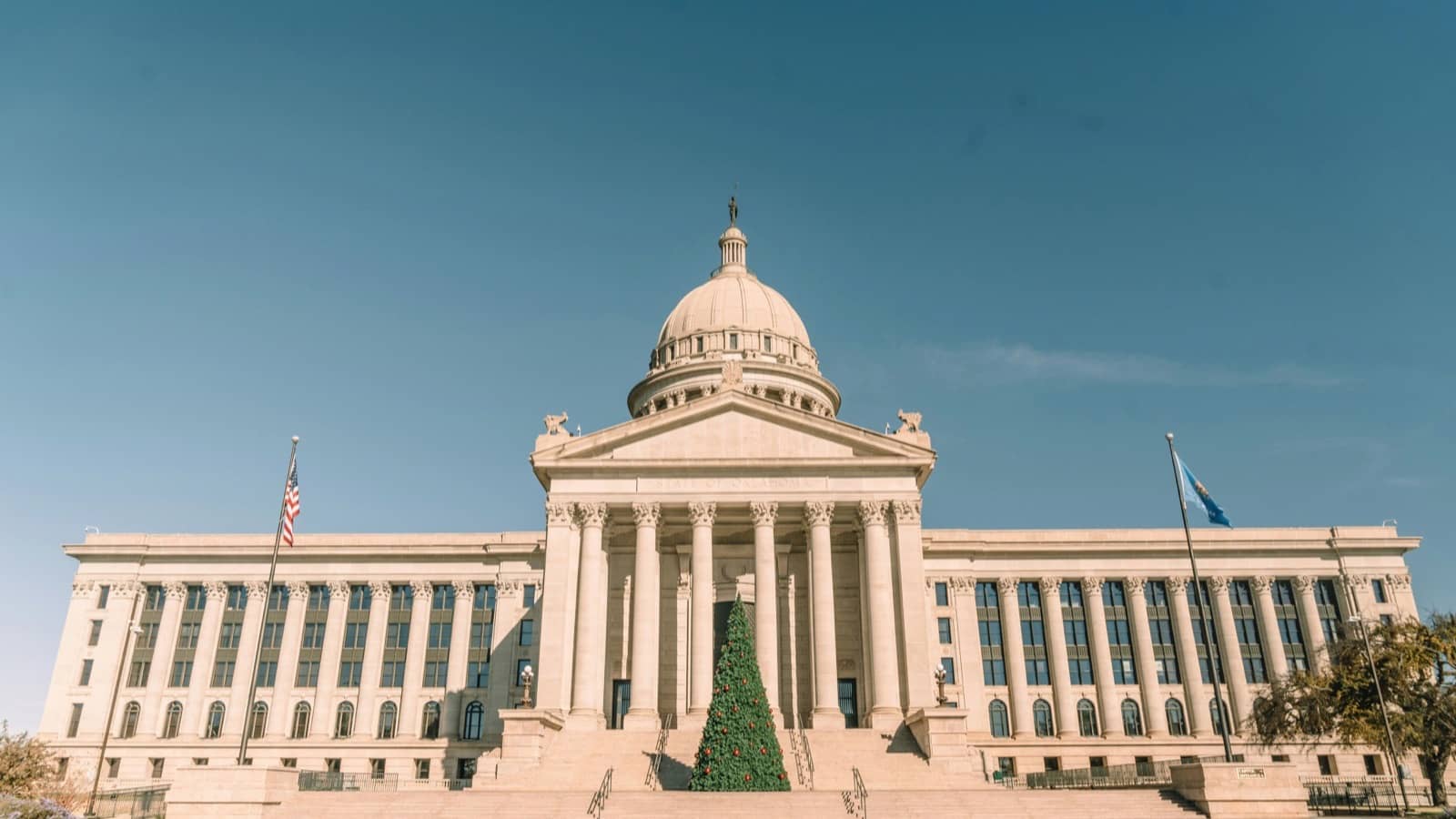
Before, many old buildings that were no longer in use found new life as community centers. These places became hubs where people could meet, learn and engage in local activities. They were essential for fostering a sense of community and belonging, offering a space where everyone could come together, celebrate and support each other.
2. Town centres had more room for independent businesses
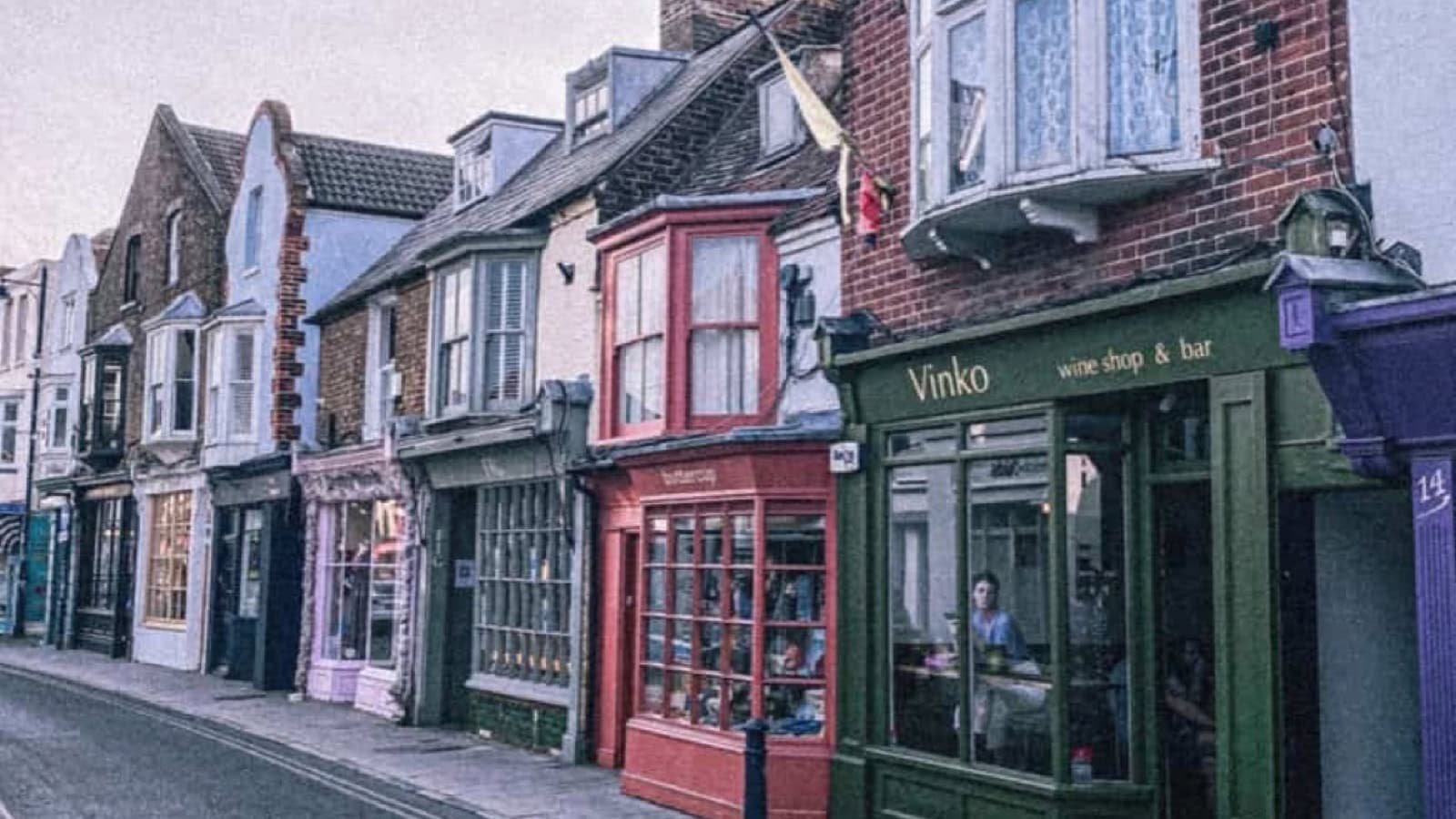
Town centers used to have a diverse mix of unique shops, run by local business owners. These spaces allowed for personal, quirky and innovative shopping experiences that differentiated themselves from generic, chain-store shopping. This variety supported local economies and provided shoppers with unique choices that are hard to find today.
3. Former industrial buildings became creative spaces
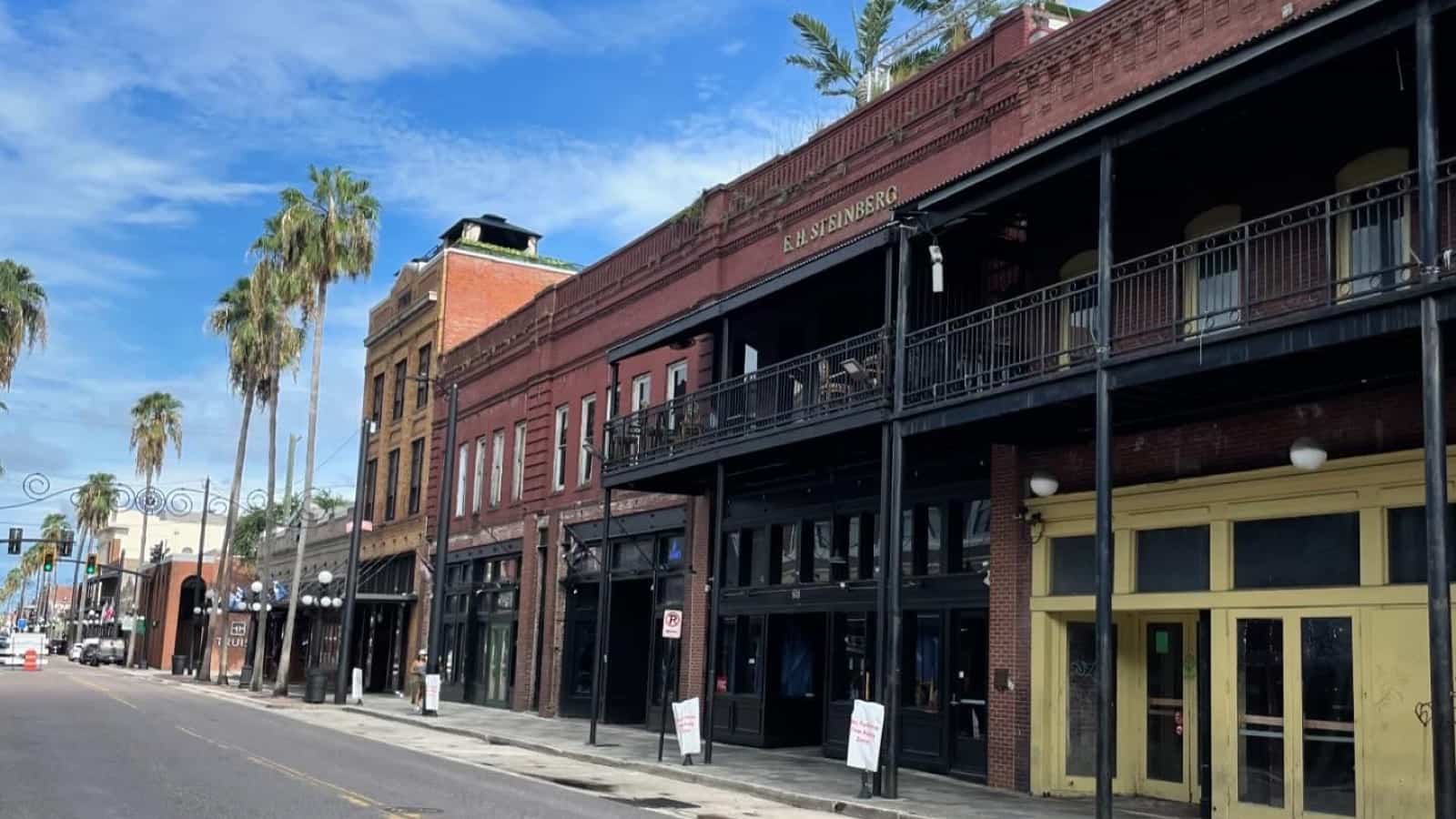
Old industrial areas often took on new roles as creative spaces. Artists, designers, and craftsmen would breathe new life into these places, creating vibrant hubs of innovation and creativity. These spaces were affordable and flexible, allowing creative minds to flourish.
4. Young people had inexpensive places to socialise
There used to be lots of affordable places where young people could hang out, socialize, and enjoy themselves without breaking the bank. From youth clubs to informal gathering spots, these places were crucial for young people to make connections and relax.
5. Empty plots could become temporary community gardens
When plots of land lay unused, they often transformed into community gardens. These green spaces were not just for beautification but also served as communal areas where locals could grow their own food, learn about gardening, and meet like-minded neighbors.
6. Local artists could find affordable studios

Artists once found it easier to locate affordable studios in their hometowns. These spaces were instrumental in helping artists develop their craft without the financial pressures associated with high rents, fostering a vibrant local arts scene.
7. Small music venues had somewhere to exist
Small music venues, which played a vital role in the music scene, offering stages for up-and-coming bands and artists, used to be more prevalent. These intimate settings helped cultivate local talent and bring communities together through the love of music.
8. Communities had more halls and meeting spaces

Communities thrived when they had plenty of halls and meeting spaces. These were essential for events, classes, and gatherings. Having accessible spaces like these encouraged community involvement and interaction, which is less common now with the rise in private developments.
9. Not every development was marketed as “luxury”
Previously, not every new development was tagged as ‘luxury’. There was a broader range of housing options available that catered to all incomes, providing opportunities for more people to afford homes without the premium price tag.
10. Interesting old buildings weren’t automatically viewed as property opportunities
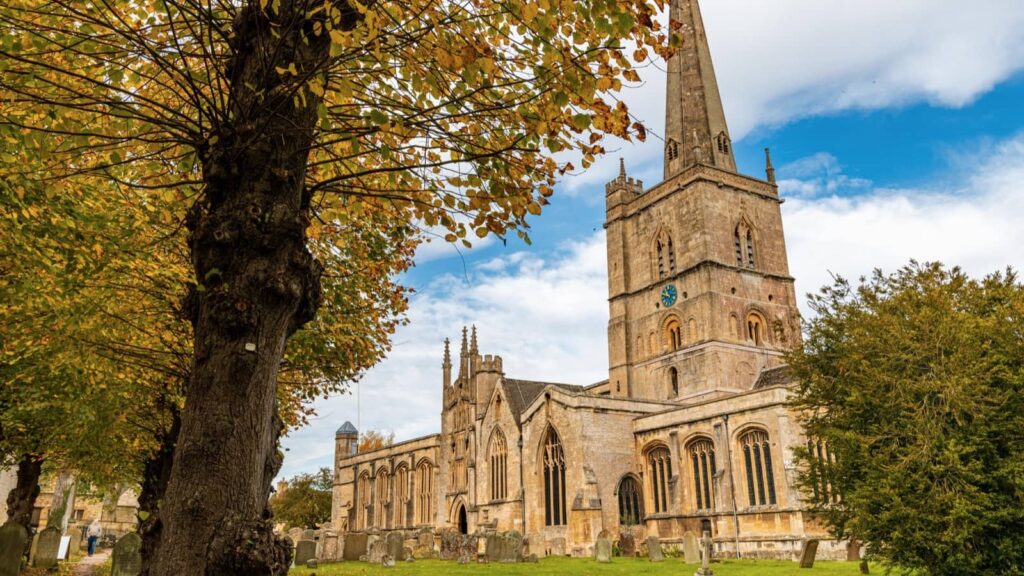
Interesting old buildings were appreciated for their architectural or historical significance, not just seen as opportunities for development. This respect for heritage allowed for preservation and appreciation of history, which is increasingly rare in the face of modern development pressures.

We are Mary and Eric, the founders of Be Right Back, a blog dedicated to romance around the globe and at home.
We are Mary and Eric, the founders of Be Right Back, a blog dedicated to romance around the globe and at home. With over 10 years of experience in dating and traveling to romantic places, we share our favorite date ideas and romantic destinations to help couples level up their relationships. Having lived in and traveled through the USA, we also share our favourite things to do in the States.
With 70,000 monthly readers and 16,000 followers on social media, Be Right Back is your go-to resource for romantic trip ideas and couple activities at home and abroad.