

10 Things British Families Used to Do on Summer Holidays That Have Almost Disappeared

British family summer holidays used to have a very familiar feel. The destination might change, but the routine often stayed the same: packing the car too tightly, eating sandwiches from a cool box, arguing over directions and trying to keep the kids busy for hours. Holidays were often simpler, slower and a bit less polished than they are now. There were no phones full of photos, no online check-in and no weather apps telling everyone when it might rain. Instead, families made do with maps, brochures, postcards and a camera film that had to last all week. Many of these holiday habits still exist in small ways, but they are far less common. Here are ten things British families used to do during their summer break that now feel like a real throwback.
1. Go to a caravan park in Wales

A caravan park in Wales was a classic British family holiday. Parents would spend hours packing clothes, towels, board games, tins of food and enough tea bags to last the whole week. The car would be packed to the roof, with suitcases wedged around the children in the back. For many families, the drive itself was part of the holiday, even if it involved traffic jams and endless cries of, “Are we nearly there?”
Once they arrived, the caravan became home for the week. It was usually cosy rather than roomy, especially with parents and children sharing a small space. The weather did not always help either. A rainy Welsh afternoon could mean sitting inside playing cards, watching television or hoping the rain would stop before the evening entertainment started.
Caravan parks offered simple fun. There might be a swimming pool, a small shop, a playground, bingo, discos and a clubhouse. Kids could make friends quickly and spend hours riding bikes around the site. Adults could relax with a drink while keeping one eye on the children.
People still holiday in Welsh caravans, but the old-style family break has changed. Modern caravans are often more comfortable, bookings are made online and families bring tablets instead of packs of cards. Still, a caravan park remains a familiar memory for many people who grew up with summer holidays by the Welsh coast.
2. Spend a week at Butlins

A week at Butlins was once a big event for British families. It was a holiday where everything happened in one place, so there was no need to plan too much. Families arrived with cases, swimming costumes and plenty of excitement about the activities ahead. The holiday camp had accommodation, food, entertainment, sports and lots for children to do from morning until night.
The Redcoats were a huge part of the experience. They hosted games, competitions, shows and evening events. Children often joined talent contests, danced at discos or took part in games around the camp. Parents could watch a show, have a drink or join in with bingo after dinner.
Butlins was not always fancy, and that was part of the point. Families did not go there expecting luxury. They went because it was easy, busy and fun. There was often a packed timetable pinned up somewhere, and children would want to try everything. Swimming pools, amusement rides, sports courts and live acts gave families plenty to talk about.
Butlins still exists, but family holidays now often look different. Some people prefer overseas breaks, quiet cottages or hotels with more privacy. Yet for generations of British families, a Butlins holiday meant laughter, noisy dining rooms, rainy-day activities and entertainment that went on long after the children should have been asleep.
3. Squeeze into the car with no air conditioning
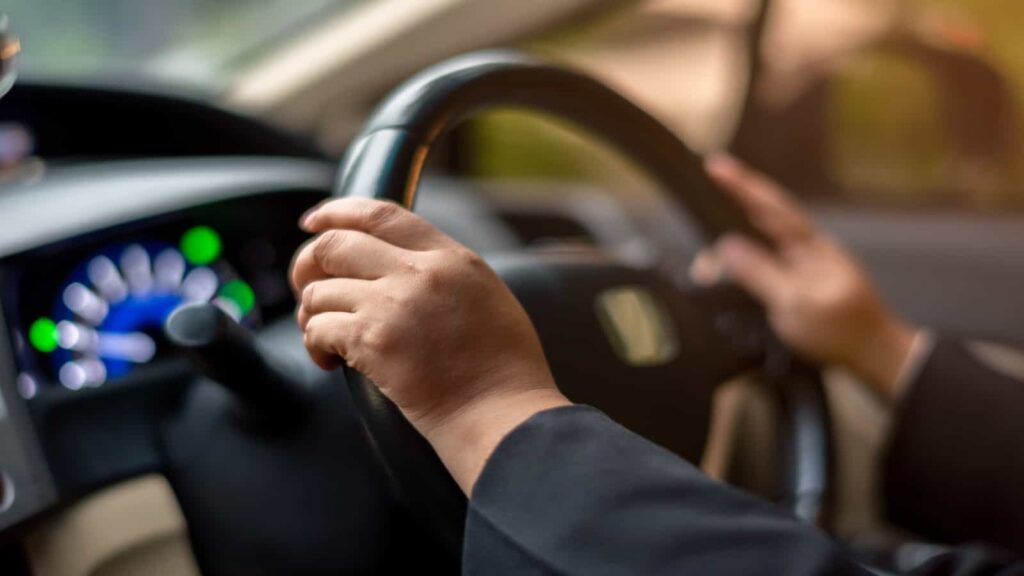
Before cars had decent air conditioning, going on holiday in summer could be very uncomfortable. Parents, children, luggage and holiday supplies were all squeezed into one vehicle. The boot would be full, bags might sit under people’s feet and a roof rack could carry even more. Children often had very little room in the back seat, especially if there were three of them.
On a hot day, the windows would be wound down as far as possible. This helped a little, but it also meant lots of wind, traffic noise and hair blowing everywhere. If rain started, someone had to decide when to put the windows back up. Then the car would quickly become hot and stuffy again.
Parents had to stay focused on paper maps, road signs and long queues at motorway services. There were no phone chargers, streaming films or sat-nav voices telling them where to turn. A wrong exit could lead to an argument, and a stop for petrol might take longer because the whole family needed the toilet.
Today, many cars are cooler, larger and filled with screens, charging points and cup holders. In the past, families had a flask, some boiled sweets and perhaps a cassette playing through the speakers. It was cramped, noisy and often far too warm, but it became part of the shared holiday story.
4. Play I Spy for the whole journey

I Spy was the car game that seemed to last forever on family holidays. It needed no equipment, cost nothing and could be played by almost anyone. One person would say, “I spy with my little eye, something beginning with…” and everyone else had to guess what they could see.
The game was perfect for long drives because children had very few other ways to pass the time. There were no phones, tablets or back-seat screens. Some families brought colouring books, comics or puzzle books, but I Spy could be played even when everyone had forgotten to pack something to do.
Of course, it could cause arguments. Someone might choose a word that was impossible to guess, such as something outside the car that disappeared moments later. Others would pick the same things again and again: car, tree, road, sky or sign. Parents sometimes joined in, while other times they just wanted five quiet minutes.
The game often changed depending on where the family was. On a motorway, it could be hard to find anything other than lorries and signs. On country roads, there were fields, animals, tractors and old pubs. On the way to the coast, children might start looking for their first glimpse of the sea.
I Spy has not vanished, but it is no longer the main entertainment for a full car ride. It is now more likely to be used when a phone battery runs out or a parent wants everyone to look up from a screen for a while.
5. Take the ferry to France

Taking the ferry to France was once a major part of a family holiday abroad. Families drove to Dover or another port, queued with hundreds of other cars and waited to board a large ferry. For children, the ferry felt exciting because it was a break from sitting in the car. They could walk around, look out at the sea and spend their holiday money in the onboard shop.
The crossing could be calm and pleasant, or rough enough to make everyone feel sick. Parents often packed snacks, sea sickness tablets and something to keep the children occupied. Sitting near a window was popular, especially when the white cliffs came into view on the way home.
For many people, France was the first overseas holiday destination they visited. Families would drive through French towns, stay at campsites or rent a basic holiday home. The car made it easier to carry everything they needed, including beach gear, food and sometimes even bikes.
The Channel Tunnel made travel quicker for many families, and cheap flights later changed the way people went abroad. Still, the ferry had its own special feeling. It gave people time to realise they were leaving Britain behind and heading somewhere different. The smell of the sea, the sound of the engines and the sight of cars lined up below deck are memories that stay with many holidaymakers.
6. Book a package holiday from a brochure

Before booking holidays online, families sat at home with thick travel brochures. These were picked up from travel agents or posted through the letterbox. The pages were full of sunny photos, hotel pools, smiling families and promises of great food. Parents would sit at the table, turn down the page corners and compare prices.
The brochure made every hotel look bright, clean and perfect. A small photo of a pool could make it seem huge. A room with a sea view might turn out to have a tiny view between two buildings. Still, reading the brochure was exciting. It made the holiday feel real before it had even been booked.
After choosing a destination, families usually went into a travel agent to book. They spoke to someone behind a desk, paid a deposit and came home with paperwork in an envelope. That paperwork was important. It included flight times, hotel details, transfers and travel insurance information.
Today, people can compare hundreds of hotels in minutes, read reviews and see photos from other travellers. That is useful, but it has taken away some of the old excitement of choosing a holiday from a brochure. There was something satisfying about flicking through glossy pages in the middle of winter and picking the place where the family would spend a week in the sun.
7. Hunt down a full English breakfast in Spain

For many British families, going abroad did not mean giving up a proper fry-up. Even in Spain, parents would look for a café advertising a full English breakfast. Signs often promised bacon, sausages, eggs, beans, toast, tea and perhaps black pudding if you were lucky.
It might seem strange now that people travelled to Spain and then searched for food they could get at home. But familiar meals felt comforting, especially for children who were unsure about trying local dishes. A full English breakfast was filling, easy to recognise and often a good way to start a long day by the pool or beach.
British-run cafés in popular resorts knew exactly what visitors wanted. Menus were written in English, football might be showing on a television and there could be a newspaper from home on the table. Families could order chips, burgers or roast dinners too, even when surrounded by Spanish restaurants.
These days, more families are happy to try local food when they go away. Children are often more used to different meals, and people can read restaurant reviews before they travel. Still, the hunt for a familiar breakfast has not disappeared completely. In many Spanish holiday towns, there is still a café serving a fry-up to British visitors who want a taste of home before heading out into the sun.
8. Spend all their pocket money in the arcades

British seaside arcades were once a huge part of a family holiday. As soon as children heard the machines ringing and saw the flashing lights, they wanted to go inside. Parents would hand over a few coins, usually with a warning not to spend them all at once. That warning rarely worked.
Children played on penny machines, grabbers, racing games and shooting games. The prize was often small: a keyring, sweets, a plastic toy or a few tickets to swap for something else. Winning did not always matter. The fun was in putting coins into the machines and hoping something good would happen.
Two-pence pushers were a big favourite. Children would watch the coins slowly build up, convinced that one more coin would cause a huge pile to fall. Usually, it did not. Still, they kept trying until their pocket money had gone.
Arcades were especially popular on rainy days at the seaside. If the beach was too cold or wet, families could spend an hour inside. Parents might have a go too, especially on old fruit machines or games they remembered from their own childhood.
Seaside arcades are still around, but children now have games on phones and consoles wherever they go. In the past, the arcade felt special because it was something you could only really do on holiday. The sound of coins, ticket machines and excited children is still closely linked with British seaside breaks.
9. Send postcards that arrived after they got home

Sending postcards was a standard part of going on holiday. Families bought cards showing beaches, palm trees, famous landmarks or a funny cartoon. Children were often told to write one to grandparents, cousins or friends. The message was usually short because there was not much room.
Most postcards said much the same thing: the weather is lovely, we are having a nice time, wish you were here. Children might add that they had been swimming, eaten ice cream or seen something exciting. Parents wrote the addresses, found stamps and looked for a post box.
The funny part was that postcards often arrived late. Sometimes they reached home after the family had already returned. A postcard saying, “Having a great time,” could land on the doormat when everyone was unpacking their suitcases. It did not matter too much. The card itself was proof that someone had been thought about during the holiday.
Now, people send photos straight away through messages and social media. Grandparents can see a picture from the beach within seconds. It is quicker, but less personal than receiving a postcard with handwriting, a stamp and perhaps a bit of sand stuck to it.
Postcards still exist, especially in tourist shops, but they are often bought as souvenirs rather than posted. For many people, finding one on the mat after a holiday had ended was a small and familiar part of summer.
10. Wait a week for the holiday photos from Boots

Before digital cameras and phone photos, families had to be careful with holiday pictures. A camera film only held a set number of shots, so people did not take dozens of photos of the same beach or meal. Parents tried to save the film for the important moments: the first day, the hotel pool, a family meal or children building sandcastles.
When the holiday was over, the film was taken to Boots or another photo shop to be developed. Then came the wait. It could take days, sometimes a week, before the prints were ready to collect. Families had no idea how the photos had turned out until they opened the packet.
There were always surprises. Someone might have their eyes shut, a finger could be over the lens or half the picture might be too dark. A photo that looked fine when it was taken could come back blurred. Even so, people kept them because there were no easy retakes.
Getting the photos back was exciting. Families would sit together and look through every print, laughing at the bad ones and choosing favourites for albums. Some pictures went into frames, while others were sent to relatives.
Today, people can take hundreds of holiday photos and see them instantly. Most stay on phones and are rarely printed. Waiting for a Boots photo packet was slower, but it made the pictures feel more important. Each one was a small piece of the holiday, kept in an album for years.

We are Mary and Eric, the founders of Be Right Back, a blog dedicated to romance around the globe and at home.
We are Mary and Eric, the founders of Be Right Back, a blog dedicated to romance around the globe and at home. With over 10 years of experience in dating and traveling to romantic places, we share our favorite date ideas and romantic destinations to help couples level up their relationships. Having lived in and traveled through the USA, we also share our favourite things to do in the States.
With 70,000 monthly readers and 16,000 followers on social media, Be Right Back is your go-to resource for romantic trip ideas and couple activities at home and abroad.