

10 Things Brits Used to Do on a Saturday Morning That Have Almost Completely Disappeared

Saturday mornings once had a rhythm that most British families knew well. Children woke early, pulled on a dressing gown and hurried downstairs before the grown-ups were properly awake. The television, local shops, swimming baths and weekly market shaped the hours before lunch. There were small jobs to do, pocket money to spend and simple treats that felt special. Much of this has faded. Shops have closed, viewing habits have changed and busy family schedules now run through the whole weekend. Some activities still happen, of course, but they no longer feel like shared national habits. Looking back at these routines brings back the sound of cartoons, the smell of toast and the cold shock of a swimming pool. It also shows how much ordinary family life has changed. Here are ten Saturday morning habits that were once common across Britain but are now far less likely to be part of the weekend.
1 Watch Saturday morning kids TV in their pyjamas

For many British children, Saturday morning began with the television. There was no need to get dressed first. You could come downstairs in your pyjamas, pull a blanket over your knees and settle in for hours of cartoons, music and noisy studio fun. The grown-ups might still be asleep, which made the living room feel as though it belonged to the children. Programmes such as Saturday Superstore, Going Live, Live and Kicking and SM TV Live became part of the weekly routine. Presenters spoke straight to young viewers, pop stars appeared in the studio and phone-in games gave children a chance to join the action. If a favourite singer was due to perform, you stayed close to the screen and waited. Missing the show meant missing it for good, since catch-up services did not exist. Friends would talk about the funniest moments at school on Monday, so watching felt important. The programmes often ran for several hours, creating a full morning of entertainment rather than a short show. Parents could make tea, clean the house or enjoy a lie-in while the television kept everyone busy. That shared routine has largely gone. Children can now watch programmes at any hour on streaming services, tablets and phones. They can pause an episode, choose another or watch the same clip many times. There is far more choice, but fewer children are watching the same thing at the same moment. The old Saturday shows gave the weekend a clear starting point. You knew it was Saturday because you were still in your pyjamas, the television was loud and someone in a bright studio was asking viewers to call in. It was simple, slightly chaotic and closely tied to being a British child at the weekend.
2 Eat cereal on the living room floor in front of the telly

Breakfast on a Saturday morning was often far less formal than breakfast during the week. Instead of sitting at the kitchen table, children carried bowls of cereal into the living room and sat on the carpet in front of the television. The bowl might be balanced between crossed legs, with a spoon clattering against the side whenever something funny happened on screen. Popular cereals came in bright boxes and often included a small toy, sticker or puzzle. Choosing the box could be almost as exciting as eating what was inside. Some children searched through the cereal before breakfast, hoping to find the free gift first. Milk was poured quickly during an advert break, then the bowl was carried carefully across the room with both hands. A spill could bring a shout from Mum or Dad, especially if the carpet was pale. Even so, the living room floor remained the best seat in the house. Sitting close to the screen made cartoons and studio games feel bigger and louder. Brothers and sisters might argue over space, cushions or who had taken the last of the sugary cereal. Toast sometimes appeared later, usually on a plate that gathered crumbs across the carpet. This habit has become less common as family routines and technology have changed. Children may now eat while looking at a tablet, or they may watch separate programmes in different rooms. Many parents also prefer meals to stay at the table, away from carpets and electronic devices. The old scene belonged to a time when one television served the whole household. Saturday breakfast and children’s programmes happened together in the same place. It was rarely tidy, and the cereal often went soft before the programme ended. Still, that bowl on the floor was part of the weekend. It meant school was closed, there was no rush to leave and the morning could begin at a slower pace.
3 Go to the Saturday morning pictures

Going to the Saturday morning pictures was once a regular treat for children across Britain. Local cinemas opened their doors early and offered low-cost screenings aimed at younger audiences. Parents could leave children at the entrance, hand over a few coins and return later when the programme had finished. Inside, the cinema was often noisy, crowded and full of excitement. Children cheered the heroes, booed the villains and called out warnings when trouble appeared on screen. There might be cartoons, short films, serial adventures and a main feature. Each week, a cliffhanger brought children back to discover how the hero escaped. The experience was far less quiet than a normal cinema visit. Seats flipped up, sweets were passed along rows and ushers tried to control hundreds of lively young customers. For many children, this was their first taste of freedom away from home. They could meet friends, choose where to sit and spend any change left over on sweets. Groups such as the Saturday morning film clubs helped make cinema part of childhood rather than an occasional family outing. The morning also gave parents time to shop, work or get household jobs done. These screenings faded as television became a bigger source of children’s entertainment. Video players, satellite channels and later streaming services made films easy to watch at home. Many small cinemas also closed, while larger chains focused on full-price screenings. Children today still go to the cinema, but the weekly club atmosphere is much harder to find. A modern screening tends to be planned as a family trip, with booked seats and costly snacks. The old Saturday pictures were cheaper, rougher and much louder. You did not go for comfort or perfect behaviour. You went to sit with a crowd of other children, eat sweets in the dark and shout at the screen without being told to keep your voice down.
4 Help Dad wash the car on the drive

Washing the family car was a familiar Saturday morning job, especially when the weather was dry. Dad would bring out a bucket, sponge and hose, then park the car in the best spot on the drive. Children were often asked to help, though their idea of helping could involve spraying water at each other or making patterns in the soap. The job began with a rinse to loosen the dirt. Next came a bucket filled with warm water and car shampoo, followed by long sweeps of the sponge across the doors and bonnet. Wheels needed extra work, and someone had to clean around the number plates. For a child, the best part was usually holding the hose. This small task came with a surprising amount of power, even if it ended when Dad got soaked by mistake. Washing the car was useful, but it was also time spent together. Conversations happened while the work was being done, often about football, school or plans for the afternoon. Neighbours might be outside doing the same thing, so the street became busy with buckets and wet driveways. Once the car was clean, a leather cloth was used to dry it and stop marks appearing. Some families finished with polish, making the paint shine before Sunday trips or the drive to work on Monday. The home car wash is less common now. Many people use automatic machines, hand-wash businesses or petrol station services. Modern rules around water use and drainage can also make washing on the drive less appealing. Families may have less time for a job that can be completed elsewhere in minutes. Yet the old routine had a value beyond getting rid of mud. It gave children a simple duty and made them feel useful. The finished car stood on the drive as proof of a shared morning’s work, even if the windows were streaky and everyone’s shoes were wet.
5 Pick up comics from the newsagent

A trip to the newsagent was once one of the best parts of Saturday morning. The shop might be small, but its comic rack offered a huge amount of choice. Titles such as The Beano, The Dandy, Bunty, Whizzer and Chips, Roy of the Rovers and 2000 AD waited beside newspapers and magazines. Children often knew the day their favourite comic arrived and went to collect it with pocket money ready. Some families had a copy reserved behind the counter, especially if the comic sold quickly. The latest issue could include jokes, football stories, school adventures, puzzles and bold strips packed with action. Free gifts added to the excitement. A comic might come with sweets, stickers, a toy or a noisy plastic item that annoyed every grown-up in the house. After buying it, many children started reading before they had even left the shop. Others waited until they got home, then found a quiet chair and read every page. Comics were shared between brothers, sisters and friends, and old copies often formed tall piles under beds. They gave children something of their own to follow each week. Regular characters became familiar, and ongoing stories gave readers a reason to return. Local newsagents have become less common, and many surviving shops carry fewer children’s comics. Printed titles also compete with games, videos, social media and online entertainment. Some famous comics remain available, but buying one each Saturday is no longer a standard habit for large numbers of children. The loss is about more than paper. Visiting the newsagent taught children how to handle their own money, speak to the person behind the counter and make a choice within a small budget. The walk home with a fresh comic felt rewarding. There was a new set of stories to read, puzzles to finish and jokes to repeat until everyone else had heard them several times.
6 Get dragged round the market with Mum

For many children, Saturday morning meant being taken around the local market with Mum. It was rarely their first choice of activity, especially when cartoons were still on, but there was usually no way out of it. The market could be indoors, outdoors or spread along the town’s main streets. Stalls sold fruit, vegetables, meat, clothes, shoes, household goods and almost anything else a family might need. Traders called out prices while shoppers moved slowly between tables and rails. Mum often had a clear list and knew which stalls offered the best value. Children followed behind, carried bags or stood waiting while she checked the quality of tomatoes, socks or towels. The trip could feel endless, particularly when she met a friend and stopped for a long chat. Yet markets offered plenty to look at. There were bright displays, strong smells and tables crowded with unusual goods. A child might be promised sweets, a cake or a small toy for behaving well. Some markets had cafés serving tea, chips and bacon sandwiches, giving everyone a welcome break. The weekly trip was also part of local social life. Traders knew regular customers, shoppers exchanged news and people often met neighbours they had not seen during the week. Many traditional markets have since become smaller or closed. Supermarkets, retail parks and online shops allow families to buy everything in one place or have it delivered. Saturday mornings are also filled with clubs, sports and other plans, leaving less time for a slow walk around town. Children may be pleased to avoid carrying heavy bags, but something has been lost. The old market trip connected families with local sellers and the wider community. Even if you complained the whole way round, you learned where food came from, how prices differed and how Mum could spot a good bargain from the other side of a crowded aisle.
7 Go to swimming lessons at the local baths

Saturday swimming lessons were a regular part of childhood for many British families. Children arrived at the local baths carrying a towel, swimming costume and perhaps a rubber cap packed into a small sports bag. The building often had a strong smell of chlorine that reached you before you saw the pool. Changing rooms were cold, floors were wet and lockers needed an old coin or stiff metal key. Once the lesson began, children lined up at the edge while an instructor called out directions. Beginners stayed in the shallow end with floats or simple foam boards. More confident swimmers practised widths, lengths and different strokes. There were badges and certificates to work towards, which could be sewn onto a towel or displayed at home. Jumping in without holding your nose felt like a major achievement. So did reaching the deep end for the first time. Parents watched from a balcony or sat beside the pool, usually in clothes that became far too warm in the damp air. After the lesson, children rushed into the showers and struggled to get dressed without dropping clean socks onto the wet floor. A drink and a packet of crisps from the vending machine could follow. Swimming lessons still exist, but the old local-baths routine has weakened in many areas. Public pools have closed because councils face high running and repair costs. Available lessons can have long waiting lists, and families may need to travel farther or pay more at private centres. Weekend schedules are also packed with many other activities. The local baths once served as a shared community space where generations learned the same basic skill. The building might have been worn and the water might have felt freezing, but the lessons gave children confidence. Saturday after Saturday, they moved from holding the side to swimming a full length, while proud parents watched through steamed-up windows.
8 Spend pocket money at Woolworths

Woolworths was once a Saturday morning favourite on British high streets. The shop sold a bit of everything, which made it a good place for children with a small amount of pocket money. You could look at toys, records, stationery, games and sweets without needing to visit several different shops. The pick and mix section was often the main attraction. Rows of clear containers held fizzy bottles, foam bananas, jelly sweets, chocolate shapes and many other choices. Children took a paper bag or plastic cup and tried to judge how much they could afford. A few extra sweets could push the price over the budget, leading to careful last-minute changes. Spending pocket money there felt grown-up because you had to make your own decisions. You could buy one larger item, save for another week or use the whole amount on small treats. Browsing was part of the fun. Friends compared choices, tested pens and looked at the newest singles or toys. Parents often used Woolworths for practical purchases while children wandered nearby, hoping to find something cheap enough to take home. The chain disappeared from British high streets after its stores closed in 2008 and early 2009. Its loss left a gap that no single retailer has fully filled. Supermarkets sell many of the same goods, while online shops offer far more choice, but neither feels quite the same as walking around Woolworths with coins in your hand. Online spending can also feel less real to a child because there is no change to count and no item to carry home at once. Woolworths gave pocket money a place to go. A child could enter with fifty pence or a pound and still find something within reach. The purchase might have been tiny, but making the choice alone gave it extra value. Saturday felt better with a small paper bag of sweets and a few warm coins left in your pocket.
9 Fill in the football pools coupon

Before online betting and national lottery apps, the football pools were part of the weekly routine in many British homes. A coupon listed matches taking place on Saturday, and players tried to select the games most likely to end in a draw. The form could look confusing, with rows of team names, boxes and numbers printed close together. Filling it in often happened at the kitchen table over breakfast or a cup of tea. Dad might study recent results, league positions and home form before making his choices. Other people relied on lucky numbers, family birthdays or a child pointing at random matches. Children were sometimes allowed to help, even if they knew very little about football. Once completed, the coupon and payment were handed to a collector or taken to a local agent. Then came the wait for the scores. The classified football results on radio or television carried real tension because one unexpected goal could spoil the entire line. Big winners appeared in newspaper stories holding oversized cheques, which kept alive the hope that an ordinary family might suddenly gain a fortune. For most players, the weekly stake brought only small returns or nothing at all, but checking the results was still part of Saturday. The pools have not vanished entirely, yet their place in family life has greatly reduced. The National Lottery, online bookmakers and instant phone apps changed how people try their luck. Results are now available at once, and bets can be placed in seconds without a paper form. The old coupon asked for more patience. It also created a shared ritual involving predictions, discussion and the slow reading of scores. You could hear disappointment when a late equaliser failed to arrive. You could also hear sudden excitement if several results fell into place. For a short time each Saturday, a small paper coupon made every match across the country feel personally important.
10 Listen to the radio while someone did the hoovering
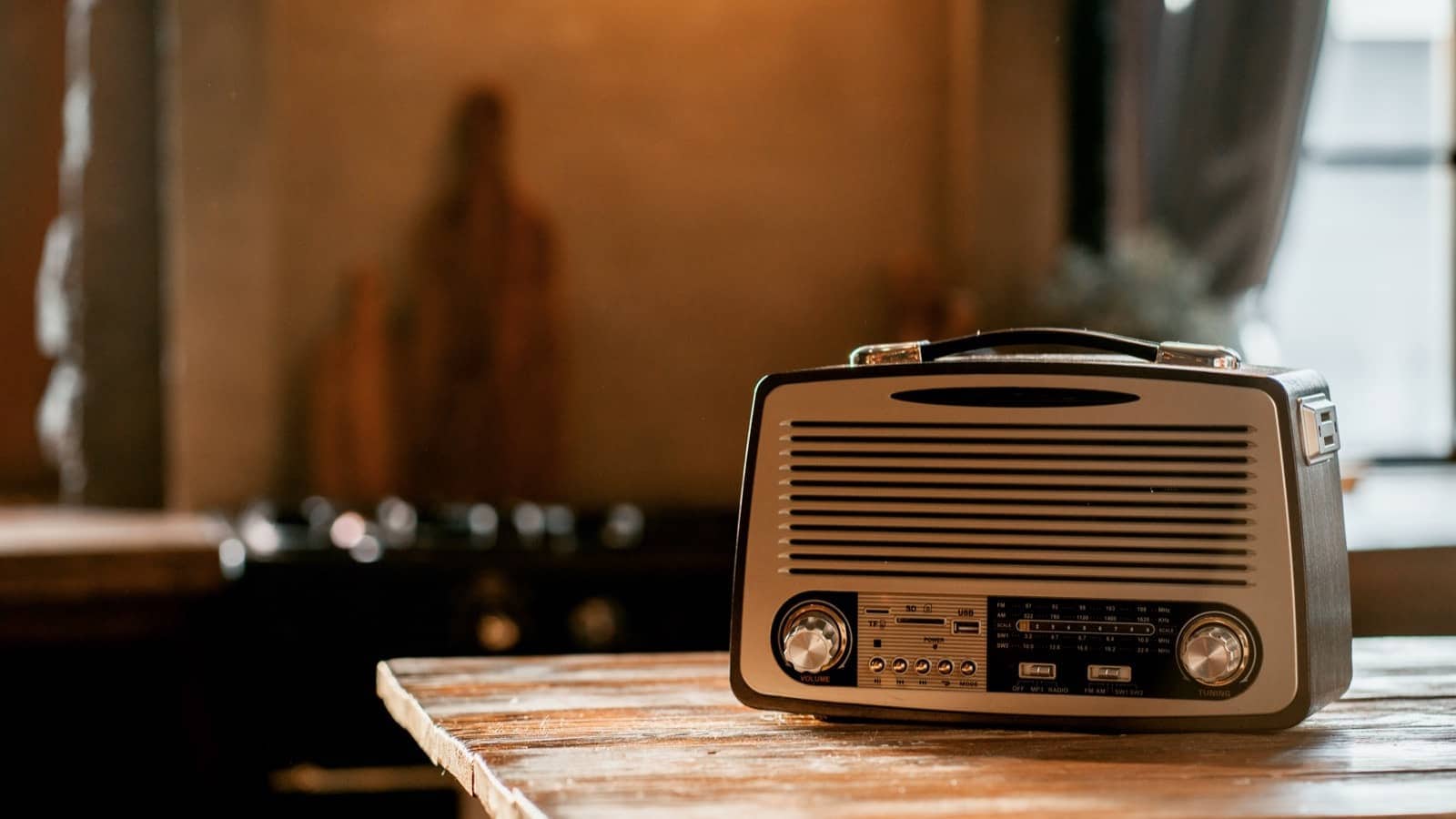
Saturday morning often came with a soundtrack of radio music mixed with the roar of the hoover. Once breakfast was finished, someone usually decided that the house needed cleaning. Chairs were moved, cushions were lifted and children were told to pick their things up from the floor. The radio stayed on through it all. It might sit on a kitchen shelf, a windowsill or the top of a cabinet, playing chart songs, requests, news and cheerful talk. Listeners did not choose every track. You waited to hear what came next and called out when a favourite song started. If the hoover was running, half the song might disappear under the noise. The person cleaning could sing along anyway, often using the handle as an imaginary microphone when nobody was looking. Radio brought the rooms together because the same station could be heard throughout the house. A presenter’s voice marked the passing of the morning, from early breakfast to the point when lunch needed making. The weekly clean was not exciting, but music made it easier. Children might dust, tidy bedrooms or stay out of the way until the work was done. This scene has changed as listening habits have become more personal. People use headphones, podcasts and streaming services to hear exactly what they want. Cordless vacuum cleaners are quieter and quicker, while robot cleaners can work without anyone pushing them. Family members may be in separate rooms with separate devices. Radio still has a large audience, but it is less likely to provide one shared background for the whole household. The older routine was ordinary, which is why it feels so familiar. Sunlight came through the window, dust moved behind the sofa and a song fought against the loud hum of the hoover. By lunchtime, the carpet showed fresh lines, the room smelled clean and the radio presenter had carried everyone through another Saturday morning.

We are Mary and Eric, the founders of Be Right Back, a blog dedicated to romance around the globe and at home.
We are Mary and Eric, the founders of Be Right Back, a blog dedicated to romance around the globe and at home. With over 10 years of experience in dating and traveling to romantic places, we share our favorite date ideas and romantic destinations to help couples level up their relationships. Having lived in and traveled through the USA, we also share our favourite things to do in the States.
With 70,000 monthly readers and 16,000 followers on social media, Be Right Back is your go-to resource for romantic trip ideas and couple activities at home and abroad.