

10 Things Brits Used to Do When They Got Paid That Have Almost Completely Disappeared

Remember the days when getting paid meant holding actual cash in your hands? Quite a few things have changed since then. This list takes a stroll down memory lane, revisiting the habits and rituals British people once had on payday. It’s interesting to see how technology and new habits have replaced the old ways. So, let’s travel back in time and explore these nearly forgotten payday traditions.
1. Open a brown wage packet stuffed with cash

Not so long ago, British workers would eagerly await a physical envelope filled with their hard-earned cash. This brown wage packet wasn’t just a container; it was a symbol of a week’s or a month’s graft. Opening it brought a tangible satisfaction, the feel of the notes, and the smell of money. Budgeting started by counting out the bills and coins, planning how each pound would be spent or saved. This method made money feel more real and spending it was a deliberate act.
2. Queue at the bank to pay in a cheque

Friday afternoons used to see long lines at the bank. People stood with their paychecks ready to deposit them, a weekly ritual that also served as a social event. This practice has nearly vanished with the rise of direct deposits and online banking. The tactile experience of handling a cheque, the chat with bank tellers, and the sense of completion when the deposit was made are all but gone, replaced by virtual transactions.
3. Get the bank book updated at the counter
Updating the bank book at the counter was a moment of pride and practicality. It made your financial movements clear and immediate. You’d see your savings grow or your withdrawals noted right there, a running tally that kept everything in check. This practice encouraged a closer, more personal relationship with one’s finances. Digital banking, while convenient, doesn’t quite match the personal touch of updating a bank book in person.
4. Split the cash into jars or envelopes for each bill

Once the wage packet was open, the next step was often to divide the cash among several jars or envelopes, each labeled for a specific bill or expense. This hands-on approach to budgeting helped many keep tight control over their finances. Seeing the money physically allocated to different needs made it easier to resist the temptation to overspend. Although digital budgeting tools offer more convenience, they lack the visceral impact of seeing your money sorted into physical piles.
5. Pay the milkman in cash at the door

The weekly visit from the milkman was once a cornerstone of British life. Paying him in cash was a weekly ritual that underpinned the local economy and community relationships. The exchange often came with a chat about the weather or local news. Automated deliveries and online payments have streamlined this process but at the cost of personal interaction.
6. Settle the paper bill at the newsagent
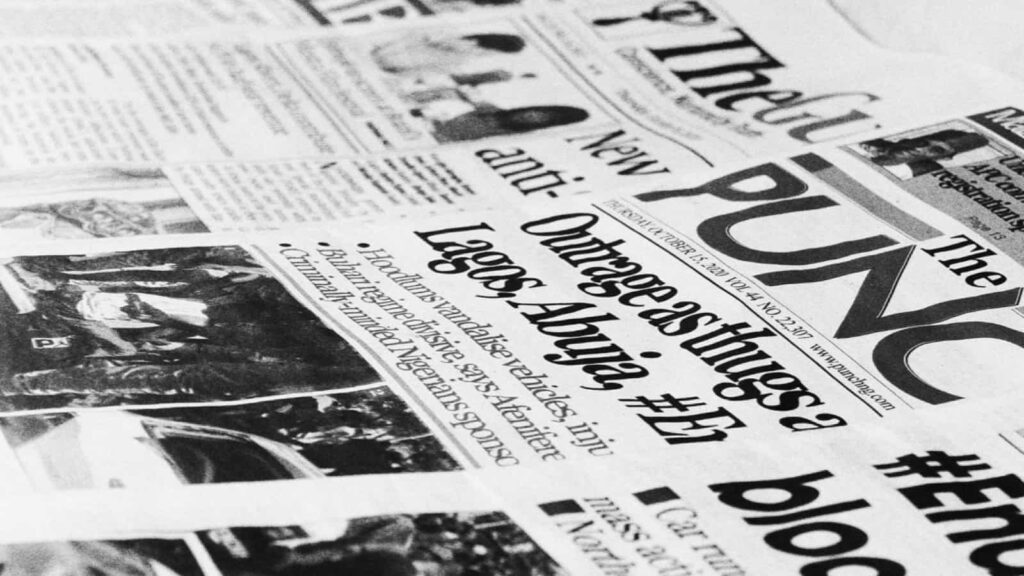
Popping into the local newsagent to settle the paper bill was another weekly task. It was a chance to catch up on gossip and strengthen community ties. Now, with the decline of print media and the rise of digital news, this interaction has largely disappeared, marking a shift in how we consume news and engage with our local shops.
7. Pay for the big shop with a cheque book
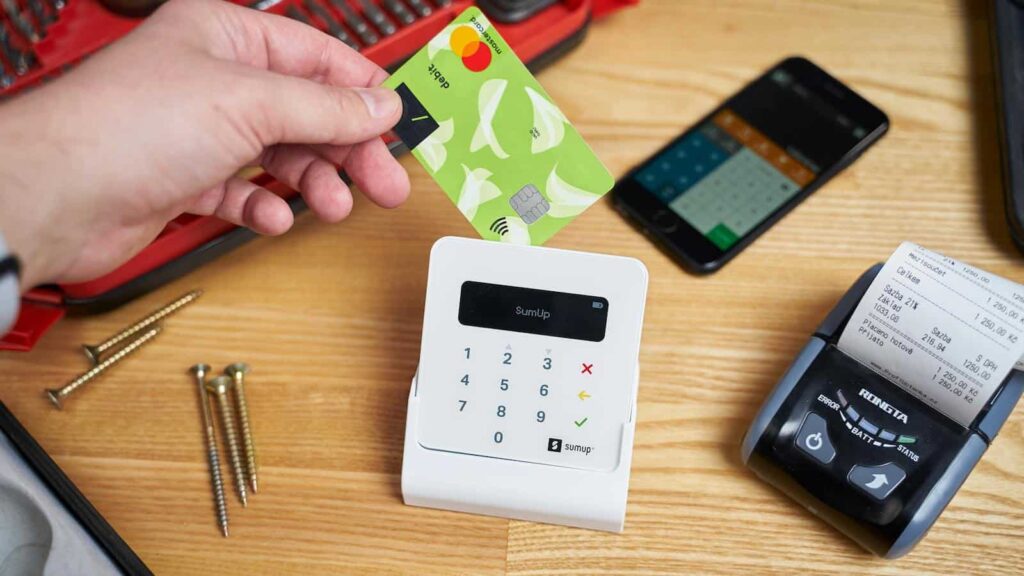
Using a cheque book at the supermarket was commonplace. It felt secure, and writing out a cheque gave you a moment to think about the expenditure. Today, contactless payments have made shopping quicker but perhaps a bit too easy, as it’s harder to keep track of spending without physically writing it down.
8. Treat the family to a Chinese takeaway

Friday night was often takeaway night, a treat to celebrate the end of the week. The local Chinese was a popular choice, offering a delicious break from cooking. This tradition persists but the way we order and pay has changed, with apps and online payments replacing cash transactions.
9. Buy a round at the pub on Friday night
Buying a round at the pub was not just about enjoying a pint; it was an act of camaraderie, a way to connect with friends and wind down after a long week. Although still a common practice, the way we pay at the pub has evolved, with tabs and digital payments taking over cash.
10. Wait for the paper statement to check what was left

The arrival of the paper statement was a monthly reality check, a moment to review your financial status and plan ahead. The anticipation of its arrival and the ritual of going through it line by line helped people stay financially grounded. Online statements have replaced this, offering convenience but perhaps making us less likely to engage deeply with our financial details.

We are Mary and Eric, the founders of Be Right Back, a blog dedicated to romance around the globe and at home.
We are Mary and Eric, the founders of Be Right Back, a blog dedicated to romance around the globe and at home. With over 10 years of experience in dating and traveling to romantic places, we share our favorite date ideas and romantic destinations to help couples level up their relationships. Having lived in and traveled through the USA, we also share our favourite things to do in the States.
With 70,000 monthly readers and 16,000 followers on social media, Be Right Back is your go-to resource for romantic trip ideas and couple activities at home and abroad.