

10 Things Brits Used to Save Instead of Throwing Away That Would Baffle Younger People Today

Back in the day, folks in Britain had some clever tricks to avoid waste. From reusing old wrapping paper to saving plastic bags, older generations knew how to make the most of what they had. These habits might seem odd to younger people today, but they were all about being practical and saving money. Let’s take a walk down memory lane and explore some of these old-school practices that would now raise a few eyebrows but were everyday normal back then!
1. Wrapping Paper Carefully Opened So It Could Be Used Again

Remember when birthdays and Christmas meant carefully unwrapping gifts to save the wrapping paper for another time? This was a common practice among Brits who believed in making the most of every piece of paper. By carefully opening presents, the wrapping paper remained largely intact and could be ironed out to wrap another gift. This not only saved money but also reduced waste, showing a great respect for resources at a time when they weren’t as abundant.
2. String Tied Around Parcels

String was once a staple for securing parcels because it was both practical and reusable. Instead of using tape, Brits would tie parcels with string, which could later be untied and saved for the next parcel that needed wrapping. This method was not only economical but also kinder to the environment. The practice reflects a time when reusability was valued over convenience.
3. Buttons Cut from Clothes That Were Beyond Repair

Old clothes might not have had much life left in them, but the buttons sure did! It was common to cut off buttons from garments that were too worn out to wear or repair. These buttons were collected and reused on other pieces of clothing or for new sewing projects. This practice highlighted a thrifty approach to resources, making sure that not even the smallest parts of worn-out clothing went to waste.
4. Glass Jars Washed and Stored for Later

Glass jars were too good to just throw away. Whether they once held jam, pickles, or sauces, these jars could be washed and kept for storing other items or used for homemade preserves. This reuse was not only a nod to economical living but also an early form of recycling. It showed a resourcefulness and an appreciation for durable materials that could serve multiple purposes.
5. Biscuit Tins Used for Absolutely Everything
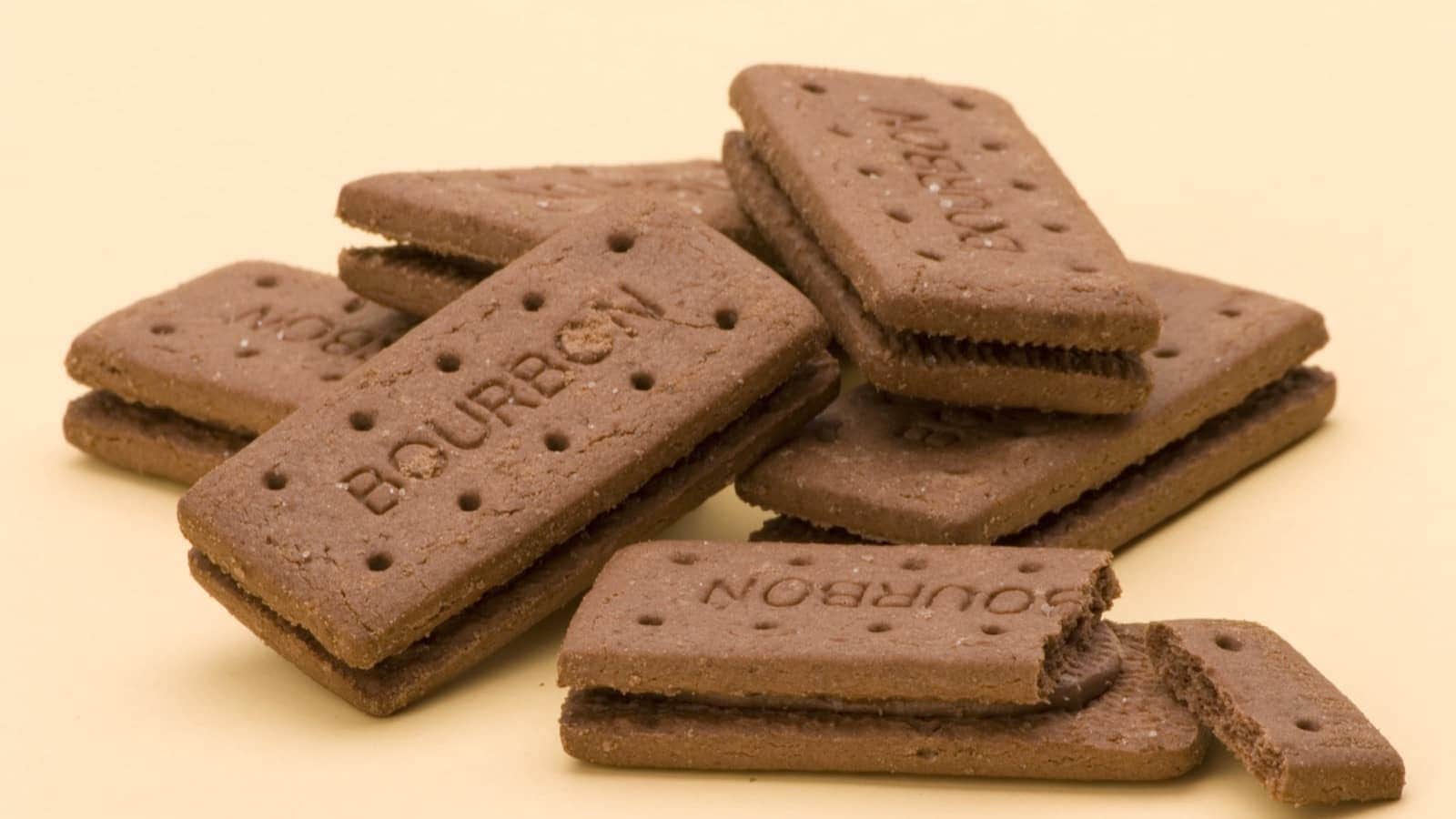
Biscuit tins were never just for biscuits; after their initial use, they were cleaned and used to store everything from sewing kits to photographs. These tins, often beautifully decorated, added a touch of style to storage solutions around the home. Reusing biscuit tins was a way to reduce waste and keep homes organized without buying new containers.
6. Margarine Tubs Turned into Storage Containers
Margarine tubs did not see the bin until they had been reused multiple times as storage containers. They were perfect for leftover food, screws and nails, or even as plant pots. This practical reuse represented a no-fuss approach to household storage, helping families economize by repurposing what they already had.
7. Gift Bags Passed Around the Family for Years

Gift bags were a precious commodity in many British families, often circulating within the family for years. The idea was simple: why buy a new gift bag when there was a perfectly good one ready to be reused? This practice saved money and was a quiet nod to sustainable living long before it became a modern trend.
8. Envelopes Used for Writing Shopping Lists
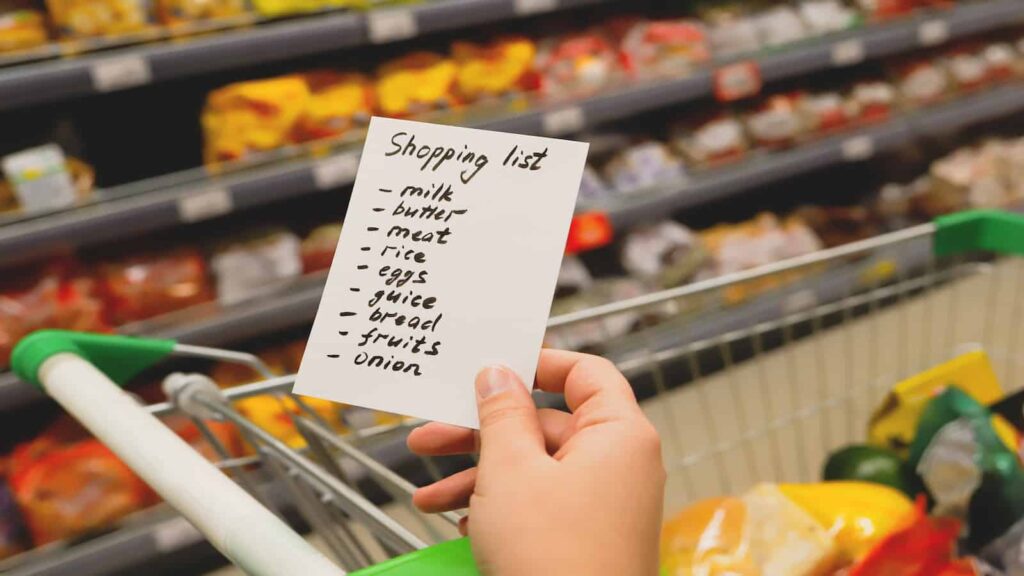
Why toss out an envelope when it could be reused as a notepad? Old envelopes were commonly saved to jot down shopping lists or notes. This was a practical way to use up every scrap of paper and avoid buying notepads. It’s a great example of how everyday items were repurposed, reflecting a practical and resourceful mindset.
9. Old Towels Cut into Cleaning Cloths

Old towels never went straight to the trash. Instead, they were cut up into smaller pieces and used as cleaning cloths. This practice was not only economical but also environmentally friendly, reducing the need for paper towels and extending the useful life of the fabric.
10. Plastic Carrier Bags Kept Inside One Enormous Carrier Bag
If you opened a cupboard in a British home and found a giant carrier bag stuffed with other bags, you weren’t alone. Keeping these plastic bags for future use was common practice, whether for shopping again or as bin liners. This saved money and reduced plastic waste, showing a conscious effort to reuse materials.

We are Mary and Eric, the founders of Be Right Back, a blog dedicated to romance around the globe and at home.
We are Mary and Eric, the founders of Be Right Back, a blog dedicated to romance around the globe and at home. With over 10 years of experience in dating and traveling to romantic places, we share our favorite date ideas and romantic destinations to help couples level up their relationships. Having lived in and traveled through the USA, we also share our favourite things to do in the States.
With 70,000 monthly readers and 16,000 followers on social media, Be Right Back is your go-to resource for romantic trip ideas and couple activities at home and abroad.