

10 Things You’d Find Behind the Counter of a British Corner Shop 30 Years Ago That Have Vanished

Let’s take a little stroll down memory lane and peek behind the counter of a British corner shop from three decades ago. Back then, corner shops weren’t just places to quickly grab what you needed; they were community hubs where everyone knew your name. You’d find all sorts of things that have since disappeared, replaced by modern technology and new shopping habits. Here’s a look at some of those everyday bits and bobs that made each shop unique.
1. A handwritten book for newspaper deliveries

Imagine a big, dusty ledger sitting right behind the counter, filled with scribbles and names. This wasn’t just any book; it was the cornerstone of the daily newspaper delivery service. Shopkeepers carefully wrote down who got what paper and who had paid. This personal touch helped them keep track of every customer’s preferences and ensured everyone got their morning read exactly how and when they wanted it. It was a simple yet effective system that tied the community together, giving people one more reason to pop into their local shop and have a chat.
2. Rolls of paper for the shop’s old till
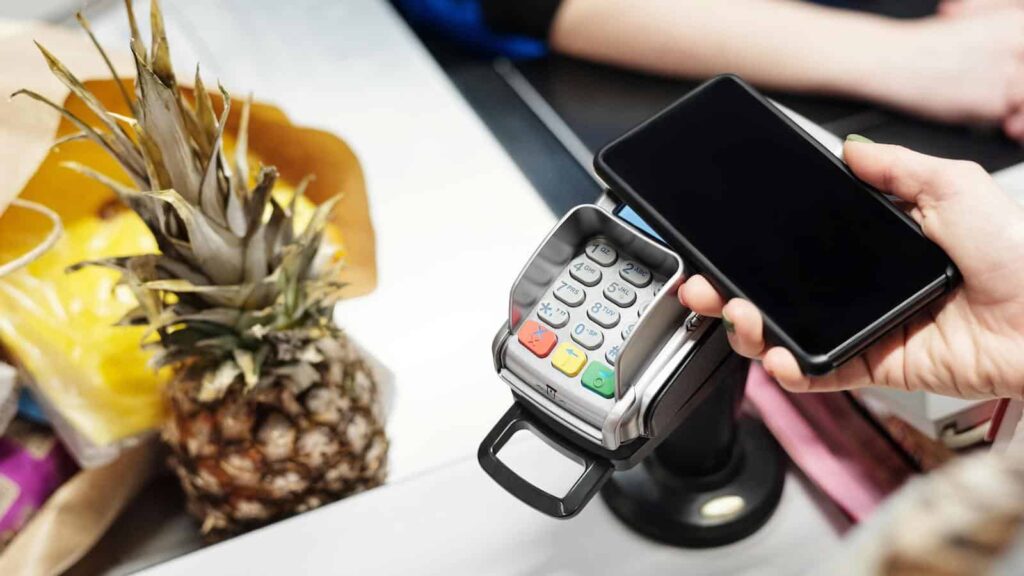
Back in the day, every time you bought something, the old cash register would whir and clank, and out would come your receipt from these rolls of paper. They were essential for keeping track of sales long before digital systems took over. Watching the shopkeeper replace a finished roll with a fresh one was a common sight, a mundane but necessary ritual that kept the day moving smoothly. It was all part of the charm, a small detail of how things used to be done.
3. Boxes of penny sweets waiting to be weighed out

Who could forget the delight of picking your mix of penny sweets? These boxes were a kaleidoscope of colors and choices, from fizzy cola bottles to jelly beans. The shopkeeper would weigh them out on a little scale, and you’d get a paper bag bursting with your selected treats. It was a sweet ritual for many children and even adults, a little moment of happiness measured out by the ounce.
4. A pile of newspapers reserved for regular customers

Every morning, a stack of newspapers would sit behind the counter, each one destined for a specific person. This wasn’t just selling newspapers; it was a personalized service. If you were a regular, the shopkeeper saved your favorite paper, knowing exactly what you’d pick. It showed how well they knew their customers, making everyone feel like they were part of a special club.
5. Paper bags in several different sizes

Before plastic took over, paper bags were the way to go. They came in all sizes, sturdy enough to carry your groceries and treats. These bags weren’t just practical; they were part of the shopping experience. Whether you were buying a handful of sweets or a week’s worth of groceries, there was always the right size bag for your needs, handed over with a smile.
6. A landline phone used for practically everything

The shop’s landline phone was the lifeline of the business, used for orders, inquiries, and sometimes personal calls from locals who didn’t have a phone at home. This wasn’t just any phone; it was an essential tool that kept the shop connected to the community and beyond. The ring of that phone was a familiar sound, often accompanied by a friendly shout from the shopkeeper.
7. Handwritten notes about customers who needed something put aside

Scattered around the register, you’d often find little notes scribbled by the shopkeeper. These weren’t reminders for the shopkeeper themselves but messages detailing which items to set aside for which customer. It showed the personal care taken to ensure that everyone got what they needed or wanted, even if they couldn’t make it to the shop right away.
8. A manual credit-card imprinter in shops that accepted cards
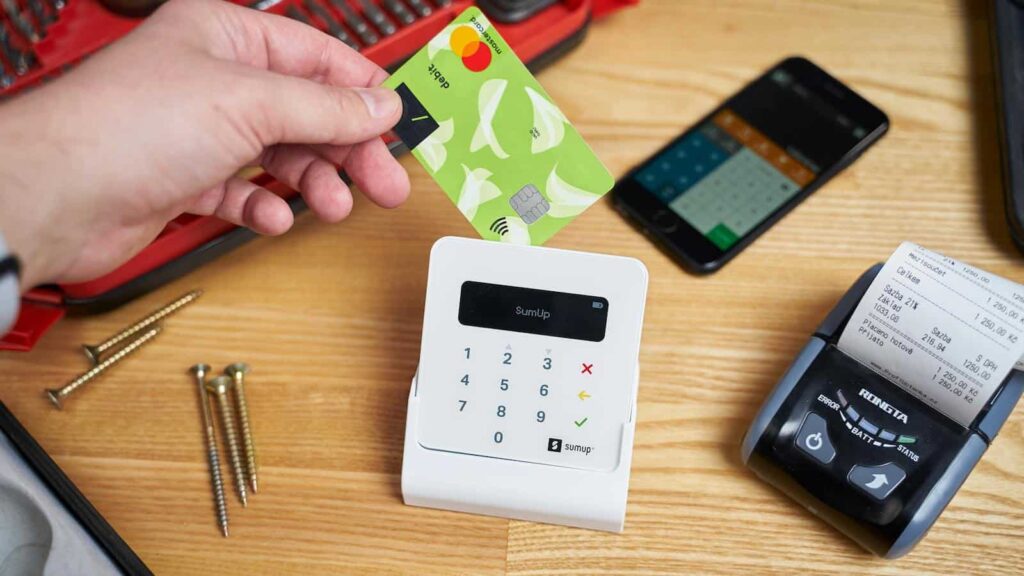
In an era before digital payments, the manual credit-card imprinter was a sign of modernity in the otherwise traditional shop. Customers would hand over their card, and with a quick swipe and a press, the transaction was recorded on carbon paper. This clunky but effective tool was a marvel back then, making everyone feel a bit more high-tech.
9. Local notices and cards waiting to go in the window

The window of the corner shop wasn’t just for advertising products but also served as the community bulletin board. Here, locals pinned notices about lost pets, upcoming events, or services offered. It was a grassroots way to stay informed about what was happening around, and checking out the latest posts was always part of the shopping trip.
10. A shopkeeper who knew exactly which newspaper, cigarettes or sweets half the neighbourhood came in to buy

The heart of the corner shop was the shopkeeper, a person who didn’t just run a business but fostered a community. They knew everyone by name and remembered your usual purchases, often having them ready before you even asked. This personal connection made each visit special and is something that’s rare to find today.

We are Mary and Eric, the founders of Be Right Back, a blog dedicated to romance around the globe and at home.
We are Mary and Eric, the founders of Be Right Back, a blog dedicated to romance around the globe and at home. With over 10 years of experience in dating and traveling to romantic places, we share our favorite date ideas and romantic destinations to help couples level up their relationships. Having lived in and traveled through the USA, we also share our favourite things to do in the States.
With 70,000 monthly readers and 16,000 followers on social media, Be Right Back is your go-to resource for romantic trip ideas and couple activities at home and abroad.