

10 Ways Americans Seem More Polite Than British People

Each country has its unique approach to being polite which can be interesting to understand, especially if you’re planning to visit or interact with people from these cultures. So, let’s take a closer look at these differences through some common scenarios and interactions.
1. UK politeness relying on indirect language

In the UK, people tend to use indirect language when they want to be polite. This means they might not always say exactly what they think straight up. Instead, they use hints or suggestions hoping the other person catches on. It’s like if someone isn’t enjoying a meal, instead of saying “This tastes bad,” they might say, “It’s quite unique in flavor, isn’t it?” This way, they avoid hurting anyone’s feelings directly.
2. US politeness being more direct but friendly

In contrast, Americans are generally more direct but maintain a friendly tone. When someone from the US wants to be polite, they often say exactly what they mean but in a kind way. For example, if an American doesn’t like a meal, they might say, “This isn’t really my cup of tea, but I appreciate the effort!” This approach helps clear any confusion while keeping the atmosphere light.
3. UK using phrases to soften requests

When asking for something, Brits often soften their requests. They might add phrases like “I was wondering if…” or “Would it be possible to…” before their actual request. This softening is a way of being polite by not coming across as too demanding. It’s as though they are putting their request in a soft pillow before handing it over!
4. US being clearer about expectations

In the USA, people tend to be clearer about what they expect from others. When asking for something, an American might directly say, “Please can you do this by Monday?” This clarity can avoid misunderstandings and makes sure everyone knows exactly what’s needed from them.
5. UK avoiding confrontation through tone

The British often avoid confrontation in their tone, even when discussing something that could lead to disagreement. They tend to keep their voice calm and use polite language, which helps in not escalating the situation. This is like trying not to stir the water too much while you’re still in the boat.
6. US addressing issues more openly

Americans are usually quite open when there’s an issue. They are not afraid to bring up uncomfortable topics, believing that addressing problems directly can lead to quicker resolutions. It’s a bit like pulling off a Band-Aid quickly – it might hurt a bit at first, but it’s better in the long run.
7. UK politeness sometimes masking frustration

Sometimes, the indirectness in British politeness may actually be hiding frustration. Because they may not express annoyance openly, it can sometimes be hard to tell when a Brit is actually quite upset. This is almost like keeping the steam inside a closed kettle, where it’s all brewing under the lid.
8. US politeness including visible friendliness

In the US, politeness often comes with a big smile and an open attitude. Americans tend to use visible friendliness as a way to be polite, whether it’s a warm handshake or a pat on the back. This approach makes politeness not just something that is heard in words but also seen in actions.
9. UK tone being more understated
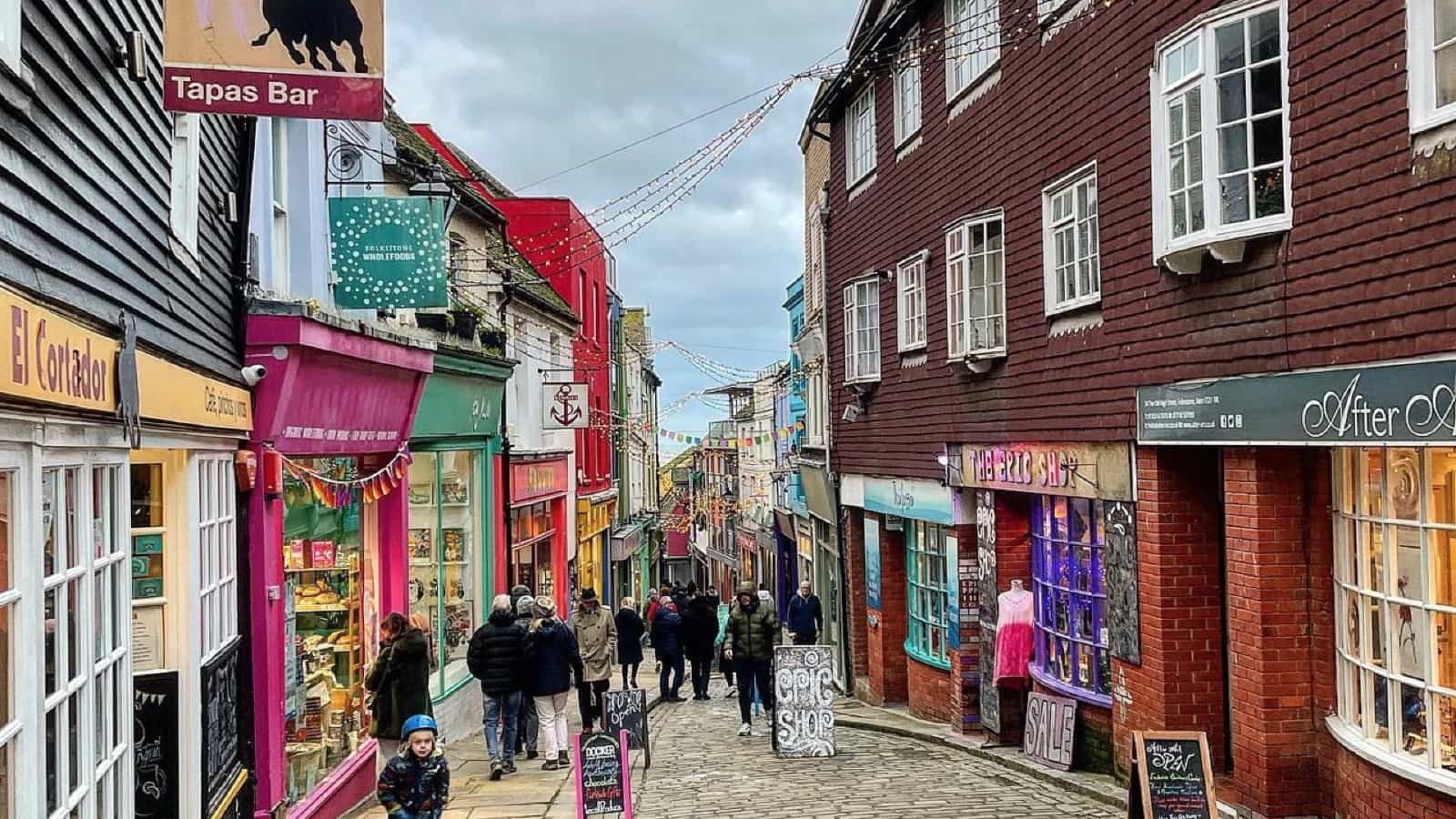
The UK approach to politeness often features an understated tone. This means even when complimenting, the expressions may be restrained or subtle. A Brit might say, “That was quite good,” which in their terms could mean it was actually fantastic!
10. US tone being more expressive

Lastly, in the US, the tone used in polite conversations tends to be more expressive. Americans might use more enthusiastic words, their tone might be more energetic, and their expressions more animated. When an American says, “That was awesome!” they really do mean it was awesome!

We are Mary and Eric, the founders of Be Right Back, a blog dedicated to romance around the globe and at home.
We are Mary and Eric, the founders of Be Right Back, a blog dedicated to romance around the globe and at home. With over 10 years of experience in dating and traveling to romantic places, we share our favorite date ideas and romantic destinations to help couples level up their relationships. Having lived in and traveled through the USA, we also share our favourite things to do in the States.
With 70,000 monthly readers and 16,000 followers on social media, Be Right Back is your go-to resource for romantic trip ideas and couple activities at home and abroad.