

10 Ways Everyday Movement Feels Different in the UK vs the USA

Have you ever wondered how day-to-day movement differs between the UK and the USA? Well, it’s pretty interesting to see just how everyday habits are influenced by the layout of cities, the design of communities, and general lifestyle choices in these two countries. From walking more in the UK to the need for driving in the USA, let’s explore these differences and see how they affect daily life.
1. More walking as part of daily life in the UK

In the UK, walking is a big part of daily life. You’ll notice lots of people hitting the pavements to get to shops, schools, work, or just for a leisurely stroll. This is mainly because many cities and towns in the UK are built with narrow streets and compact designs. It’s often easier and quicker to walk than to drive, especially in city centers where parking can be a nightmare and public transport is a handy alternative.
2. More driving required for daily tasks in the US

In contrast to the UK, in the US, there’s a huge emphasis on driving. American cities and suburbs are spread out, and shops, schools, and offices are often not within walking distance. This setup means that for most folks, a car isn’t just a luxury; it’s a daily necessity. Whether it’s commuting to work, picking up groceries, or dropping kids at school, driving is an integral part of everyday life across the Atlantic.
3. Shorter distances between places in the UK

In the UK, everything feels a bit closer together. This makes sense because the UK is smaller and cities are often older, with layouts that reflect a time before cars dominated. This closeness can make life a bit easier, as you can often get to where you need to be just by walking a short distance or hopping on a quick bus ride.
4. Longer travel times in the US
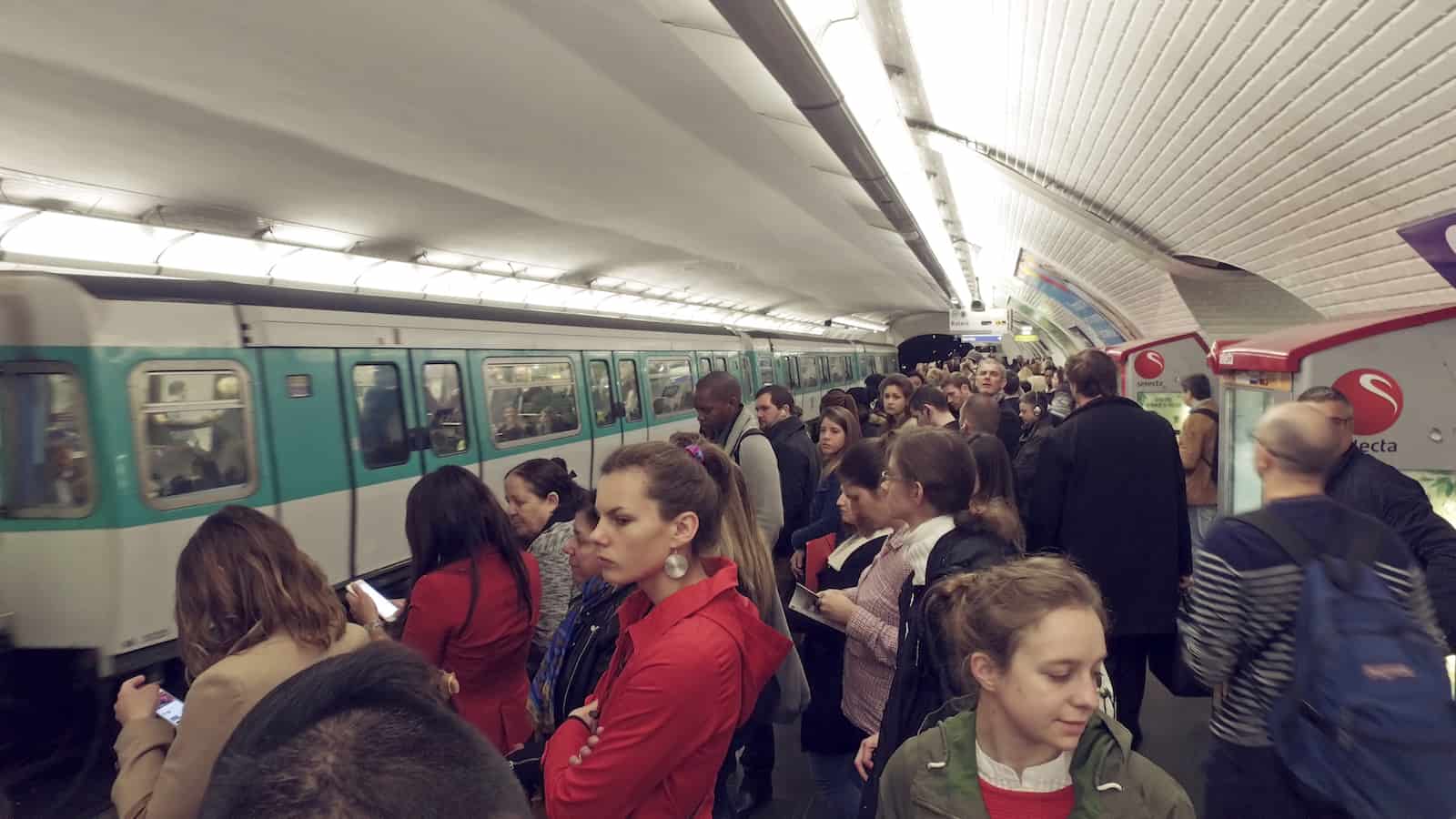
Due to the sprawling nature of many American cities and regions, travel times can be pretty long. For example, what looks close on a map can actually be quite a long drive, thanks to freeways and the distances between places. This setup tends to eat into more of your day, just getting from one place to another, which can be tiring and frustrating.
5. UK cities designed for foot traffic
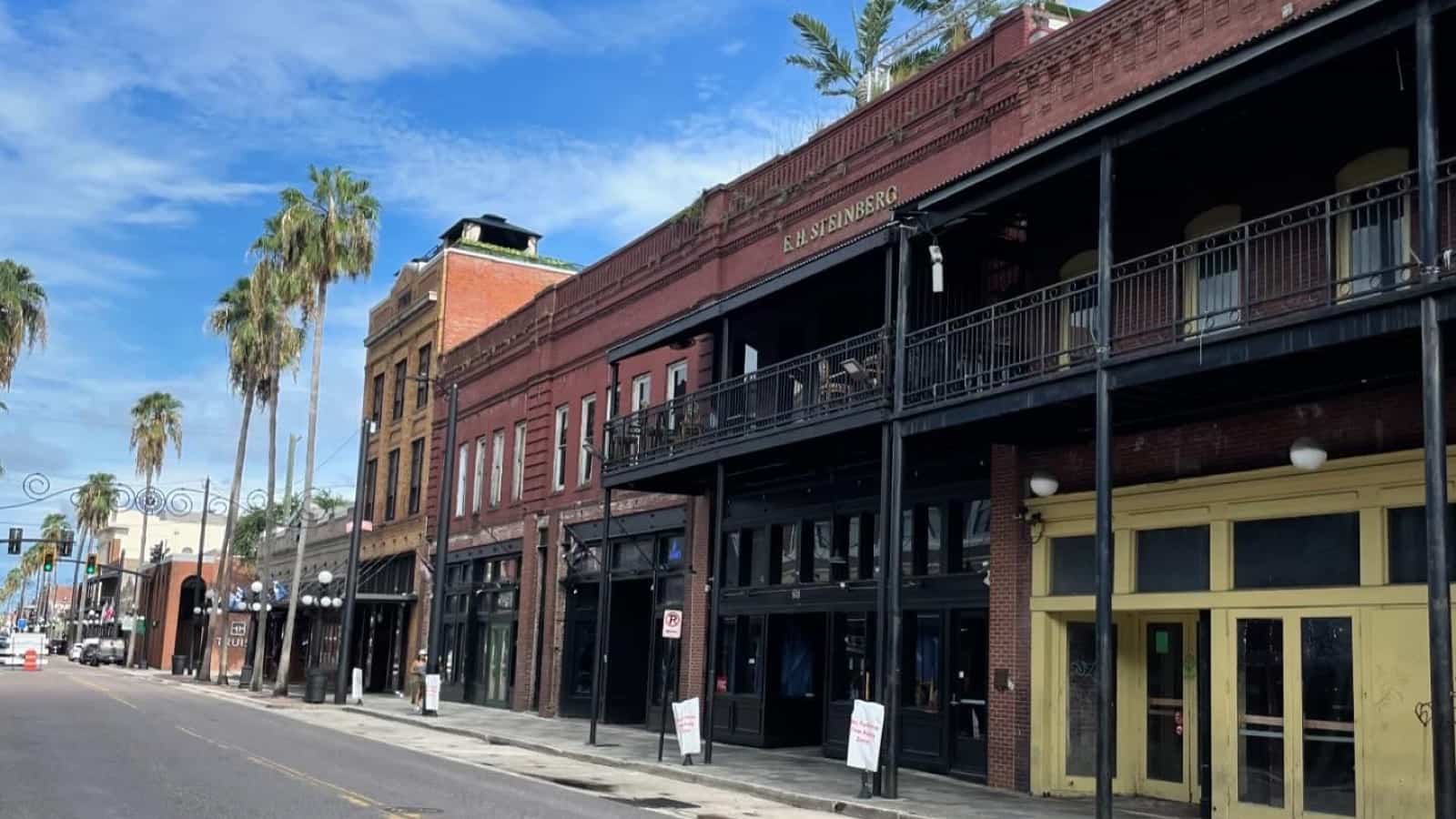
Many UK cities really cater to pedestrians. You’ll find plenty of pedestrian zones, narrow streets that cars can’t enter, and tons of shortcuts that can only be taken on foot. This design encourages walking and helps to keep city centers lively and bustling with foot traffic.
6. US cities designed around vehicles

In the US, it’s a whole different ball game. Cities and towns are generally designed with cars in mind. This means wider streets, bigger parking lots, and a lot of space dedicated to making driving easier. While this can be super convenient if you’re in a car, it can make getting around a bit more challenging if you’re on foot or using public transport.
7. More spontaneous movement in the UK

The ease of walking places and the shorter distances in the UK lend themselves to more spontaneous outings. It’s not uncommon to decide last minute to walk down to a local cafe or to meet up with friends in a nearby park. This spontaneity adds a pleasant and relaxed pace to everyday life.
8. More planned travel in the US

With the need for driving almost everywhere and the longer distances involved, travel in the US tends to be more planned. Spontaneous trips are less common because you often need to consider the best routes, traffic conditions, and whether it’s worth making the drive. This planning is essential to make sure that you’re making the most of your time and energy.
9. Easier access to essentials on foot in the UK
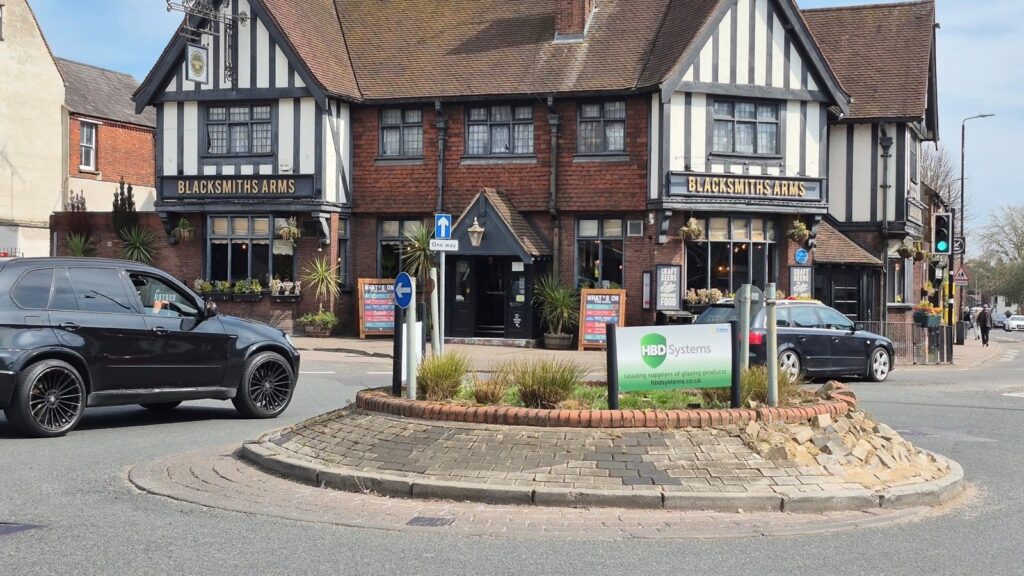
In the UK, you often don’t have to go far to find what you need. High streets are packed with a variety of shops, and markets are commonly found within walking distance of residential areas. This convenience is a big plus, making daily chores a bit less of a hassle and encouraging a more active lifestyle.
10. Greater reliance on transport in the US
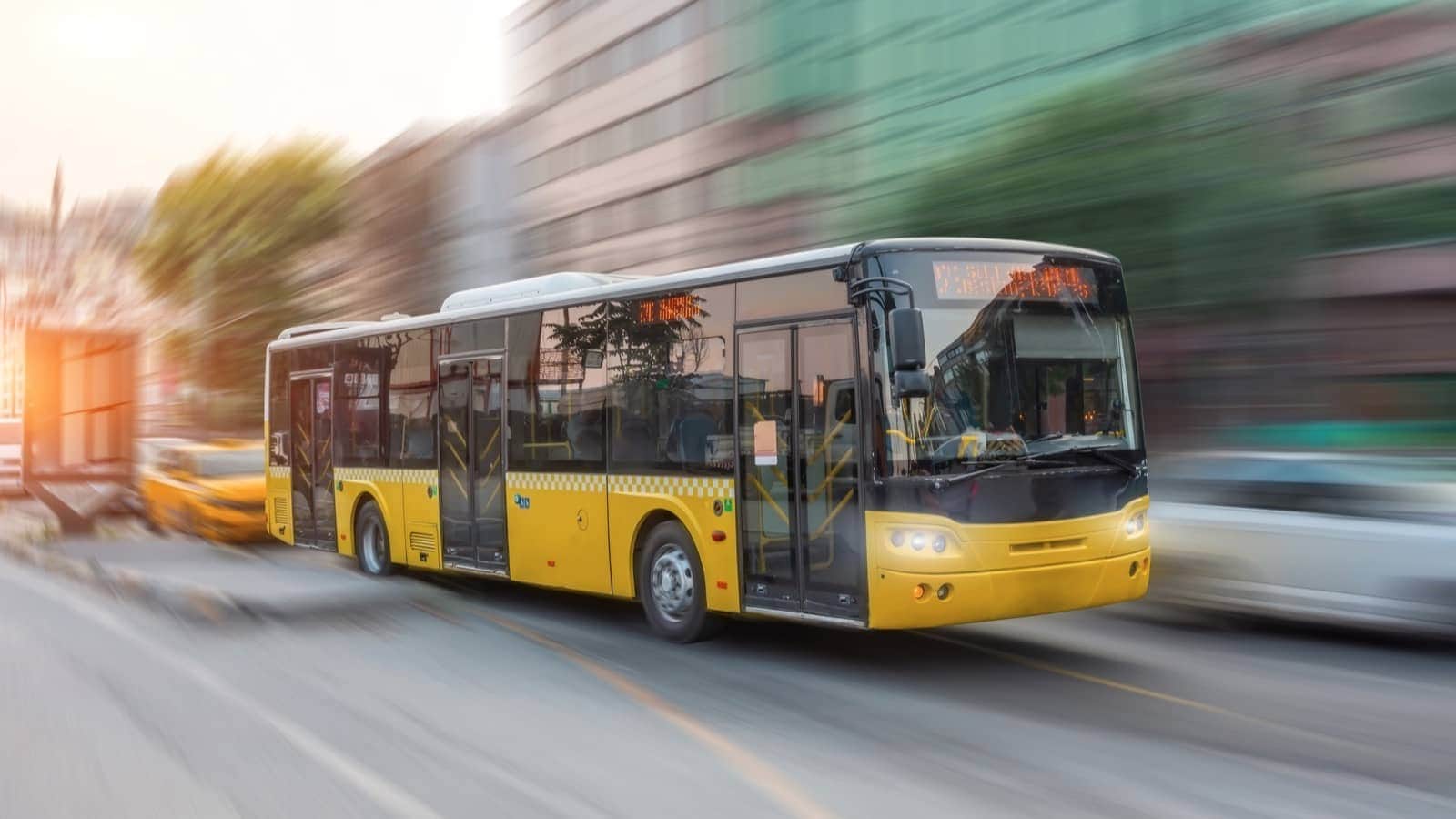
In the USA, whether it’s a personal vehicle or public transport, there’s a greater reliance on some form of transportation to get around. This reliance impacts everything from how much time you allocate for daily activities to how you plan your living and working locations. It’s a fundamental aspect of daily life that shapes both cities and their suburbs.

We are Mary and Eric, the founders of Be Right Back, a blog dedicated to romance around the globe and at home.
We are Mary and Eric, the founders of Be Right Back, a blog dedicated to romance around the globe and at home. With over 10 years of experience in dating and traveling to romantic places, we share our favorite date ideas and romantic destinations to help couples level up their relationships. Having lived in and traveled through the USA, we also share our favourite things to do in the States.
With 70,000 monthly readers and 16,000 followers on social media, Be Right Back is your go-to resource for romantic trip ideas and couple activities at home and abroad.