

11 Things Brits Do When Someone Asks “Do You Want a Cup of Tea?” That Americans Might Find Confusing

For many Brits, being asked “Do you want a cup of tea?” is more than a simple question. It can mean comfort, a break from work, a chat in the kitchen, or a way to deal with bad news. Americans may expect a clear yes or no, but British tea talk often comes with little rules, jokes, and habits that can seem confusing at first. Someone might say no, then change their mind. They may ask for tea after drinking several cups already. They may even have strong views on milk, sugar, teabags, and the colour of the finished drink. These small tea customs are part of everyday life in Britain. Here are 12 common responses and habits that can leave Americans wondering what just happened.
1. Say “Go on then”

“Go on then” usually means yes, even though it does not sound very excited. A British person may say it when they have been offered tea and are trying to sound casual about it. They might have wanted a tea from the start, but saying “yes, please” can feel a bit too direct in some settings. “Go on then” has the feeling of giving in to a nice idea. It means, “I wasn’t planning to, but I’ll have one.” Americans may hear it and wonder if the person needs convincing. Most of the time, they do not. The kettle can go on straight away.
2. Say “Only if you’re making one”

This sounds like a polite no, but it often means yes. When someone says, “Only if you’re making one,” they are saying they do not want the other person to make tea just for them. If the kettle is already boiling and a mug is already being made, they are happy to join in. It is a way of accepting without seeming demanding. The person making tea will usually hear this as a request for a cup. In many British homes and offices, making tea for one person can quickly turn into making tea for everyone nearby. One kettle often leads to several mugs.
3. Say no and then accept

A Brit may first say, “No, I’m alright,” then accept tea a few minutes later. This can confuse people who expect the first answer to be final. Sometimes the person genuinely does not want tea at that exact moment. Then they smell the tea, see everyone else holding mugs, or decide a break sounds nice. Other times, the first no is simply politeness. They may not want to seem like they are putting someone out. A second offer can make it easier to say yes. It is not always a mind game. Tea just has a way of becoming more appealing once the kettle is on.
4. Say yes after five cups already

Many Brits can drink tea throughout the day without seeing it as unusual. Breakfast tea, mid-morning tea, lunch tea, afternoon tea, and an evening tea can all happen before dinner. So when someone offers another cup after five already, the answer may still be yes. Tea is often treated less like a special drink and more like part of the daily routine. It can be something warm during a break, something to hold during a chat, or a small boost when work feels long. Americans used to counting coffee cups may be surprised by the amount, but for many tea drinkers, it feels normal.
5. Describe the exact shade of milk they want
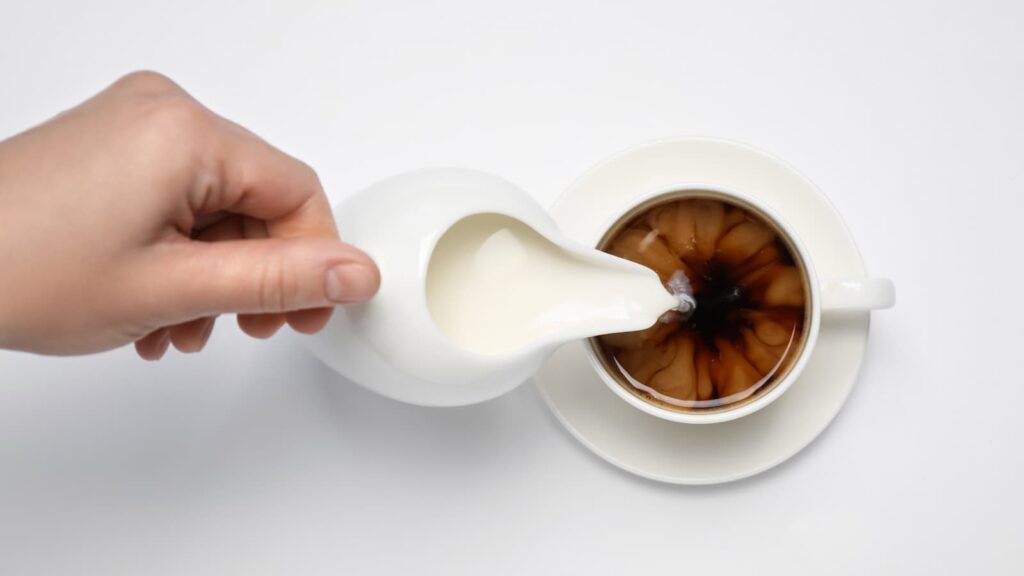
British tea drinkers can be very specific about the colour of their tea. Someone may ask for it “quite milky,” “not too dark,” “just a splash,” or “the colour of a biscuit.” This is not just fussiness. The amount of milk changes the taste, heat, and strength of the tea. Some people like pale tea that is soft and creamy. Others want it dark with only a tiny drop of milk. If the tea arrives looking wrong, they may quietly add milk or hot water to fix it. Asking about milk before making tea can save everyone trouble, especially when guests are involved.
6. Say “Milk, no sugar, ta”

“Milk, no sugar, ta” is a quick and very British way to give a tea order. “Ta” means thank you, and it is often used in relaxed everyday conversation. The person is telling you exactly how they take their tea: milk added, no sugar needed. You may also hear “one sugar,” “two sugars,” or “black, please.” Tea orders can sound short because people say them so often. There is no rudeness meant by it. In fact, being clear helps the person making the tea. Once a group has worked together or lived together for a while, everyone may know each other’s tea order by heart.
7. Ask for a builder’s

A builder’s tea is a strong, proper mug of tea, usually made with a regular black teabag, hot water, and a decent amount of milk. It is not fancy tea served in a tiny cup. It is meant to be warming, filling, and strong enough to get someone through work. The name comes from the idea of builders taking a tea break on a job site, though anyone can ask for one. Americans might picture a special recipe, but it is mostly about strength and attitude. If someone asks for a builder’s, do not make it weak or serve it in a delicate little cup.
8. Offer to make it themselves

When offered tea, a British person may say, “I’ll make it,” or “I’ll put the kettle on.” This can happen even when they are a guest. It is often a polite way to avoid making someone else do the work. It can also be because they want to make tea for everyone, not just themselves. In many homes, getting up to make a round of tea is seen as a helpful thing to do. The person who offers may ask, “Anyone else want one?” before they start. Americans may find it odd for a guest to take over the kitchen, but it is usually meant kindly.
9. Argue about whether milk goes in first

The milk-first argument has been going on for years. Some people add milk after the tea has brewed. Others put milk in the mug first and pour tea over it. Both sides often feel very strongly about their method. Tea-first drinkers say the tea needs time to brew properly before milk cools it down. Milk-first drinkers may say it mixes better and makes a smoother cup. There is also an old class idea linked to the debate, because cheaper cups once cracked when hot tea was poured in first. These days, it is mostly a friendly argument, but people still have firm opinions.
10. Leave the teabag in
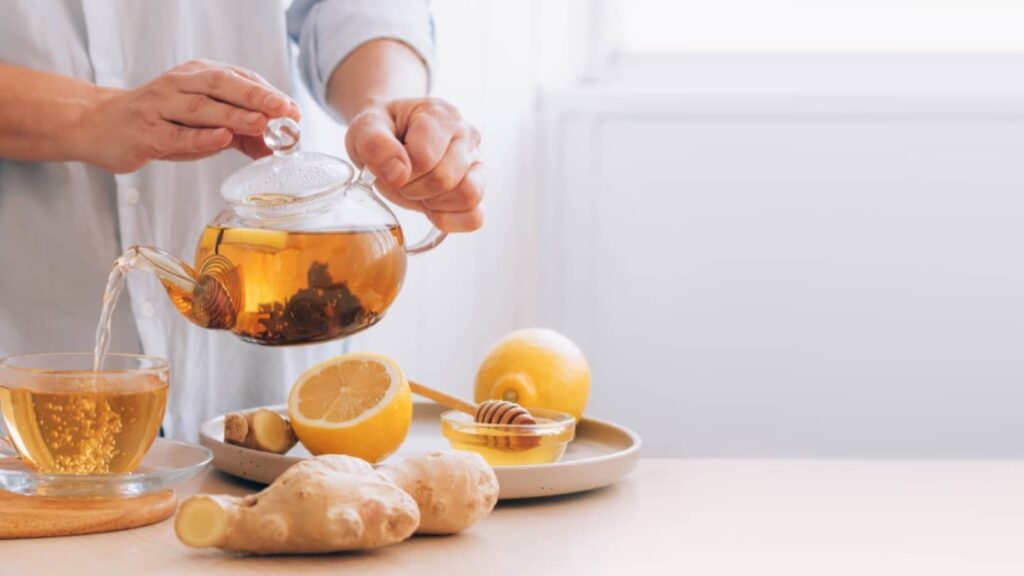
Some people take the teabag out after a few minutes. Others leave it in the mug for the whole time they drink the tea. Leaving it in makes the tea stronger, especially near the bottom of the cup. For people who like strong tea, this can be exactly what they want. For others, it makes the drink bitter and unpleasant. You may see someone squeeze the teabag against the side of the mug with a spoon before taking it out. That can also cause arguments, as some tea drinkers say squeezing makes tea taste harsh. Tea habits can be surprisingly personal for such a simple drink.
11. Judge it silently if it’s too weak

If a cup of tea is too weak, a Brit may not say much about it. They may smile, say “Thanks,” and drink it anyway. Inside, though, they may be disappointed. Weak tea often looks pale and watery, with barely any tea taste. Some people call it “dishwater” when they are talking privately. Rather than complain directly, they may quietly leave the tea to brew longer next time, add another teabag, or make their own cup later. This is not true for everyone, of course. Some people will tell you exactly what is wrong. But silent tea judgement is a very real thing.

We are Mary and Eric, the founders of Be Right Back, a blog dedicated to romance around the globe and at home.
We are Mary and Eric, the founders of Be Right Back, a blog dedicated to romance around the globe and at home. With over 10 years of experience in dating and traveling to romantic places, we share our favorite date ideas and romantic destinations to help couples level up their relationships. Having lived in and traveled through the USA, we also share our favourite things to do in the States.
With 70,000 monthly readers and 16,000 followers on social media, Be Right Back is your go-to resource for romantic trip ideas and couple activities at home and abroad.