

12 Things Americans Consider Normal When Driving That Brits Would Find Surprisingly Relaxed

Driving in the United States can feel very relaxed to visitors from Britain. Some of it comes down to the size of the roads, the size of the cars, and the huge distances people cover every day. Other differences are about rules and habits that Americans grow up with and barely notice. A British driver may find themselves doing a double take at a red light, a four-way junction, or a drive-through bank. None of these habits are strange to Americans. They are simply part of normal life behind the wheel. Rules can vary by state, city, and road, so there are always exceptions. Still, these are 12 everyday driving habits that often feel much more casual, roomy, and convenient in the US than they do in the UK.
1 Turn right on a red light

For many British drivers, turning through a red light sounds completely wrong. In much of the US, though, drivers can turn right at a red light after coming to a full stop. They must first check that the road is clear, give way to people crossing, and look out for cars coming from the left. It is a normal part of driving in many states. There are exceptions, especially in busy city centres, where signs may say no turn on red. The rule can feel surprisingly relaxed at first, but American drivers see it as a practical way to keep traffic moving. In Britain, a red light means stop until it changes, unless there is a separate filter signal. That makes the American habit stand out straight away.
2 Drive an automatic as standard

Automatic cars are the normal choice in the US. Most people learn in one, buy one, and never give it a second thought. Manual cars do exist, but they are much less common than they have traditionally been in Britain. For a British driver used to changing gears, using the clutch, and finding the biting point on a hill, an automatic can feel almost too easy. You select drive, use one foot, and let the car do the rest. It makes sense on long roads, in heavy traffic, and in large family vehicles. Automatics are now common in Britain too, especially with electric cars, but manuals still have a strong place in British driving culture. In America, the automatic gearbox has long been the everyday default.
3 Cruise in lanes twice as wide

American roads can feel huge to someone used to British lanes. Motorways, city streets, car parks, and junctions are often built with far more room around them. Lanes are generally wider, and there is usually more space between vehicles too. That can make driving feel less tense, especially when you are in a large SUV or pickup truck. In Britain, narrow lanes, parked cars, stone walls, and tight bends are part of daily life. You often need to watch your mirrors closely and slow down for oncoming traffic. In the US, even ordinary roads may feel broad and open. Of course, busy cities have their own traffic problems, but the sheer amount of road space can make a British driver feel as if everyone has been given extra room to breathe.
4 Use cruise control for hours
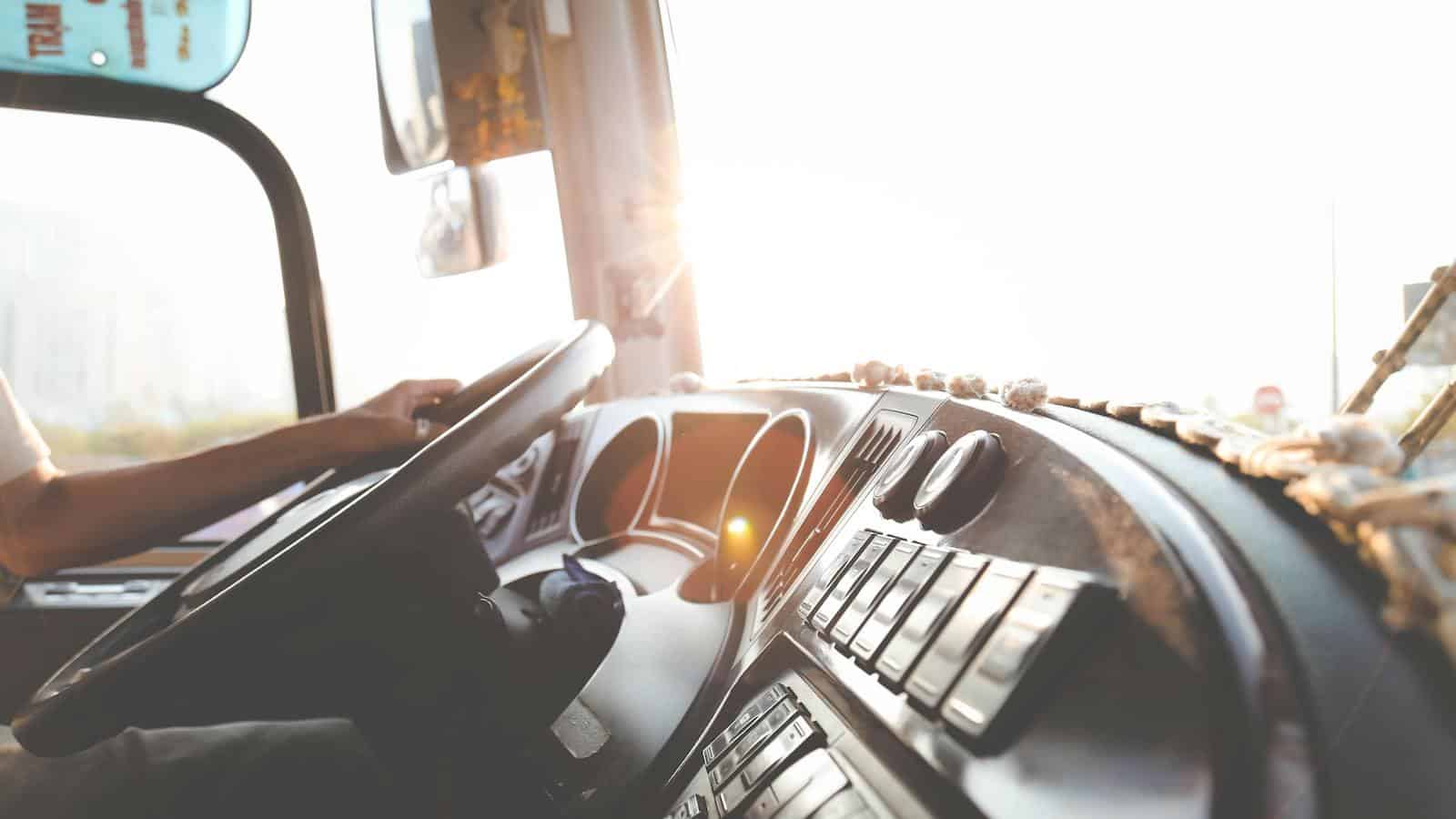
Long-distance driving is a standard part of life for many Americans. A trip of several hours may be treated as a normal weekend plan, and the roads often make it easy to keep a steady speed. Cruise control is useful for this. Drivers can set a speed and let the car hold it, with newer systems even adjusting to the traffic ahead. A British driver may use cruise control on a motorway, but long clear stretches are less common. Traffic, roadworks, roundabouts, changing speed limits, and shorter journeys can mean there is less chance to leave it running for hours. In the US, a straight interstate road can seem to go on forever. Cruise control becomes less of a luxury feature and more of a regular driving tool.
5 Overtake on either side
On a British motorway, drivers are expected to keep left unless overtaking. Passing someone on the left is often called undertaking, and it can feel rude or risky. In the US, traffic on multi-lane roads moves more freely. Cars may pass on either side, especially where there are several lanes and different exit routes. The left lane is often used by faster traffic, but the pattern is not always as strict as it is in Britain. For a visitor, this can take time to get used to. You might see a car move past you on the right while another vehicle passes on the left. It does not always mean someone is being aggressive. It is simply a common part of busy American freeway driving, though drivers still need to stay alert and leave safe space.
6 Sort out four-way stops with a wave

Four-way stops are common at American junctions, especially in residential areas and smaller towns. Every driver must stop, then the first vehicle to arrive usually goes first. If two vehicles stop at the same time, people often sort it out with eye contact, a hand wave, or a polite nod. It sounds simple, but it can feel unusual for British drivers who are more used to roundabouts, give-way lines, and traffic lights. At first, the system may seem a little informal. After a few goes, it usually makes sense. Most drivers know they need to take turns, and a quick wave keeps things moving. It relies on people paying attention and being reasonable. A British driver may still miss the clear structure of a roundabout, but the four-way stop has its own practical rhythm.
7 Park in spaces big enough for a lorry
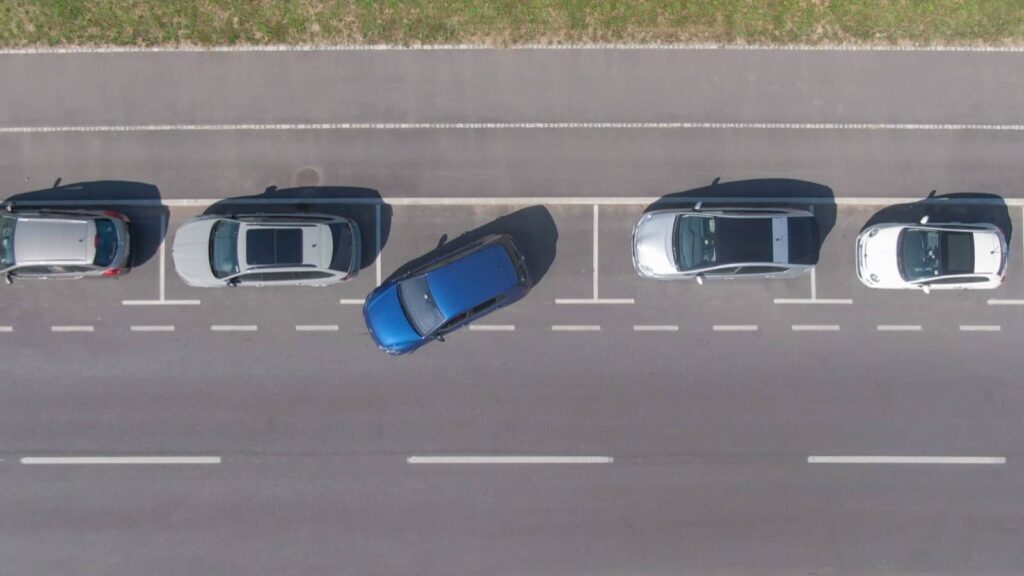
American parking spaces can feel very generous. Outside supermarkets, shopping centres, restaurants, and offices, there is often room for big SUVs, pickup trucks, and large family cars. For someone used to squeezing into a British bay, the extra space can feel almost luxurious. You may be able to open the doors fully without worrying about hitting the car next to you. Car parks are often wider too, with broad lanes that make reversing and turning much easier. This reflects the kind of vehicles many Americans drive. Larger cars need larger spaces. British parking areas are usually tighter because land is limited and older towns were not built around wide roads. In the US, parking can feel far less stressful, although busy city centres are a different story.
8 Use a drive-through to go to the bank
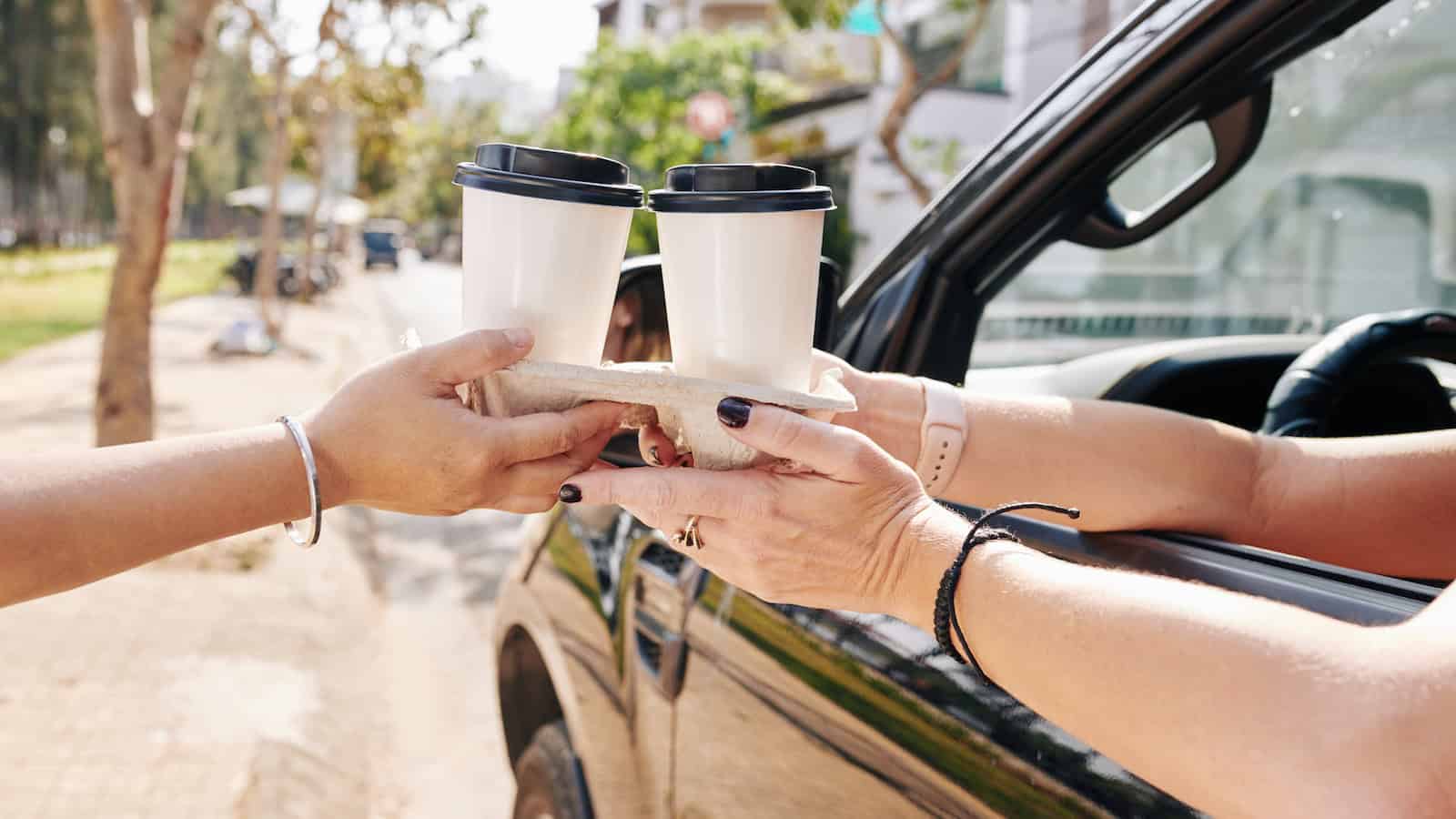
Drive-through coffee and fast food are familiar in Britain, but a drive-through bank can still seem very American. In many parts of the US, customers can handle simple banking tasks without getting out of the car. They may use an ATM, deposit a cheque, collect paperwork, or speak to a bank worker through a window or intercom. It suits a country where people often do daily errands by car. A driver might pick up coffee, visit the pharmacy, post something, and stop at the bank without parking once. These services are less common now than they once were because of online banking, but they are still a feature of many towns. To British visitors, it can feel both convenient and slightly strange to do banking while sitting in the driver’s seat.
9 Drive to a shop two minutes away

In many American towns and suburbs, people drive for even very short trips. A shop may be only two minutes away by car, but walking there may not be easy or pleasant. There may be no pavement, no safe crossing, a busy road, or simply too much distance between homes and shops. The layout of many places is built around driving. Large roads, wide car parks, and spread-out housing make the car the obvious choice. In Britain, people are more likely to walk to a local shop, pub, bus stop, or school, especially in towns and villages. Americans may see a quick drive as completely normal, while British visitors can find it surprising. It is not always laziness. Often, the area has been designed in a way that makes walking the harder option.
10 Fill the tank without wincing at the price
Fuel prices are usually much lower in the US than in Britain, even though the final cost still depends on the state and the size of the vehicle. Americans also buy petrol by the gallon, while British drivers are used to seeing prices per litre. That difference alone can make the numbers look less painful at first glance. For a British visitor, filling a large tank may still feel expensive, but it often costs far less than filling a similar car at home. Lower fuel tax is a big reason for the gap. Many Americans drive long distances and own larger vehicles, so cheaper petrol plays a major part in everyday life. Prices can still rise sharply and cause plenty of complaints, but a British driver may be surprised by how manageable the total looks.
11 Leave the engine running to warm up

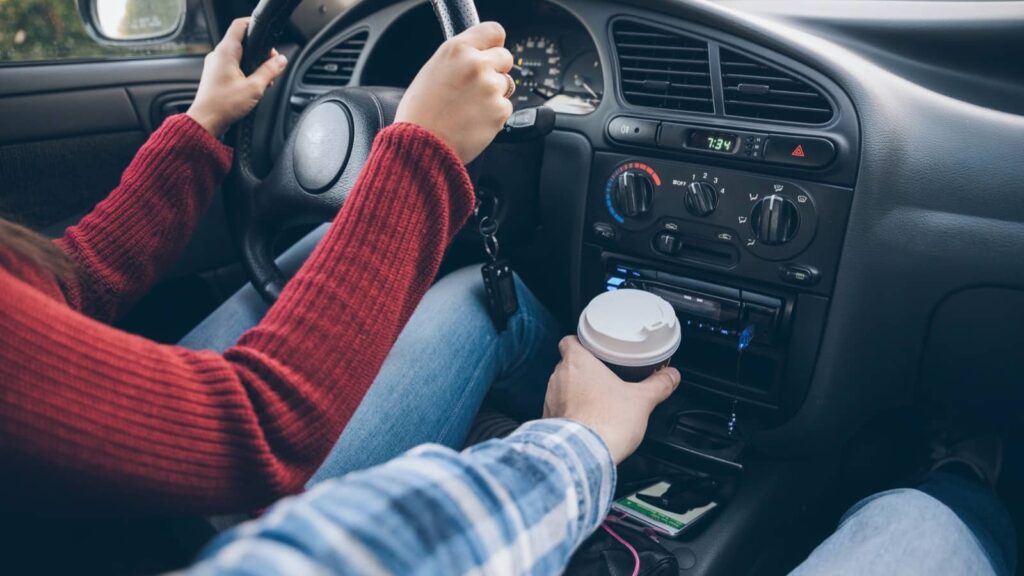
On a cold morning, it is common in parts of the US to see cars left running in driveways or car parks. People may start the engine early so the heater can warm the cabin and melt frost or snow from the windows. Remote starters make this even easier. A British driver may find this wasteful, especially because idling uses fuel and creates emissions. Some American cities and states also have rules that limit unnecessary idling, so it is not allowed everywhere. Still, in places with very cold winters, the habit is easy to understand. Getting into a frozen car before a long commute is not much fun. Modern cars usually do not need long periods of idling to warm the engine, but warming the inside of the car remains a familiar routine.
12 Get a licence at 16

Many Americans can begin driving at 16, which often feels very young to people from Britain. The exact rules depend on the state. Teenagers may first get a learner permit, then a restricted licence, before gaining full driving rights later. Even so, driving at 16 is a normal part of life in much of the US. It can be necessary too. In suburban and rural areas, public transport may be limited, and schools, jobs, sports, and friends may be far from home. A car gives teenagers more freedom and can help families manage busy schedules. In Britain, learners can usually start driving at 17, so the difference is only a year. But that year feels significant when American teenagers are already driving themselves to school, work, and social plans.

We are Mary and Eric, the founders of Be Right Back, a blog dedicated to romance around the globe and at home.
We are Mary and Eric, the founders of Be Right Back, a blog dedicated to romance around the globe and at home. With over 10 years of experience in dating and traveling to romantic places, we share our favorite date ideas and romantic destinations to help couples level up their relationships. Having lived in and traveled through the USA, we also share our favourite things to do in the States.
With 70,000 monthly readers and 16,000 followers on social media, Be Right Back is your go-to resource for romantic trip ideas and couple activities at home and abroad.