

12 Things Americans Consider Normal When Going to the Beach That Brits Would Find Surprisingly Organised

For many Americans, a beach day is planned almost like a small outdoor trip. There is gear for shade, food, drinks, seating, safety, and keeping everyone comfortable for hours. To a British visitor, this can feel surprisingly organised. A trip to the seaside in Britain can be simple: a towel, a bag, fish and chips, and maybe a windbreak if the weather allows it. In the US, especially at busy coastal beaches, people often arrive with wagons, coolers, chairs, tents, and a full plan for the day.
These habits are not about making the beach complicated. They usually come from long drives, strong sun, big family groups, and beaches where people settle in from morning until evening. Here are 12 things Americans often see as normal at the beach that may make British visitors stop and look twice.
1 Pull Everything Along in a Beach Wagon

A beach wagon is one of those things that makes an American beach trip look very organised from the start. Instead of carrying a towel and a small bag, many families load up a wagon with chairs, umbrellas, toys, snacks, blankets, towels, and bags. Some even have large balloon-style wheels made for soft sand.
It makes sense when you see how much stuff people bring. A family planning to stay for most of the day may need lunch, cold drinks, sun cream, spare clothes, beach games, and things to keep children busy. Carrying all of that from the car park can be hard work, especially when the sand is hot and loose.
For a British visitor, the wagon can seem like a full holiday packing system for one afternoon. At many British beaches, people often carry their things in a backpack, a tote bag, or a striped windbreak bag. The American wagon makes the whole outing feel more planned, especially when several people are involved.
There is often a little routine to it too. Someone pulls the wagon, someone carries the umbrella, and everyone heads towards a chosen spot. Once they arrive, the wagon may sit beside the group and hold shoes, bags, and extra supplies. It is practical, but it can look like a serious beach operation.
2 Bring a Giant Cooler on Wheels

A giant cooler on wheels is another common part of an American beach day. These coolers can be big enough to hold drinks, sandwiches, fruit, ice packs, and food for a whole family. Some are pulled behind a wagon, while others have their own sturdy handle and wide wheels.
In hot weather, keeping drinks cold matters. A bottle of warm water after an hour in the sun is not much fun, so many people bring ice, cans, juice boxes, and plenty of water. The cooler can also hold packed lunches, which helps families avoid buying expensive food near the beach.
To many Brits, this may seem much more prepared than a usual seaside visit. A British beach day might include a flask of tea, a few crisps, or a stop at a café. In the US, people often pack enough food and drink to avoid leaving their spot for hours.
The wheels are important because a full cooler can be very heavy. Sand makes everything harder to move, so a wheeled one saves a lot of effort. It is also common to see people offering cold drinks around the group as the day goes on.
It may look excessive at first, but it fits the American habit of settling in early and staying late. Once the cooler is parked under some shade, it becomes the centre of the group’s food plan for the day.
3 Put Up a Pop Up Canopy
Many Americans bring a pop-up canopy to the beach, especially families with children or groups planning to stay for a long time. These are larger than a simple umbrella. They usually have four legs and a fabric roof, creating a proper shaded area where people can sit, eat, or take a break from the sun.
On a hot beach, shade can make a huge difference. Children can rest under it, adults can eat without sitting in direct sun, and phones or food are less likely to overheat. Some people add side panels, towels, or clips to block the sun as it moves across the sky.
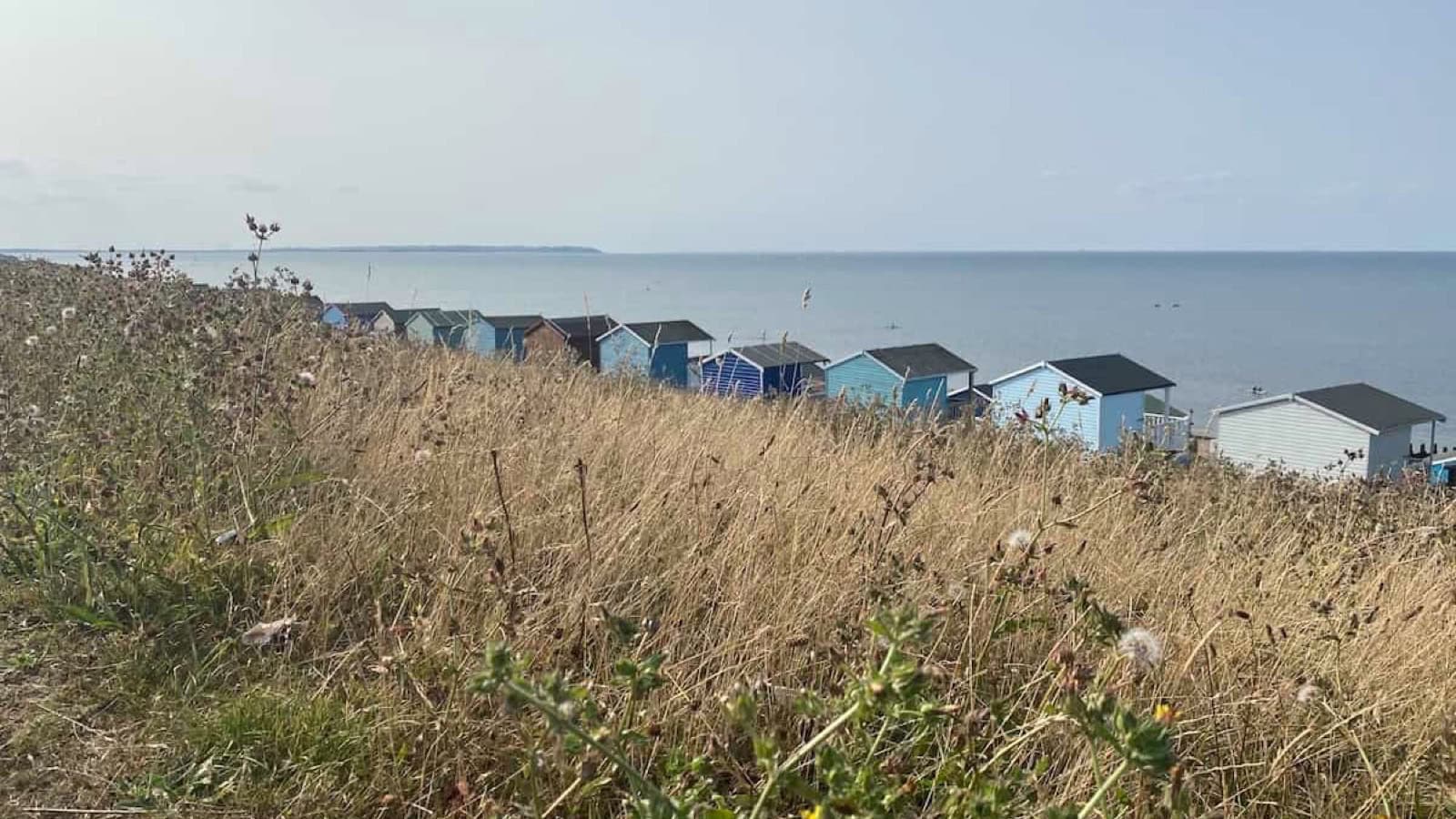
For British visitors, a full canopy may seem more at home in a garden or at a festival. British beaches can be windy, cooler, and less predictable, so a windbreak is often the more familiar choice. On many American beaches, though, the heat is steady enough that people plan around finding shade.
Putting the canopy up can take a few minutes and often becomes a group job. Someone holds a leg, someone pushes it up, and someone makes sure it is secure in the sand. Once it is ready, the beach spot starts to feel like a small outdoor living room.
There are beach rules around canopies in some places, especially during busy months. People may need to keep them a certain distance from the water or avoid placing them where lifeguards need a clear view. Even so, they are a normal sight along many American shores.
4 Sit in Beach Chairs with Cup Holders

Beach chairs with cup holders are a very normal sight in the US. People do not always sit directly on a towel or blanket. Instead, they bring folding chairs that keep them off the sand and give them a comfortable place to sit for hours.
Most beach chairs have built-in cup holders, and some have small pockets, cooler bags, headrests, or straps for carrying them. They are made for long, slow days by the water. You can sit back, keep your drink nearby, watch the waves, and avoid getting sand on everything.
This can look very organised to a British visitor. At British beaches, people often bring deckchairs or camping chairs, but towels and picnic blankets are still common. The American version often feels more settled, with each person having a chair, a drink, and a set place in the group.
The cup holder is a small detail, but it says a lot. It means people expect to have a cold drink close by, often for most of the day. Nobody wants to put a drink directly in the sand, where it can tip over or get filled with grit.
Chairs also help older relatives, people with bad knees, and anyone who does not fancy standing up from low sand every few minutes. Once the chairs are lined up facing the sea, the group has made a comfortable base for the day.
5 Buy a Beach Pass to Get In

At some American beaches, visitors need to buy a beach pass before they can enter. This can be surprising for British people, who are used to walking onto many beaches without paying an entrance fee. In the US, passes are common in popular coastal towns, especially during summer.
The pass may be a daily ticket, a weekly ticket, or a seasonal pass for local residents. Sometimes it comes as a wristband, a badge, or a small paper ticket that staff check near the entrance. Prices vary a lot depending on the beach and the town.
The money usually helps pay for lifeguards, toilets, cleaning, rubbish collection, parking, and beach maintenance. Busy beaches need a lot of care, especially when thousands of people visit on a sunny weekend. A pass can also help control how many people enter.
For a Brit, the idea of paying just to sit on the sand can feel odd. Paying for parking, deckchairs, or an ice cream is one thing, but paying to access the beach itself is less familiar. Still, once people know the local rules, buying a pass becomes part of the plan.
Many regular visitors buy seasonal passes at the start of summer and keep them in the car or beach bag. It is just another item on the checklist before loading the wagon, cooler, chairs, and canopy.
6 Get a Permit to Drive on the Sand

Some American beaches allow people to drive on the sand, but they often need a permit first. This is common on certain coastal islands and wide stretches of shoreline where four-wheel-drive vehicles can access areas far from the main car park.
A permit may allow drivers to bring their vehicle onto the beach during set hours or in certain seasons. There are usually rules about speed, where to park, how close to drive near the water, and what equipment to carry. Drivers may need a shovel, tyre gauge, recovery strap, or rubbish bags.
For British visitors, driving across a beach can seem unusual and highly controlled. In Britain, cars are rarely part of the beach day itself. Most people park nearby, then walk down to the sand. In the US, a permitted beach vehicle can act almost like a mobile base camp.
People load the car with chairs, food, fishing gear, umbrellas, and coolers. It saves them from carrying everything long distances and gives them a place to store supplies. Some families return to the same beach driving spot every summer.
These permits exist for good reason. Driving on sand can affect wildlife, dunes, and nesting areas, so local authorities set rules to protect the coast. It may look relaxed from a distance, but there is usually a clear system behind it. That mix of freedom and paperwork can feel very American.
7 Check the Rip Current Flags
Before going into the water, many Americans check the beach safety flags. These flags show sea conditions and can warn people about strong currents, rough surf, or dangerous swimming conditions. They are usually posted near lifeguard stations, entrances, and public information boards.
A green flag generally means calmer conditions, while yellow means people should be careful. A red flag means dangerous conditions, and double red flags can mean swimming is not allowed at all. Flag systems can differ slightly from place to place, so visitors often look for a local sign explaining them.
Rip currents are a serious concern on many American beaches. They are narrow, fast-moving channels of water that can pull swimmers away from shore. The water may look calm in the wrong place, which is why checking warnings before swimming matters.
British visitors may be used to reading tide times and watching the sea, but the flag system can feel more formal. At a busy US beach, signs, flags, and lifeguards make safety information hard to miss. Parents often check the flags before children go near the water.
The routine is simple: look at the flags, listen to lifeguards, and do not assume the sea is safe just because the sun is out. It is a good example of how American beach days can feel carefully managed, even when everyone is there to relax.
8 Swim Near a Lifeguard Tower

At many American beaches, people choose their spot based on how close it is to a lifeguard tower. Families often want to swim where lifeguards can clearly see them, especially when children or less confident swimmers are in the group.
Lifeguard towers are common on busy beaches in the US. They sit above the sand so staff can watch the water, spot changing conditions, and respond quickly if someone gets into trouble. There may also be signs showing the day’s weather, surf warnings, and beach rules.
For a British visitor, the number of towers and lifeguards can seem very organised. Some British beaches have lifeguards, especially during peak season, but not every stretch of coast is watched. Americans often treat the area near a tower as the safest place to enter the water.
Parents may tell children not to go beyond a certain point, and groups often stay in view of the tower. If the waves get bigger or a warning flag goes up, lifeguards may use whistles or loudspeakers to get people’s attention.
Swimming near a lifeguard does not make the sea risk-free, but it gives people extra peace of mind. It also makes it easier to ask questions about currents, jellyfish, surf conditions, or the best place to swim. On a crowded beach, the tower becomes a useful landmark as well as a safety point.
9 Reapply Sunscreen on a Schedule
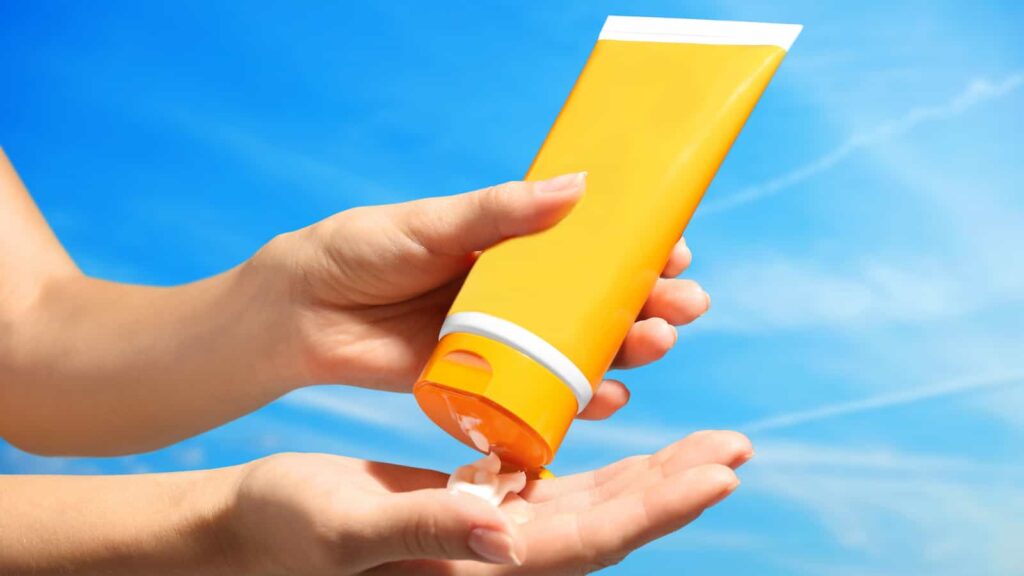
Many Americans treat sunscreen as something that needs to be reapplied on a schedule. People often put it on before leaving home, then set a phone alarm or keep track of the time so they can apply more every couple of hours.
This is especially common at beaches with strong sun, high heat, and long days outdoors. Sunlight reflects off water and sand, so people can burn faster than they expect. Children are often covered in sunscreen before they even reach the shore, then checked again after swimming or running around.
For British visitors, this level of planning may feel more detailed than usual, particularly if they are used to cloudy seaside weather. But many Brits also know how quickly skin can burn during a rare hot spell. The difference is that Americans often expect intense sun and pack sunscreen as a standard part of the day.
Families may bring several bottles with different strengths, lip balm with SPF, hats, and rash guards for children. They may also take a break under the canopy while reapplying it. Nobody wants a painful sunburn to ruin the rest of a holiday.
It is a small routine, but it shows how long many people expect to stay at the beach. If you are there from late morning until sunset, one application is not enough. The regular sunscreen break becomes as normal as having lunch or opening another cold drink.
10 Play Music from a Speaker

Portable speakers are common on many American beaches. Groups bring a small Bluetooth speaker, connect a phone, and play music while they sit, eat, play games, or watch the waves. The sound is usually kept close to their own area, though this does not always happen.
For some people, music is part of the beach atmosphere. A group of friends may play summer songs, families may put on something relaxed, and younger visitors may bring a larger speaker for a louder setup. The speaker often sits beside the cooler or under a chair to keep it out of the sun.
A British visitor may find this surprising, especially on a quieter beach where the sound of the sea is usually the main background noise. British beachgoers can bring music too, but there is often more caution around disturbing nearby people.
Many US beaches have rules about noise, and good beach manners still matter. A speaker should not make it hard for other people to enjoy their own day. The best groups keep the volume low enough that it stays within their space.
When done considerately, a speaker can make a long beach day feel more social. People sit in their chairs, snack from the cooler, and chat while music plays in the background. It is another sign that the group has come prepared to make the beach their base for several hours.
11 Grab Lunch on the Boardwalk

Many American beach towns have boardwalks lined with food stands, cafés, ice cream shops, and small restaurants. Grabbing lunch there is a normal part of the day. People might leave the sand for burgers, pizza, hot dogs, fries, tacos, or an ice cream before heading back to their chairs.
The boardwalk is often just behind the beach, making it easy to take a break from the heat and find proper food without getting in the car. Families may split up, with one person staying to watch the beach setup while another goes to collect lunch.
British visitors may see some familiar seaside food choices, but the American boardwalk can feel bigger and more planned around beach crowds. It may have arcade games, souvenir shops, rides, snack stands, and long queues for popular places. Lunch becomes part of the outing rather than a quick sandwich from a bag.
Of course, many people still bring packed food in their cooler. But boardwalk lunch is a treat, especially when everyone has been swimming or sitting in the sun. There is something nice about walking off the sand, getting a cold drink and hot food, then returning to the sea.
It also gives people a break from the sun without ending the day. After eating, they can head back to their canopy, chairs, and towels for another few hours. The beach visit carries on with very little interruption.
12 Stay from Morning Until Sunset

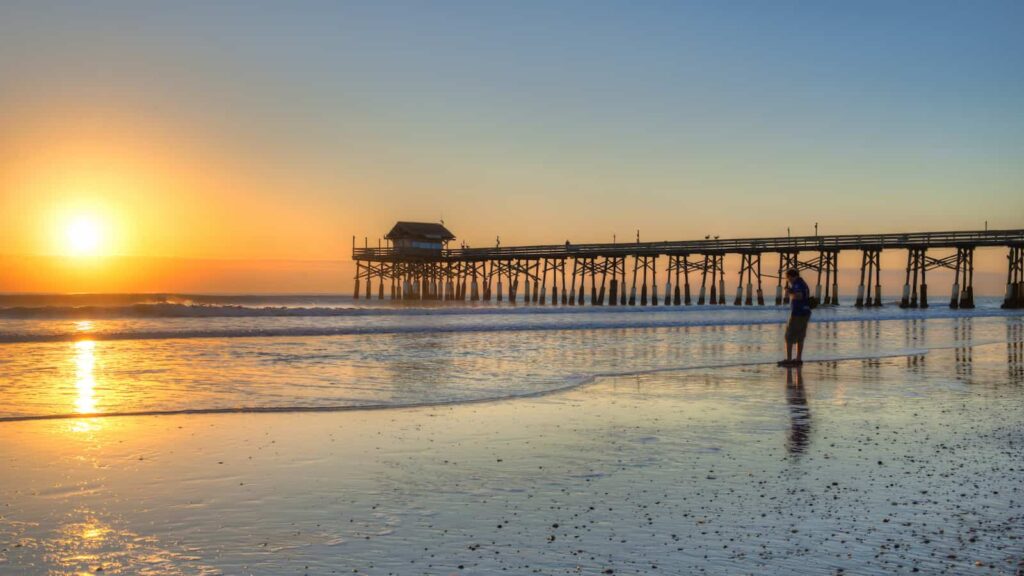
For many Americans, a beach day is not a quick visit. People arrive in the morning, set up their space, and stay until late afternoon or sunset. This is why they bring wagons, coolers, chairs, canopies, toys, food, and so much sunscreen.
The day often has a clear rhythm. Early on, people set up while the beach is cooler and less crowded. Late morning is for swimming, playing in the sand, and walking along the shore. Lunch comes from the cooler or boardwalk, followed by a slower afternoon in the shade.
By evening, the light softens, the sand cools down, and people may take one last swim or walk. Families often stay for sunset because it feels like a natural end to the day. Packing up can take time, but the long visit makes the effort feel worth it.
For British visitors, this can seem more organised than a casual trip to the seaside. In Britain, weather can change quickly, so people may not always plan to stay for ten hours. In the US, especially in places with reliable summer heat, people treat the beach as their main activity for the whole day.
Staying from morning until sunset explains nearly every other beach habit on this list. The big cooler, canopy, wagon, chairs, safety checks, and sunscreen routine all make more sense when people are planning to settle in for the long haul.

We are Mary and Eric, the founders of Be Right Back, a blog dedicated to romance around the globe and at home.
We are Mary and Eric, the founders of Be Right Back, a blog dedicated to romance around the globe and at home. With over 10 years of experience in dating and traveling to romantic places, we share our favorite date ideas and romantic destinations to help couples level up their relationships. Having lived in and traveled through the USA, we also share our favourite things to do in the States.
With 70,000 monthly readers and 16,000 followers on social media, Be Right Back is your go-to resource for romantic trip ideas and couple activities at home and abroad.