
12 Things Americans Consider Normal When Tipping That Brits Would Find Exhausting

For many Americans, tipping is part of everyday life. It comes up at restaurants, coffee shops, hotels, taxis, salons, and even on screens at self-service checkouts. For visitors from Britain, this can feel tiring because there are so many moments where a tip is expected, suggested, or quietly hoped for. In the UK, people do tip in some situations, especially in restaurants, but the rules are usually less strict and less frequent. In the US, the amount can also feel confusing, with people doing quick maths while trying to pay a bill. These common American tipping habits may seem normal to locals, but they can leave Brits wondering who needs a tip, how much to give, and what happens if they do not.
1. Tip 20% at restaurants
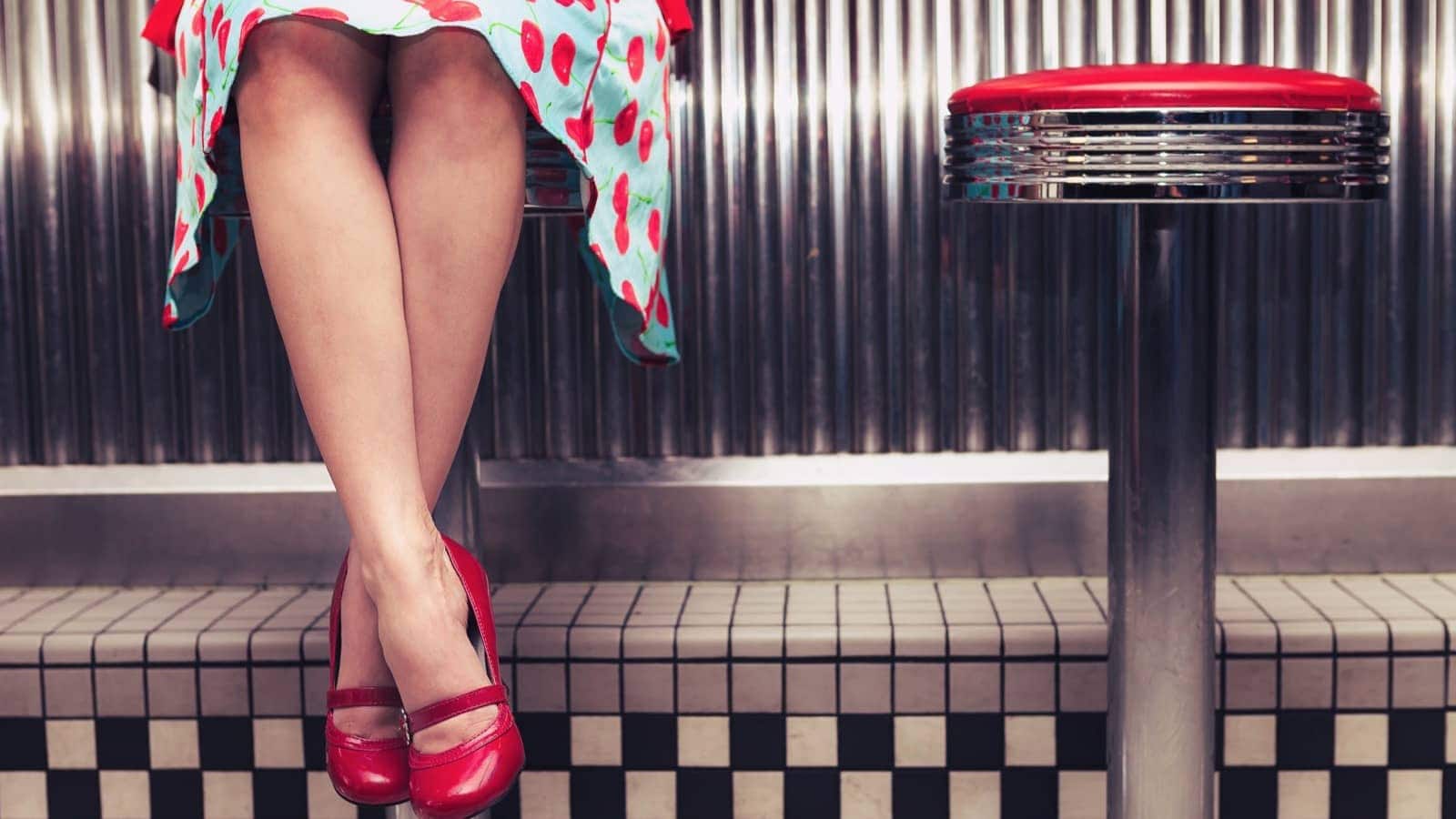
In America, leaving a 20% tip at a sit-down restaurant is widely seen as the standard for good service. Many diners add 18% to 25%, especially if the meal was expensive or the service was friendly. This can surprise British visitors, who may be used to adding around 10% to 15%, or leaving nothing if service was already included. In the US, restaurant workers often rely on tips for a large part of their income. That means skipping a tip can feel much more serious than it would in Britain. For a Brit, paying extra after an already pricey meal can feel exhausting, especially when tax is added too.
2. Work out the tip before tax
Americans often work out the restaurant tip based on the bill before sales tax is added. It sounds simple, but it creates another small bit of maths at the end of a meal. Some people tip on the full total because it is easier, while others carefully check the subtotal first. British visitors may wonder why they have to do the calculation at all, especially after checking the menu price, adding tax, and then adding a tip. Many restaurant receipts now suggest tip amounts, but those suggestions are often based on the full bill. That can make the final price feel higher than expected. For Brits, it can seem like a lot of effort just to pay for dinner.
3. Tip the barista for a coffee

In American coffee shops, it is common to leave a little extra for the barista. There may be a tip jar by the till, or a card screen that asks if you want to add 15%, 20%, or more. For someone buying a basic coffee, this can feel strange. A Brit may see coffee as a quick purchase: you order, pay, pick it up, and leave. In the US, even a simple drink can come with a tipping prompt. People may tip because the barista made a custom order, gave friendly service, or simply because they feel awkward pressing “no tip” while staff are standing nearby.
4. Tip on self-service screens

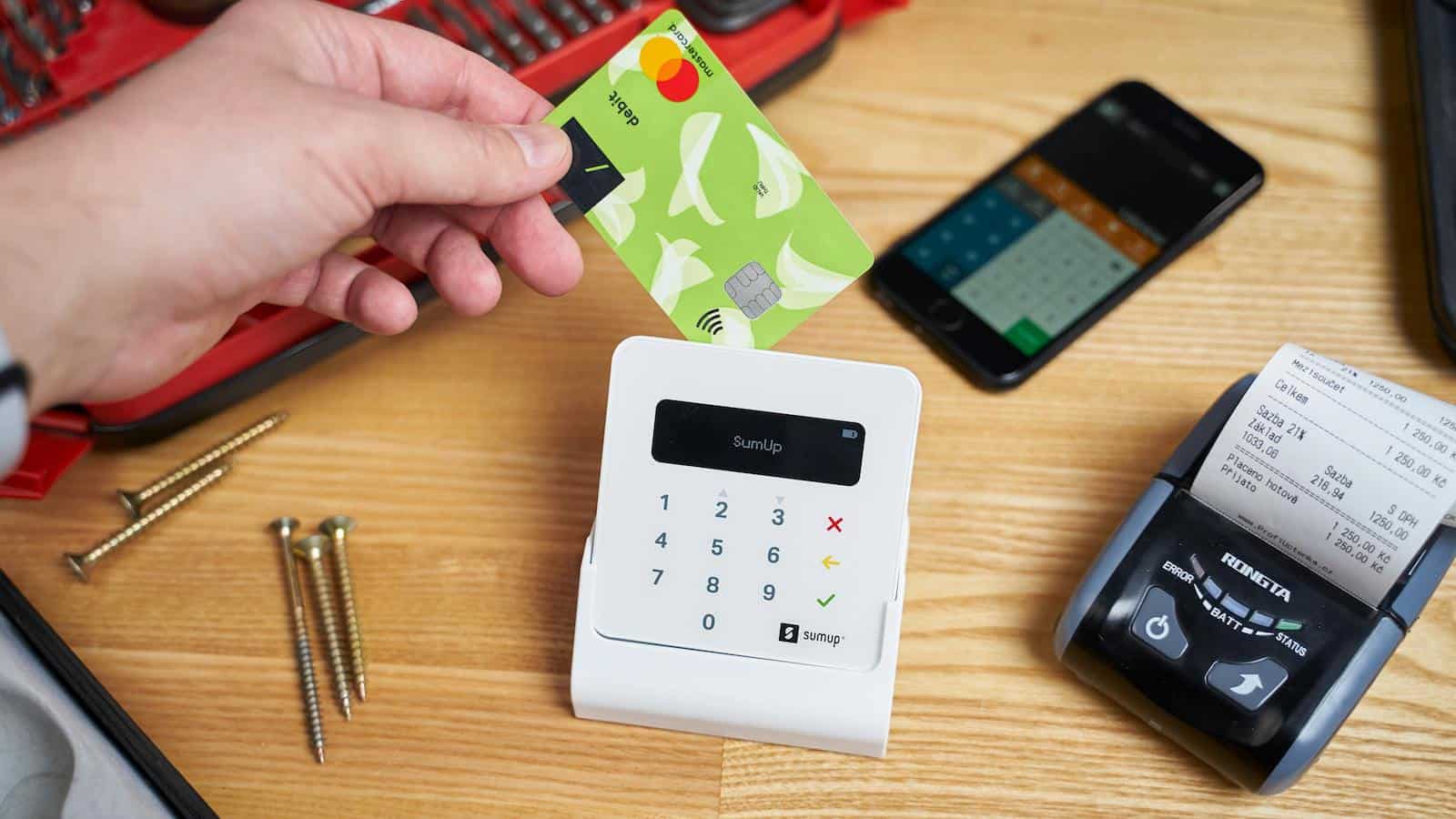
One of the most tiring parts of American tipping for British visitors is seeing tip requests at self-service screens. You may order your own food, collect it yourself, and still be asked to choose a tip before paying. This happens at bakeries, takeaway counters, food stalls, and shops. Many people feel put on the spot, especially when the screen offers large percentages first. A Brit may wonder what the tip is for if there was little personal service. Of course, workers may still prepare food, clean tables, and handle orders behind the scenes. Still, the constant question can make every small purchase feel uncomfortable. It turns a simple payment into a social decision.
5. Give the bartender a dollar per drink

At American bars, a common rule is to tip around one dollar for every basic drink, and more for cocktails or detailed orders. If you are buying rounds for friends, those dollars add up fast. Brits may be used to tipping a bartender only now and then, perhaps by saying “keep the change” or adding a little extra at the end. In the US, handing over a dollar per drink is often expected straight away. Regular customers may tip well to get faster service later. For visitors, this can feel like another rule to keep track of while trying to relax and enjoy a night out.
6. Tip the hairdresser

Americans usually tip hairdressers, often around 15% to 20% of the bill. If someone else shampoos your hair, you may even be expected to tip that person separately. This can catch British visitors off guard, especially after paying a high salon price. In Britain, people do sometimes tip a hairdresser, but it is more of a personal choice than a fixed rule. In the US, many clients feel that leaving nothing would seem rude unless there was a real problem. The awkward part is working out who gets what. A haircut, colour, wash, and blow-dry can involve several people, turning one salon visit into several tipping decisions.
7. Tip taxi drivers

Tipping taxi and ride-share drivers is common across America. Many people add around 15% to 20%, or round up the fare and add a few dollars for a short trip. Apps make it easy by asking for a tip after every ride. British travellers may be used to rounding up a taxi fare, but a full percentage tip can feel like another extra charge. It can be especially frustrating when the fare was already high because of traffic, busy times, or airport fees. Drivers provide an important service, but the pressure to add more after every journey can make getting around feel more expensive than expected.
8. Leave a tip for hotel housekeeping every day
In the US, many travellers leave cash for hotel housekeeping, often a few dollars per day. The tip is usually left in the room with a short note so staff know it is for them. The daily part matters because different housekeepers may clean the room on different days. This is a habit that many Brits may not even know about. In the UK, hotel guests do not usually leave money for cleaners each morning. A visitor might tip at the end of a stay if the service was especially good, but daily cash tips can feel like one more job. It also means carrying small notes throughout the trip.
9. Tip the valet
Valet parking comes with its own tipping rule in America. Guests often give the valet a few dollars when their car is returned, and sometimes when it is dropped off too. This can feel odd to Brits because valet parking is already usually an added service with its own fee. Paying extra to hand over your keys, then paying again when you collect the car, can seem excessive. Still, tipping is normal because valets park cars, bring them back quickly, and often work in busy or difficult conditions. For someone unfamiliar with the system, though, it is easy to feel unsure about the right amount and the right moment to pay.
10. Tip delivery drivers

Food delivery drivers in America are usually tipped, often through an app before the order even arrives. Many customers add 15% to 20%, or a set amount based on distance, weather, and order size. A large order, a long drive, heavy rain, or a late-night delivery may call for more. British visitors may find it tiring because delivery fees and service fees are already common. Then the app asks for another payment on top. People also worry that a low tip could mean slower service. For drivers, tips can make a real difference to earnings. For customers, though, ordering a simple meal can become far more expensive than the menu suggested.
11. Tip the removal men

When Americans move house, it is common to tip the removal team. The amount often depends on how long the move took, how heavy the items were, and how hard the job was. People may give each worker cash at the end of the day, especially if they carried furniture up stairs or handled difficult items carefully. Brits may offer movers a cup of tea, snacks, or a small extra payment, but a clear tipping expectation can feel unfamiliar. Moving is already stressful and expensive, so adding another cost at the end can be frustrating. Still, many people see it as a fair way to thank workers for physically demanding work.
12. Give the postman a holiday tip
During the holiday season, some Americans give their postman or postal worker a small cash tip, gift card, or present. It is meant as a thank-you for delivering letters and parcels throughout the year. This may sound nice, but it can add to the long list of people people feel they should give something to in December. British households may give their postie a card, chocolates, or a small gift, but cash tips are less of a regular expectation. There can also be rules about what postal workers are allowed to accept. For a Brit, the idea of planning holiday tips for service workers can feel like another festive expense to organise.

We are Mary and Eric, the founders of Be Right Back, a blog dedicated to romance around the globe and at home.
We are Mary and Eric, the founders of Be Right Back, a blog dedicated to romance around the globe and at home. With over 10 years of experience in dating and traveling to romantic places, we share our favorite date ideas and romantic destinations to help couples level up their relationships. Having lived in and traveled through the USA, we also share our favourite things to do in the States.
With 70,000 monthly readers and 16,000 followers on social media, Be Right Back is your go-to resource for romantic trip ideas and couple activities at home and abroad.