

12 Things Britain Lost When Everyone Stopped Carrying Cash

Remember when we all used to carry a bit of cash in our pockets? Those days seem like they’re slipping away as more of us tap our phones or cards to make payments. This shift has changed a lot of small, everyday parts of life in Britain. Let’s take a look at some of the simple things we’ve lost as cash becomes less common. From giving kids pocket money in coins to finding a forgotten tenner in a winter coat, these memories are a nostalgic reminder of the way things used to be.
1. Giving children pocket money in coins

Giving children pocket money in coins was more than just a way to teach them about money. It was a hands-on, visual way for kids to learn the value of each coin and note, understanding saving and spending in a tactile manner. Now, with digital pocket money apps, while convenient, this tangible lesson is somewhat lost. Kids might miss out on the excitement of hearing coins clink into their piggy banks or the pride of physically handing over their savings for something special at the store.
2. Dropping spare change into charity tins
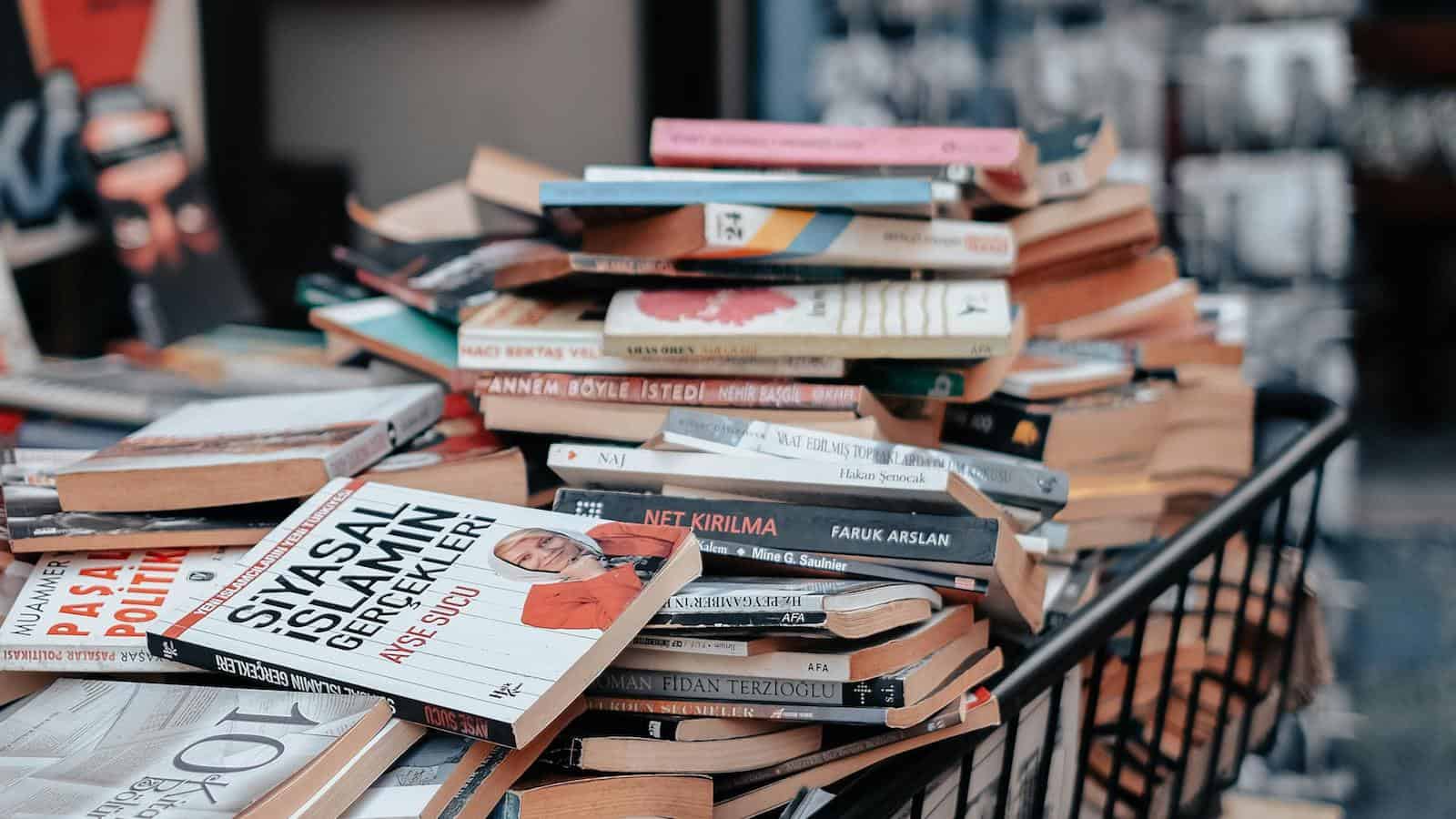
There was something immediately rewarding about dropping spare change into a charity tin, hearing the coins hit the pile below. This simple act of giving was not only convenient but also a spontaneous way to contribute to good causes. With fewer people carrying cash, these impromptu donations at shop counters and public events have decreased, potentially impacting how much casual support charities receive.
3. Putting a pound in the office collection

The office collection for birthdays or leaving gifts often relied on everyone chucking in a quick pound or two. It was easy, immediate, and inclusive, allowing everyone to contribute without much hassle. Now, organizing contributions often involves online transfers, which can feel less personal and sometimes exclude those who aren’t as tech-savvy or who might forget to transfer their share in time.
4. Keeping emergency money in the car

Keeping a stash of emergency money in the car for unexpected situations like needing to pay for parking or grabbing a bite at a cash-only venue was a common practice. It gave a sense of security knowing that you were prepared for unforeseen small expenses. The convenience of digital payments might cover most bases, but it can leave us stuck in places where only cash is king.
5. Giving someone a fiver for helping you out

Whether it was tipping the delivery person or thanking a neighbor for helping carry groceries, slipping them a fiver was a straightforward token of appreciation. This quick and informal way of saying thanks with cash is fading, replaced by more formal, less spontaneous methods that require a bit more planning and often, an app.
6. Children counting their savings in a piggy bank
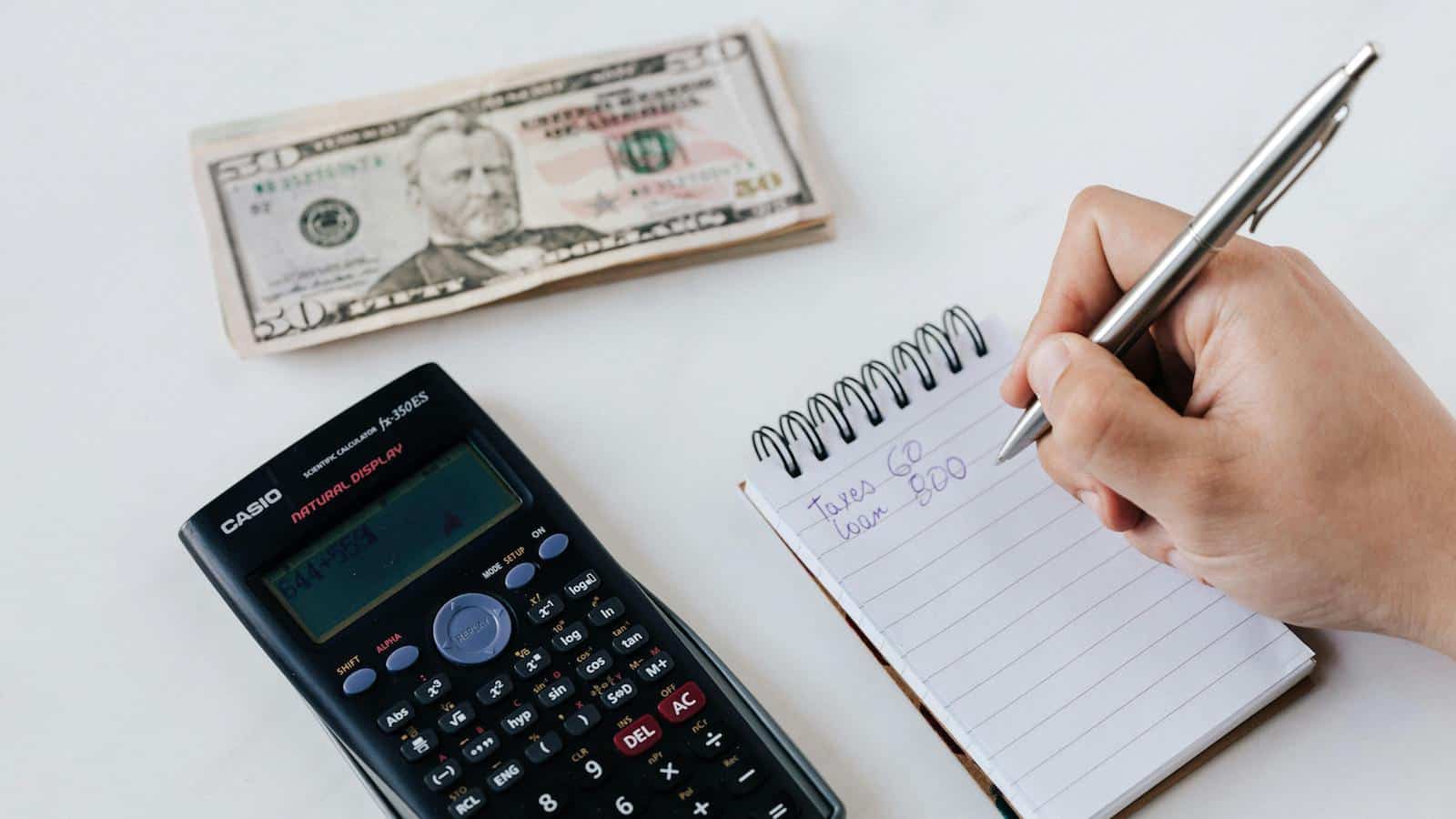
There used to be a real thrill for kids in counting out their savings from a piggy bank, feeling each coin and seeing the physical accumulation of their allowance and birthday money. This ritual helped them understand the value of saving over time. With digital savings, the visual and physical aspects of this learning are less pronounced, which might affect their understanding of money management.
7. Knowing exactly how much you’d spent on a night out

Before, a quick look in your wallet told you exactly how much you had spent on a night out. This was a clear and immediate way to keep track of spending and decide if you had enough for that last drink or taxi home. Digital payments, while convenient, can make it harder to keep track in the moment, sometimes leading to a surprise the next day when you check your bank app.
8. Paying without leaving a digital trail of tiny purchases
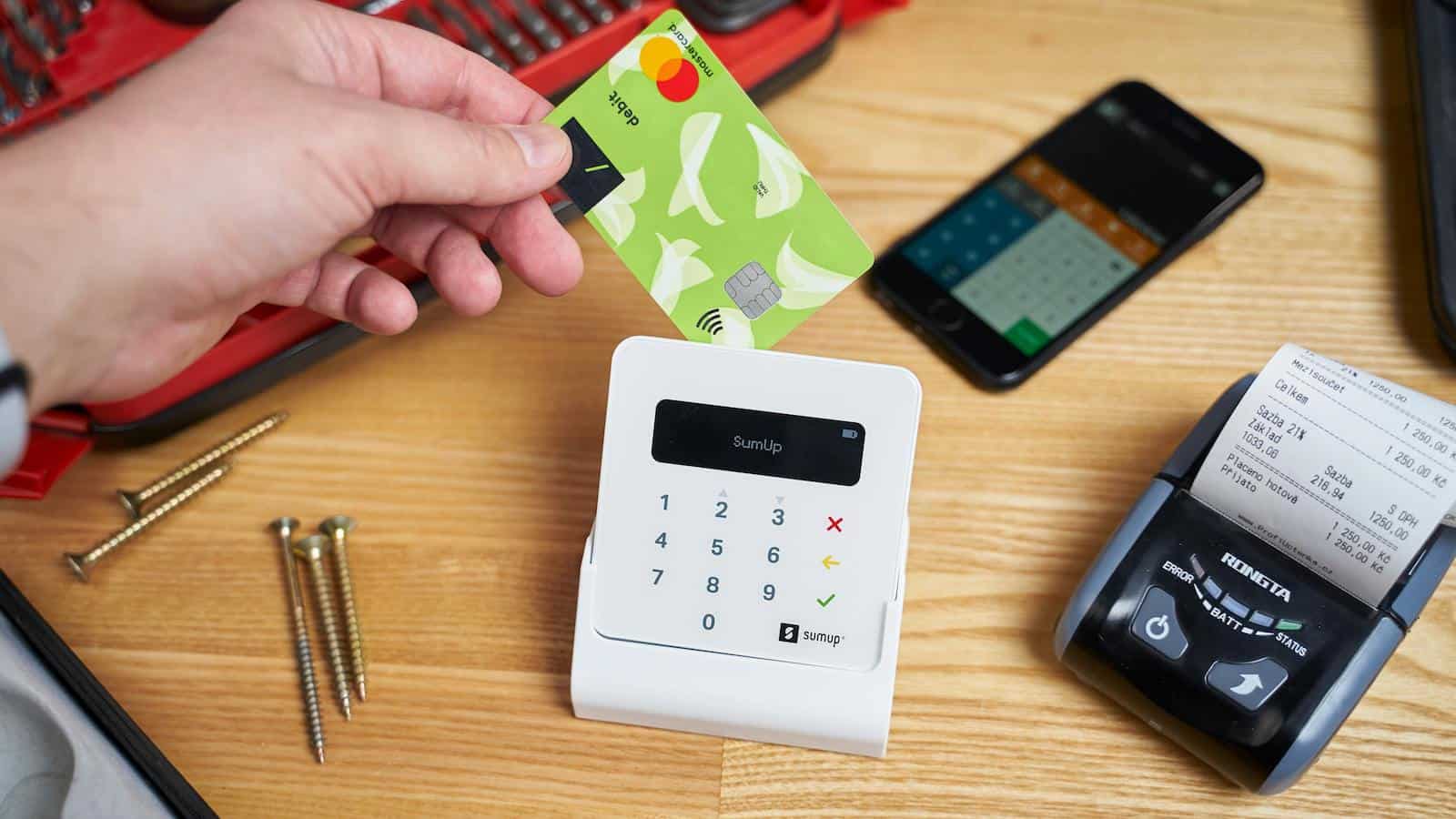
Paying with cash meant you could make small purchases like a newspaper or a snack without leaving a digital trail. This anonymity in transactions is something we’re losing as every payment becomes digitized and tracked, impacting not just privacy but also how businesses analyze and target consumers.
9. Finding forgotten money in an old coat
There was always a small thrill in finding money you had forgotten in an old coat pocket or bag. It felt like a small unexpected gift to yourself. This simple joy is less common now as we move away from cash. While digital money management has many benefits, it doesn’t quite replicate this particular pleasure.
10. Giving cash inside birthday cards

Giving cash inside birthday cards was a simple, flexible gift that everyone could use. It allowed the recipient to choose exactly what they wanted or needed, which was especially handy for those hard-to-shop-for friends and relatives. Digital gift cards can serve a similar purpose, but they sometimes lack the universal applicability of cash.
11. Emptying your change jar before a holiday

Many of us had the habit of emptying a change jar to fund or supplement holiday expenses. It was a satisfying ritual that turned small saved amounts into something more substantial. This tangible method of saving and its rewarding end uses are dwindling as fewer people handle physical money daily.
12. Having a few coins ready for parking without needing a phone
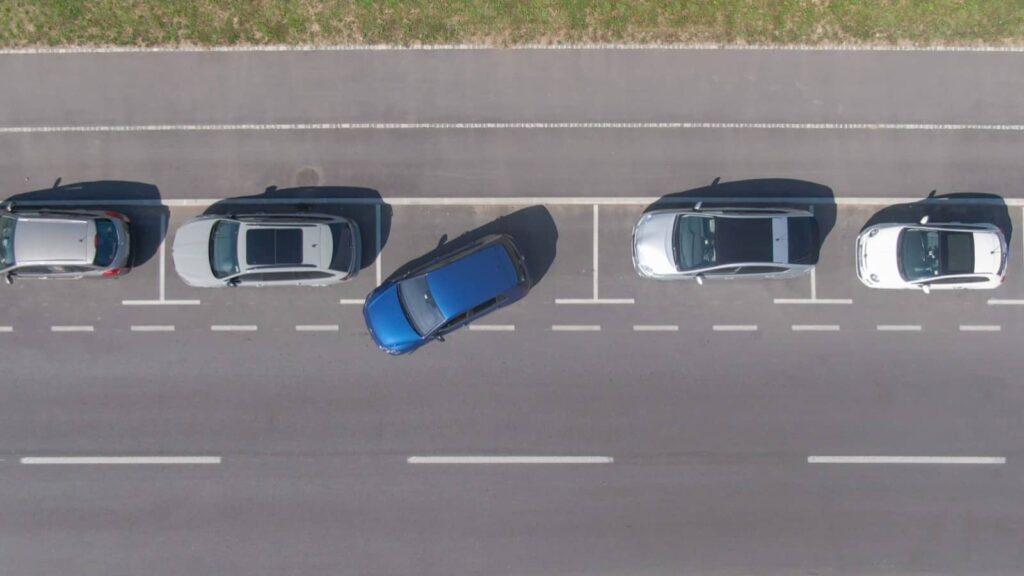
Keeping a few coins handy for parking meters was routine. Not every place is equipped with modern digital payment options, and in those instances, having coins was incredibly convenient. As we move towards a cashless society, being caught without a mobile or a parking app can be more of a hassle, highlighting one of the practical conveniences of old-fashioned coinage.

We are Mary and Eric, the founders of Be Right Back, a blog dedicated to romance around the globe and at home.
We are Mary and Eric, the founders of Be Right Back, a blog dedicated to romance around the globe and at home. With over 10 years of experience in dating and traveling to romantic places, we share our favorite date ideas and romantic destinations to help couples level up their relationships. Having lived in and traveled through the USA, we also share our favourite things to do in the States.
With 70,000 monthly readers and 16,000 followers on social media, Be Right Back is your go-to resource for romantic trip ideas and couple activities at home and abroad.